
 Save
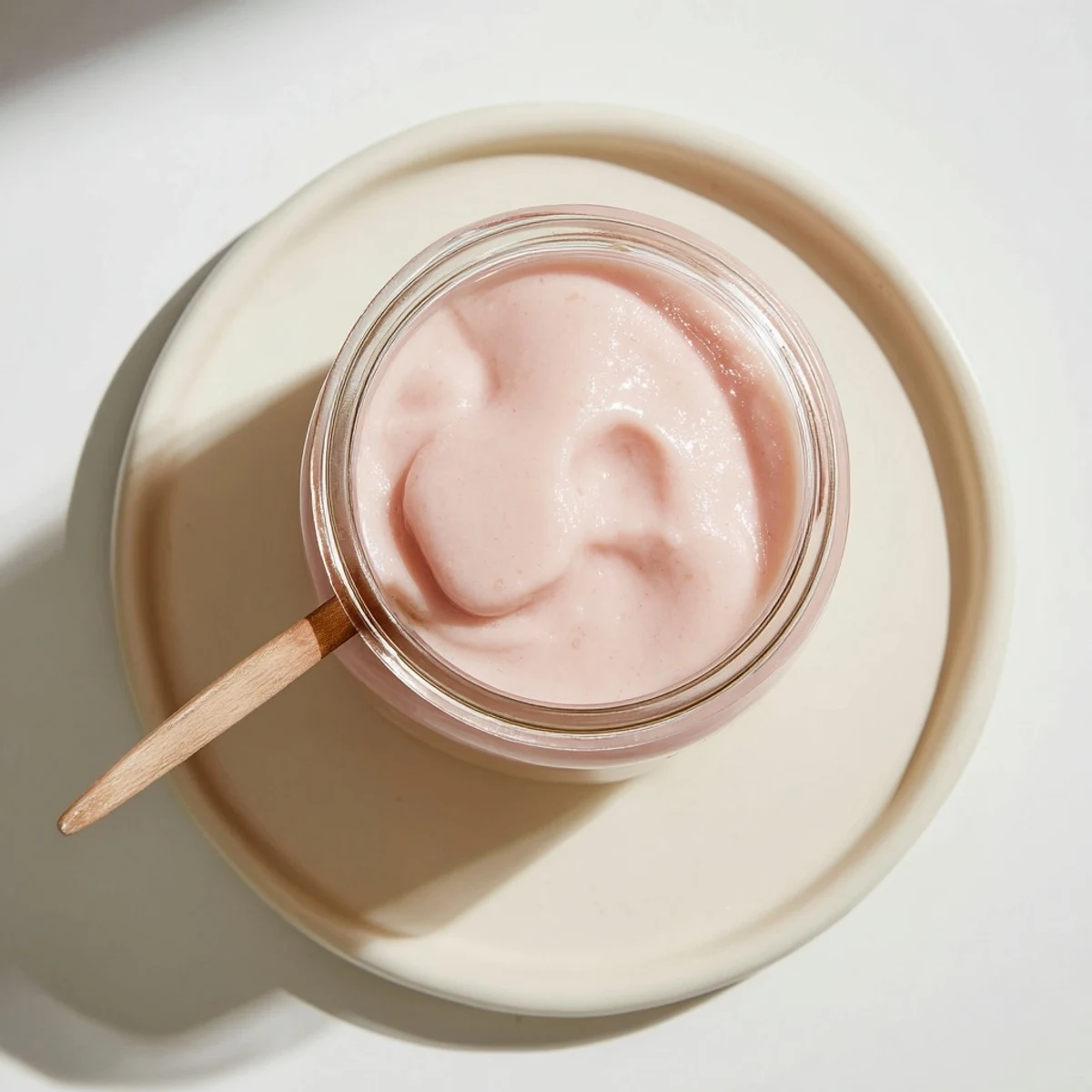
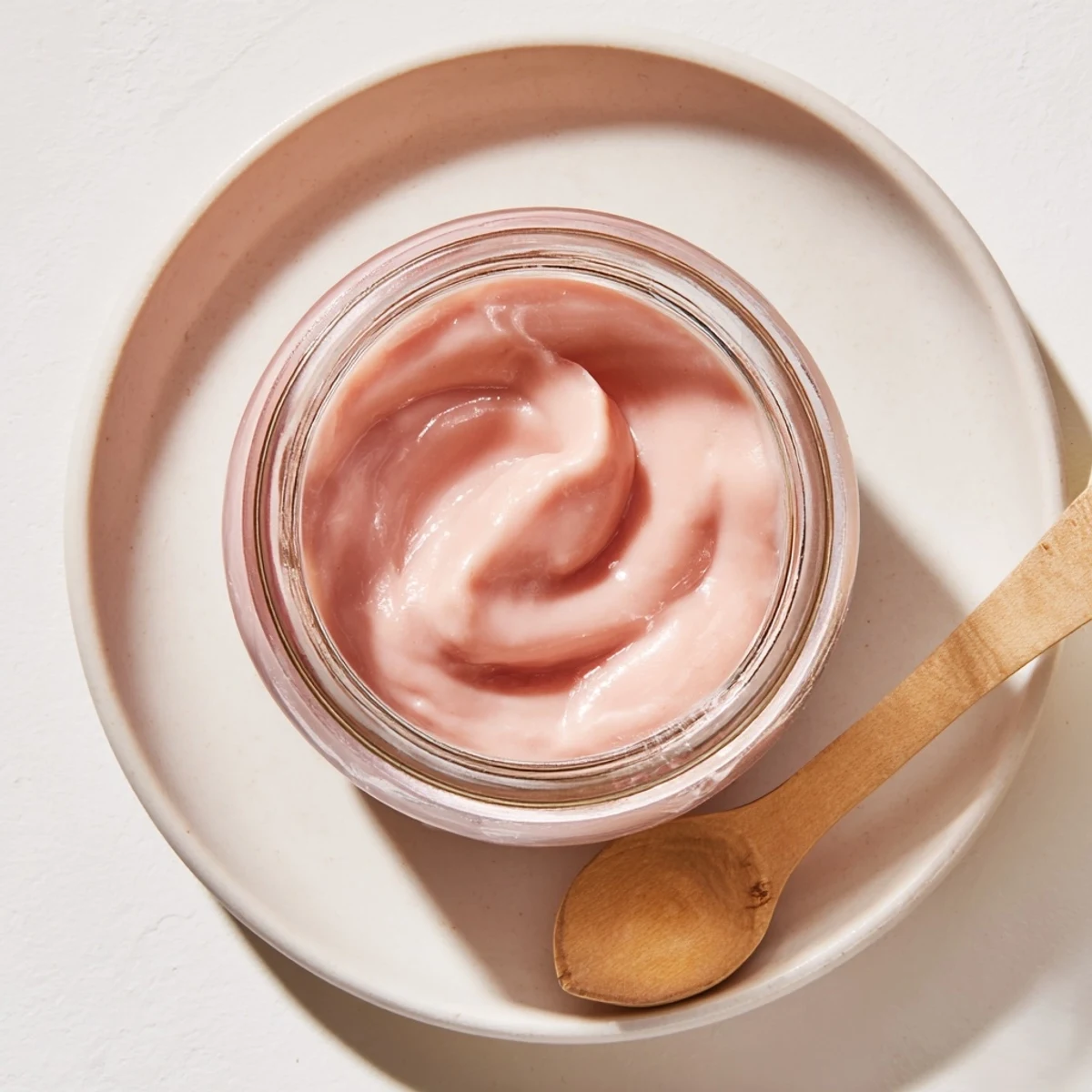
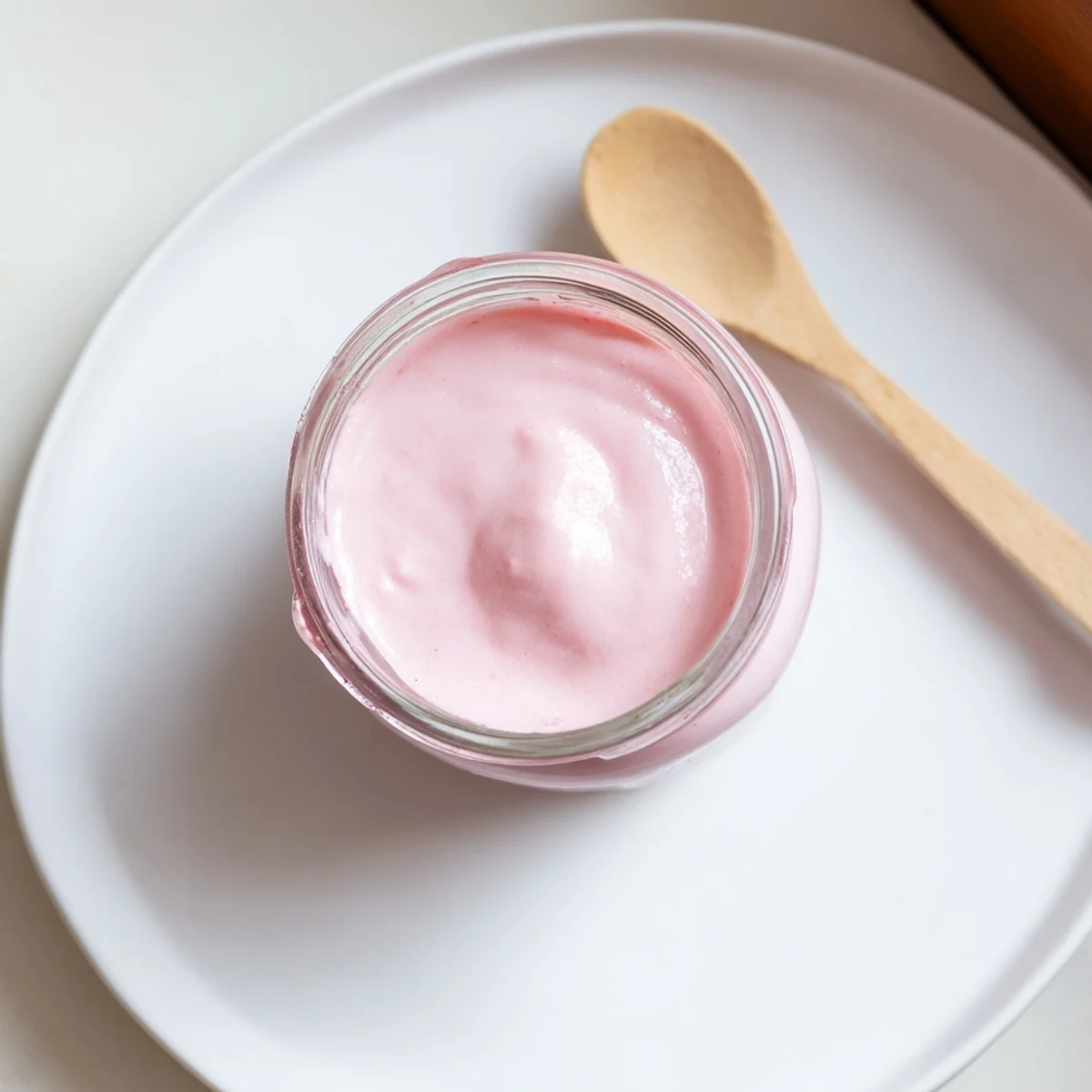
Save This vibrant pink lemon curd combines fresh pink lemon juice, eggs, butter, and sugar to create a silky, tangy spread with a beautiful natural blush hue. The double-boiler method ensures smooth, creamy results without scrambling the eggs. Whisk constantly over simmering water for 8–10 minutes until thickened, then incorporate butter piece by piece for that luxurious texture. Optional raspberry juice deepens the pink color naturally. Strain through a fine-mesh sieve for silkiness, then refrigerate for at least two hours to set completely. The curd keeps for two weeks in sterilized jars.
The first time I saw pink lemons at the farmers market, I honestly thought they were a gimmick. I bought them on a whim, not expecting much, but that first batch of curd made me a convert. Theres something impossibly charming about a spread that looks like strawberry frosting but tastes like bright, lemon sunshine.
I made a triple batch for my sisters baby shower last spring. We served it on mini scones with fresh berries, and honestly, the curd upstaged the cake. My sister asked if I could make jars for everyone to take home as favors.
Ingredients
- 1/2 cup fresh pink lemon juice: Pink lemons have this gorgeous subtle floral note that regular lemons lack, plus that natural blush hue
- 1 tablespoon pink lemon zest: The zest is where all those aromatic oils live, so dont skip it even if youre straining it out later
- 1 cup granulated sugar: This amount balances the tang without making it cloying
- 3 large eggs plus 2 yolks: The extra yolks are what gives curd that impossibly silky, pudding like texture
- 6 tablespoons unsalted butter: Room temperature pieces incorporate better and give you that glossy finish
- Raspberry juice or natural food coloring: Pink lemons are subtle sometimes, and this deepens the color without changing the flavor
Instructions
- Set up your double boiler:
- Grab a heatproof bowl that sits snugly over a saucepan of simmering water without touching the water
- Whisk everything except butter:
- Combine eggs, yolks, sugar, juice, and zest until completely smooth
- Cook with patience:
- Whisk constantly for 8 to 10 minutes until the curd coats the back of a spoon and reaches 170°F
- Emulsify the butter:
- Remove from heat and whisk in butter one piece at a time until melted and glossy
- Perfect the color:
- Stir in raspberry juice or food coloring if you want that Instagram worthy pink
- Strain and chill:
- Pour through a fine mesh sieve, let cool, and refrigerate at least 2 hours to set
 Save
Save My daughter now requests this for her birthday instead of cake filling. She spreads it on everything from pancakes to vanilla ice cream. Watching her discover something I created from random market lemons has become its own kind of sweetness.
Making It Ahead
This curd actually improves after a day in the fridge. The flavors meld together and the texture becomes even more pudding like. I always try to make it the night before I plan to serve it, whether for brunch or as a cake filling.
Serving Ideas That Wow
Beyond the obvious scone situation, try folding a dollop into whipped cream for an instant strawberry lemonade mousse. I once layered it between vanilla wafers with fresh strawberries and let it sit overnight. It became this impromptu Eton mess that disappeared faster than anything else at the picnic.
Troubleshooting Texture
If your curd turns out too thin, dont panic. Return it to the double boiler and whisk in another egg yolk mixed with a teaspoon of cornstarch. Cook just until thickened again. If its too thick, whisk in a teaspoon of warm water or cream at a time until you reach the right consistency.
- Room temperature eggs prevent shocking the mixture when you start cooking
- A rubber spatula helps scrape every bit of zest through the sieve
- Label jars with the date so you remember when you made them
 Save
Save There is something deeply satisfying about turning plain ingredients into something that looks like a jewel. Every time I open the fridge and see those pink jars lined up, it feels like a tiny win.
Recipe FAQ
- → What makes pink lemons different from regular lemons?
-
Pink lemons have a slightly milder, more floral flavor profile compared to regular lemons. Their flesh naturally displays a beautiful blush color, though the hue can vary. If unavailable, substitute regular lemon juice and adjust the pink color with raspberry juice or natural food coloring.
- → Why use a double boiler method?
-
The double boiler technique provides gentle, indirect heat that prevents the eggs from scrambling while ensuring even cooking. This method produces a consistently smooth, creamy texture without grainy bits. The water should simmer gently—never boil vigorously—to maintain proper temperature control.
- → How do I know when the curd is properly thickened?
-
The curd is ready when it coats the back of a spoon and leaves a clear trail when you run your finger through it. This typically occurs around 170°F (77°C). The mixture should have the consistency of warm custard—thick enough to hold its shape but still pourable.
- → Can I freeze this curd for longer storage?
-
Yes, freeze for up to 3 months in airtight containers. Thaw overnight in the refrigerator before use. The texture may become slightly grainy after freezing—simply whisk thoroughly after thawing to restore smoothness. Avoid freezing if you plan to use it as a cake filling.
- → What's the purpose of straining the curd?
-
Straining removes any bits of cooked egg, lemon zest, or accidental lumps, ensuring an ultra-smooth, professional finish. Use a fine-mesh sieve and press gently with a spatula to extract all the silky curd while leaving unwanted textures behind.
- → Why add butter after cooking rather than during?
-
Adding butter piece by piece off the heat creates an emulsion that delivers rich mouthfeel and glossy sheen. The residual heat melts the butter gradually, allowing it to incorporate fully without separating. This technique results in a luxuriously silky final texture.