
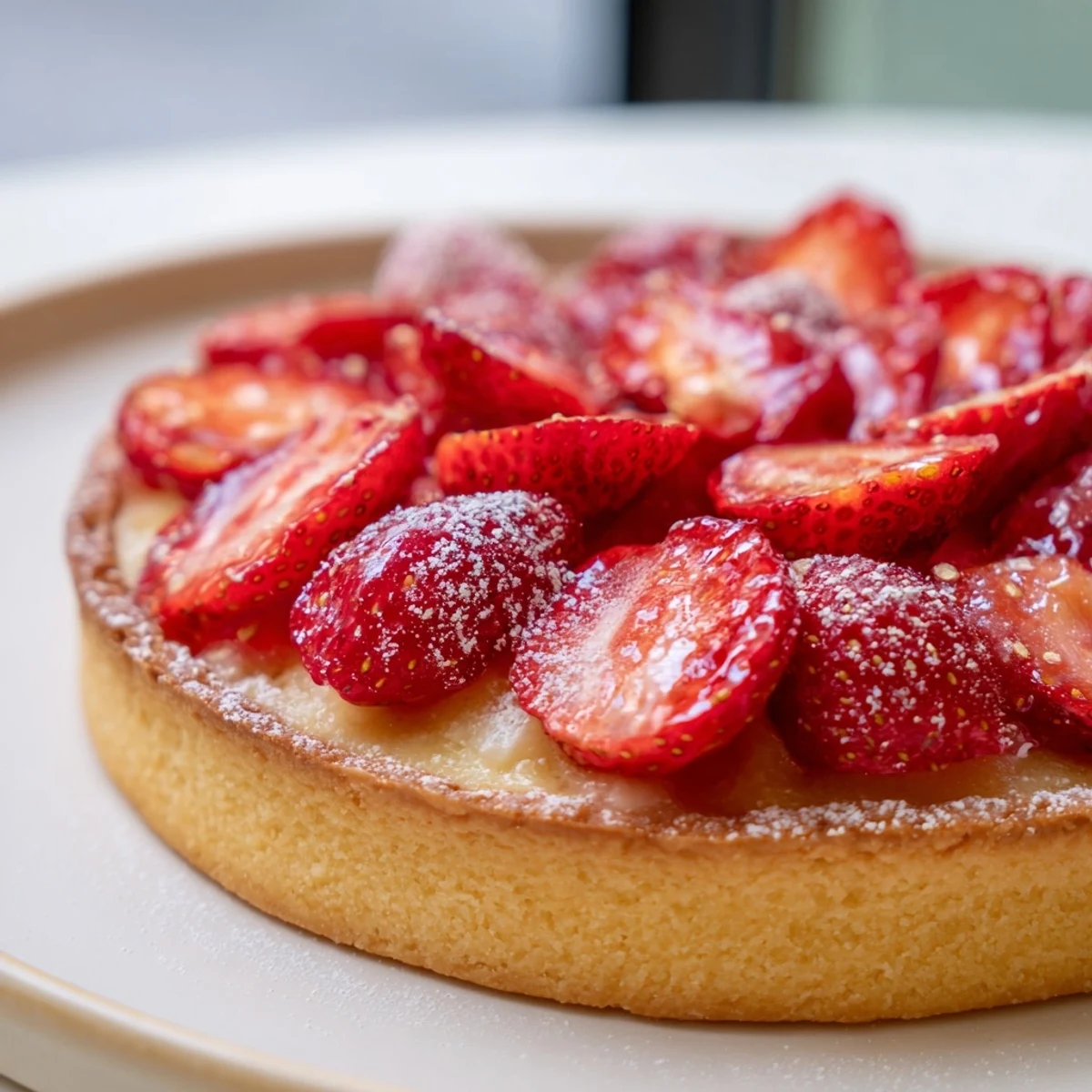
 Save
Save Préparez une pâte sablée fondante en travaillant rapidement le beurre avec la farine, réfrigérez 30 minutes puis cuisez à blanc jusqu'à légère coloration. Réalisez une crème pâtissière vanillée en épaississant lait, jaunes et maïzena, incorporez le beurre hors du feu et refroidissez au contact. Garnissez le fond refroidi, disposez des fraises fraîches et nappez d'abricot chauffé pour un glaçage brillant. Réfrigérez 1 heure avant service pour une tenue et des saveurs optimales.
Flipping through my crumpled French recipe notebook last spring, a vivid scent of ripe strawberries sitting on the counter made me crave something special: tarte aux fraises. I didn't need a holiday or an excuse—just the promise of a glossy, fruit-laden tart that feels like sunlight on a plate. Sometimes inspiration arrives with the season, and this tart always feels right when cherries and peaches aren't quite ready but strawberries are at their peak. There's an unmistakable hush in the kitchen as the crust comes out golden and the vanilla-laced pastry cream cools nearby, tempting a finger-swipe every so often.
One breezy afternoon, I brought this tart to a garden picnic with neighbors; by the time I set the dessert down, someone was already eyeing the shimmer of apricot glaze reflecting the sunlight. People kept coming back for 'just a sliver more' until the platter was empty, and someone sheepishly wiped away a whipped cream smudge from their cheek. That's when this became my go-to fresh fruit finale for every gathering where smiles matter more than fancy plates.
Ingredients
- Farine (250 g): Using all-purpose flour creates just the right amount of tender bite in the pâte sablée; I sift it to avoid unexpected lumps.
- Beurre doux, froid et coupé en dés (125 g): Chilled, cubed butter is key to that delicate, crumbly crust you want in every tarte.
- Sucre glace (80 g): Powdered sugar gives understated sweetness and ensures the base melts in your mouth, not just in the oven.
- Œuf (1): The whole egg brings the dough together smoothly—crack it into a ramekin first in case the shell bits try to hitch a ride.
- Pincée de sel: A pinch sharpens the buttery flavor, a tiny detail I once skipped and instantly regretted.
- Lait entier (500 ml): Whole milk gives the pastry cream its signature richness—skim just doesn't cut it for this French classic.
- Gousse de vanille ou extrait (1 c. à café): I love splitting and scraping a real vanilla bean, though good quality extract works for busy days.
- Sucre (100 g): White sugar not only sweetens but helps your custard set into a velvety fill.
- Jaunes d'œufs (4): Just the yolks provide unbeatable silkiness in the crème pâtissière—save the whites for meringue cookies tomorrow.
- Maïzena/Fécule de maïs (40 g): Cornstarch assures the cream thickens to a sliceable consistency without overcooking the yolks.
- Beurre (30 g pour la crème): Whisking in a pat at the end brings gloss and a round finish to the filling.
- Fraises fraîches (500 g): Only the sweetest, ripest berries will do—taste a few and let their perfume guide you.
- Confiture d’abricot (2 c. à soupe): Warming this with a touch of water gives your fruit glazing brilliance worthy of a French bakery window.
- Eau (1 c. à soupe): Just enough to thin the glaze for a brushable shine.
Instructions
- Make the pâte sablée:
- Rub the cold butter into the flour, salt, and sugar with your fingertips until it feels sandy and smells delicately buttery—don’t overwork. Add the egg, then press the dough together swiftly; wrap and chill for at least 30 minutes so it bakes up crumbly, not tough.
- Pre-bake and cool the crust:
- Roll out the chilled dough and gently coax it into your tart pan, patching cracks if needed. Prick, weigh down with parchment and baking beans, bake until just tinged gold, then shed the weights for a final color-boosting stint—let’s it cool while you tackle the filling.
- Prepare the crème pâtissière:
- Heat the milk and vanilla until it begins to shiver, filling the air with warmth. Whisk yolks with sugar and cornstarch until pale, slowly add hot milk while stirring, then return all to the pot and cook, stirring constantly, until a thickened, custardy puff breaks the surface.
- Finish the pastry cream:
- Off the heat, stir in the butter for gloss, then press plastic wrap right onto the surface so no skin forms while it cools—trust me, every bit stays creamy that way.
- Prepare the strawberries:
- Wash and hull the strawberries gently—no bruising allowed—and slice or halve as you like. Sneak one or two for yourself if you've picked the ripest batch.
- Assemble the tart:
- Smooth the chilled pastry cream into the cooled tart shell, then nestle the strawberries atop in whatever pattern calls to you. Don't stress over symmetry; the fruit does the heavy lifting for you.
- Glaze and chill:
- Warm apricot jam and water until fluid, then brush lovingly over the strawberries for that glistening bakeshop look. Chill the finished tart at least an hour before serving for clean slices and a blissfully cool bite.
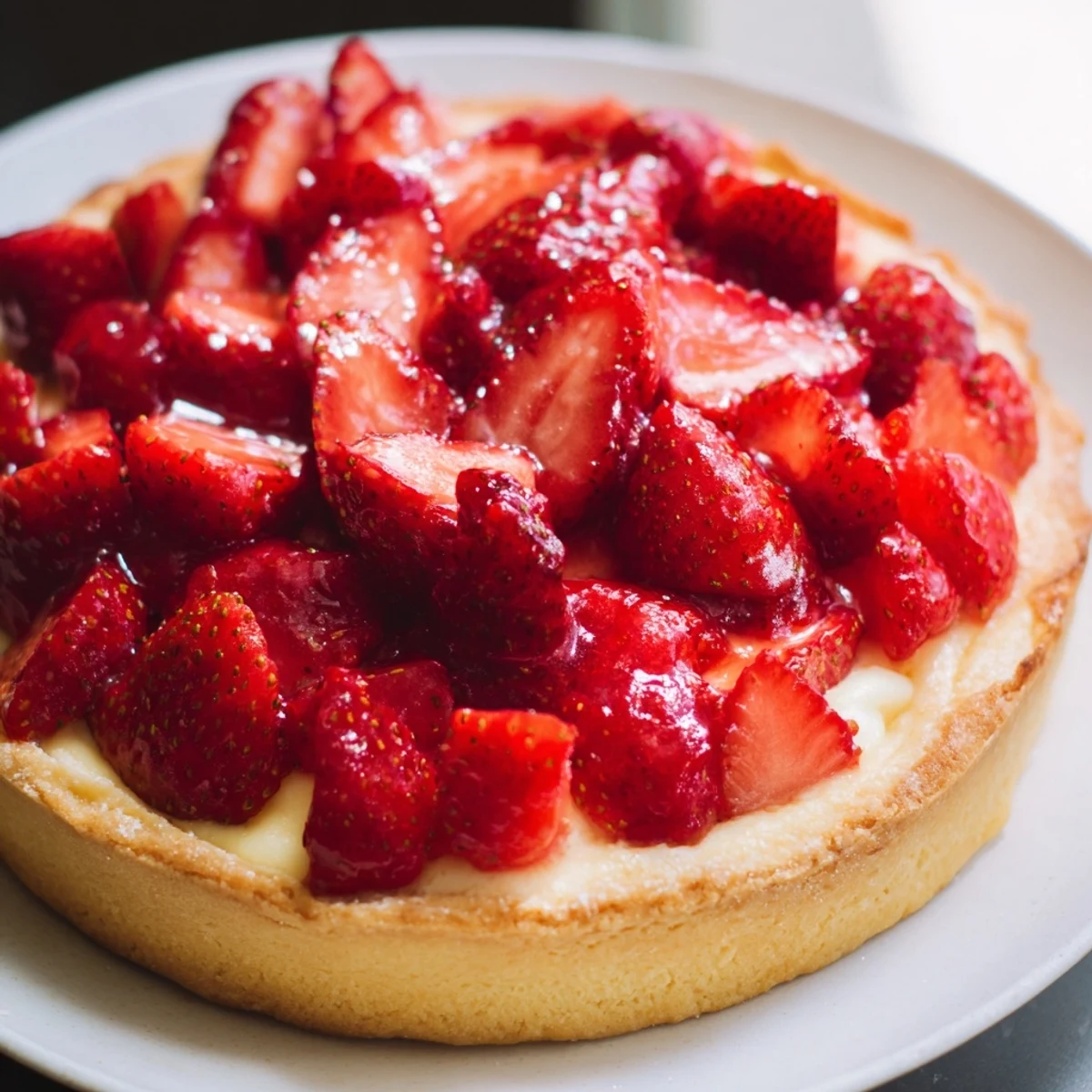 Save
Save At a birthday brunch, my cousin’s four-year-old ended up with bright red strawberry juice streaks across both cheeks from sneaking extra slices while the adults debated the best tart in town. None of us cared who won the argument—everyone agreed that the happiest memories were made right there, fork in hand, corners of pastry disappearing fast.
How to Make the Most of Your Fruit
The tarte’s star ingredient is only as good as your strawberries, so avoid underripe or over-soft berries. I like to taste one before arranging, and, if you have a little time, macerate slices lightly with a whisper of sugar and lemon zest for extra summery punch.
Shortcuts and Variations That Work
If you’re pressed for time, a ready-made tart shell gets you straight to the creamy and fruity parts, no judgment. Sometimes swapping apricot glaze for a bit of warmed orange marmalade changes the flavor profile and adds a gentle citrus note that plays nicely with strawberries.
Presentation Tricks and Serving Ideas
Nothing catches the eye like a tart in a pretty dish, especially when strawberries fan out in brilliant spirals or playful clusters. Serving with a cloud of barely-sweetened whipped cream makes it feel even more festive.
- If you slice before a full hour’s chill, things might get a little messy, but the taste is still divine.
- Save leftover tart in the fridge—the crust softens but the flavor only grows richer by day two.
- Brush the glaze all the way to the tart’s edge for an extra sparkle and first-bite wow factor.
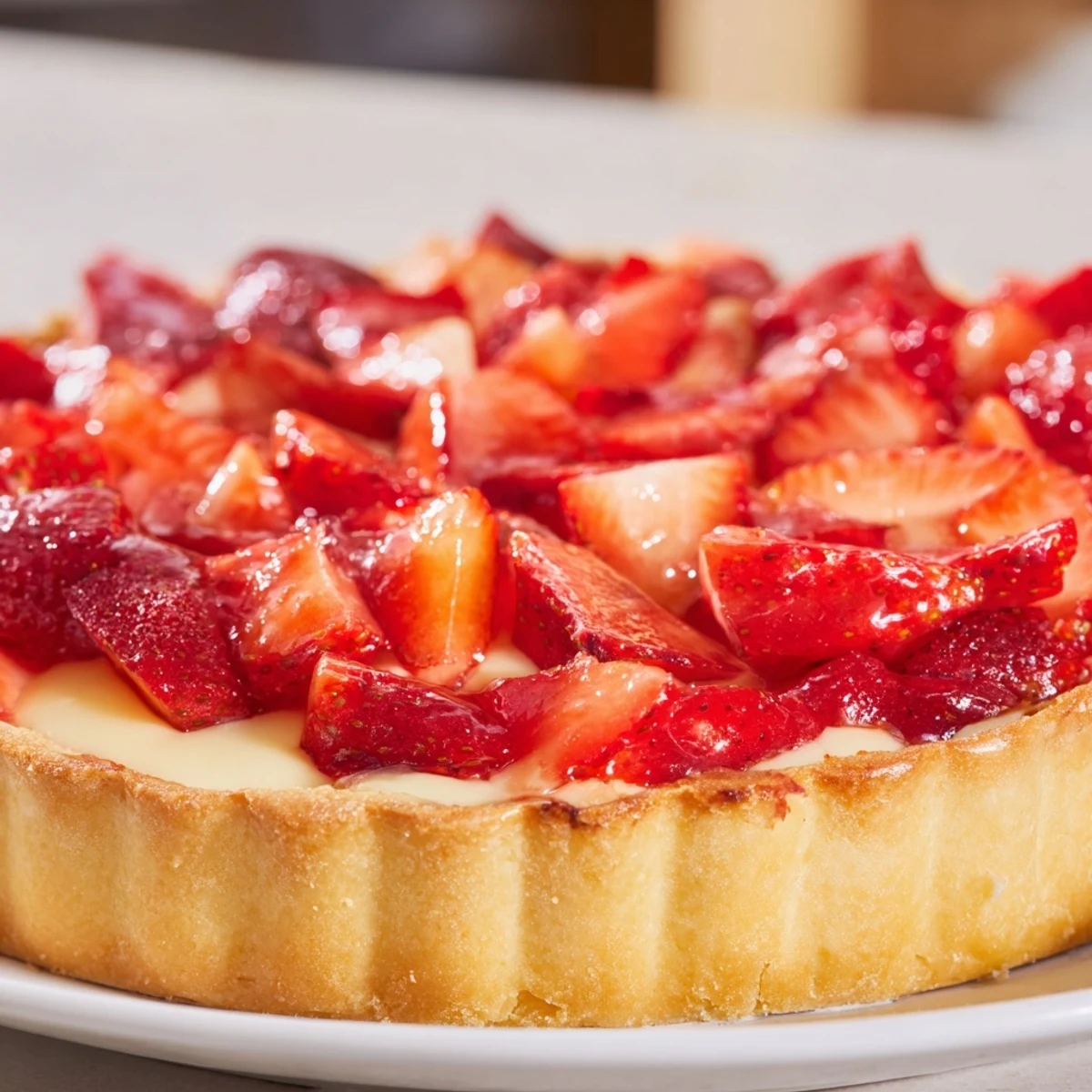 Save
Save If a single slice can spark conversation and laughter, then it’s more than dessert—it’s the centerpiece of the evening. Hope you’ll enjoy sharing this French classic as much as I always do.
Recipe FAQ
- → Comment éviter une pâte sablée trop friable ?
-
Travaillez le beurre et la farine du bout des doigts sans trop chauffer la pâte, ajoutez l'œuf pour lier et laissez reposer 30 minutes au frais pour faciliter le façonnage et la tenue à la cuisson.
- → Comment obtenir une crème pâtissière bien lisse ?
-
Tamisez la maïzena, incorporez un peu de lait chaud aux jaunes avant de remettre sur le feu et fouettez sans cesse jusqu'à épaississement pour éviter les grumeaux.
- → Peut-on remplacer la maïzena par de la farine ?
-
Oui, mais la maïzena donne plus de légèreté et de finesse. Avec de la farine augmentez légèrement la durée de cuisson pour bien cuire l'amidon.
- → Comment conserver la tarte après montage ?
-
Conservez-la au réfrigérateur, couverte légèrement pour protéger le nappage. Consommez sous 48 heures pour préserver la texture des fraises.
- → Quelle astuce pour un nappage brillant uniforme ?
-
Chauffez la confiture d'abricot avec un peu d'eau jusqu'à fluidité, tamisez si nécessaire et appliquez au pinceau en fines couches pour un fini régulier.
- → Comment adapter la garniture selon la saison ?
-
Remplacez ou complétez les fraises par des fruits rouges de saison ou ajoutez un zeste de citron à la crème pour une touche acidulée.