
 Save
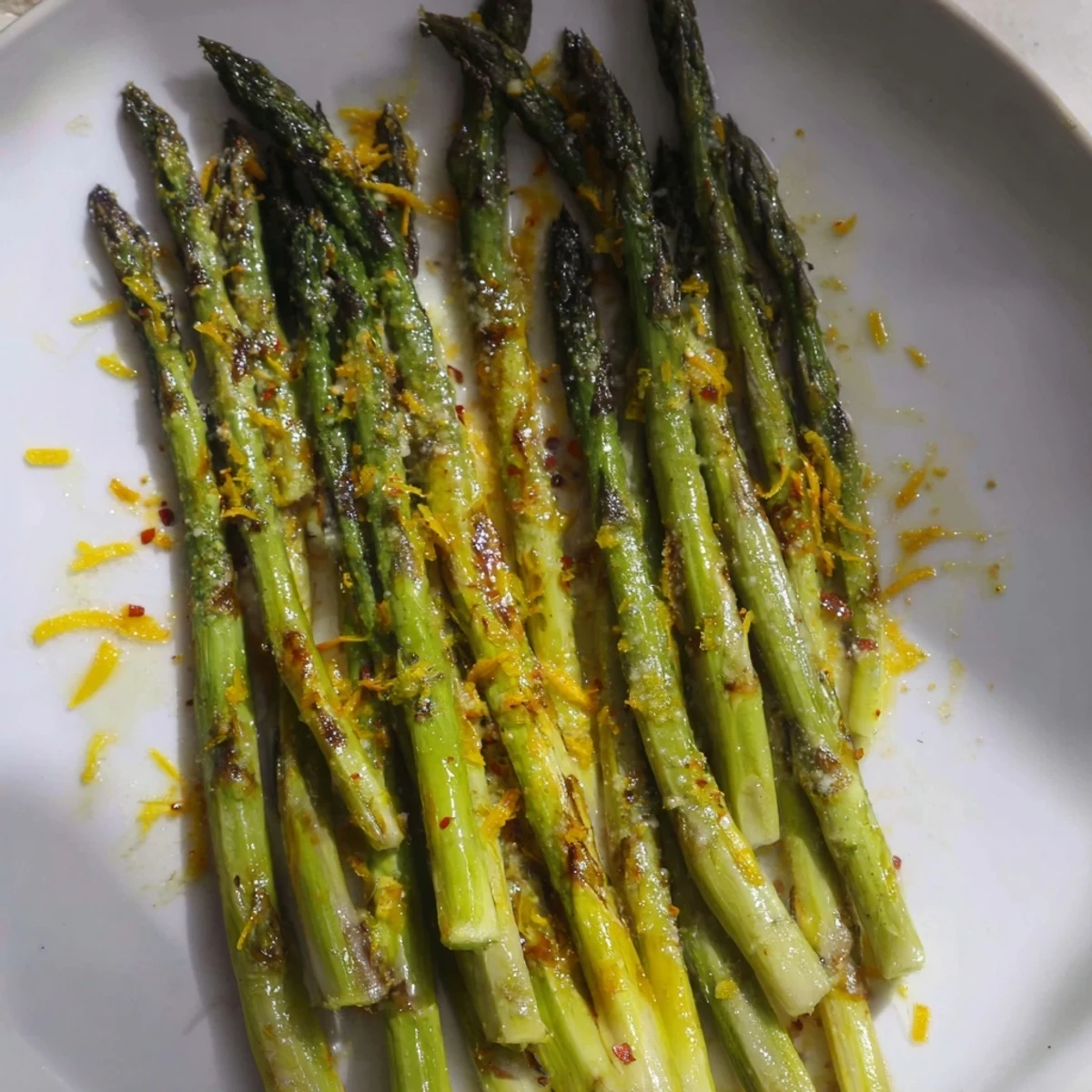
Save This dish features tender asparagus spears roasted until slightly caramelized, creating a flavorful texture. Bright lemon zest and juice are added immediately after roasting to lift the natural earthiness, while a drizzle of olive oil and seasoning enhances depth. Optional Parmesan adds a savory finish, with possibilities for vegan adaptation. Quick to prepare and ideal as a fresh, healthy side.
I discovered the magic of roasted asparagus on a spring evening when I had unexpected dinner guests arriving in just an hour. Rummaging through my crisper drawer, I found a bunch of fresh asparagus and decided to take a chance on a simple roasting approach. The transformation that happened in that hot oven was nothing short of miraculous—what started as tender green spears emerged caramelized and slightly crispy at the edges, and when I hit them with bright lemon zest, they became the star of the table.
That first time I made this for guests, I remember standing at my oven door watching the asparagus transform from bright green to golden, and thinking "this is so simple, why did I ever complicate it?" Now it's become my go-to whenever I want to feel like I've nailed something without overthinking it.
Ingredients
- Fresh asparagus (1 lb or 450 g), trimmed: Look for spears that are vibrant green with firm tips—they should snap crisply when you bend them slightly. The younger, thinner spears tend to cook more evenly and have a delicate texture that's harder to mess up.
- Extra-virgin olive oil (2 tbsp): This is where quality matters because it's one of just a handful of ingredients. A good olive oil adds fruity, peppery notes that dance beautifully with the lemon.
- Sea salt (1/2 tsp): Fine sea salt dissolves better and seasons more evenly than kosher salt in a quick roast like this.
- Freshly ground black pepper (1/4 tsp): Always grind it fresh right before cooking—pre-ground pepper loses its punch and you want that subtle bite here.
- Lemon (1), zested and juiced: The zest is where the brightness lives, so use a microplane to get those fine, fragrant shards. Fresh lemon juice squeezed while the asparagus is still hot creates little pockets of brightness throughout.
- Grated Parmesan cheese (2 tbsp), optional: If you go this route, use real Parmigiano-Reggiano that you grate yourself—the pre-grated stuff won't melt and distribute the same way, and you deserve better than that.
Instructions
- Get Your Oven Ready:
- Preheat your oven to 425°F (220°C) and line a baking sheet with parchment paper. Give the oven a good 10 minutes to fully heat up—this high temperature is what creates that desirable caramelization on the outside while keeping the inside tender.
- Prep the Asparagus:
- Trim the woody ends off your asparagus spears by grasping them about 2 inches from the bottom and bending gently until they snap naturally—they'll break exactly where the tender part begins. Arrange the trimmed spears in a single layer on your prepared baking sheet.
- The Magic Coating:
- Drizzle the olive oil generously over the asparagus, then sprinkle with sea salt and freshly ground black pepper. Using your hands or tongs, toss everything together gently but thoroughly, making sure each spear gets a light coating of oil. You want them evenly dressed so they'll roast uniformly.
- Into the Heat:
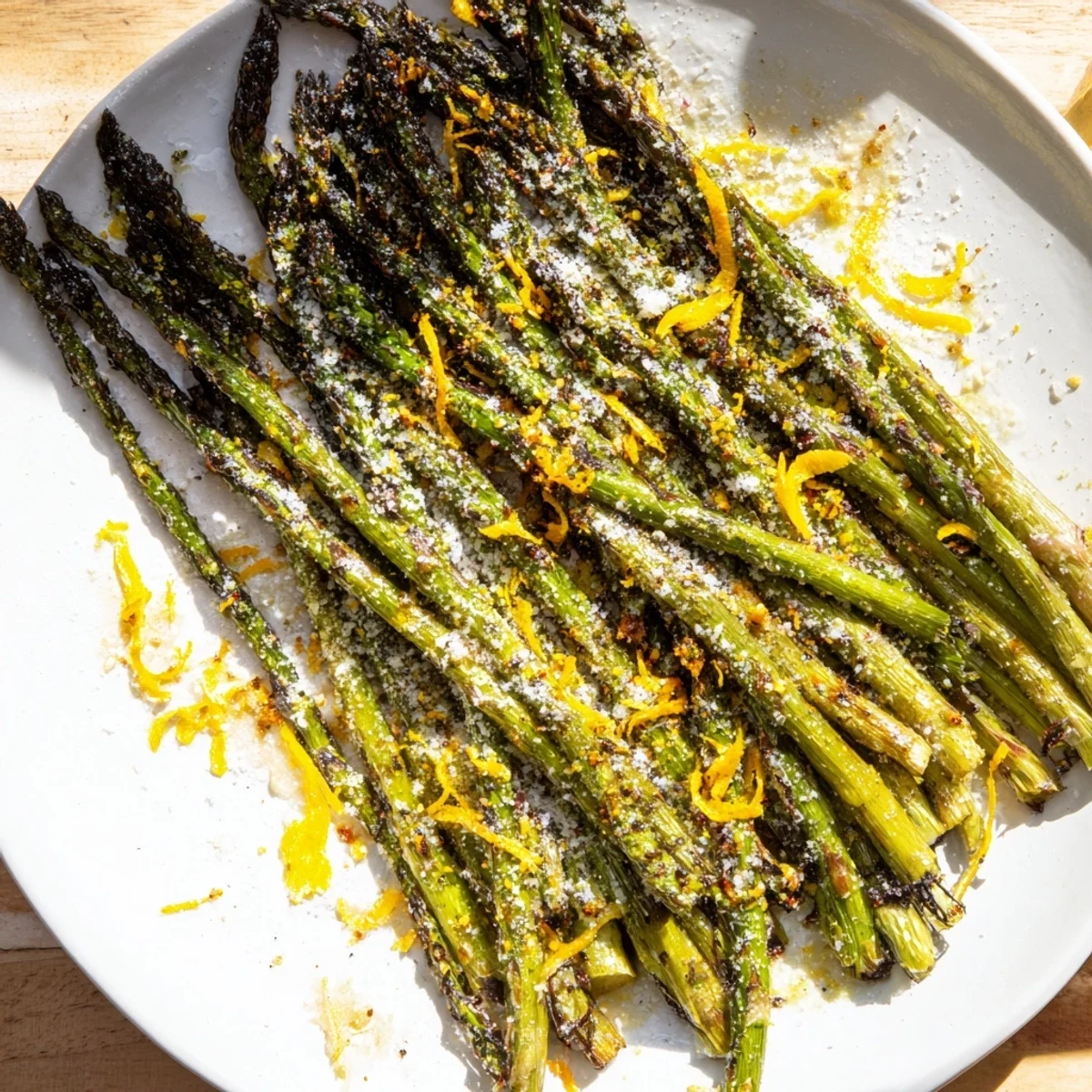
- Slide the baking sheet into your hot oven and roast for 12–15 minutes. About halfway through (around the 6–7 minute mark), give the pan a gentle shake or use tongs to turn the spears, ensuring they brown on all sides. You're looking for tender asparagus with caramelized, slightly crispy edges that have just started to char in spots.
- The Bright Finish:
- The moment the asparagus comes out of the oven is critical—immediately scatter the fresh lemon zest over the hot spears and squeeze fresh lemon juice over them. The heat will intensify the lemon's fragrance, and the juice will create little bursts of brightness. If you're using Parmesan, this is when to grate it over the top while everything is still warm so it softens slightly.
 Save
Save There was a moment during a quiet spring dinner when my daughter took her first bite and looked genuinely surprised at how something so simple could taste so good. That's when I realized this recipe isn't just about vegetables—it's about how the right technique and timing can turn humble ingredients into something memorable.
Keeping It Fresh
Roasted asparagus is best served immediately while it's still warm and those edges are at their crispiest. If you need to make it a bit ahead of time, you can roast it and let it cool to room temperature, then serve it as a warm salad component alongside grilled fish or chicken. For the next day, reheat gently in a 350°F oven for about 5 minutes—it won't have quite the same magic as fresh roasted, but it's still delicious.
When You're Missing Something
One of the beautiful things about this recipe is how forgiving it is. Don't have a microplane? Use a vegetable peeler to create lemon zest ribbons, or even just grate the lemon on a box grater. No fresh lemon? A squeeze of quality bottled lemon juice works in a pinch, though it won't have quite the same liveliness. And if Parmesan isn't in your pantry, the asparagus is delicious entirely on its own—the olive oil and lemon are really the stars here.
Serving Ideas That Clicked
I've learned that roasted asparagus with lemon zest pairs beautifully with almost any spring or early summer meal. Serve it alongside grilled salmon, pan-seared chicken breast, or roasted halibut for a restaurant-quality dinner. It's also wonderful as part of a vegetable platter with other roasted spring vegetables, or tossed into a warm salad with quinoa and feta cheese. For a quick weeknight dinner, I've even piled it onto toast spread with creamy ricotta and drizzled with more good olive oil.
- For a vegan version, skip the Parmesan entirely or use nutritional yeast for a subtle, nutty flavor
- Try adding a pinch of red pepper flakes before roasting if you want a gentle heat that builds as the asparagus cooks
- Don't waste the lemon juice—after zesting and squeezing it over the asparagus, there might be more juice left, and you can drizzle it over your whole plate for an extra bright note
 Save
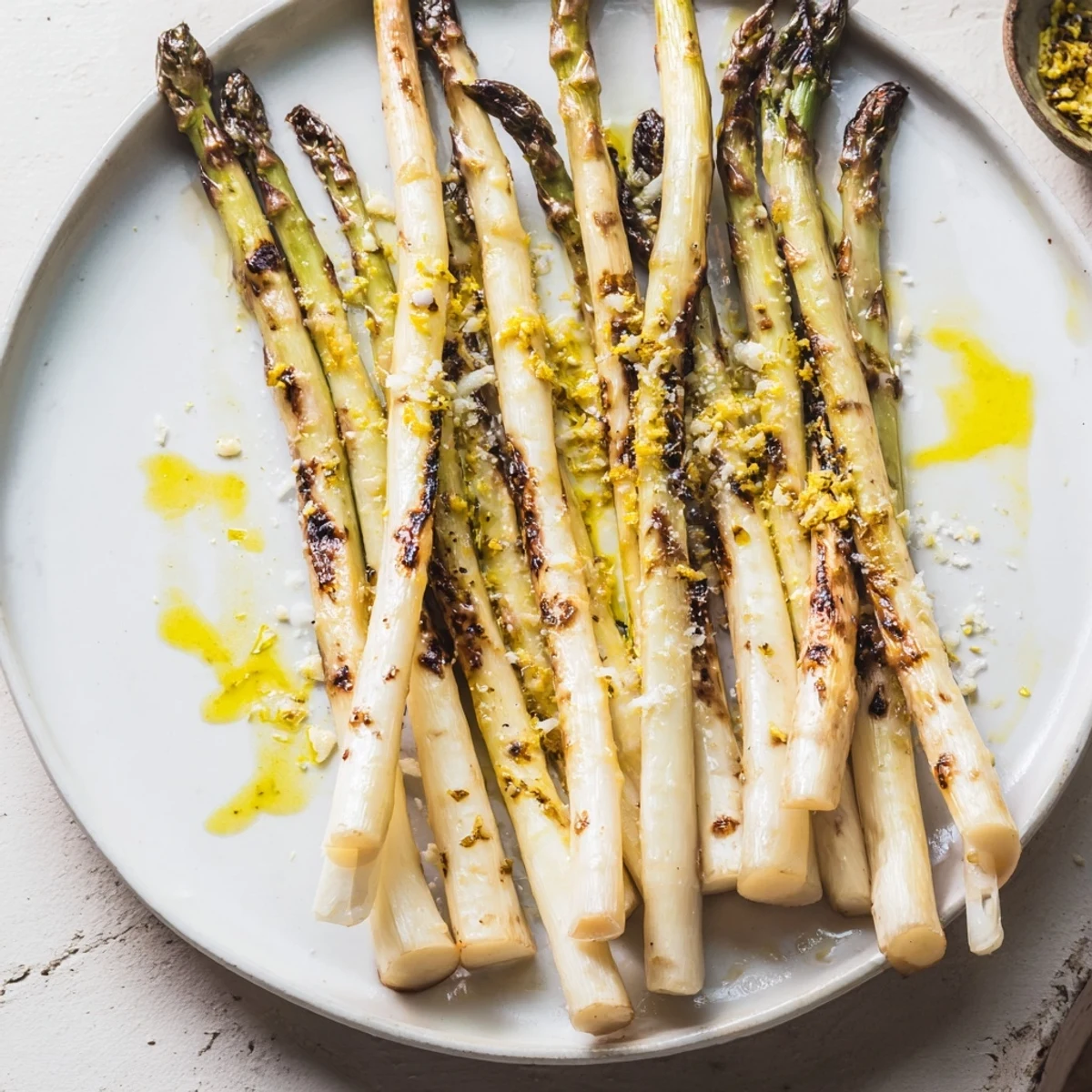
Save This recipe taught me that sometimes the best dishes are the simplest ones, where each ingredient shines without apology. Just asparagus, olive oil, salt, pepper, and lemon—proof that you don't need complexity to create something truly delicious.
Recipe FAQ
- → What oven temperature is best for roasting asparagus?
-
Roasting asparagus at 425°F (220°C) ensures even cooking and slight caramelization, enhancing flavor and texture.
- → How do you know when asparagus is tender?
-
Asparagus is tender when it can be easily pierced with a fork and has a slight softness but still maintains some firmness.
- → Can I prepare this dish vegan?
-
Yes, simply omit the Parmesan cheese or substitute it with nutritional yeast for a dairy-free flavor boost.
- → What adds brightness to the roasted asparagus?
-
Fresh lemon zest and a squeeze of lemon juice added after roasting add vibrant citrus notes that brighten the flavors.
- → Is it important to toss asparagus in oil before roasting?
-
Yes, coating asparagus in olive oil ensures even roasting and helps develop a caramelized, tender texture.