
 Save
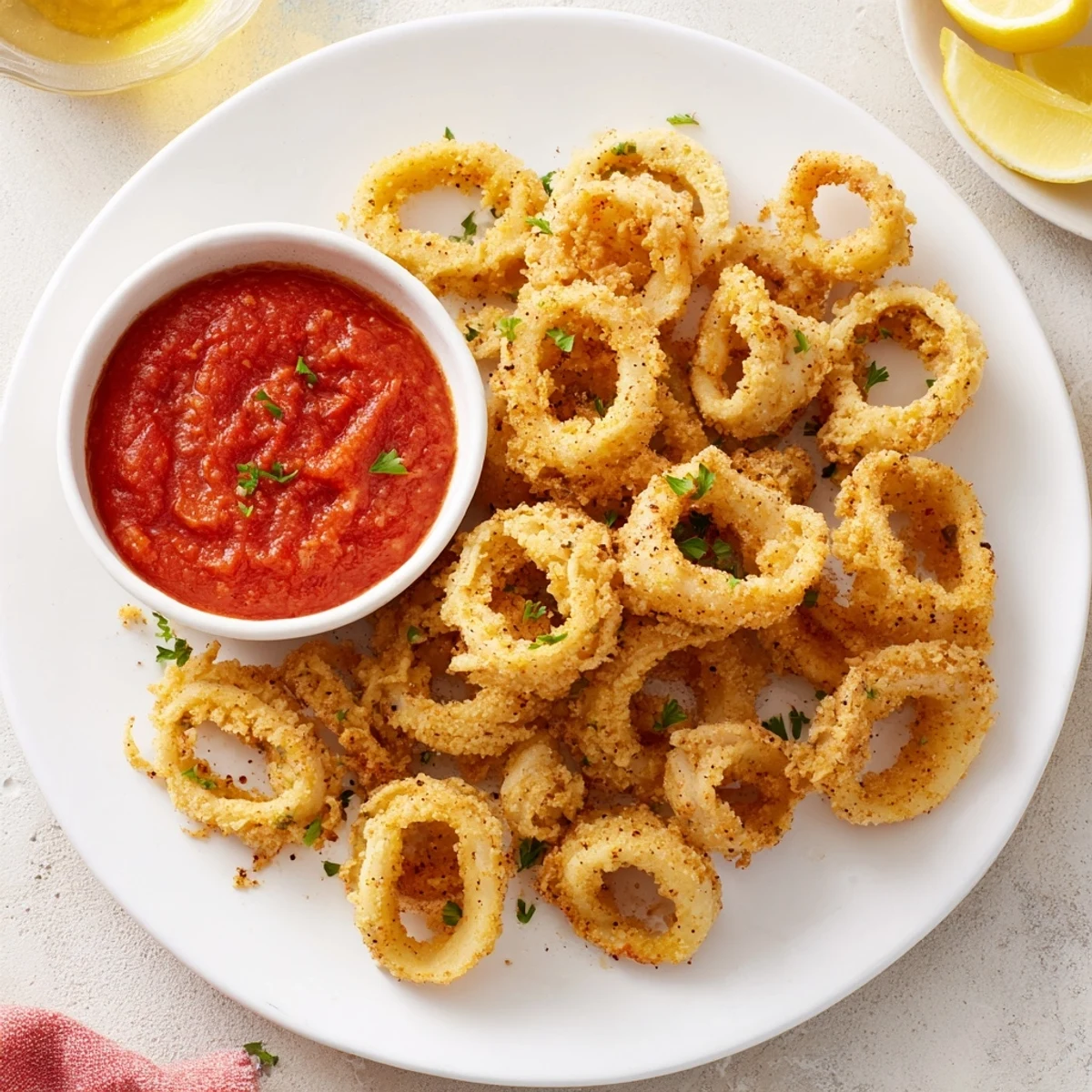
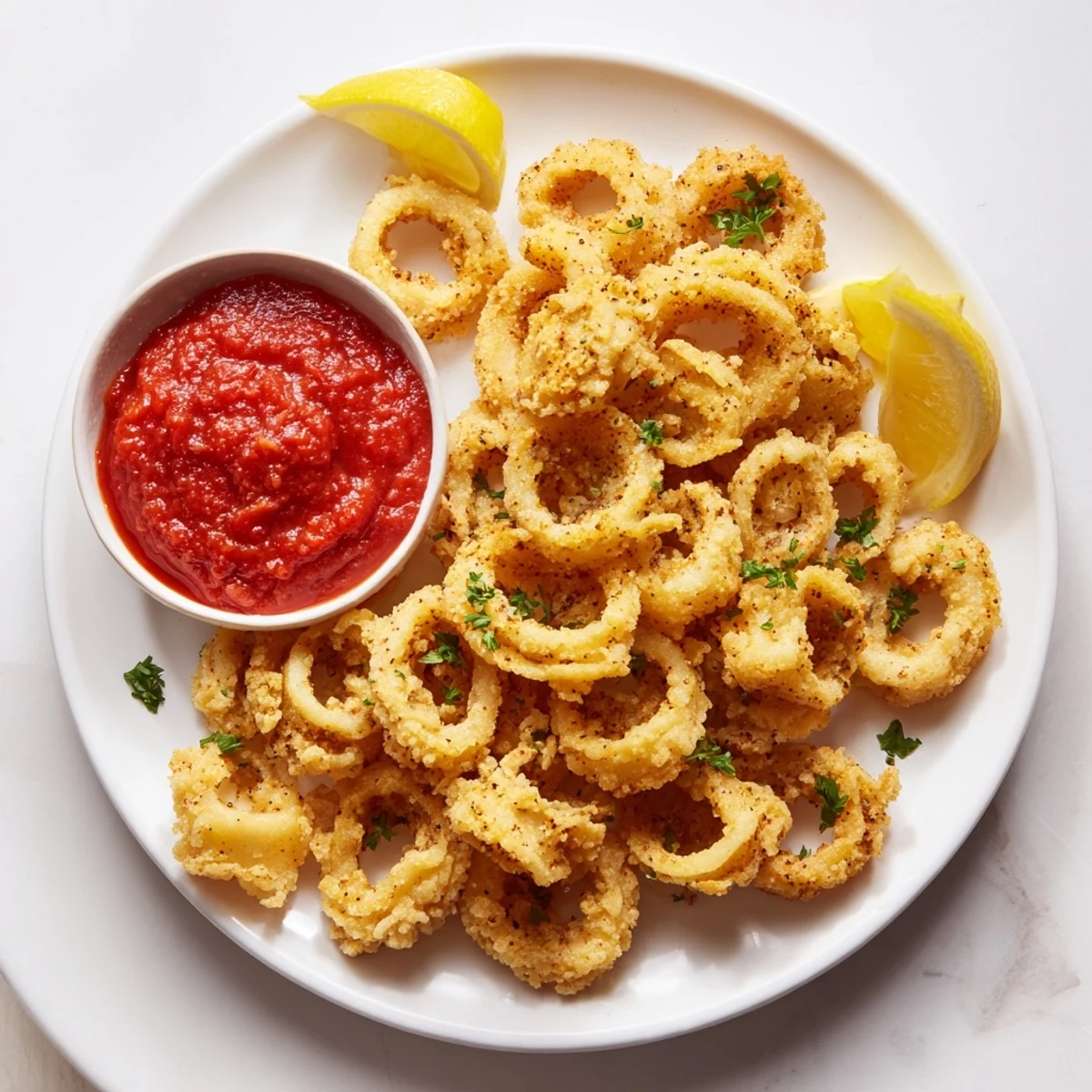
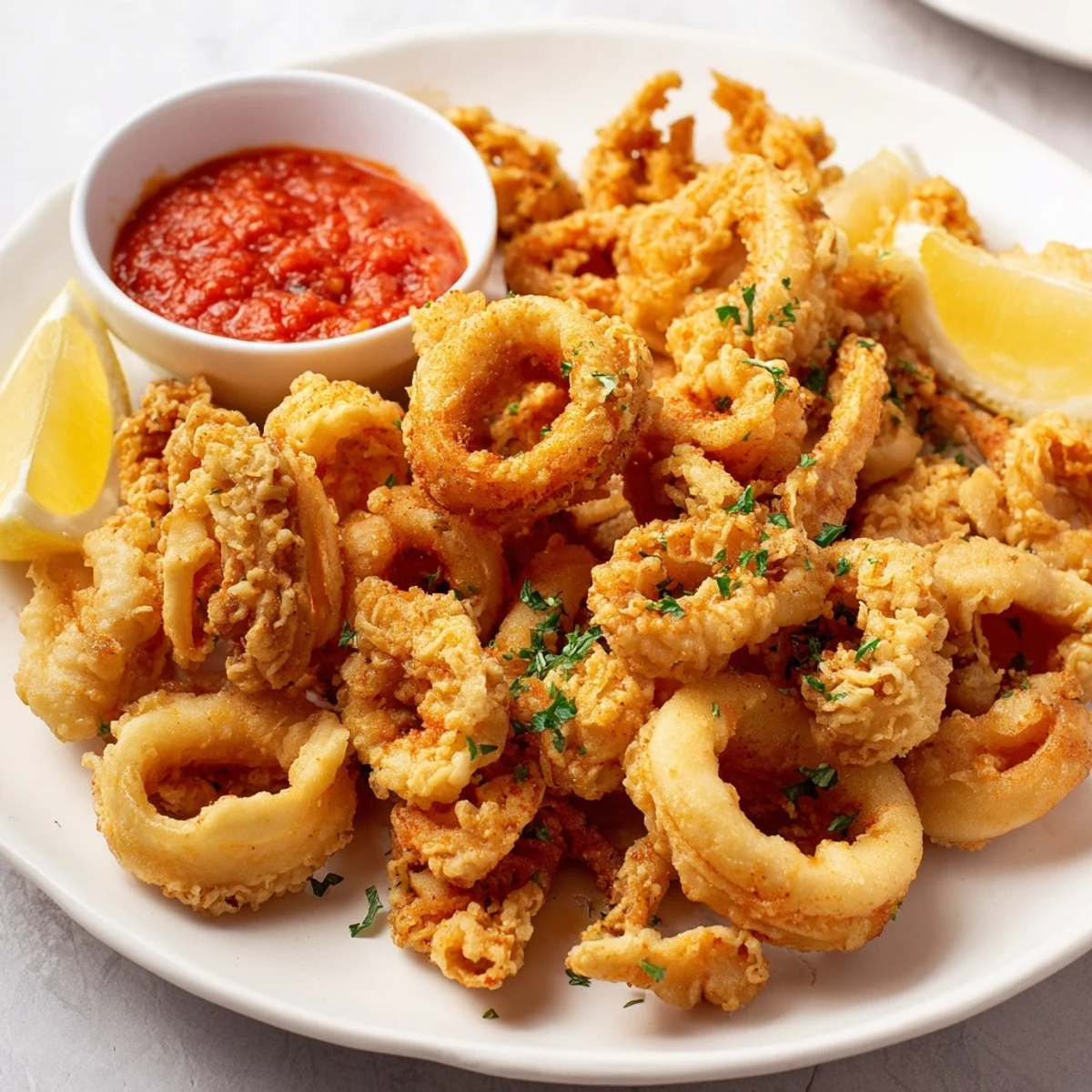
Save Experience tender calamari rings marinated in buttermilk, coated in a seasoned flour and cornstarch batter, then fried to a crisp golden finish. Paired with a vibrant, homemade marinara sauce crafted from sautéed garlic, crushed tomatoes, and herbs, this dish offers a perfect balance of crunch and tang. Garnished with fresh parsley and lemon wedges, the combination creates a delightful starter ideal for sharing. The preparation and cooking take approximately 35 minutes, making it a satisfying yet approachable option for any occasion.
I was standing at a beachside market in Monterey when a vendor handed me a tiny paper cone of just-fried calamari. The crunch was impossibly light, the squid inside silky and sweet, and I knew I had to chase that texture at home. After a few rubbery disasters and one kitchen covered in flour, I finally cracked the code: buttermilk for tenderness, cornstarch for shatter, and a blazing hot oil that doesn't forgive hesitation.
The first time I made this for friends, I panicked halfway through because the oil started smoking and I thought I'd ruined everything. Turns out I'd just set the heat too high, but once I dialed it back and dropped in the first batch, the kitchen filled with that unmistakable carnival-food sizzle and everyone wandered in like moths to a flame. We ate straight from the paper towels, fingers sticky with lemon juice, and I didn't even plate it properly until the second round.
Ingredients
- Fresh or thawed cleaned calamari: Look for tubes that are pale white or ivory, not gray or slimy, and if you can find tentacles too, fry those up because they get extra crispy and everyone fights over them.
- Buttermilk: The slight acidity tenderizes the squid and helps the breading cling like glue, so don't skip the soak even if you're in a rush.
- All-purpose flour and cornstarch: This duo creates a shatteringly crisp crust that doesn't turn soggy, and the cornstarch is the secret weapon most restaurants won't tell you about.
- Smoked paprika: It adds a subtle warmth and color without overpowering the delicate squid, and I've found it makes people ask what the mystery spice is.
- Cayenne pepper: A small pinch brings just enough heat to wake up your tongue without making anyone reach for water, but you can leave it out if you're serving kids.
- Canned crushed tomatoes: I prefer San Marzano if I can find them, because they're naturally sweeter and less acidic, which means you don't have to add much sugar to balance the sauce.
- Garlic cloves: Mince them finely so they melt into the marinara and don't catch on your teeth, and use fresh because the jarred stuff tastes flat and sad.
- Vegetable oil for frying: Pick something neutral with a high smoke point like canola or peanut oil, and make sure you have enough to submerge the calamari completely or it won't cook evenly.
- Lemon wedges: A hard squeeze of lemon right before you bite in cuts through the richness and makes the whole thing taste brighter and less heavy.
Instructions
- Prep the calamari:
- Slice the tubes into half-inch rings with a sharp knife, then pat them bone-dry with paper towels because any moisture will make the oil sputter and the breading slip right off. If the tentacles are large, halve them so they cook at the same speed as the rings.
- Marinate in buttermilk:
- Toss the calamari with buttermilk, salt, and black pepper in a bowl, then cover and refrigerate for exactly 15 minutes. Any longer and the squid can start to break down and turn mushy, so set a timer and don't wander off.
- Make the marinara:
- Heat olive oil in a saucepan over medium heat until it shimmers, then add the minced garlic and stir constantly for about a minute until it smells sweet and toasty but hasn't turned brown. Pour in the crushed tomatoes, oregano, basil, red pepper flakes, sugar, salt, and black pepper, then let it simmer uncovered for 10 to 12 minutes, stirring every few minutes so nothing sticks to the bottom.
- Mix the breading:
- In a shallow bowl, whisk together the flour, cornstarch, smoked paprika, garlic powder, cayenne, and salt until it's evenly blended and there are no lumps. This is your magic dust, and it should smell warm and a little smoky when you lean in close.
- Heat the oil:
- Pour vegetable oil into a deep pot or fryer until it's at least three inches deep, then heat it to 180 degrees Celsius or 350 degrees Fahrenheit. Use a thermometer if you have one, or test by dropping in a pinch of flour and it should sizzle immediately and rise to the surface without burning.
- Coat the calamari:
- Pull the calamari from the buttermilk one handful at a time, letting the excess drip back into the bowl, then toss them in the flour mixture and shake gently in a sieve or colander to get rid of any clumps. The coating should look thin and even, not caked on like breaded chicken.
- Fry in batches:
- Carefully lower the calamari into the hot oil in small batches so the temperature doesn't drop, and fry for about 1 and a half to 2 minutes until they turn pale gold and float to the top. Don't walk away because they go from perfect to rubbery in seconds, and use a slotted spoon or spider strainer to fish them out quickly.
- Drain and season:
- Transfer the fried calamari to a plate lined with paper towels and hit them with a pinch of flaky salt while they're still steaming hot. The salt sticks better and the flavor blooms instantly, so don't wait until they cool down.
- Serve immediately:
- Pile the calamari on a platter with the warm marinara sauce in a small bowl, scatter lemon wedges around the edge, and finish with a handful of chopped parsley if you want it to look fancy. Eat them right away because they're never better than in the first five minutes out of the oil.
 Save
Save I remember watching my neighbor's Italian grandmother make this on her back porch one summer, and she told me the secret to good calamari is cooking it fast and hot like you're mad at it. She was right, and now every time I drop those rings into crackling oil and hear that violent sizzle, I think of her laughing and wiping her hands on her apron, saying that fear makes bad cooks and confidence makes crispy squid.
How to Pick the Best Calamari
Fresh calamari should smell like clean ocean water, not fishy or sour, and the flesh should bounce back when you press it with your finger. If you're buying frozen, look for individually quick-frozen tubes because they thaw more evenly and don't turn mushy, and avoid anything that's been sitting in a puddle of ice or has freezer burn around the edges. I've had great luck at Asian markets where the turnover is high and the seafood counter actually smells like the sea instead of ammonia.
Double-Dip for Extra Crunch
If you want calamari that shatters when you bite it, dip the breaded rings back into the buttermilk after the first coating, then dredge them in the flour mixture a second time before frying. It's messier and takes an extra minute, but the double layer creates these crispy little ridges that trap pockets of air and stay crunchy even after they cool. I only do this when I'm trying to show off or when someone specifically requests the crunchiest version possible.
Storing and Reheating Leftovers
Fried calamari is never as good the next day, but if you have leftovers, spread them on a baking sheet and reheat in a 200-degree Celsius oven for about 5 minutes until they crisp up again. Don't use the microwave unless you enjoy sad, limp squid that tastes like regret, and don't store them in an airtight container or they'll steam themselves into submission.
- Let the calamari cool completely before refrigerating, or condensation will ruin the coating overnight.
- Keep the marinara separate so it doesn't soak into the breading and turn everything into tomato mush.
- Reheat in a single layer with space between each piece so the hot air can circulate and revive the crispness.
 Save
Save This dish always disappears faster than I expect, and I've learned to make a double batch if I want any for myself. There's something about hot, crispy calamari and bright marinara that turns everyone into a kid at a boardwalk, and I wouldn't have it any other way.
Recipe FAQ
- → How do you ensure calamari stays tender and not rubbery?
-
Marinating calamari in buttermilk helps tenderize it, and frying it quickly at the right temperature (around 180°C) keeps the texture delicate without becoming chewy.
- → Can the breading be made spicier?
-
Yes, adding cayenne pepper or extra smoked paprika to the flour mixture will give the breading a mild to moderate heat level.
- → What is the best oil for frying calamari?
-
Use a neutral oil with a high smoke point, such as vegetable or canola oil, to achieve a crispy crust without imparting additional flavors.
- → How is the marinara sauce prepared for this dish?
-
The sauce is made by sautéing minced garlic in olive oil, then simmering crushed tomatoes with oregano, basil, red pepper flakes, sugar, salt, and black pepper for 10–12 minutes until thickened.
- → Are there ways to add more crunch to the calamari coating?
-
Double-dipping the calamari in buttermilk and then the breading mixture before frying can enhance the crunchiness significantly.
- → What can be served alongside this dish?
-
Lemon wedges and fresh parsley complement the flavors, while a chilled Pinot Grigio or sparkling wine pairs nicely to balance the richness.