
 Save
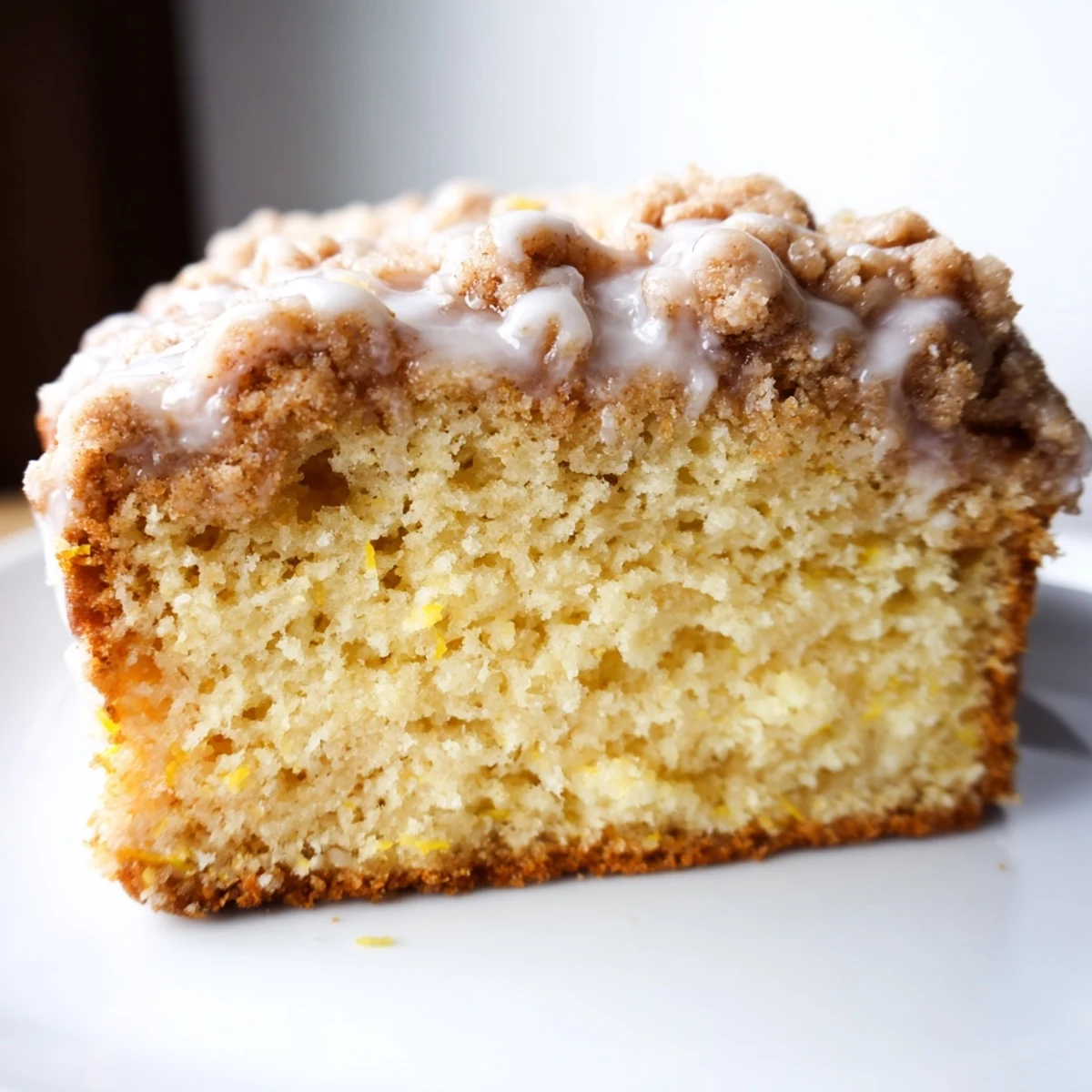
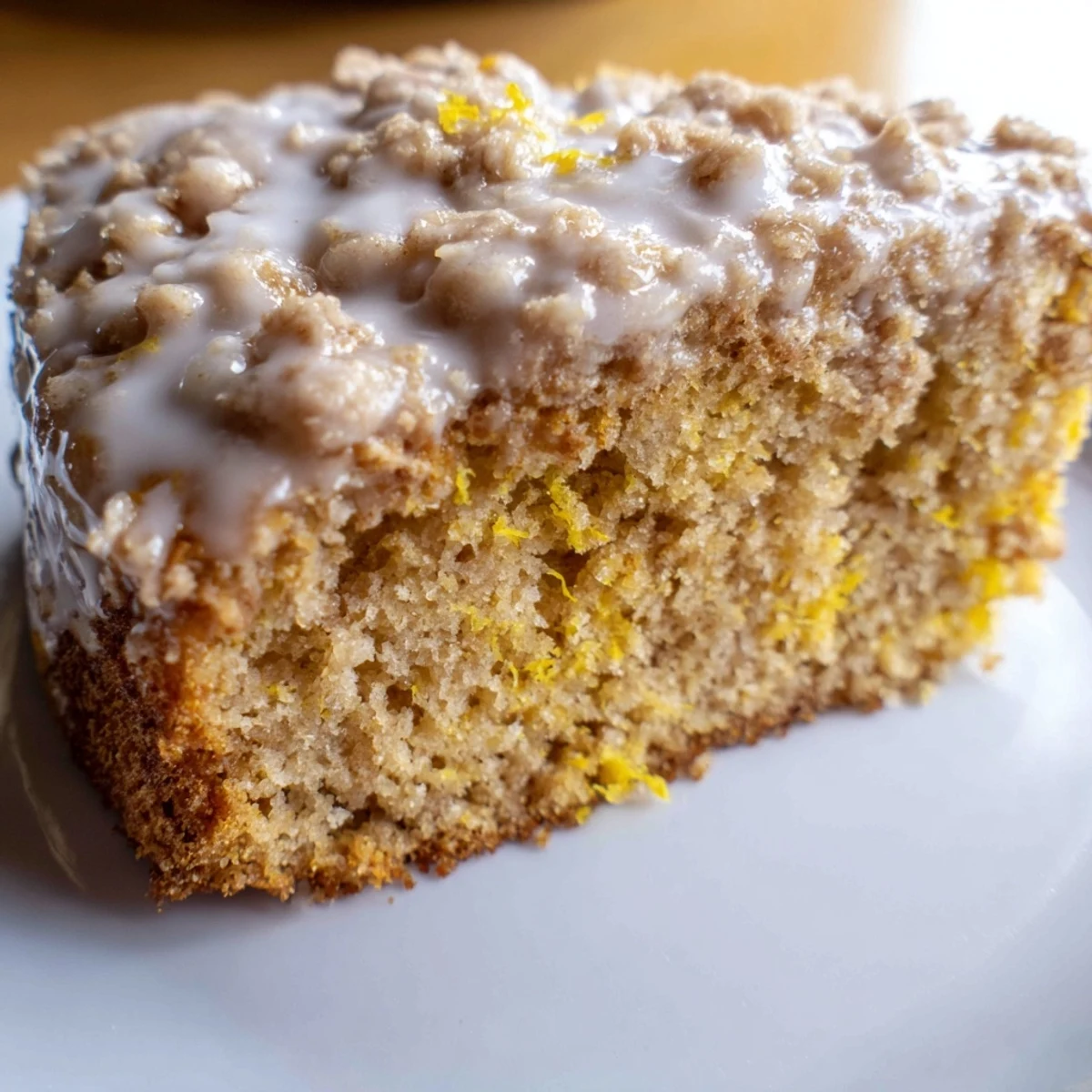
Save This treat features a moist, zesty cake base infused with fresh lemon juice and zest. It's layered generously with a spiced cinnamon crumble that adds a delightful crunch. After baking, a tangy lemon glaze is drizzled over the top for a sweet finish. It is an ideal choice for a leisurely breakfast or a weekend brunch, offering a perfect balance of citrus and spice flavors.
The first time I brought this lemon coffee cake to a Sunday brunch, I wasn't entirely sure if the bright, zesty flavor would land—citrus can be tricky in baked goods, sometimes too sharp or overwhelming. But watching everyone reach for a second slice, still warm from the oven with that cinnamon crumble catching the light, I knew I'd stumbled onto something special. The combination of tart lemon with warm spice felt like a small rebellion against the usual sweet breakfast cake, and the moist crumb kept everyone coming back. Now it's become my go-to when I need something that feels both indulgent and somehow still light.
I remember baking this on a gray March afternoon when my neighbor stopped by unexpectedly, and instead of feeling frazzled about entertaining, I had something warm and fragrant ready within the hour. She sat at my kitchen counter, steam rising from her coffee cup, while the cake cooled just enough to slice. There was something deeply satisfying about that moment—not fancy or fussy, just genuine and generous. That's when I realized this cake isn't really about impressing people; it's about having something honest to share.
Ingredients
- All-purpose flour (2 cups for cake, 1/2 cup for crumble): Whisk your dry ingredients together rather than just stirring them in, as this aerates the flour and helps the cake rise more evenly.
- Granulated sugar and brown sugar: The white sugar in the cake creams with butter to trap air and create lift, while brown sugar in the crumble adds moisture and a subtle molasses depth.
- Unsalted butter: Room temperature for the batter so it incorporates smoothly, but keep the crumble butter cold straight from the fridge—this creates those precious irregular crumbs.
- Eggs: Add them one at a time and let each one fully incorporate; this prevents a grainy texture and ensures a tender crumb.
- Sour cream: Don't skip it or swap it carelessly; it's what keeps this cake moist the next day and adds a subtle tang that brightens the lemon.
- Lemon zest and fresh lemon juice: Zest before juicing your lemons, and don't use bottled juice—the fresh variety makes a dramatic difference in flavor clarity.
- Baking powder and baking soda: These work together to give the cake height and a tender crumb; measure them carefully as too much creates a soapy flavor.
- Vanilla extract: A small amount anchors the lemon flavor and prevents it from feeling one-dimensional.
- Ground cinnamon: Buy it fresh if you can; stale cinnamon tastes dusty and won't bring the warmth this cake needs.
- Powdered sugar for glaze: Whisk it smooth with fresh lemon juice until it's pourable but still coats a spoon—too thin and it runs off, too thick and it sits in lumpy patches.
Instructions
- Prepare your stage:
- Preheat your oven to 350°F and grease your pan generously—I use a combination of butter and flour because it creates a barrier that prevents sticking better than cooking spray alone. This small step saves heartbreak later.
- Build the crumble:
- Combine your dry crumble ingredients, then work in the cold butter with your fingertips or a fork until it looks like coarse breadcrumbs with some pea-sized pieces still visible. Chill it while you make the batter so it stays textured in the oven.
- Cream the foundation:
- Beat softened butter and sugar together for a full 2-3 minutes until it's pale and fluffy—this matters more than you might think, as it's what creates the cake's tender structure. Add eggs one at a time, beating well after each addition.
- Blend in the brightness:
- Stir in lemon zest, juice, and vanilla, mixing just until the color looks even. The batter will look a bit curdled at this point—that's normal and not a sign of failure.
- Combine wet and dry:
- Whisk flour, baking powder, baking soda, and salt together in a separate bowl. Add this mixture to the wet ingredients in three parts, alternating with sour cream, and fold gently—do not overmix or your cake will be tough and gritty.
- Layer with intention:
- Spread half the batter into the prepared pan, scatter half the crumble over it, then add the remaining batter and top with the rest of the crumble. This creates those precious pockets of cinnamon throughout.
- Bake until golden:
- Bake for 40-45 minutes until a toothpick inserted near the center comes out clean or with just a few moist crumbs. The cake should be golden brown on top, and your kitchen will smell like a dream.
- Cool with patience:
- Let it rest in the pan for 20 minutes before turning it out onto a wire rack—this prevents it from falling apart while still warm. It will continue to set as it cools.
- Glaze with finesse:
- Whisk powdered sugar and fresh lemon juice until smooth and drizzle over the completely cooled cake. If the glaze is too thick, add a tiny bit more juice; too thin and whisk in a pinch more sugar.
 Save
Save Years ago, I served this cake at a book club meeting, and someone asked for the recipe right there in my living room, mid-bite, with frosting on their chin. That's when I knew it had transcended being just dessert—it became something people wanted to recreate in their own kitchens, to share with their own families. That feeling of being asked to share something you've made is its own kind of reward.
The Magic of Texture
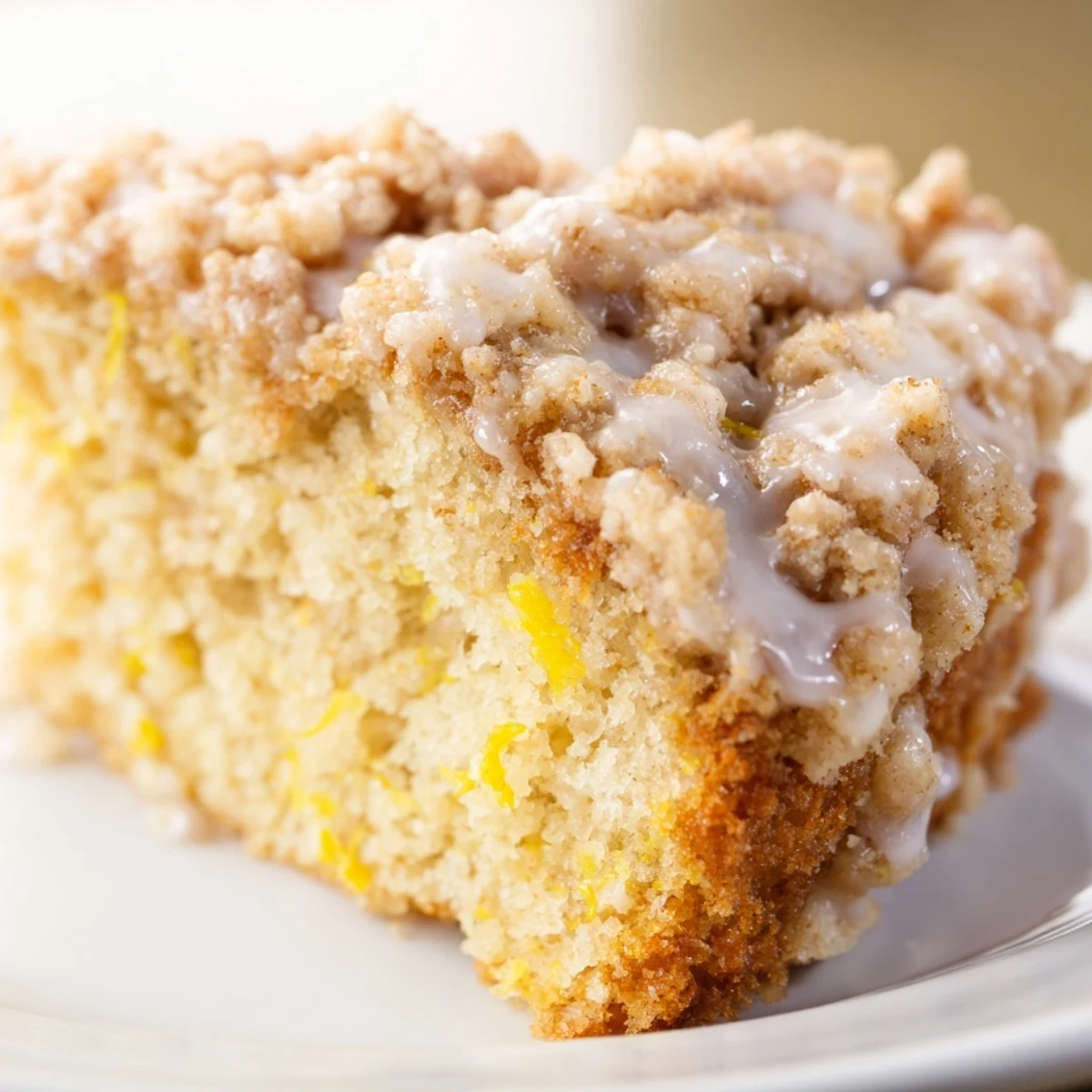
What makes this cake special isn't any single ingredient but the conversation between textures—the soft, moist crumb underneath, the crispy cinnamon crumble on top, and the thin, tangy glaze that adds brightness without heaviness. When you bite into a warm slice, these layers create a little symphony in your mouth. The crumble stays crunchy even after a day because the brown sugar and butter combination creates a toasted exterior that resists moisture. This is why texture matters as much as flavor when baking.
Lemon Wisdom from the Kitchen
Learning to use lemon properly in baking changed everything for me—it's not just about squeezing juice but understanding that the zest carries aromatic oils that juice alone cannot provide. The combination of zest and juice in this cake creates a more complex, less one-dimensional flavor. I've learned that the brightness of lemon can actually make a dessert feel less sweet even when the sugar content is the same, which is why people often feel they can eat more of this cake than a traditional vanilla version.
Serving and Storage
This cake tastes best served warm or at room temperature, with a cup of coffee or tea that echoes its flavor profile. It keeps beautifully in an airtight container for three days, and the crumble remains crispy thanks to the cold butter technique. You can even wrap it tightly and freeze it for up to two weeks, then thaw it at room temperature—it emerges from the freezer tasting almost as fresh as the day you baked it.
- Serve with fresh berries or whipped cream if you want to elevate it, or eat it plain if you want to let the lemon and cinnamon shine.
- If you're bringing it somewhere, leave the glaze off until just before serving to prevent it from becoming sticky in transit.
- Warm a slice gently in a 300°F oven for five minutes to restore its just-baked tenderness.
 Save
Save This lemon coffee cake has become my answer to the question of what to bring, what to bake, what to share. It's humble enough for a weekday breakfast and gracious enough for company, tart enough to feel special but familiar enough to feel like home.
Recipe FAQ
- → Can I use a different pan size?
-
Yes, a 9x13 inch rectangular pan works well, though you may need to adjust the baking time slightly.
- → How should I store leftovers?
-
Keep in an airtight container at room temperature for up to 2 days or refrigerate for up to a week.
- → Can I freeze the baked cake?
-
Wrap individual slices or the whole cake tightly in plastic wrap and freeze for up to 3 months.
- → Is sour cream necessary for the batter?
-
It provides moisture and tang, but you can substitute with an equal amount of Greek yogurt.
- → Can I add nuts to the crumble?
-
Absolutely, adding chopped walnuts or pecans to the crumble mixture adds excellent texture.