 Save
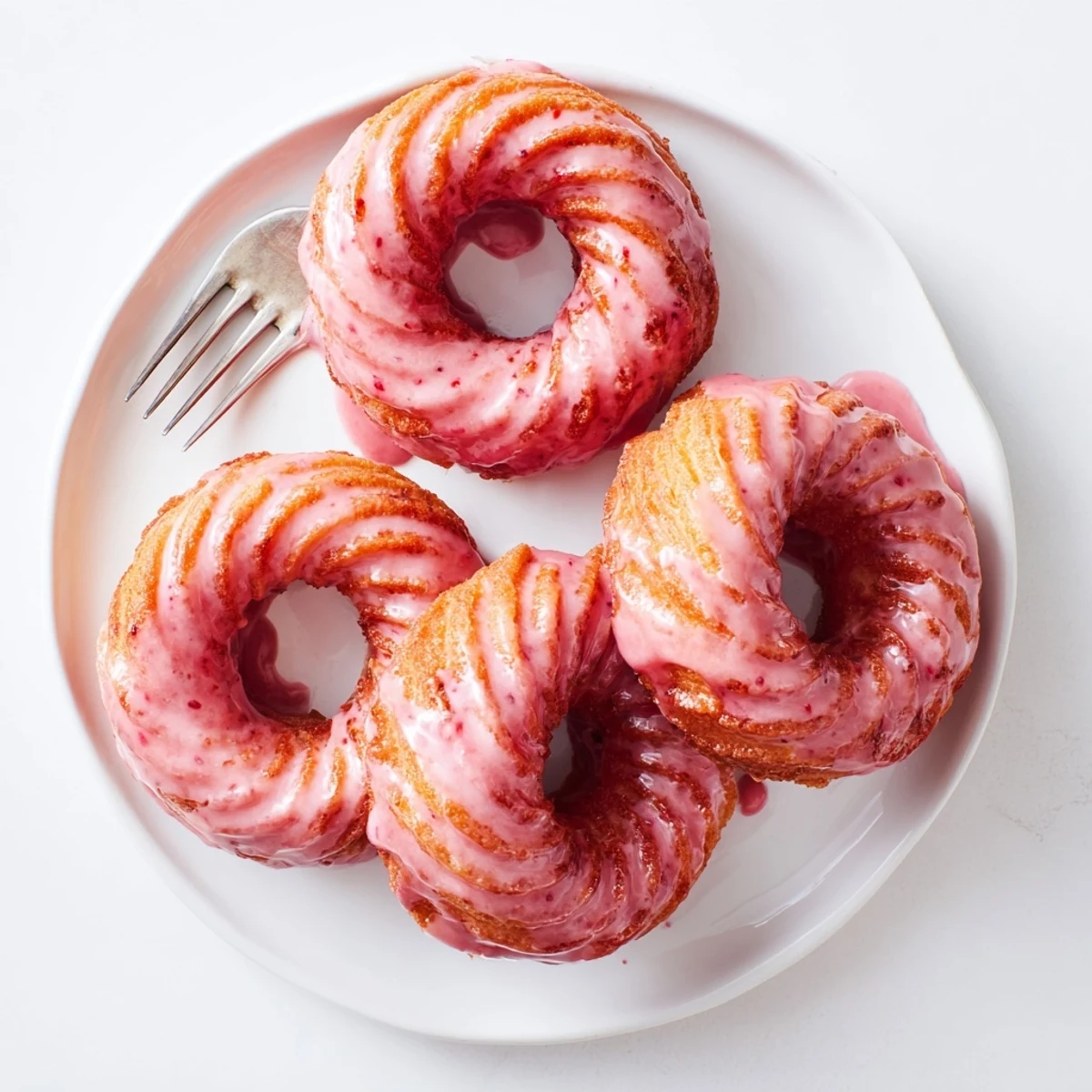
Save French crullers are a classic pastry made from pâte à choux dough, fried until golden and puffed, then finished with a vibrant strawberry glaze.
The dough comes together quickly on the stovetop with water, butter, flour, and eggs. After piping into rings and a brief chill in the freezer, each cruller is fried at 350°F until crisp outside and hollow inside.
A fresh strawberry glaze made with mashed berries, lemon juice, and powdered sugar adds a fruity, tangy sweetness. These are best enjoyed fresh the same day.
The oil crackled and popped the morning I decided crullers were going to be my weekend project, rain hammering the kitchen window while strawberries sat on the counter threatening to go soft. Something about the combination felt reckless and wonderful, frying dough while the world outside turned grey. The first batch came out lumpy and embarrassed looking, but glazed in smashed berry juice they were impossible to stop eating. I made three more batches that month until my hands finally learned what the dough should feel like.
My neighbor Claire knocked on the door one Sunday while I was draining the second batch, drawn by the smell of hot oil and butter drifting through the hallway. She stood in the kitchen doorway with her coffee mug, watching me dip crullers into the pink glaze, and neither of us spoke for a while because our mouths were full. She now texts me every few weeks asking if the oil is hot.
Ingredients
- Water (1 cup, 240 ml): The base of your pate a choux, use filtered if your tap water tastes chlorinated because that subtle flavor concentrates as the dough cooks.
- Unsalted butter (1/2 cup, 115 g, cubed): Cube it cold so it melts evenly into the water without splashing, and unsalted lets you control the seasoning.
- Granulated sugar (1 tablespoon, 12 g): Just enough to give the crust a faint sweetness and help browning without making the dough sweet.
- Salt (1/4 teaspoon): Do not skip this, it wakes up every other flavor in the dough and without it crullers taste flat and forgettable.
- All-purpose flour (1 cup, 125 g): Spoon it into the measuring cup and level off, because packed flour will make dense heavy rings instead of the airy puffs you want.
- Large eggs (4): Room temperature eggs incorporate more smoothly into hot dough, so pull them out while your oil heats.
- Vegetable oil (for frying): Use a neutral oil with a high smoke point like canola or peanut, and fill your pot at least three inches deep.
- Powdered sugar (1 cup, 120 g, sifted): Sifting is nonnegotiable here, lumps in powdered sugar mean lumps in your glaze that catch on the cruller surface.
- Fresh strawberries (3 to 4, hulled): Ripe ones that smell like strawberries and give slightly when pressed will give you the most flavorful juice for the glaze.
- Lemon juice (2 teaspoons): Brightens the berry flavor and keeps the glaze from being cloying, fresh squeezed only.
- Milk (1 to 2 teaspoons, as needed): Whole milk thins the glaze to the right dipping consistency, add it a few drops at a time because you can always add more but cannot take it back.
Instructions
- Set your stage:
- Line two baking sheets with parchment paper and fit a piping bag with a large star tip about half an inch wide. Cut the parchment into squares so you can lift each piped ring directly into the oil without touching it and distorting the shape.
- Build the dough base:
- Combine water, cubed butter, sugar, and salt in a medium saucepan and bring it to a gentle boil over medium heat. Watch for the butter to fully melt before the mixture reaches a rolling bubble.
- Add flour and work fast:
- Pour in all the flour at once and stir vigorously with a wooden spoon until the mixture pulls away from the sides and forms a smooth ball. Keep stirring for another minute to cook out the raw flour taste.
- Cool before eggs:
- Remove the pan from heat and let the dough sit for about five minutes so you do not scramble the eggs in the next step. Press your finger against the dough and if it feels warm but not hot you are ready.
- Incorporate eggs one by one:
- Add each egg separately, beating thoroughly after each one until the batter turns smooth and glossy before adding the next. The dough will look broken and slippery after each addition but keep stirring and it will come back together.
- Pipe the rings:
- Transfer the batter to your prepared piping bag and pipe three inch rings onto the parchment squares, leaving space between each one. Hold the bag at a ninety degree angle and apply even pressure for uniform thickness all the way around.
- Freeze until firm:
- Slide the baking sheets into the freezer for twenty minutes or until the rings are firm enough to lift without collapsing. This step is what helps them hold their ridged shape when they hit the hot oil.
- Fry in gentle batches:
- Heat oil to 350 degrees Fahrenheit in a deep heavy pot and fry crullers three at a time for two to three minutes per side until deeply puffed and golden. Use a slotted spoon to flip them gently and drain each one on a wire rack set over paper towels.
- Make the strawberry glaze:
- Mash the hulled strawberries with lemon juice in a bowl until completely broken down and juicy, then strain through a fine mesh sieve to remove the seeds. Whisk the pink juice into sifted powdered sugar with enough milk to create a thick but pourable glaze that coats the back of a spoon.
- Glaze and set:
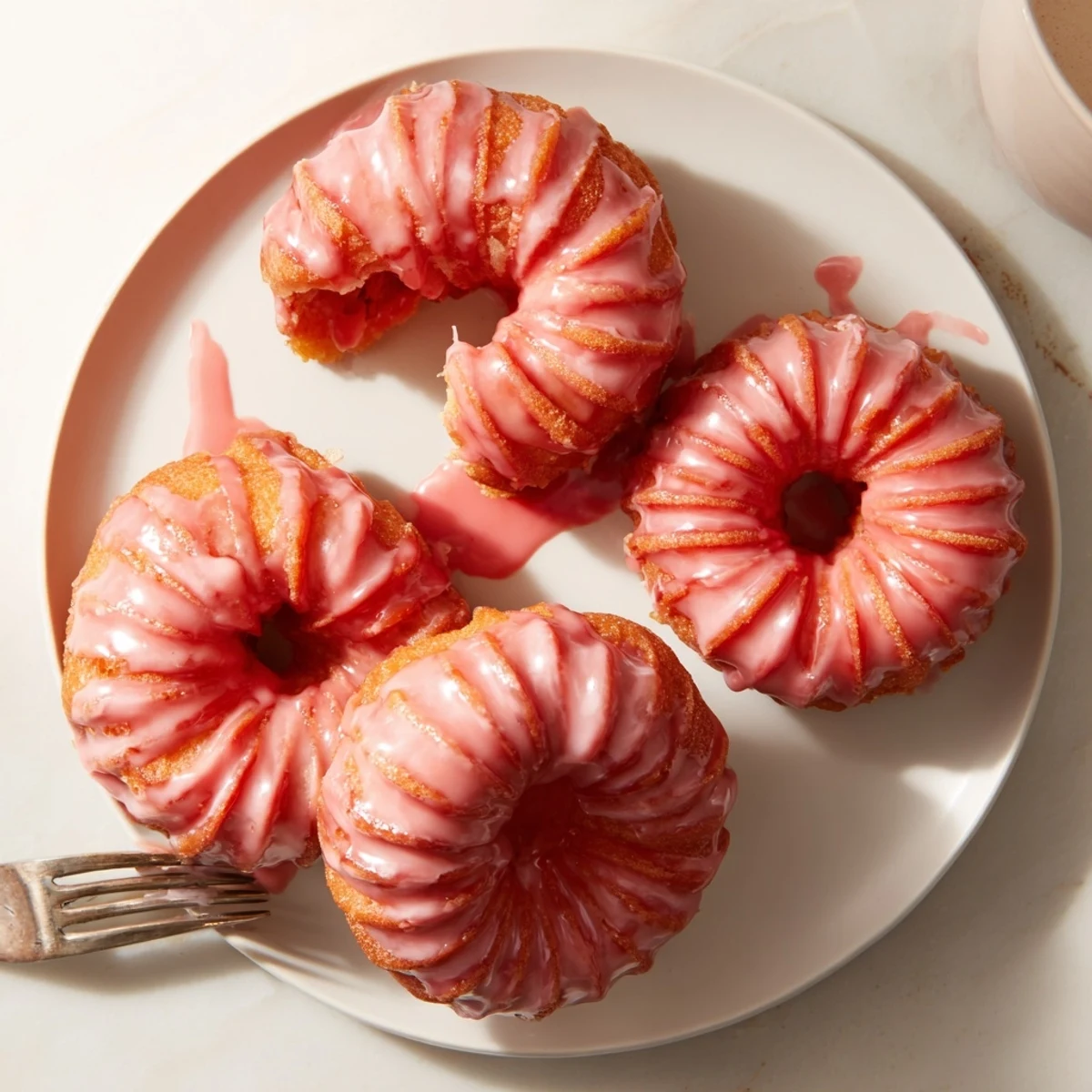
- Dip each cooled cruller top down into the glaze, lift and let excess drip off, then place on a wire rack for about ten minutes until the surface sets into a soft shell. The glaze will still be slightly tacky which is exactly what you want.
 Save
Save The morning I brought a plate of these to the office, three people stopped me in the hallway before I even reached the break room. One coworker from Lyon told me they were the closest thing to the crullers his grandmother made and I nearly cried at my desk. Food does that sometimes, reaches across distance and language before anyone says a word.
Getting That Perfect Hollow Center
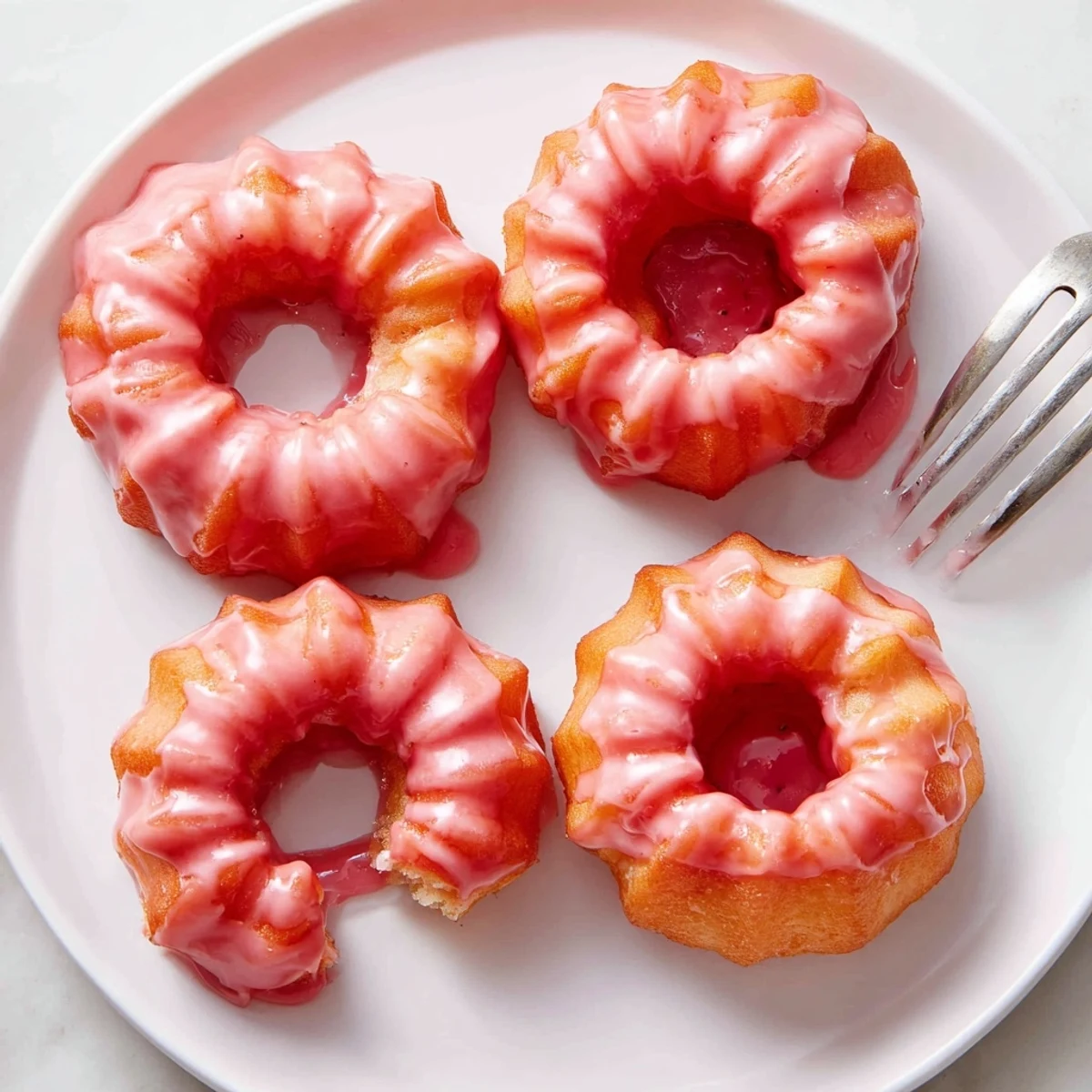
The inside of a great cruller should be mostly empty space with just a few wispy strands of eggy dough clinging to the walls. This happens when the moisture in the dough turns to steam all at once and pushes outward faster than the crust can contain it. High heat matters but so does the freezing step because cold dough hitting hot oil creates a more violent steam reaction. If your crullers come out dense they either were not cold enough or the oil was too low.
Pairing and Serving Ideas
These crullers want something bitter or acidic beside them to cut through the sweetness. A double espresso works beautifully, and so does a cold glass of brut champagne if you are feeling festive. I once served them alongside a bowl of barely sweetened whipped cream with lemon zest folded in and guests kept going back for more of that combination. The glaze also pairs well with fresh fruit on the side, especially tart raspberries or blackberries.
Storage and Making Ahead
Crullers are at their absolute best within two hours of frying, when the exterior still has that delicate crunch. You can pipe and freeze the shaped rings for up to a month, frying them straight from frozen with an extra minute added to the cook time. Glazed leftovers will keep at room temperature for a day but the texture shifts toward chewy which is still pleasant just different.
- Refrigeration makes the glaze weep and the dough tough so always store at room temperature.
- A three hundred degree oven for five minutes can revive day old crullers with surprisingly good results.
- Never microwave them unless you enjoy sad soggy pastry.
 Save
Save Some recipes become fixtures in your kitchen and others are just passing curiosities, but these crullers earned a permanent spot in my rotation the moment that pink glaze hit fried dough. Make them once and you will understand why.
Recipe FAQ
- → Why do my crullers collapse after frying?
-
Crullers usually collapse when the oil temperature drops too low or when they haven't fried long enough. Maintain oil at 350°F and fry until deeply golden on both sides. Under-fried crullers will have raw dough inside that causes them to sink as they cool.
- → Can I bake crullers instead of frying them?
-
Traditional crullers rely on frying for their signature crisp exterior and hollow center. Baking produces a different texture closer to a cream puff. For authentic results, frying in oil at a consistent 350°F is recommended.
- → How do I get the piped ring shape right?
-
Use a piping bag fitted with a large star tip and pipe 3-inch rings onto parchment squares. The star tip creates ridges that help the cruller hold its shape and give the glaze something to cling to. Freezing the piped rings for 20 minutes makes them firm enough to handle.
- → What can I substitute for fresh strawberries in the glaze?
-
Frozen strawberries work well—thaw and mash them the same way. You can also use freeze-dried strawberry powder mixed directly into the powdered sugar for a more concentrated flavor and vibrant pink color.
- → How far ahead can I prepare the pâte à choux?
-
The dough can be made and piped onto parchment up to 24 hours ahead and kept in the freezer. Fry directly from frozen—do not thaw before frying, as the cold dough helps the crullers hold their shape in the hot oil.
- → Why is my pâte à choux dough runny?
-
Runny dough usually means the eggs were added while the mixture was too hot, or too many eggs were incorporated. Let the flour-butter mixture cool for 5 minutes before adding eggs one at a time. The finished dough should be smooth, glossy, and hold its shape when piped.