
 Save
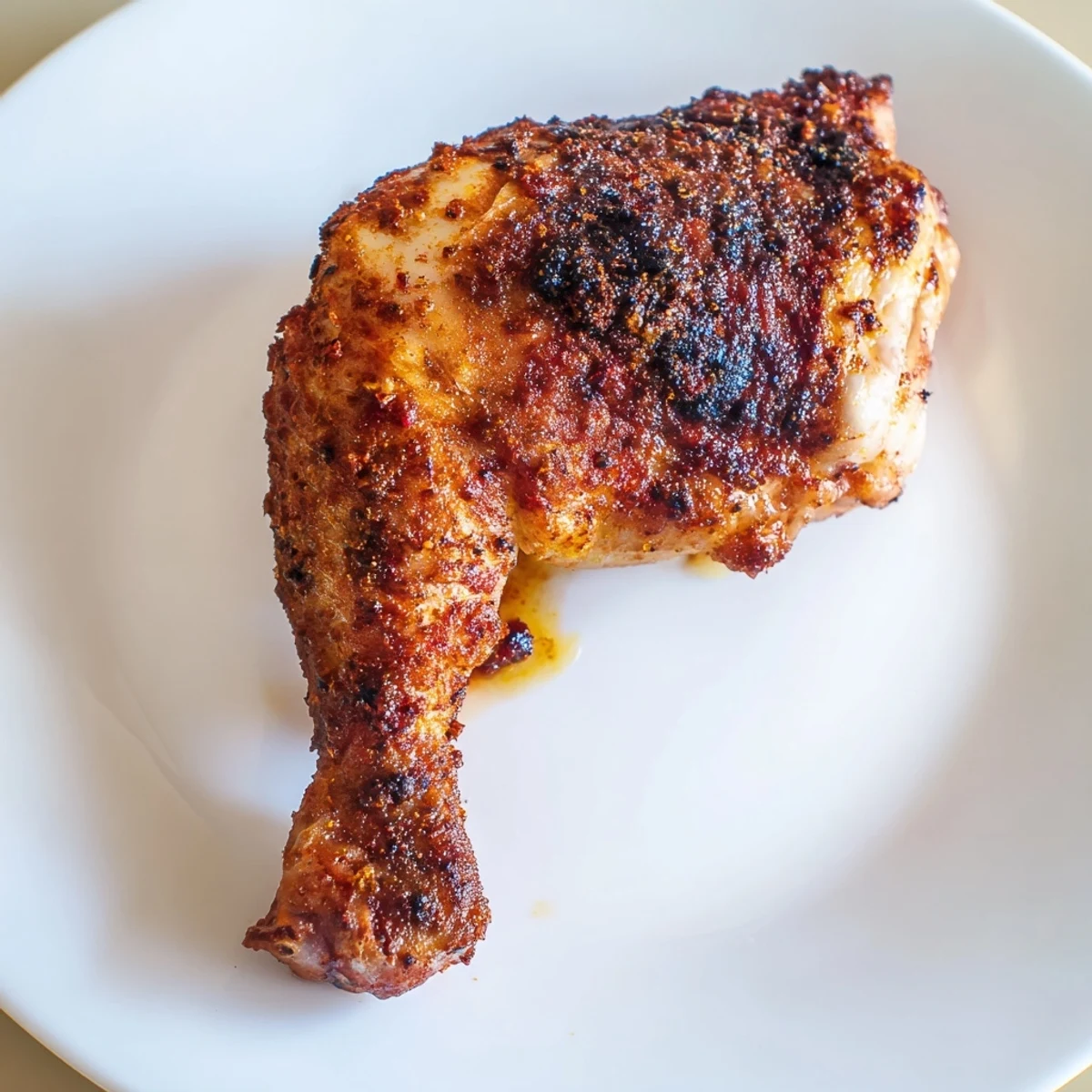
Save Buttermilk-brined chicken yields tender, juicy pieces that crisp up when dredged in a seasoned flour and cornstarch mix. Fry at 350°F (175°C) until golden and cooked through, then toss in a warm honey-butter glaze spiked with hot sauce and red pepper flakes for balanced sweet heat. Rest on a wire rack to keep the crust crisp; adjust hot sauce and cayenne to control spice.
The sizzle of chicken hitting hot oil is a sound that could wake me from the deepest sleep, and one rainy Tuesday evening it became the soundtrack to my best kitchen accident. I had planned a quiet dinner of soup and toast until a friend dropped by with a jar of honey from her backyard hives and a challenge I could not refuse. Two hours later we were standing in my kitchen, fingers sticky, mouths burning, laughing at how something so simple could taste so outrageously good. That chicken never made it to a plate, and I have been chasing that perfect bite ever since.
My neighbor Dave once smelled this frying through our shared hallway and knocked on my door holding two cold beers and zero shame. I handed him a drumstick fresh from the glaze, and he stood in my doorway eating in complete silence for about ninety seconds before saying anything at all. Now every time he sees me, the first question is never about how I am doing, it is about when I am making that chicken again.
Ingredients
- 8 bone in, skin on chicken thighs or drumsticks: The skin renders into the crispiest shell, and bone in pieces stay far juicier than boneless ever will.
- 1 cup buttermilk: This is your secret weapon, its acidity tenderizes the chicken while adding a subtle tang that pairs beautifully with the spicy glaze.
- 1 teaspoon hot sauce (marinade): Just enough to wake up the flavor without taking over, and any vinegar based sauce works perfectly here.
- 1 teaspoon sea salt and 1/2 teaspoon black pepper (marinade): Seasoning the marinade means the flavor penetrates deep instead of just sitting on the surface.
- 1 and 1/2 cups all purpose flour: The foundation of your coating, plain and simple, do not overthink it.
- 1/2 cup cornstarch: This is what gives you that shatteringly crisp texture that stays crunchy even under the glaze.
- 2 teaspoons paprika, 1 teaspoon garlic powder, 1 teaspoon onion powder, 1 teaspoon cayenne pepper: Layered spices that build depth, and the cayenne is where you can really play with your personal heat tolerance.
- 1/2 teaspoon salt and 1/2 teaspoon black pepper (coating): Double seasoning in both marinade and coating guarantees nothing tastes bland.
- Vegetable oil for frying: You need about two inches in your pan, and a neutral oil with a high smoke point is non negotiable.
- 1/3 cup unsalted butter: The backbone of the glaze, providing richness that carries the heat and sweetness in perfect balance.
- 1/4 cup honey: Use a good one if you can, because the flavor really comes through in the finished dish.
- 1 to 2 tablespoons hot sauce (glaze): Start with one and taste before adding more, you can always add heat but you cannot take it away.
- 1/4 teaspoon crushed red pepper flakes (optional): For those who want an extra flicker of warmth at the finish.
- Pinch of salt (glaze): Just a tiny pinch ties all the sweet and spicy elements together.
Instructions
- Soak the chicken in its bath:
- Whisk the buttermilk, hot sauce, salt, and pepper in a large bowl until combined, then submerge every piece of chicken and make sure nothing is left dry. Cover tightly and tuck it into the refrigerator for at least two hours, though overnight transforms it into something genuinely special.
- Build your coating station:
- In a wide bowl or deep plate, stir together the flour, cornstarch, paprika, garlic powder, onion powder, cayenne, salt, and pepper until evenly mixed. Having everything ready before you start dredging keeps your hands cleaner and your momentum going.
- Dredge with intention:
- Lift each piece of chicken from the buttermilk, let the excess drip back into the bowl, then press it firmly into the flour mixture on all sides. Set each coated piece on a wire rack and let them rest for ten minutes so the coating can really adhere before it hits the oil.
- Heat the oil and fry:
- Pour about two inches of oil into a heavy skillet and bring it to 350 degrees Fahrenheit, then fry the chicken in batches so the pan never gets crowded. Turn the pieces occasionally and cook for twelve to fifteen minutes until deeply golden and the internal temperature reads 165 degrees Fahrenheit.
- Make the glaze while everything sizzles:
- In a small saucepan over medium heat, melt the butter and stir in the honey, hot sauce, red pepper flakes if you are using them, and that tiny pinch of salt. Let it bubble gently for about a minute until everything is beautifully combined and fragrant.
- Bring it all together:
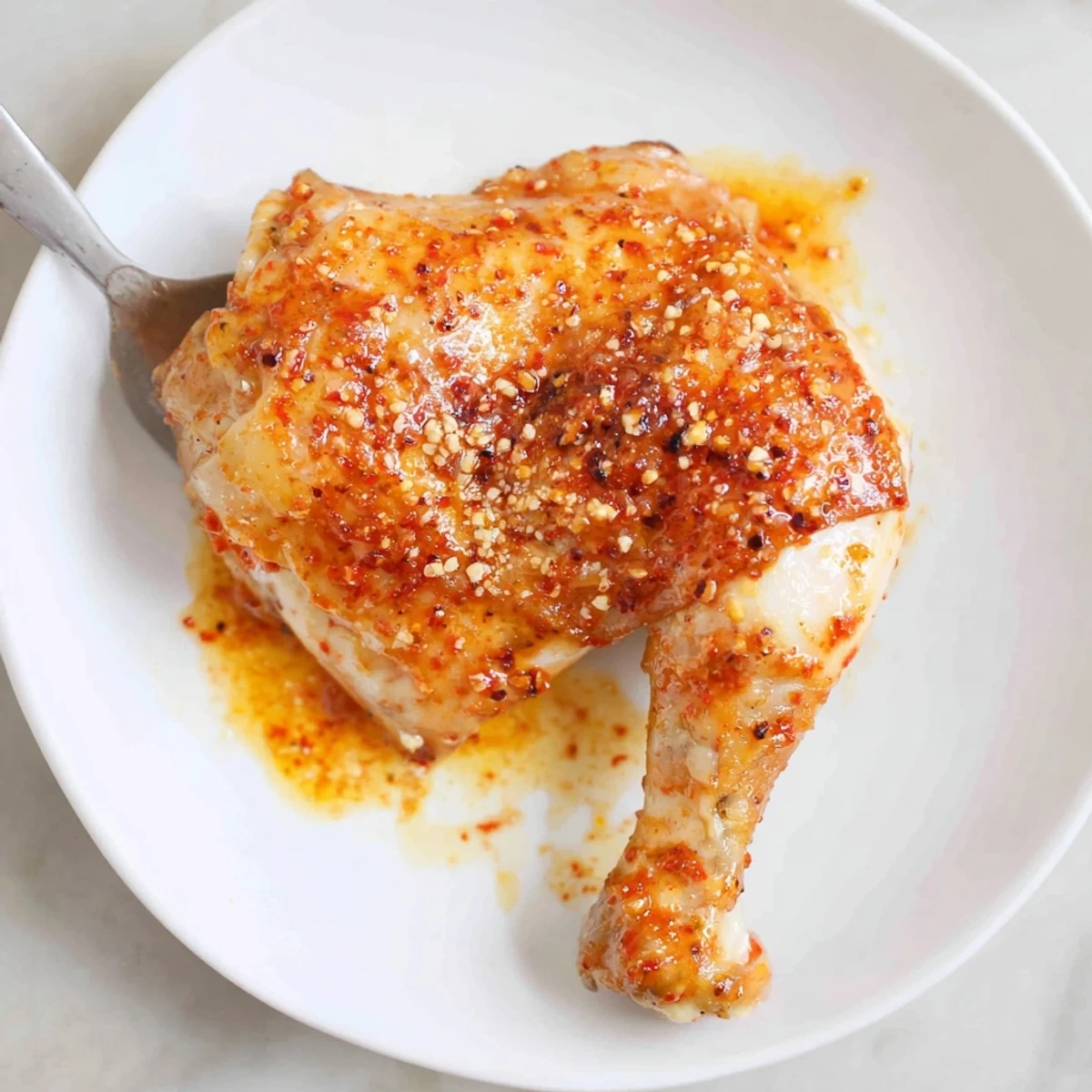
- Drizzle the warm glaze over the drained chicken or toss everything together in a large bowl until each piece is glistening and coated. Serve immediately because this is the kind of dish that demands to be eaten while the contrast between crunch and sticky sauce is at its peak.
 Save
Save There was a Fourth of July picnic where I brought a massive platter of this chicken, and within minutes the table looked like a crime scene of picked clean bones and honey smeared napkins. A strangers kid walked up to me, looked me dead in the eye, and said it was the best chicken in the whole universe. I am still riding that high.
Making It Your Own
You can dial the cayenne up or down depending on who is eating, and I have swapped the hot sauce for gochujang on a whim with incredible results. Boneless thighs work beautifully if you are short on time, just cut the frying time down to about eight minutes per piece. The glaze itself is endlessly adaptable, try adding a squeeze of lime or a spoonful of maple syrup when you are feeling experimental.
What To Serve Alongside
Coleslaw is the obvious answer because the creamy crunch cuts right through the richness, but do not sleep on a simple plate of dill pickles and sliced white bread. Cornbread soaked in a little of the leftover honey butter glaze is the kind of indulgence that makes people close their eyes when they eat. A cold drink is not optional, it is required.
Handling Leftovers If You Have Any
In all honesty leftovers are rare with this recipe, but if you find yourself with extra chicken it reheats surprisingly well in a 375 degree Fahrenheit oven for about ten minutes. The glaze will caramelize further and the skin gets a second chance at crispness that the microwave will never give you.
- Store leftover chicken uncovered in the fridge for the first hour so the coating stays firm before covering loosely with foil.
- Cold leftover chicken tucked into a sandwich with pickles and mayo is a next day lunch worth looking forward to.
- Never ever reheat this in the microwave unless you enjoy soggy disappointment.
 Save
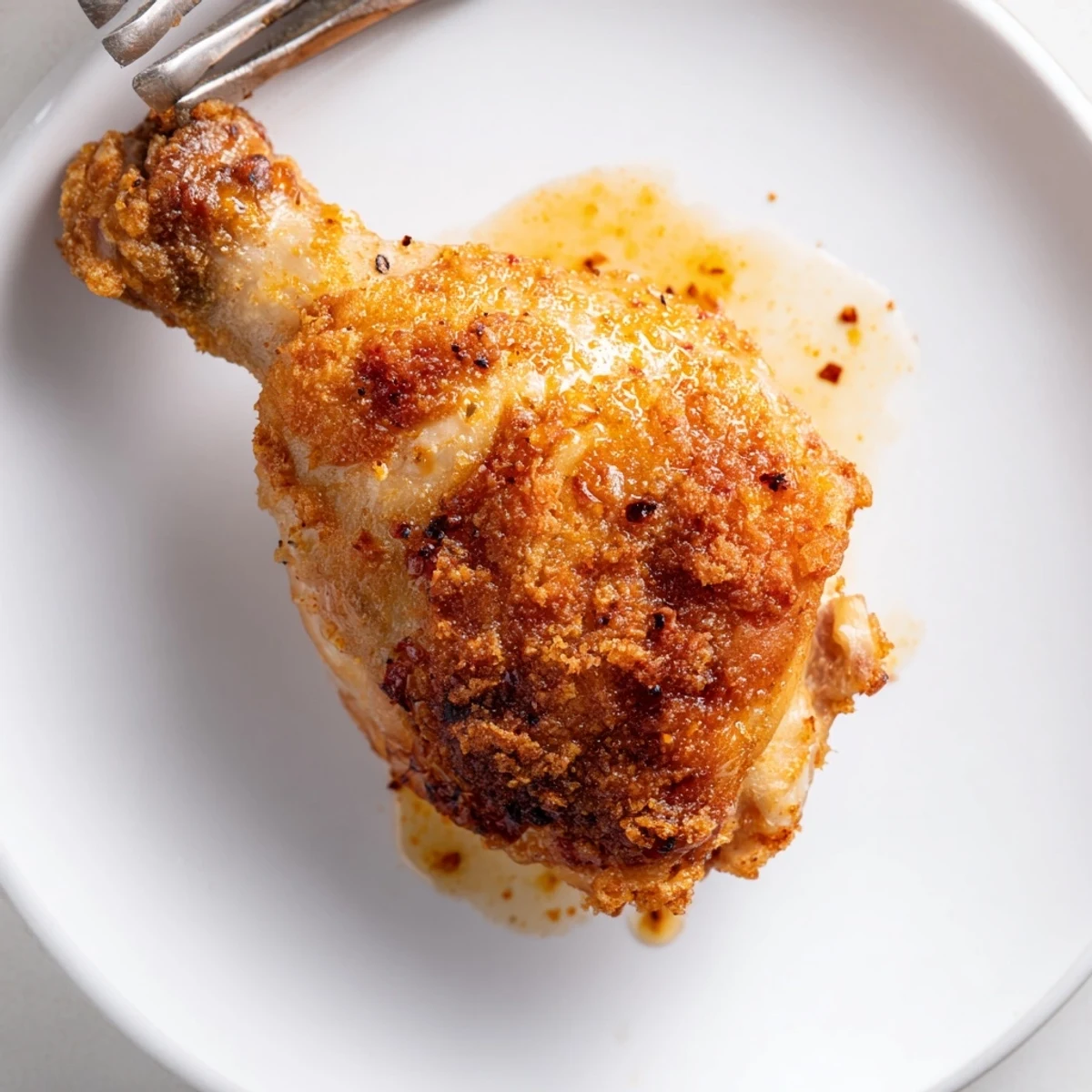
Save Some recipes are just dinner, but this one is the reason people linger in the kitchen long after the last bite is gone, leaning against counters with sticky fingers and full hearts. Make it once and it will follow you everywhere.
Recipe FAQ
- → How long should I marinate the chicken?
-
Marinate in buttermilk with a splash of hot sauce and salt for at least 2 hours for tender, flavorful meat; overnight yields the best texture and depth of flavor.
- → What oil and temperature are best for frying?
-
Use a neutral oil with a high smoke point (vegetable, canola, or peanut). Maintain 350°F (175°C) and fry in batches to keep oil temperature steady and the coating crisp.
- → How do I keep the crust extra crunchy?
-
Include cornstarch in the flour mix, let coated pieces rest on a wire rack for 10 minutes before frying, and avoid overcrowding the pan so moisture can escape and the crust stays crisp.
- → How do I make the honey butter glaze less sweet or hotter?
-
Scale the honey and hot sauce to taste: reduce honey for less sweetness or add more hot sauce and cayenne/red pepper flakes for extra heat. Warm the glaze briefly to blend flavors before tossing with chicken.
- → Can I use boneless pieces instead of bone-in?
-
Yes—boneless thighs or breasts cook faster, so reduce frying time and monitor internal temperature; boneless pieces benefit from the same brine and double-dip for extra crunch.
- → What’s the best way to reheat without losing crispness?
-
Reheat in a 375°F (190°C) oven on a wire rack over a baking sheet until warmed through; this restores the crust better than the microwave.