
 Save
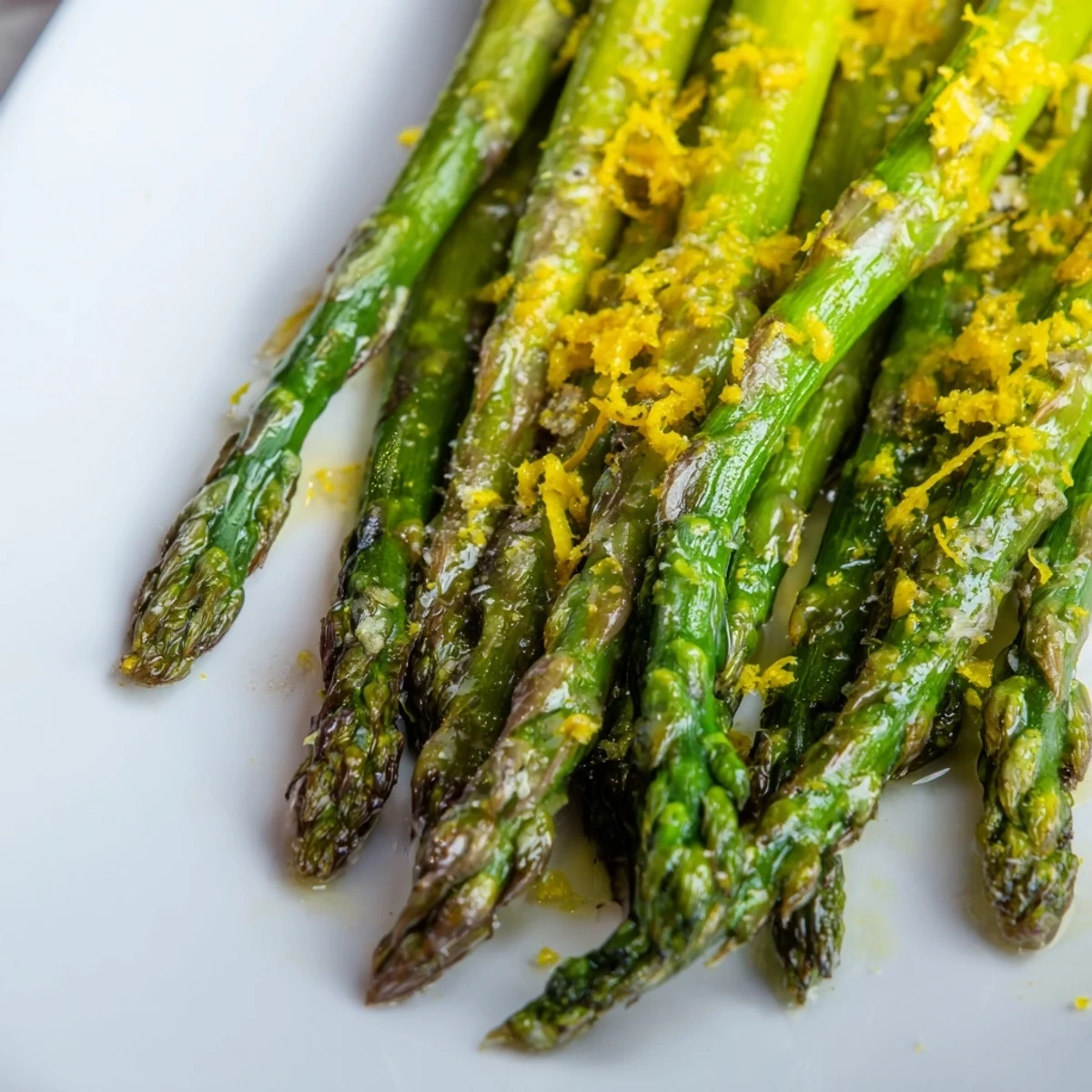
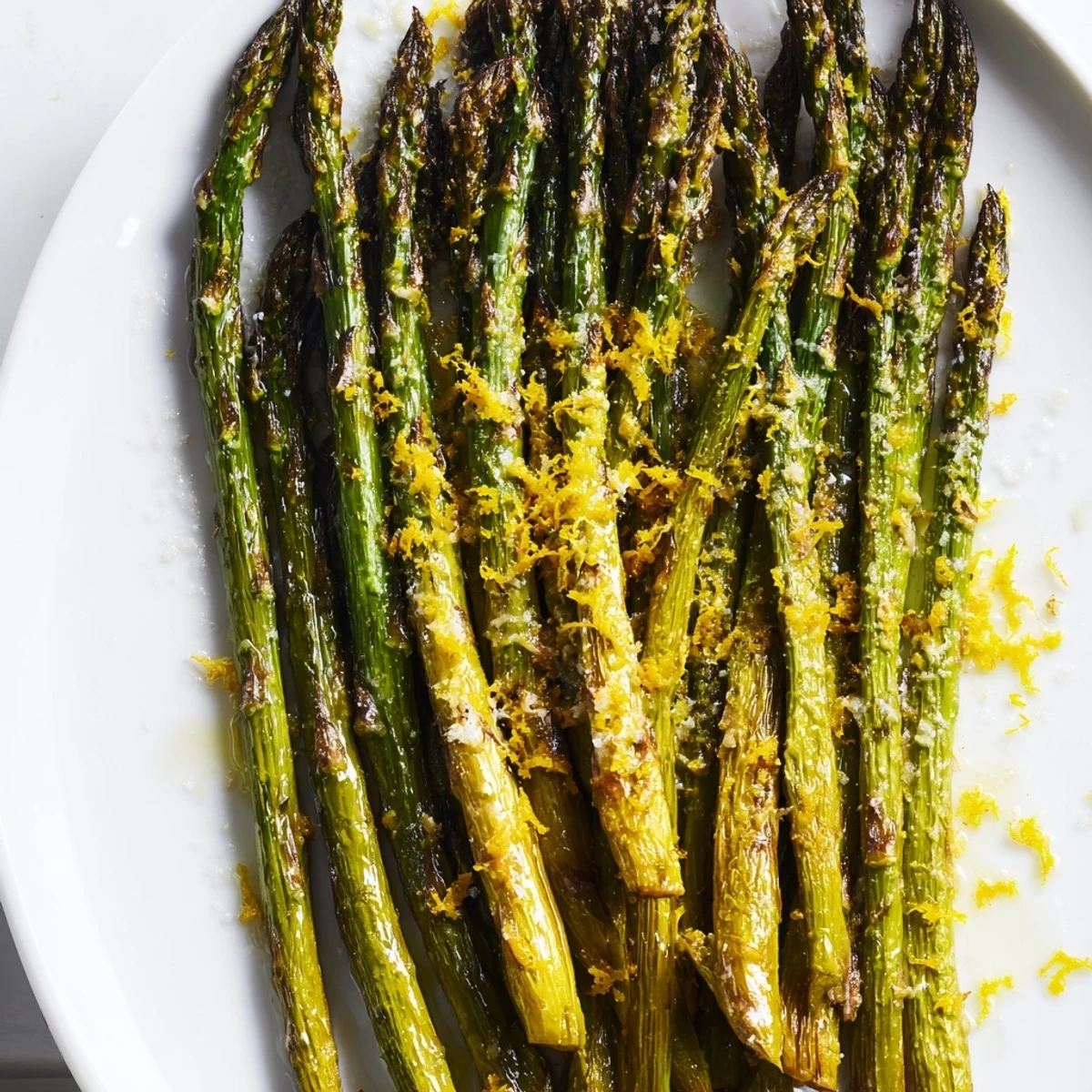
Save This Mediterranean-inspired dish features fresh asparagus roasted at high heat until tender and lightly caramelized. The spears are tossed with extra-virgin olive oil, salt, and pepper before roasting for 12–15 minutes until they achieve the perfect texture. Fresh lemon zest and juice add brightness, while grated Parmesan cheese provides a savory finish. Ready in just 25 minutes, this vegetarian and gluten-free side pairs beautifully with grilled proteins or serves as a light standalone dish.
The first time I prepared roasted asparagus with lemon and Parmesan was during a spring dinner when the farmers market had just put out the season's first tender spears. I remember standing in my kitchen, the evening light streaming through the window, wondering how such a simple preparation could possibly be as delicious as my friend had promised. The aroma that filled my kitchen as they roasted convinced me even before the first bite.
Last Easter, I brought this dish to my sisters gathering, arriving late with the asparagus still warm in a covered dish. The family was already seated, plates loaded with ham and potatoes, when I uncovered the bright green spears topped with melting Parmesan. My nephew, notorious for avoiding vegetables, reached over three dishes to grab some, and the table fell silent as everyone paused to add some to their plates.
Ingredients
- Fresh asparagus: Look for medium-thick spears with tightly closed tips and a vibrant green color that indicates freshness and better flavor.
- Extra-virgin olive oil: Use the good stuff here since you'll really taste it against the simple flavors of the dish.
- Fresh lemon: The zest contains aromatic oils that bring a brightness no bottled juice can match.
- Parmesan cheese: Freshly grated transforms this dish, melting slightly into the warm asparagus in a way pre-packaged never will.
Instructions
- Prep your asparagus:
- Hold each spear and bend until it naturally snaps, removing the woody bottom portion. The natural break point reveals exactly where tenderness begins.
- Arrange for optimal roasting:
- Spread the spears in a single layer with a bit of space between each one. Crowding the pan will steam rather than roast them, robbing you of that delicious caramelization.
- Season with intention:
- After drizzling with oil, use your hands to gently roll the spears, ensuring each one gets an even coat of oil and seasonings. This hands-on approach makes all the difference in even browning.
- Watch the clock:
- Start checking at 10 minutes if your asparagus is thin. They should be tender when pierced with a fork but still have a slight resistance.
- Finish while hot:
- Add the lemon zest and juice immediately after removing from the oven. The heat helps release the aromatic oils in the zest, intensifying the citrus flavor throughout the dish.
- Shower with Parmesan:
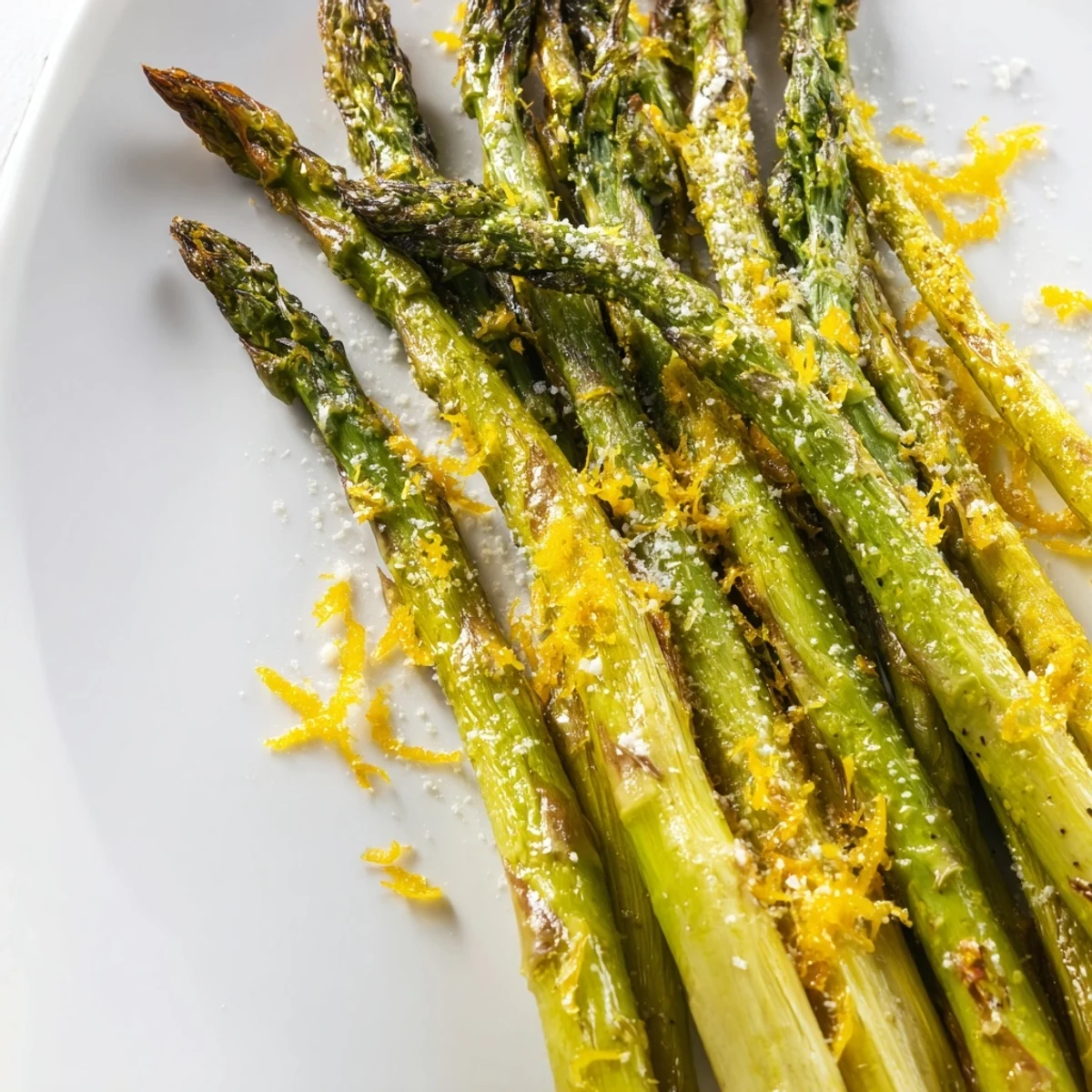
- Sprinkle the cheese on while the asparagus is still hot enough to slightly melt it. Watch as it clings to each spear, creating a savory crust that elevates the entire dish.
 Save
Save My partner, who claimed to despise asparagus after childhood experiences with the canned variety, reluctantly tried a single spear during our first spring together. The room grew quiet as I watched his expression change from skeptical to surprised. That evening, we shared the entire batch over a bottle of crisp white wine, planning our garden plot to include asparagus beds the following year.
Seasonal Variations
In early spring when asparagus first appears, I keep the preparation exactly as written to showcase their delicate flavor. By mid-season, when were enjoying asparagus weekly, I sometimes add crushed red pepper flakes before roasting or swap the Parmesan for crumbled feta to keep things interesting. Late-season asparagus, which tends to be more robust, can stand up to additions like balsamic glaze drizzled over the finished dish.
Perfect Pairings
This roasted asparagus serves as a versatile side dish that complements nearly anything on your plate. I've served it alongside creamy risotto where the brightness cuts through richness, next to grilled salmon where the flavors naturally enhance each other, and even alongside Sunday roast chicken where it adds color and freshness to a traditional meal. The lemon notes particularly complement Mediterranean and Italian main courses.
Make-Ahead Options
While this dish truly shines when served immediately from the oven, there are ways to prep ahead when necessary. I've discovered that trimming the asparagus and measuring the other ingredients the night before saves precious minutes during dinner preparations. For entertaining, I sometimes roast the asparagus partially (about 8 minutes), then finish cooking and add toppings just before serving.
- For meal prep, fully roasted asparagus can be chilled and later served at room temperature with an extra sprinkle of fresh Parmesan.
- The lemon-Parmesan flavor profile holds up beautifully even when not piping hot, making leftovers delightful atop a salad the next day.
- If reheating is necessary, a quick 2-3 minutes in a hot oven works better than microwave, which can make the asparagus mushy.
 Save
Save This simple yet refined dish reminds me that good cooking often requires knowing when to step back and let quality ingredients speak for themselves. In our busy lives, theres something profoundly satisfying about a recipe that delivers so much pleasure with so little effort.
Recipe FAQ
- → How do I know when asparagus is properly roasted?
-
The asparagus should be tender when pierced with a fork and have light golden-brown spots on the tips and sides. This typically takes 12–15 minutes at 425°F. Avoid overcooking, as the spears will become mushy.
- → Can I prepare this ahead of time?
-
Roasted asparagus is best served immediately while warm. However, you can trim and prep the asparagus up to 4 hours ahead. Toss with oil and seasonings just before roasting for optimal flavor and texture.
- → What's the best way to trim asparagus?
-
Hold an asparagus spear near the base and bend gently until it naturally snaps. This removes the woody portion while preserving the tender tip. Alternatively, trim about 1–2 inches from the base with a sharp knife.
- → Can I substitute the Parmesan cheese?
-
Yes, Pecorino Romano offers a sharper, more pungent flavor. Grana Padano is a milder alternative. For a dairy-free option, nutritional yeast provides a savory, nutty taste.
- → How can I add more flavor to this dish?
-
Toast pine nuts, slivered almonds, or panko breadcrumbs and sprinkle on top. Minced garlic or red pepper flakes add depth. A drizzle of aged balsamic vinegar or truffle oil elevates the dish beautifully.
- → Is this suitable for different dietary needs?
-
This dish is naturally vegetarian and gluten-free, making it ideal for most diets. For vegans, substitute Parmesan with nutritional yeast or cashew-based parmesan. Always verify ingredient labels for allergen concerns.