
 Save
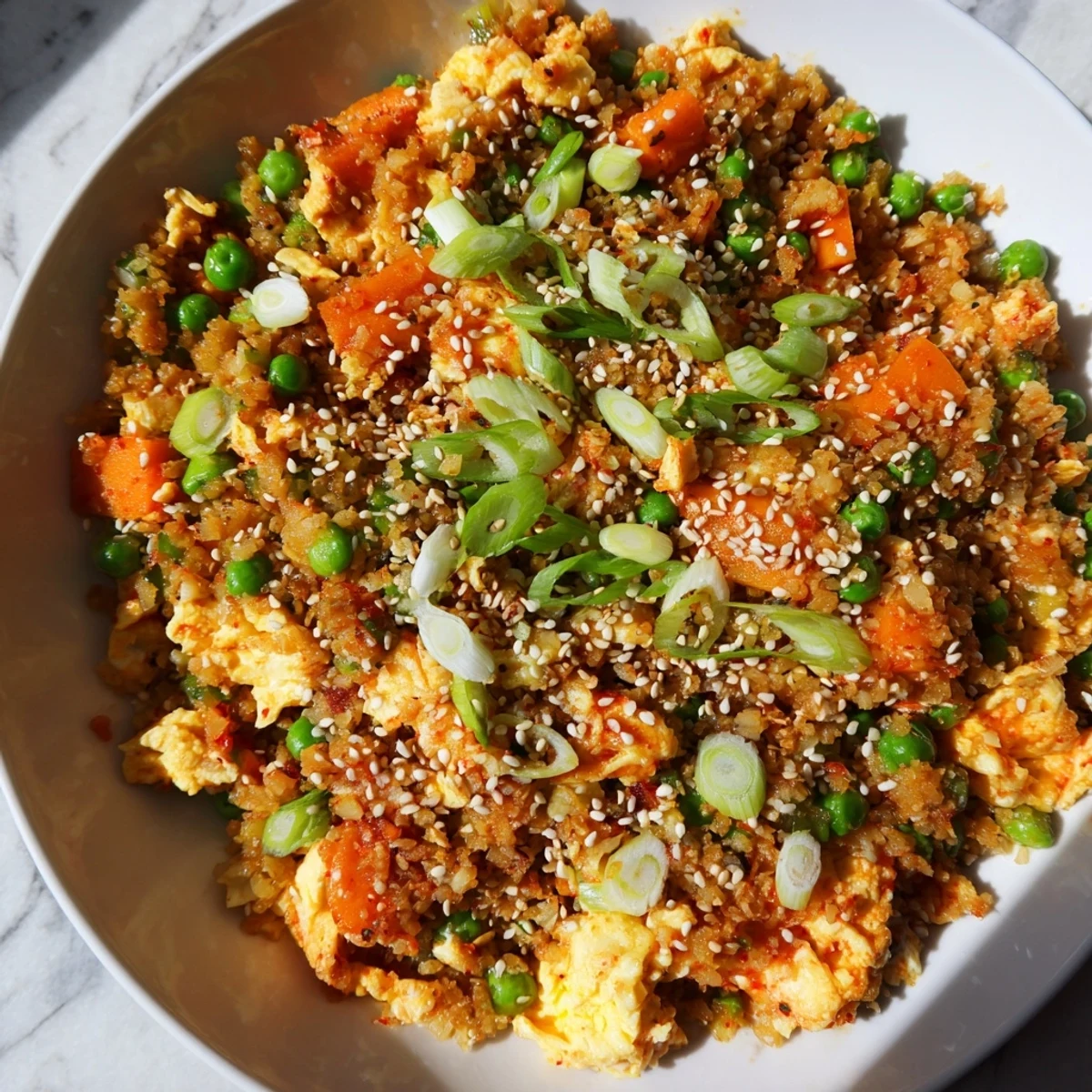
Save This low-carb Asian fusion dish transforms cauliflower into rice-like grains, stir-fried with spicy kimchi, vegetables, and fluffy scrambled eggs. Ready in just 30 minutes, it delivers satisfying umami flavor with only 180 calories per serving.
The first time I made cauliflower rice, my kitchen smelled so much like actual fried rice that my roommate asked when we ordered takeout. This was during a month-long experiment with low-carb eating, and I'd resigned myself to boring meals until kimchi entered the picture. That fermented punch transformed everything from diet food into something I actually craved.
I served this at a dinner party once without mentioning it was cauliflower-based. Everyone polished their plates and started arguing about who got the last serving before finally asking what kind of rice I'd used. Their faces when I told them were absolutely worth keeping as a kitchen memory.
Ingredients
- 1 medium head cauliflower: Pulse into rice-sized pieces, but don't overdo it or you'll end up with cauliflower mash
- 1 cup kimchi, drained and chopped: Older, more fermented kimchi gives deeper flavor than fresh stuff
- 1 medium carrot, finely diced: Adds sweetness that balances the spicy heat
- 1/2 cup frozen peas: They provide little bursts of texture and color
- 3 green onions, sliced: Keep white parts separate for cooking, green parts for finishing
- 2 cloves garlic, minced: Fresh is non-negotiable here
- 1-inch piece ginger, grated: Peel it first for the cleanest flavor
- 4 large eggs: Room temperature eggs scramble more evenly
- 2 tbsp soy sauce or tamari: Tamari keeps it gluten-free without sacrificing flavor
- 1 tbsp sesame oil: This is the aromatic finish that makes it taste restaurant-quality
- 1 tbsp vegetable oil: For high-heat cooking without burning
- 1 tsp sriracha: Optional, but welcome if you like extra heat
- 1/2 tsp freshly ground black pepper: Freshly cracked makes a noticeable difference
- 1 tbsp toasted sesame seeds: Toast them yourself for maximum fragrance
Instructions
- Rice the cauliflower:
- Pulse cauliflower florets in a food processor until they resemble rice grains, working in batches so you don't end up with puree.
- Scramble the eggs first:
- Heat half the vegetable oil in a wok over medium-high heat, scramble eggs until just set, then remove them while they're still slightly underdone.
- Build the aromatics:
- Add remaining oil to the pan and sauté garlic, ginger, and white onion parts until fragrant, about 1 minute.
- Soften the vegetables:
- Toss in carrots and peas, cooking for 2-3 minutes until they're no longer frozen-hard but still have some crunch.
- Add the kimchi:
- Stir in chopped kimchi and let it cook for 2 minutes to develop depth and mellow its raw edge.
- Cook the cauliflower rice:
- Add the cauliflower rice and stir frequently for 4-5 minutes until tender but not mushy or watery.
- Season everything:
- Drizzle with soy sauce, sesame oil, sriracha if using, and black pepper, tossing to coat every grain.
- Bring it together:
- Return the scrambled eggs, breaking them up and folding everything together, then taste and adjust seasoning.
- Finish and serve:
- Remove from heat and sprinkle with green onion tops and toasted sesame seeds while still steamy-hot.
 Save
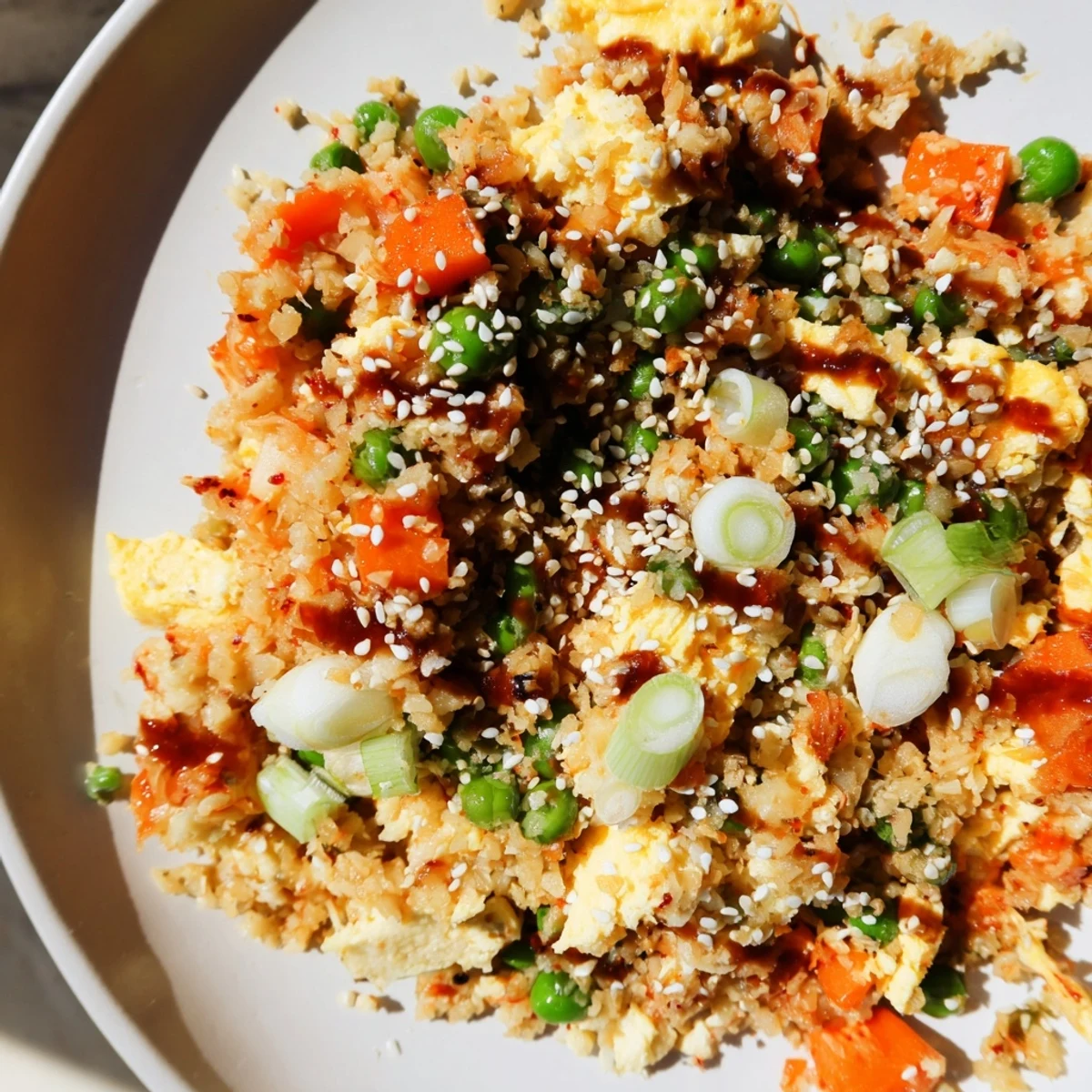
Save My sister texted me at 11 PM after making this for the first time, demanding to know why I'd never told her healthy food could actually taste exciting. She's made it three times that week and is now the one evangelizing about cauliflower rice to her skeptical friends.
Making It Your Own
Swap the eggs for pan-fried tofu if you're vegan, or throw in some edamame for extra protein. I've added shredded cabbage when I needed to stretch servings, and it actually works beautifully.
The Kimchi Factor
Your kimchi's age matters here. Fresh, young kimchi will be brighter and crisper, while kimchi that's been fermenting longer brings this incredible umami depth that makes the dish taste complex. Both work, but they give different results.
Serving Ideas
This works as a standalone meal or side dish. I love it with a cold lager when the weather's warm, or paired with something crisp and acidic when I want to pretend I'm at a proper Asian fusion restaurant.
- Top with a fried egg instead of scrambling for extra drama
- Add a splash of rice vinegar if it needs brightness
- Keep leftover sesame seeds handy for the table
 Save
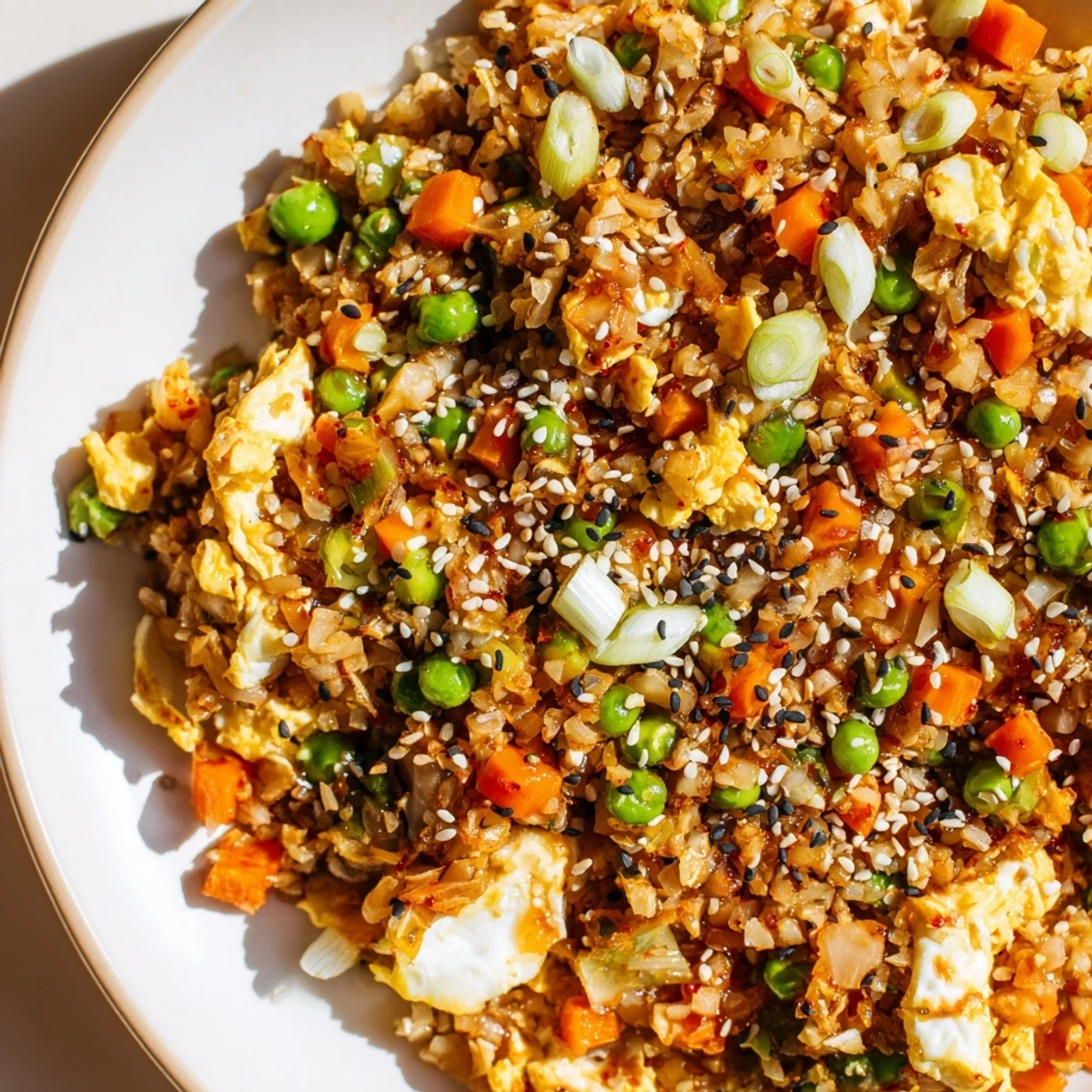
Save There's something deeply satisfying about transforming humble cauliflower into something this crave-worthy, and the way the kitchen smells when everything hits the hot pan is pretty much magic.
Recipe FAQ
- → Is cauliflower rice better for you than regular rice?
-
Cauliflower rice offers significantly fewer calories and carbohydrates than white rice while providing fiber, vitamins C and K, and antioxidants. It's an excellent option for those watching their carb intake or seeking more vegetables in their diet.
- → Can I make this dish ahead of time?
-
While best served fresh, you can prepare components in advance. Store cauliflower rice separately and combine when ready to heat. Reheat gently in a skillet to maintain texture.
- → What makes kimchi special in this dish?
-
Kimchi adds probiotic benefits, complex umami flavor, and a spicy kick that elevates the mild cauliflower. Its fermented nature provides depth that transforms simple ingredients into something extraordinary.
- → How do I prevent cauliflower rice from becoming mushy?
-
Avoid overcrowding the pan and cook over medium-high heat. Stir frequently but don't overcook—remove from heat while cauliflower still has slight crunch. Excess moisture should evaporate during cooking.
- → Can I add protein besides eggs?
-
Absolutely. Diced chicken, shrimp, or firm tofu work beautifully. Cook proteins separately before adding them back in step 8. Adjust cooking times accordingly to ensure everything is properly heated through.
- → Is this dish suitable for meal prep?
-
Yes, it reheats well for 2-3 days when stored in airtight containers. The flavors actually meld and improve overnight. Add fresh garnishes before serving to maintain texture contrast.