
 Save
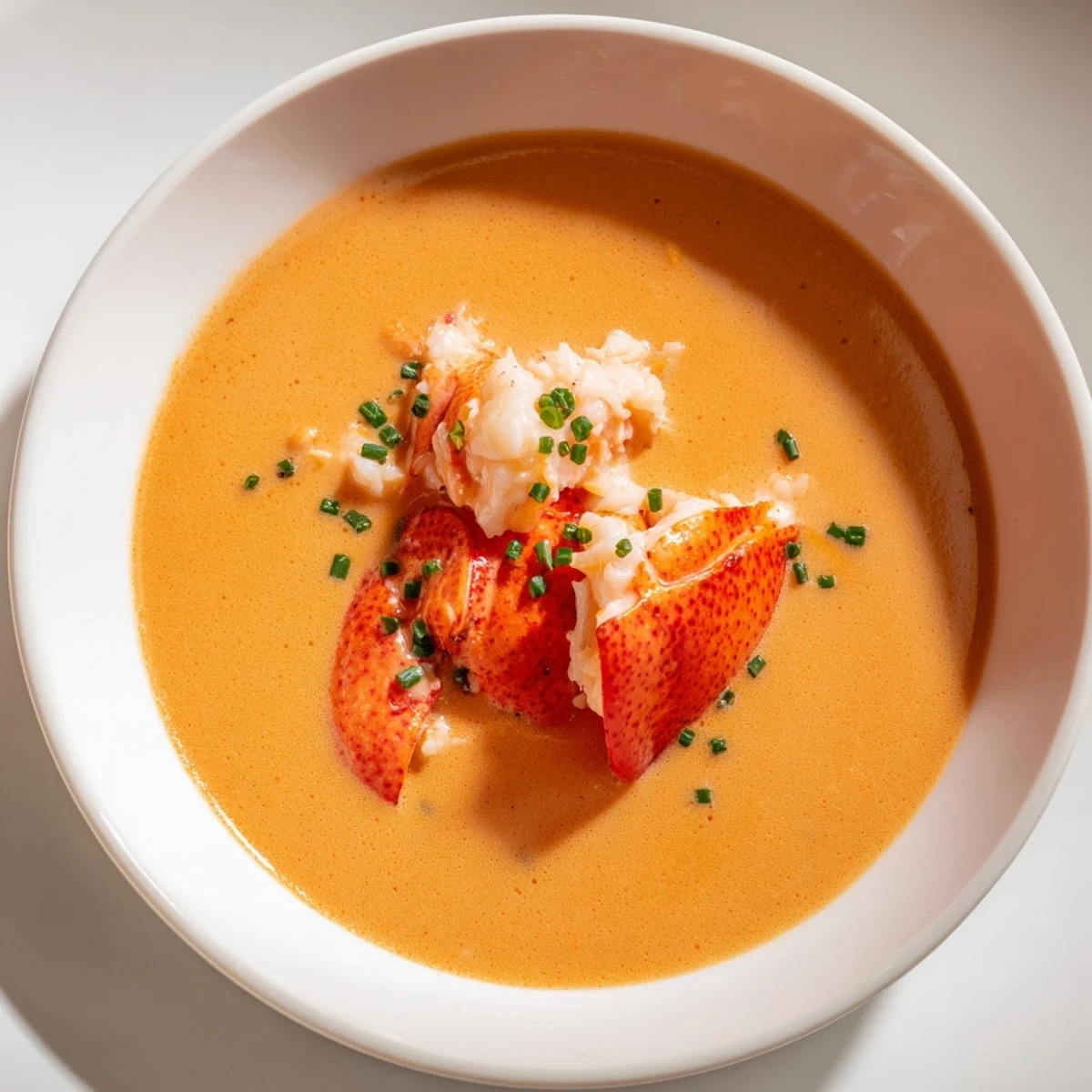
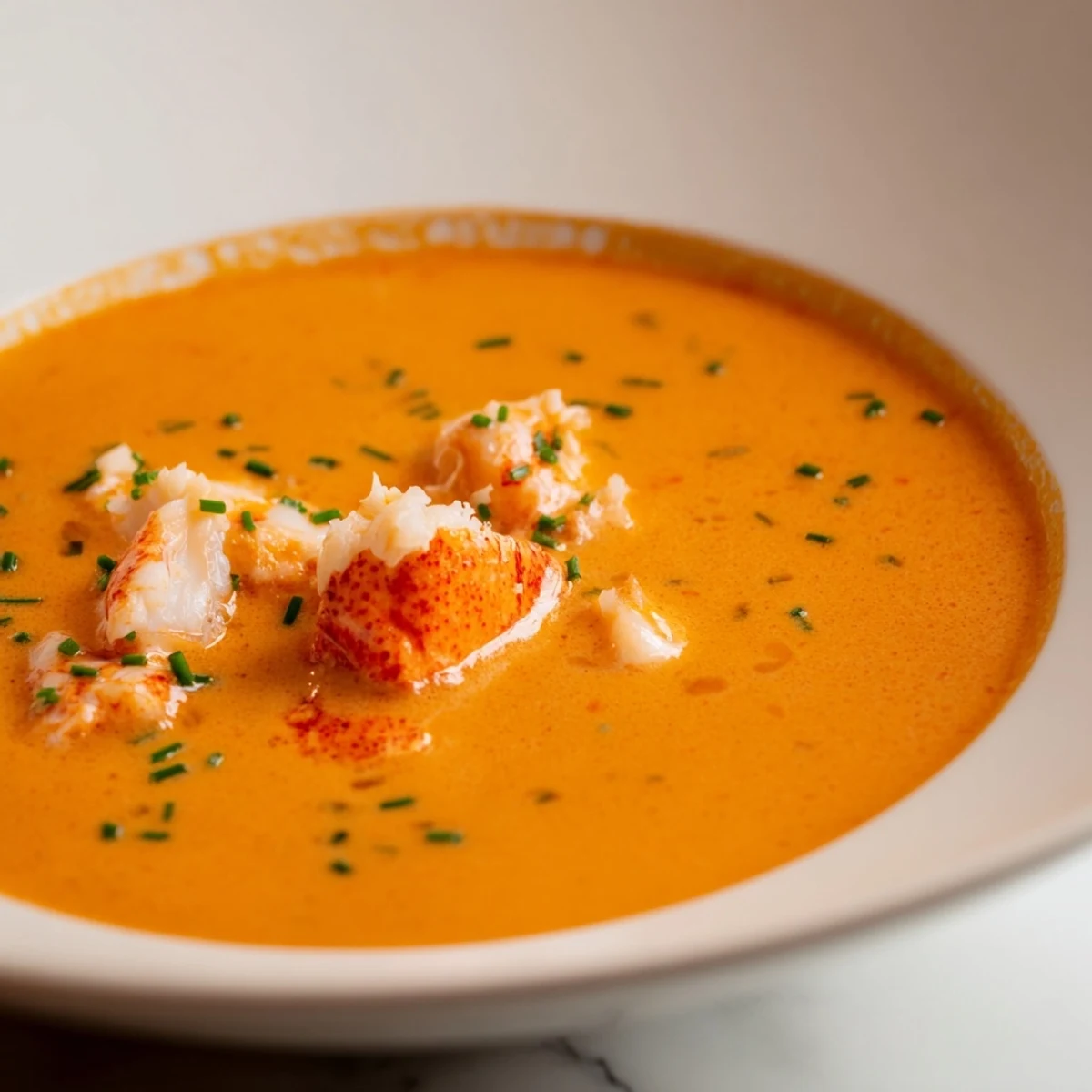
Save This French-inspired lobster bisque combines tender lobster meat with a creamy texture enhanced by cognac, cream, and a blend of aromatic vegetables like onion, carrot, and celery. The bisque is simmered with spices and white wine, producing a fragrant, smooth soup perfect for special occasions. Preparing the bisque involves careful extraction of lobster meat and blending the broth to a velvety finish before adding cream for richness. Garnish with chives or parsley to elevate presentation and flavor.
I'll never forget the first time I tasted authentic lobster bisque at a small bistro in Provence. The spoon felt heavy with luxury as I brought it to my lips—that first silky sip transported me somewhere between the French coast and pure comfort. Years later, after watching my grandmother's technique and experimenting in my own kitchen, I realized that the secret wasn't technique alone, but patience and respect for the ingredient. Now, whenever I make this bisque, I'm transported back to that moment, and I'm sharing that same magic with everyone at my table.
I made this bisque for my partner's birthday dinner last spring, and watching them close their eyes after that first taste—that moment when food becomes memory—reminded me why I love cooking. The apartment smelled like the sea and butter and possibility, and we ended up talking until midnight, the soup long finished but its warmth lingering.
Ingredients
- Live lobsters (2, about 1½ lb each) or cooked lobster meat (500 g): The foundation of everything—use live if you can find them, as they give the shells a deeper flavor when simmered. If they intimidate you, ask your fishmonger to steam them for you, or buy the meat pre-cooked and focus on building the base.
- Unsalted butter (2 tbsp) and olive oil (1 tbsp): Butter brings richness and carries the aromatics' flavors forward, while the oil prevents it from burning. This combination is the backbone of French cooking.
- Onion (1 medium, finely chopped): The aromatic foundation that softens into sweetness as it cooks, giving the bisque its gentle, welcoming base flavor.
- Carrot (1, peeled and diced): A touch of natural sweetness that balances the brininess of the sea and the depth of the stock.
- Celery stalk (1, diced): The unsung hero—it adds an earthy complexity that makes people ask what makes this bisque taste so complete.
- Garlic cloves (2, minced): Adds a whisper of savory depth without overwhelming the delicate lobster flavor.
- Tomato paste (1 tbsp): Concentrate and umami boost that deepens the color and adds subtle sweetness and acidity.
- Dry white wine (120 ml): The acidity cuts through richness and adds a sophisticated note—choose something you'd drink.
- Cognac or brandy (2 tbsp): A splash that rounds out the flavors with warmth and depth. Don't skip it, but don't overspend on a rare vintage either.
- Fish or seafood stock (1 liter): The medium in which all these flavors dance together. Homemade is best, but good quality store-bought works beautifully too.
- Bay leaf (1) and fresh thyme (1 tsp or ½ tsp dried): Herbal anchors that whisper rather than shout, keeping the soup refined.
- Paprika (½ tsp): A gentle spice that adds warmth and a hint of smokiness, plus that beautiful salmon color.
- Heavy cream (180 ml): The final note of luxury that transforms this from soup into an experience.
- Chives or parsley (1 tbsp, chopped): Fresh green on top that adds brightness and a visual reminder that something living and wonderful is about to nourish you.
Instructions
- Prepare Your Lobster:
- If you're using live lobsters (and you brave soul, you are), bring a large pot of salted water to a rolling boil—it should taste like the sea. Gently place the lobsters in head-first and cover. They'll cook for 8 to 10 minutes, their shells turning that brilliant coral-red that signals they're done. Once cooled enough to handle, crack open the shells and extract every bit of meat from the tails, claws, and knuckles. Cut the meat into bite-sized pieces and refrigerate them. Don't throw away those shells—they're liquid gold for what comes next.
- Build the Flavor Base:
- In a large, heavy-bottomed pot, melt your butter with olive oil over medium heat—watch it foam gently, which means it's ready. Add those reserved lobster shells and the chopped aromatics: onion, carrot, celery, and garlic. This is where the magic begins. Stir everything together and let it sauté for 8 to 10 minutes. You're listening for a gentle sizzle and watching for the vegetables to soften and turn translucent at the edges. Your kitchen will smell like a Parisian restaurant. Breathe it in.
- Deepen with Tomato:
- Stir in the tomato paste and let it cook for just 2 minutes, coating everything in that deep red-brown color. This step matters—you're caramelizing the paste slightly, which adds a subtle sweetness and depth.
- Add the Spirits:
- Pour in the white wine and cognac. Don't be shy. Use a wooden spoon to scrape up all those browned, flavorful bits stuck to the bottom of the pot—the French call this deglazing, and it's where hidden flavor lives. Let it simmer for 2 minutes, letting some of the alcohol cook away but leaving its warmth behind.
- Simmer the Essence:
- Pour in your fish stock and add the bay leaf, thyme, and paprika. Bring everything to a boil, then lower the heat and let it simmer gently, uncovered, for 25 minutes. As it simmers, you're infusing every bit of lobster essence, every aromatic molecule, into the liquid. The soup will deepen in color and complexity as the shells release their secrets.
- Strain and Blend:
- Remove and discard the lobster shells and bay leaf. Now comes the transformation: using an immersion blender, purée the soup directly in the pot, or work in batches with a regular blender if you prefer. What you're doing is breaking down all those vegetables and creating a silky base that feels luxurious on your tongue. Stop when you reach smooth—there should be no grittiness, just silk.
- Finish with Cream and Meat:
- Return the puréed soup to the pot if you used a regular blender, then stir in the heavy cream. Bring it just to a simmer—never a rolling boil, or the cream might separate. Add back those reserved lobster meat pieces and heat them gently for 2 to 3 minutes, just until they're warm and tender. Taste as you go, seasoning with salt and freshly ground black pepper until it tastes like comfort.
- Serve with Grace:
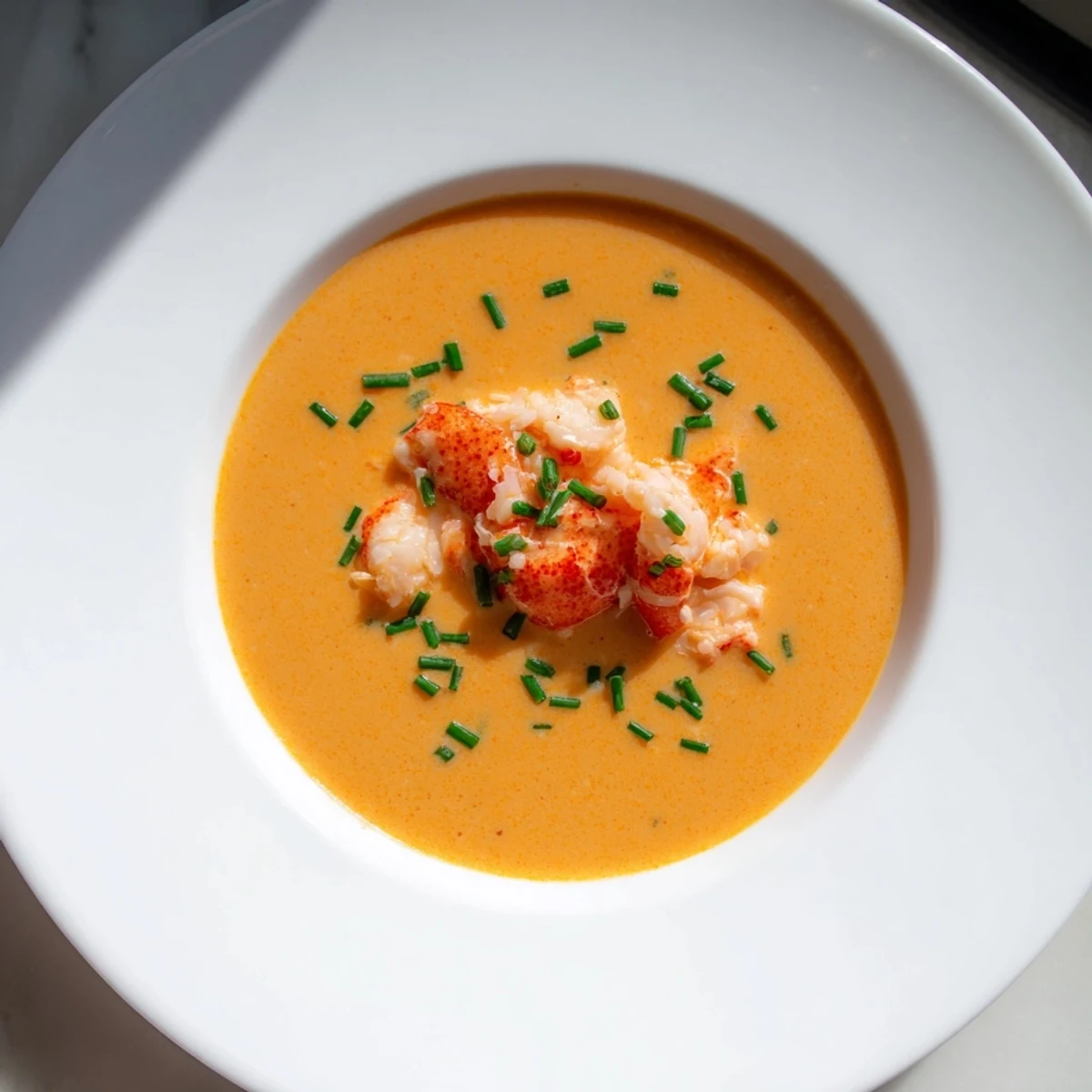
- Ladle the bisque into warmed bowls, garnish with fresh chives or parsley if you have them, and serve immediately. This is soup meant to be savored, not rushed.
 Save
Save Years ago, I made this bisque for my parents' anniversary dinner, and my mother—who grew up eating simply, rarely indulged—took a spoonful and tears came to her eyes. Not because it was fancy, but because it tasted like someone had taken time, had cared. That's what this soup does. It transforms ingredients into something that feels personal, something that says I see you, you matter.
The Secret to Restaurant-Quality Texture
The difference between bisque you make at home and the kind served in fine dining restaurants often comes down to one thing: patience with the blending. When you purée the soup, you're not just breaking down vegetables; you're creating an emulsion where cream, stock, and aromatics become one silky thing. Some cooks strain the soup after blending for an even more refined texture, pushing it through a fine-mesh strainer to remove any remaining fiber. It's an extra step, but if you want that melt-on-your-tongue quality, it's worth the minute it takes.
Wine and Spirit Pairing Notes
The cognac and white wine aren't afterthoughts—they're decisions that shape the entire character of the soup. A quality cognac adds warmth and complexity, while the white wine provides brightness and acidity that keeps the soup from feeling too heavy. Pair your finished bisque with a crisp, chilled Chardonnay or Sancerre. The wine should complement, not compete, with what's in your bowl. I've also served it alongside a dry rosé on summer evenings, and the combination feels unexpected and wonderful.
Making It Your Own
This is a recipe that welcomes personalization. Some cooks swear by a pinch of saffron stirred in at the very end. Others finish with a touch of sherry or add a whisper of Old Bay seasoning. A squeeze of fresh lemon juice at the table can brighten everything for someone who wants it. The beauty of bisque is that it's a framework—sturdy enough to hold your creativity, flexible enough to become yours.
- If you want extra depth, roast your lobster shells in a 200°C (400°F) oven for 10 minutes before adding them to the pot.
- For a lighter version, use half-and-half instead of heavy cream, or even finish with Greek yogurt swirled in just before serving.
- Make it ahead: this bisque actually tastes better the next day, once the flavors have had time to settle and marry together.
 Save
Save Every time you make this bisque, you're connecting to centuries of French culinary tradition while creating something entirely your own. That's the magic of cooking something this beautiful.
Recipe FAQ
- → What type of lobsters work best for the bisque?
-
Live lobsters are preferred for freshness, but pre-cooked lobster meat can also be used to save time.
- → Can I substitute the cognac in the bisque?
-
Brandy can be used as an alternative to maintain the rich, fragrant flavor profile.
- → How do I achieve a smooth texture in the bisque?
-
Puree the soup thoroughly with an immersion or regular blender until velvety smooth, then strain if desired.
- → What stock is ideal for this bisque?
-
A fish or seafood stock enhances the lobster flavor and complements the creamy base.
- → Are there tips for intensifying the lobster flavor?
-
Roasting lobster shells before simmering deepens the broth’s richness and aroma.
- → What garnishes best complement the bisque?
-
Chopped chives or parsley add a fresh, bright accent without overpowering the creamy taste.