
 Save
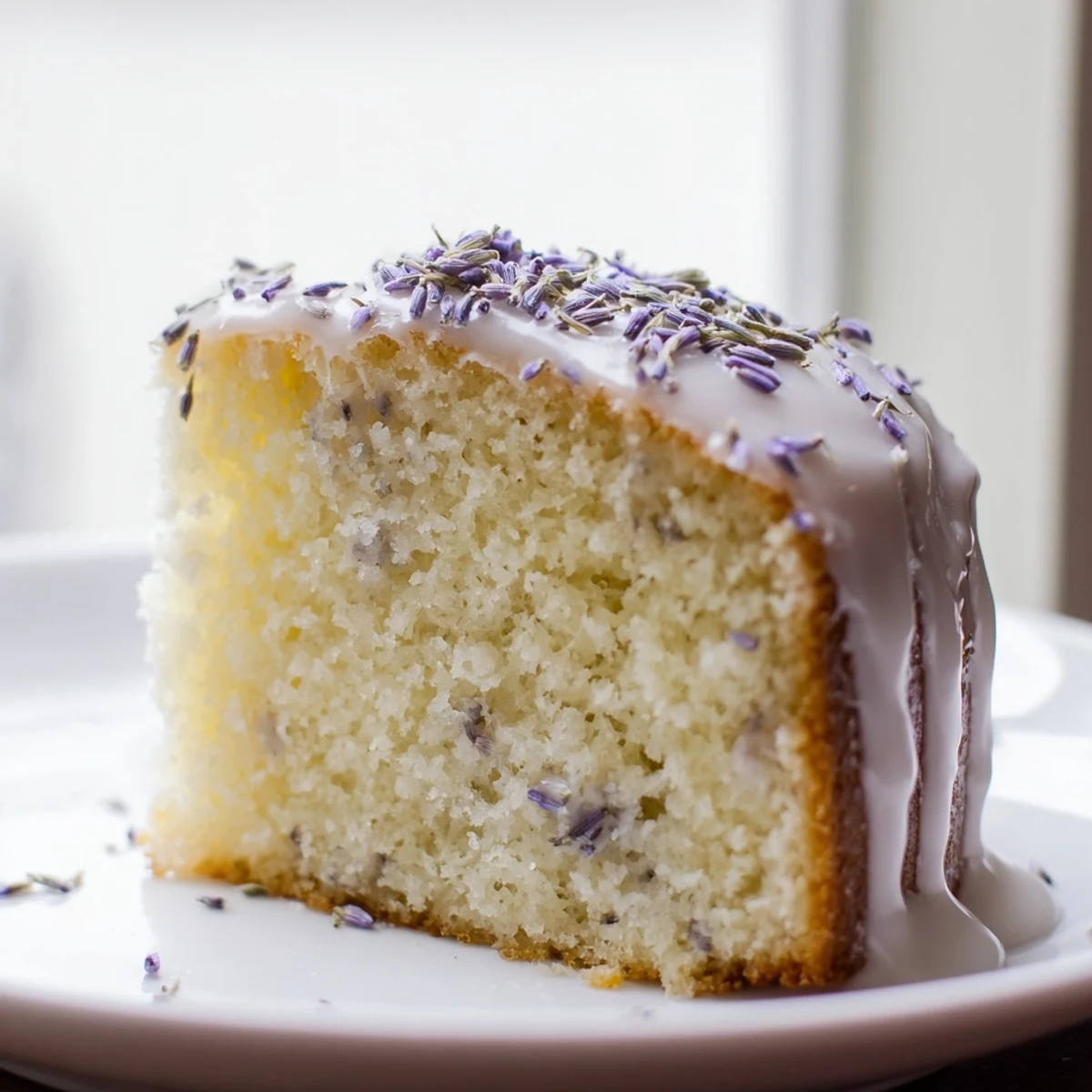
Save This elegant lavender cake combines the subtle floral notes of culinary lavender with a tender, moist crumb. The batter comes together quickly with pantry staples, while the optional lavender syrup adds extra moisture and fragrance. A bright lemon-lavender glaze provides the perfect finishing touch, balancing the floral sweetness with citrus acidity.
Ideal for afternoon tea, spring celebrations, or whenever you want to serve something uniquely sophisticated yet approachable.
The first time I baked with lavender, I accidentally used way too much and my entire kitchen smelled like a very expensive spa. My roommate walked in, took one deep breath, and asked if we were moving to Provence. That cake was essentially a perfumed soap bar, but it taught me everything about restraint with floral ingredients.
I made this for my mothers birthday last spring because she loves anything that reminds her of her garden. She took one bite, closed her eyes, and said it tasted exactly like the lavender bush by her back door. Now she requests it for every occasion, even when it is not remotely lavender season.
Ingredients
- 1½ cups all-purpose flour: The structure of your whole cake life, do not pack it down or you will regret everything
- 1 tsp baking powder: What makes this actually cake instead of lavender pancake
- ¼ tsp salt: Just enough to make all the sweetness sing
- ½ cup unsalted butter: Softened to room temperature or you will be mixing forever and developing arm muscles
- 1 cup granulated sugar: Creates that tender crumb that makes people ask what your secret is
- 2 large eggs: Also room temperature because cold eggs murder perfectly softened butter
- 2 tbsp culinary lavender buds: FOOD GRADE only, the stuff from your garden has been visited by bugs and who knows what else
- 1 tsp vanilla extract: Because vanilla and lavender are best friends actually
- ½ cup whole milk: Warmed slightly so it does not shock your butter into weird little lumps
- For the syrup: Water, sugar, and one teaspoon lavender buds, because extra moisture never hurt anyone
- For the glaze: Powdered sugar, fresh lemon juice, and another teaspoon of lavender, finely chopped like your feelings depend on it
Instructions
- Get your oven ready:
- Preheat to 350°F and grease your 8-inch pan like your life depends on it, getting into all the corners and dusting with flour
- Whisk the dry stuff:
- Combine flour, baking powder, and salt in a bowl, set it aside, and try not to breathe in any flour clouds
- Cream the butter and sugar:
- Beat them together until they are light and fluffy, which takes longer than you think, like 3 to 5 minutes of wanting to give up but not giving up
- Add the eggs:
- Beat them in one at a time, letting each one fully incorporate before adding the next, then mix in your lavender and vanilla
- Combine everything:
- Add the flour mixture and milk alternately, starting and ending with flour, mixing only until just combined because overmixing is the enemy of tender cake
- Bake it:
- Pour the batter into your prepared pan, smooth the top like you are smoothing a blanket, and bake for 25 to 30 minutes until a toothpick comes out clean
- Make the optional syrup:
- While the cake bakes, simmer water, sugar, and lavender for 3 minutes, strain it, and set it aside for soaking
- Soak and cool:
- Let the cake rest for 10 minutes, poke some holes in it with a skewer, brush with warm syrup if using, then cool completely
- Make the glaze:
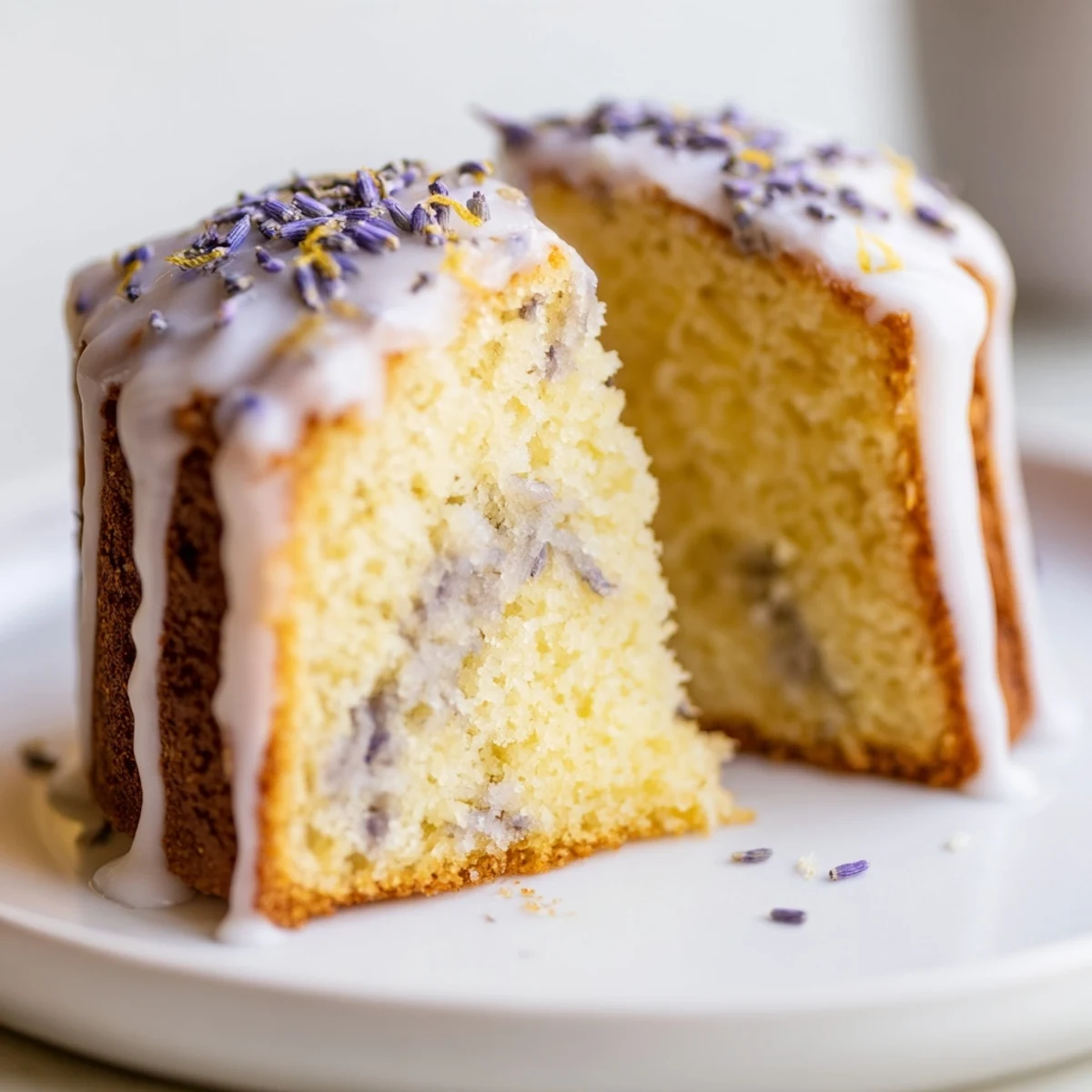
- Whisk powdered sugar, lemon juice, and chopped lavender until smooth and drizzle it over your cooled cake like you are an artist painting a masterpiece
- Let it set:
- Wait for the glaze to firm up before slicing, which is the hardest part honestly
 Save
Save My friend Sarah said this cake tastes like a fancy tea shop but better because you can eat it in your pajamas. She requested it for her wedding shower and I felt very fancy indeed.
Making It Your Own
Lemon pairs beautifully with lavender, and you can add some lemon zest to the batter for extra brightness. I have also swapped half the flour for almond flour for a nuttier version that makes people ask what you did differently.
Storage and Serving
This cake keeps well at room temperature for about two days, covered with a cake dome or foil. After that, the refrigerator is your friend, but bring slices to room temperature before serving because cold cake is sad cake.
When To Serve It
Afternoon tea is the obvious choice, but this cake also shines at bridal showers, garden parties, or whenever you need to feel fancy on a Tuesday. Serve with Earl Grey tea because the flavors were meant to be together.
- Slice thinly because this cake is rich and floral goes a long way
- Chill your cake for 15 minutes before glazing for cleaner drips
- The glaze will continue to set as it sits, so plan accordingly
 Save
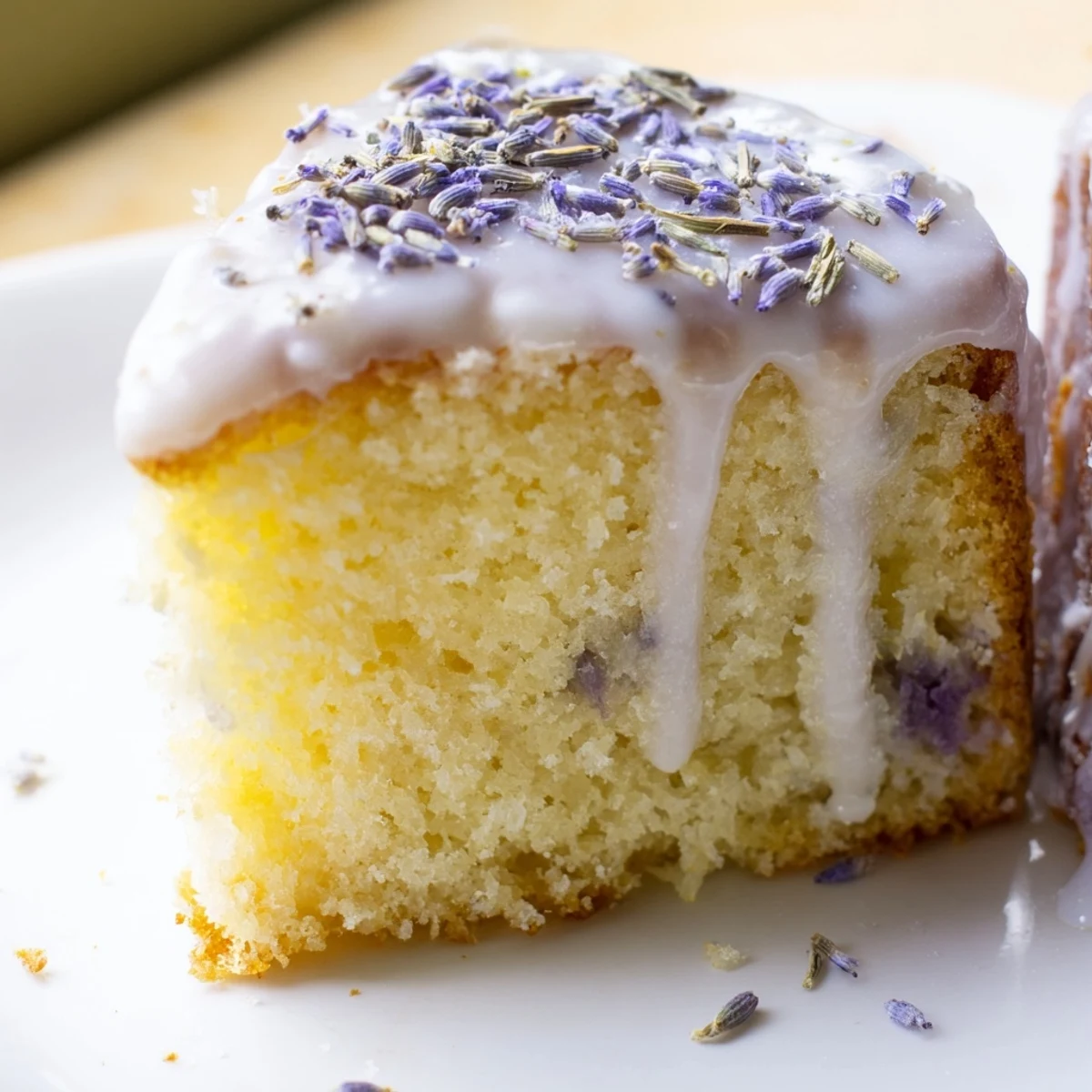
Save There is something deeply satisfying about serving a cake that tastes like a garden and watching people is faces light up with surprise.
Recipe FAQ
- → What type of lavender should I use?
-
Use only culinary-grade lavender buds meant for cooking. Regular lavender from gardens may have been treated with pesticides or have an overpowering flavor. English lavender varieties work best for baking.
- → Can I make this cake ahead of time?
-
Yes, bake the cake up to 2 days in advance. Wrap tightly and store at room temperature. Add the glaze on the day of serving for the freshest appearance and texture.
- → How do I adjust the lavender intensity?
-
Start with 1 tablespoon of lavender buds for a subtle flavor. If you prefer a more pronounced floral taste, use the full 2 tablespoons. You can also steep the buds in warm milk first, then strain before adding to the batter.
- → What can I serve with lavender cake?
-
This pairs beautifully with Earl Grey tea, fresh berries, or a dollop of clotted cream. The citrus notes in the glaze also complement a glass of sparkling wine or champagne.
- → Can I make this gluten-free?
-
Substitute the all-purpose flour with a 1:1 gluten-free baking blend. Ensure your baking powder is certified gluten-free. The texture may be slightly denser but equally delicious.
- → Why is my cake dense?
-
Overmixing the batter can create a dense texture. Mix only until the flour is just incorporated. Also ensure your butter is properly softened and ingredients are at room temperature before mixing.