
 Save
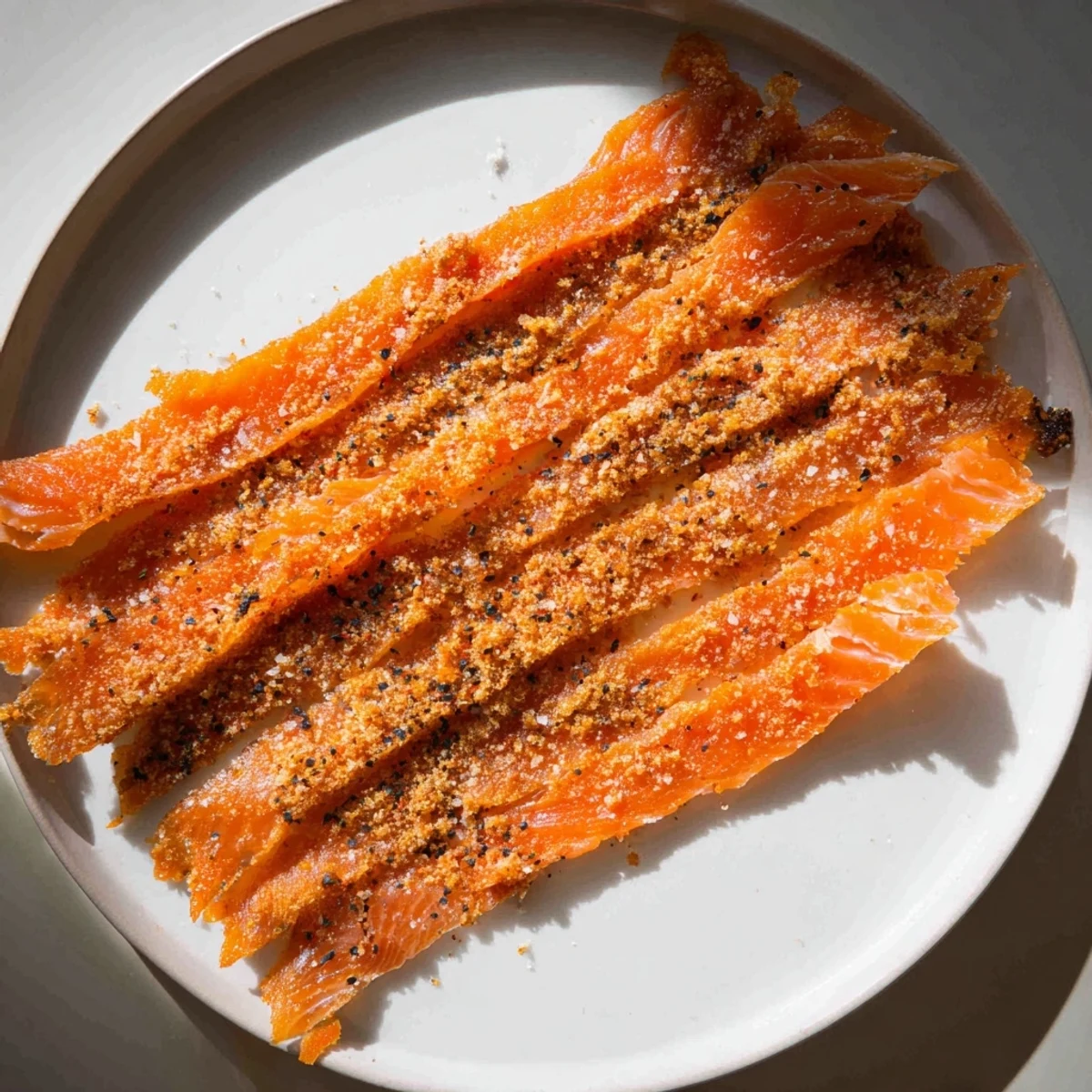
Save Transform salmon skin into irresistibly crispy chips by baking at high heat after seasoning with olive oil, sea salt, and pepper. Pressing with parchment prevents curling and ensures even crispness. These savory bites offer a flavorful snack or appetizer rich in protein and perfect for pescatarian diets. Enhance taste by experimenting with smoked paprika or garlic powder, and serve with complementary dipping sauces like wasabi mayo or soy sauce. Store leftovers airtight for fresh enjoyment within two days.
I discovered salmon skin chips by accident during a Friday night when I was cleaning a whole salmon and couldn't bear to throw away the skin. Out of habit, I brushed it with oil and roasted it while prepping the fillets, half expecting it to taste fishy. Instead, what came out of the oven was impossibly crispy and almost bacon-like in its salty crunch. My partner couldn't stop eating them straight off the cooling rack, and I've been making them ever since.
The first time I served these at a dinner party, I almost didn't mention what they were made from until someone asked. That moment when they realized crispy, salty perfection came from salmon skin changed how everyone thought about the whole fish. Now they're my go-to when I want to seem like I've put in effort without the stress.
Ingredients
- Salmon skin strips (4 pieces, about 20 cm each, cleaned and scaled): Ask your fishmonger to scale them for you if you're nervous—this step matters because unscaled skin turns unpleasantly bumpy when roasted.
- Olive oil (1 tablespoon): The thin coating creates that essential golden crust and helps the seasoning stick without burning.
- Sea salt (1/2 teaspoon): Coarse salt brings out the salmon's natural brininess and sticks better than fine salt.
- Freshly ground black pepper (1/4 teaspoon): Crack it yourself right before cooking for a fresher, sharper bite than pre-ground.
- Smoked paprika (1/4 teaspoon, optional): This adds a subtle depth that makes people wonder what your secret ingredient is.
- Garlic powder (1/4 teaspoon, optional): A whisper of garlic rounds out the flavors without overpowering the delicate salmon taste.
Instructions
- Heat your oven and prep the pan:
- Set the oven to 200°C (400°F) and line a baking sheet with parchment paper. A hot oven is what turns skin into something crackling and golden rather than tough and chewy.
- Dry the salmon thoroughly:
- Pat each strip with paper towels until the surface feels completely dry—any moisture trapped underneath steam-cooks the skin instead of crisping it. This is the quiet moment where everything is decided.
- Coat with oil and season:
- Brush both sides with olive oil, then scatter your chosen seasonings evenly across the skin-side. If you're using the paprika and garlic, add them now for maximum flavor.
- Create a parchment press:
- Place the salmon strips skin-side up on the prepared sheet, then lay another sheet of parchment over them and weigh it down with a second baking sheet. This gentle pressure keeps the skin flat as it cooks instead of buckling and curling.
- Roast until golden and crisp:
- Bake for 12 to 15 minutes, watching after the 10-minute mark—you want deep golden brown edges with a crackling texture. The kitchen will smell incredible and tell you exactly when to check them.
- Cool and break apart:
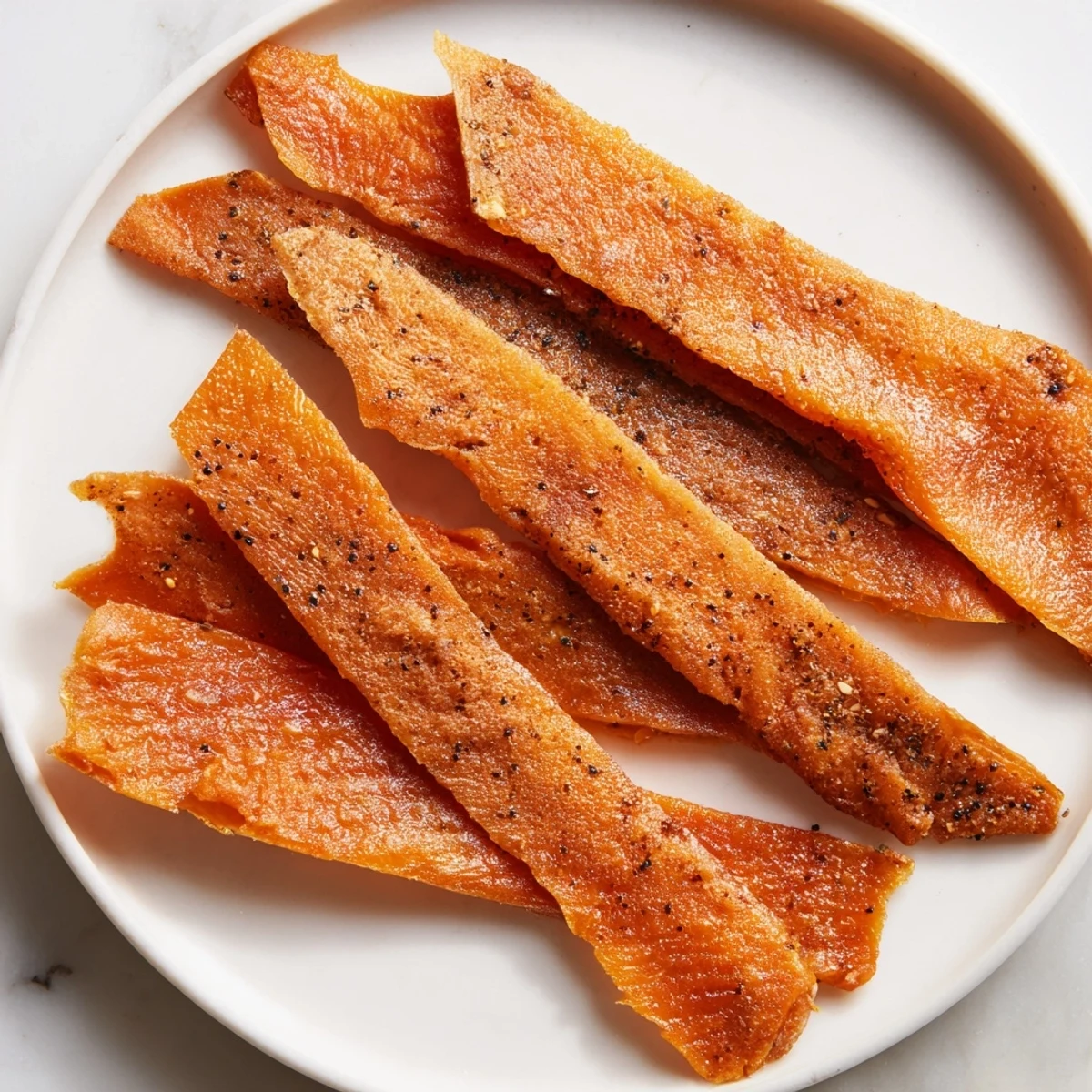
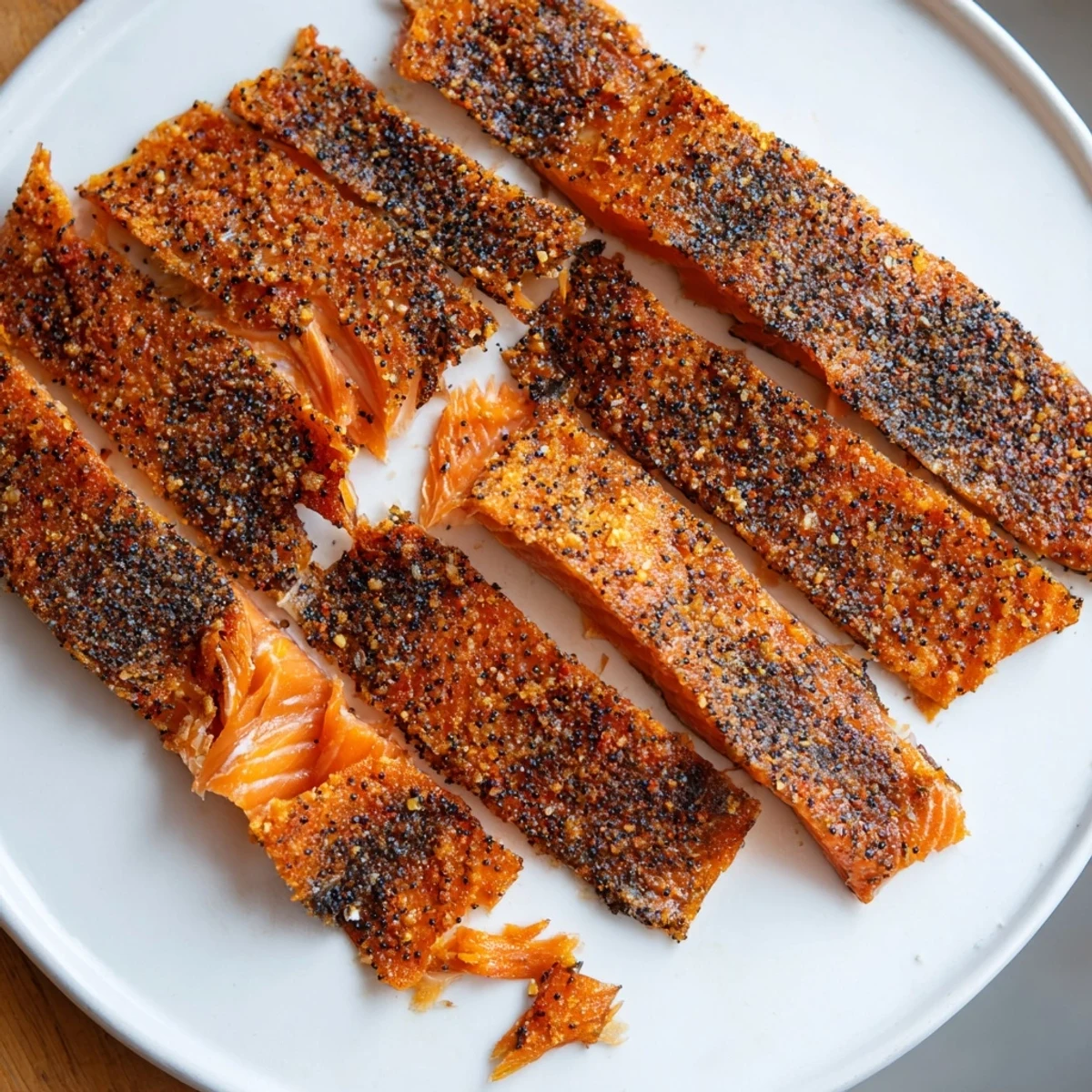
- Let them rest on the pan for a few minutes so the final crispness settles in, then break into chips or serve as elegant strips. They toughen slightly as they cool, which is exactly what you want.
 Save
Save I remember my grandmother tasting these for the first time and saying they were the most honest thing I'd ever made—no pretense, just good ingredients treated with respect. Something shifted after that about how I approached cooking, even simple things.
Flavor Variations Worth Exploring
The beauty of salmon skin is its neutral canvas—it accepts flavors generously without losing its own character. I've experimented with everything from a light sprinkle of chili flakes and lemon zest to toasted sesame seeds and a touch of soy sauce brushed on before roasting. Even just finishing with fleur de sel and nothing else tastes restaurant-quality. Each version feels different but equally craveable.
Serving and Pairing Ideas
These work beautifully as a standalone snack—honestly the best way to eat them is while they're still warm, standing in the kitchen with your fingers slightly oily. They also elevate casual meals when sprinkled over salads, served alongside creamy dips like wasabi mayo or sour cream and chives, or even crushed gently to add texture to grain bowls. The salty crunch makes everything it touches feel more refined.
Storage and Leftover Life
These keep their crispness in an airtight container for two days at room temperature, though they rarely last that long in my house. If they do soften, a quick five-minute reheat in a 180°C oven brings back nearly all their original crackle. Works beautifully with both fresh salmon skin and the trimmed skin left over from filleting, provided everything is thoroughly cleaned and scaled.
- Store cooled chips in an airtight glass container rather than plastic, which holds moisture and makes them soften faster.
- Try crushing leftover chips and sprinkling them over soups or roasted vegetables for an unexpected savory crunch.
- If you're buying salmon for fillets, ask the fishmonger to save you extra skin—many will give it away since most people don't want it.
 Save
Save These simple, crispy chips remind me that the best dishes often come from using every part of what you cook with, treating each ingredient like it deserves attention. Make them once and they'll become your quiet favorite.
Recipe FAQ
- → How do I prevent salmon skin from curling while baking?
-
Placing parchment paper on top of the salmon skin strips and weighing them down with another baking sheet helps keep them flat and ensures even crisping.
- → Can I add extra spices to enhance the flavor?
-
Yes, smoked paprika, garlic powder, chili flakes, or lemon zest can be added before baking to boost the flavor profile of the chips.
- → What dipping sauces pair well with salmon skin chips?
-
Wasabi mayo, soy sauce, or citrus-based dips complement the crispy texture and savory taste of the chips excellently.
- → How should I store the crispy chips to maintain freshness?
-
Store the cooled chips in an airtight container at room temperature for up to two days to preserve crispness.
- → Is it necessary to clean and scale the salmon skin before use?
-
Yes, removing scales and thoroughly cleaning the salmon skin ensures a pleasant texture and prevents any gritty bites.