
 Save
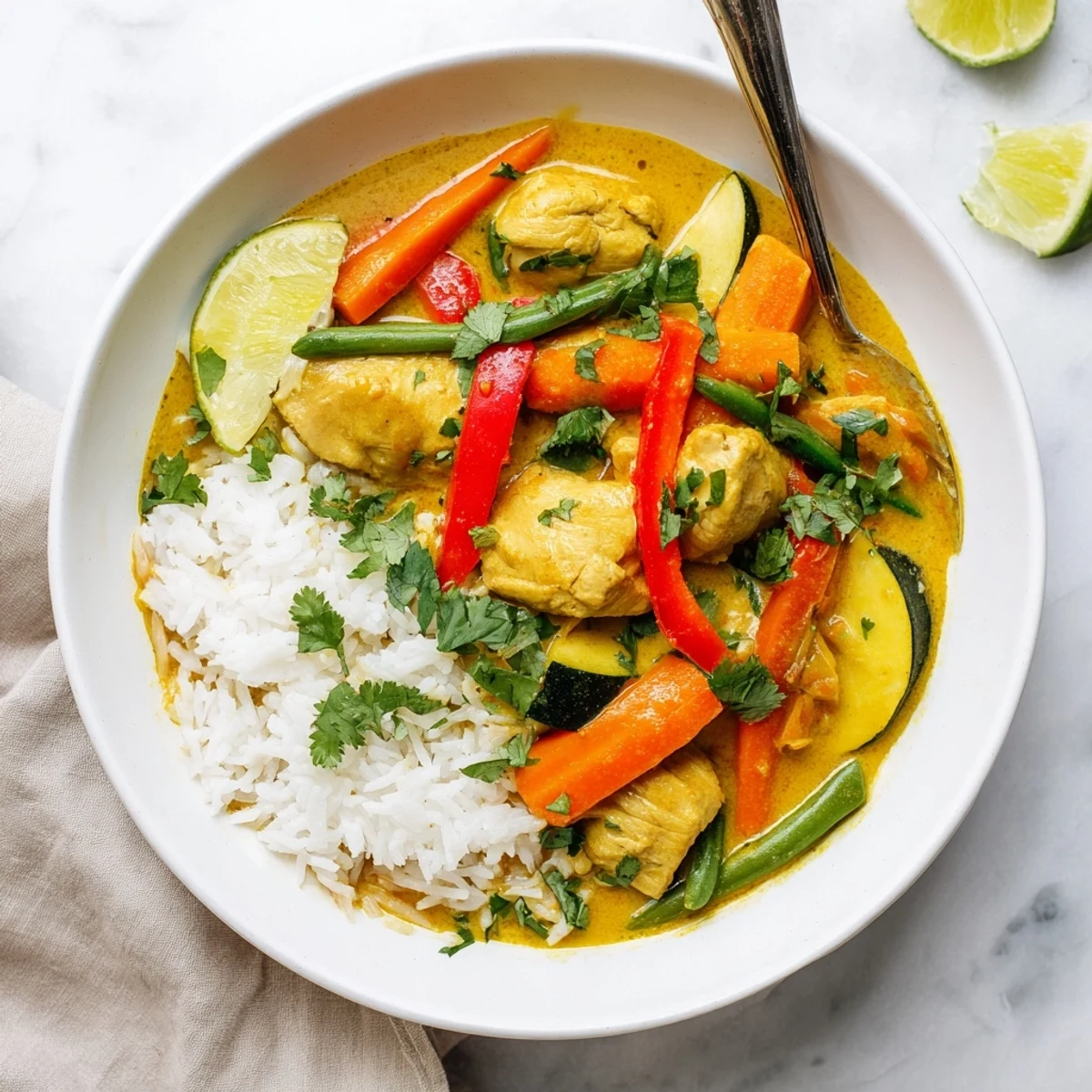
Save This aromatic yellow jungle curry brings the vibrant flavors of Thai cuisine to your kitchen. Tender chicken thighs simmer slowly in a velvety coconut milk base infused with fragrant yellow curry paste, fresh lemongrass, ginger, and garlic. Colorful vegetables including bell peppers, zucchini, carrots, and green beans add texture and nutrition to every bowl. The dish balances the rich creaminess of coconut with the savory depth of fish sauce and a touch of sweetness from brown sugar. Ready in under an hour, this curry delivers restaurant-quality results with simple techniques. Serve over fluffy jasmine rice or rice noodles, garnished with fresh cilantro and zesty lime wedges for the perfect finish.
The first time yellow curry filled my tiny apartment kitchen, I actually laughed out loud at how something so vibrant could emerge from such humble ingredients. I was attempting to recreate a dish from a trip to Chiang Mai, and honestly, the result smelled better than anything I had there. The way turmeric stains everything golden has become my favorite kind of kitchen mess.
Last winter when my best friend was going through a rough patch, I made this curry and watched her shoulders actually drop as she took that first bite. Something about the combination of creamy coconut and that gentle heat from yellow curry paste just feels like a warm blanket. We ate standing up in my kitchen, both too impatient to bother with the table.
Ingredients
- 600 g boneless skinless chicken thighs: Thighs stay tender and juicy unlike breasts which can turn into sad little rubber bits in curry
- 1 red bell pepper: Brings sweetness that balances the heat and looks absolutely gorgeous against the yellow sauce
- 1 zucchini: Adds texture without overwhelming the delicate curry flavors
- 1 carrot: Julienned thin so they cook through but still keep that satisfying crunch
- 100 g green beans: Trim them yourself instead of buying pretrimmed, the difference in freshness shows
- 1 onion: Thinly sliced so they practically dissolve into the sauce like they should
- 3 cloves garlic: Freshly minced only, jarred garlic has this weird preserved taste I cannot stand
- 1 tbsp fresh ginger: Grate it right into the pan so the oils go straight where they belong
- 2 stalks lemongrass: Bruise them with the back of your knife to wake up all those citrusy oils
- 3 kaffir lime leaves: Worth hunting down at an Asian market but the curry survives without them
- 1 handful fresh cilantro: More than garnish, this brings brightness that cuts through the rich coconut
- 2 tbsp yellow curry paste: Red Thai paste is not the same thing, yellow has this milder sweeter profile
- 400 ml coconut milk: Shake the can hard before opening or you get all the thick cream at the bottom
- 200 ml chicken stock: Homemade makes it nextlevel but a good quality boxed one works fine
- 1 tbsp fish sauce: Do not be scared of the smell, it transforms into pure umami magic when cooked
- 1 tbsp soy sauce: Use tamari if you need glutenfree, the flavor is basically identical
- 1 tsp brown sugar: Just enough to round out the sharp edges without making it sweet
- 1 tbsp vegetable oil: A neutral oil lets the curry paste shine without competing
Instructions
- Build your flavor foundation:
- Heat that vegetable oil in your biggest wok or deepest skillet over medium heat, then toss in the sliced onion. Let it soften for about 2 minutes until it turns translucent and smells amazing.
- Wake up the aromatics:
- Add the garlic, grated ginger, and those bruised lemongrass pieces. Cook for just one minute, stirring constantly so the garlic does not burn and turn bitter.
- Bloom the curry paste:
- Stir in your yellow curry paste and let it cook for a full minute. Watch how the oil starts to separate and turn fragrant, this is where the real flavor happens.
- Sear the chicken:
- Add the chicken pieces and sauté until they are lightly browned on all sides, about 5 minutes. Do not crowd the pan or they will steam instead of getting that nice color.
- Create the sauce:
- Pour in the coconut milk and chicken stock, stirring everything together. Add the fish sauce, soy sauce, brown sugar, and kaffir lime leaves if you managed to find them.
- Add the vegetables:
- Once the sauce is gently simmering, toss in the bell pepper, zucchini, carrot, and green beans. Let everything cook uncovered for 15 to 20 minutes until the chicken is cooked through and the vegetables are tender but not mushy.
- Finish and serve:
- Remove the lemongrass stalks and kaffir lime leaves before serving. Taste and adjust the seasoning if it needs anything, then serve over steamed jasmine rice with plenty of fresh cilantro and lime wedges.
 Save
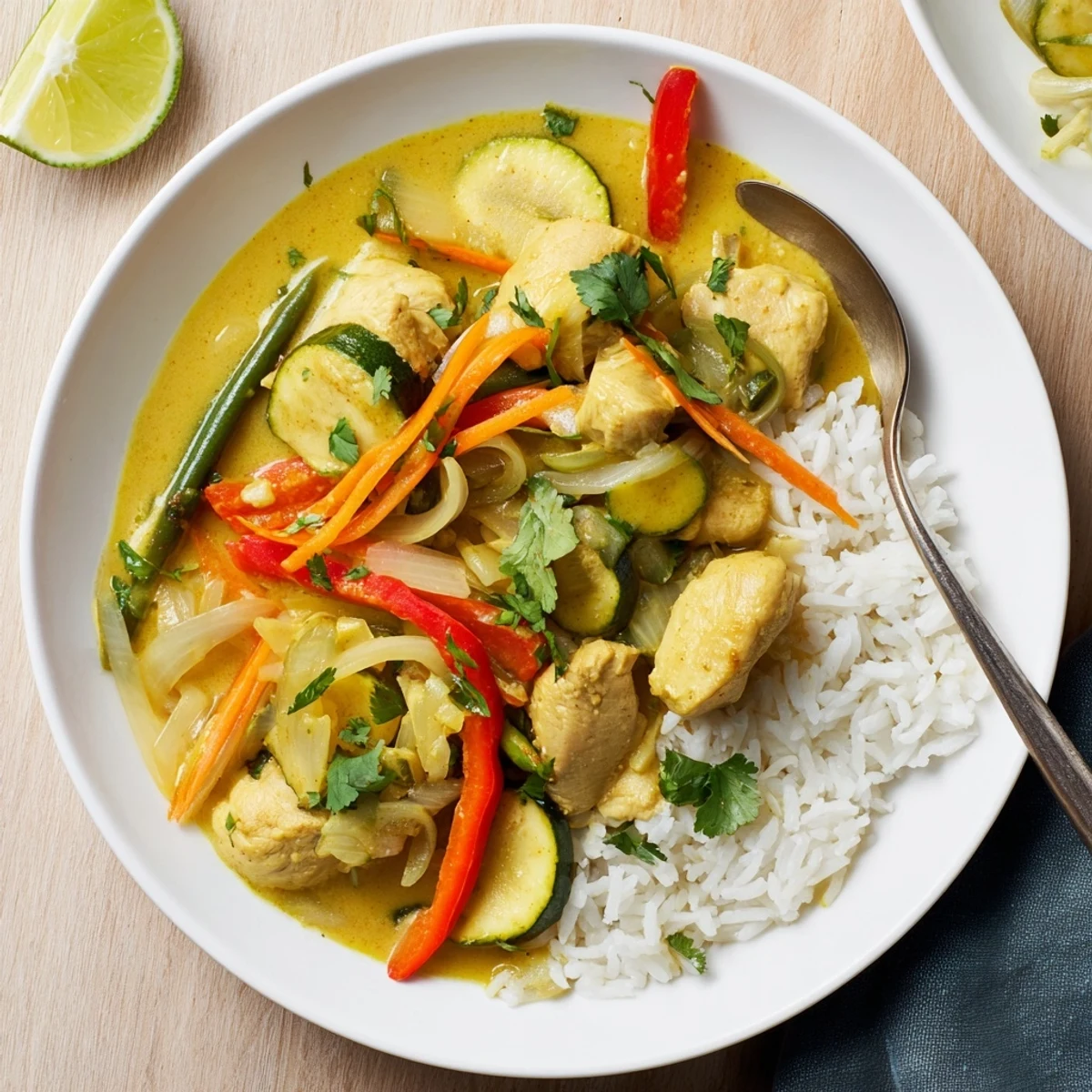
Save This recipe became my goto dinner whenever life feels overwhelming and I need something that feels like a hug in a bowl. The process is meditative in its own way, stirring while the kitchen fills with these incredible layers of aroma.
Making It Your Own
Once you are comfortable with the base recipe, start playing with the vegetables based on what is in your fridge or what looks good at the market. Sweet potatoes work beautifully here, and baby spinach added at the very end brings this lovely fresh contrast to the rich sauce.
Perfecting The Rice
Jasmine rice is the traditional choice for a reason, its floral notes complement the curry perfectly. Rinse your rice until the water runs clear before cooking to remove excess starch, which keeps each grain separate and fluffy instead of clumping together.
Making It A Complete Meal
A simple cucumber salad dressed with rice vinegar and a pinch of sugar cuts through the richness beautifully. I also love serving crunchy pickled vegetables on the side for that satisfying contrast of temperatures and textures.
- Set out crushed peanuts at the table for anyone who wants extra crunch
- Keep sliced chilies handy for the heat lovers in your life
- Never skip the lime wedges, that squeeze of acid makes everything pop
 Save
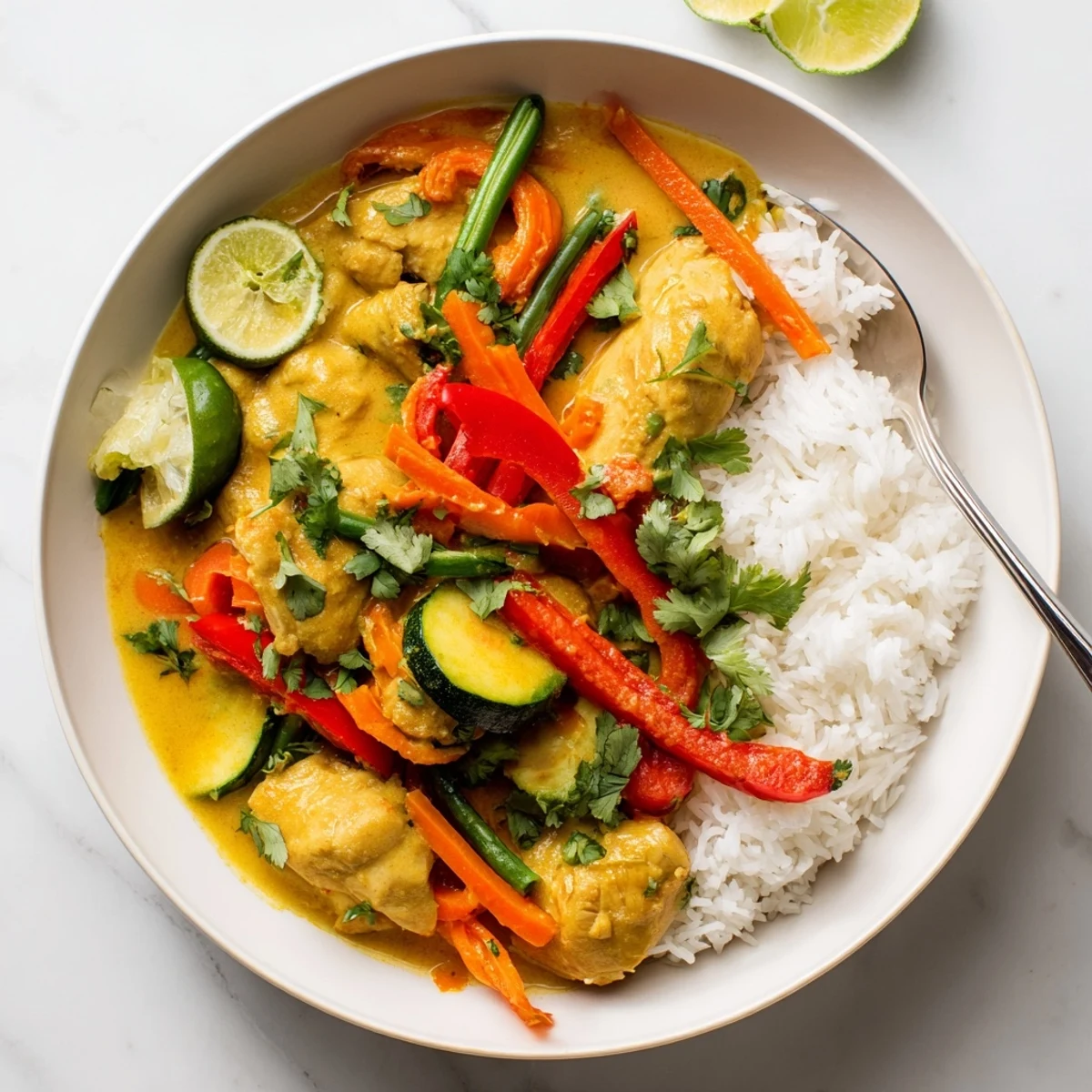
Save There is something deeply satisfying about making curry from scratch, watching the transformation from simple ingredients into something that feels like comfort and adventure all at once.
Recipe FAQ
- → What makes this a jungle curry?
-
Traditional Thai jungle curry is distinctively water-based without coconut milk, though this version incorporates coconut milk for creaminess. The 'jungle' name historically referred to dishes made with whatever vegetables and ingredients could be foraged from the jungle, resulting in bold, herbal flavors and abundant fresh vegetables.
- → Can I adjust the spice level?
-
Absolutely. The base heat comes from the yellow curry paste. Start with less paste for milder flavor, or add fresh sliced chilies and chili flakes for extra kick. The coconut milk naturally helps temper the spice, so you can balance heat to your preference while maintaining the rich, aromatic character of the dish.
- → What vegetables work best in this curry?
-
The combination of bell peppers, zucchini, carrots, and green beans provides excellent texture and color. You can also incorporate eggplant, bamboo shoots, baby corn, or snap peas. Add harder vegetables like carrots earlier in cooking, while delicate greens like spinach or bok choy should be added in the last few minutes.
- → Is this curry suitable for meal prep?
-
This curry actually improves after resting. The flavors meld and develop beautifully overnight, making it ideal for meal prep. Store in airtight containers for up to 4 days in the refrigerator. The coconut milk may solidify when cold—simply reheat gently on the stovetop or microwave, stirring to restore the creamy consistency.
- → Can I make this vegetarian?
-
Yes, substitute chicken with firm tofu or chickpeas for protein. Replace fish sauce with vegetarian fish sauce or additional soy sauce. Use a vegetarian yellow curry paste, as some traditional pastes contain shrimp paste. The result remains delicious with the same aromatic coconut base and fresh vegetables.
- → What's the purpose of kaffir lime leaves?
-
Kaffir lime leaves impart a unique citrusy, floral aroma that's distinctly Thai. They release their essential oils during simmering, adding depth that lemon or lime juice alone cannot achieve. If unavailable, you can substitute with lime zest added near the end of cooking, though the flavor profile will be slightly different.