
 Save
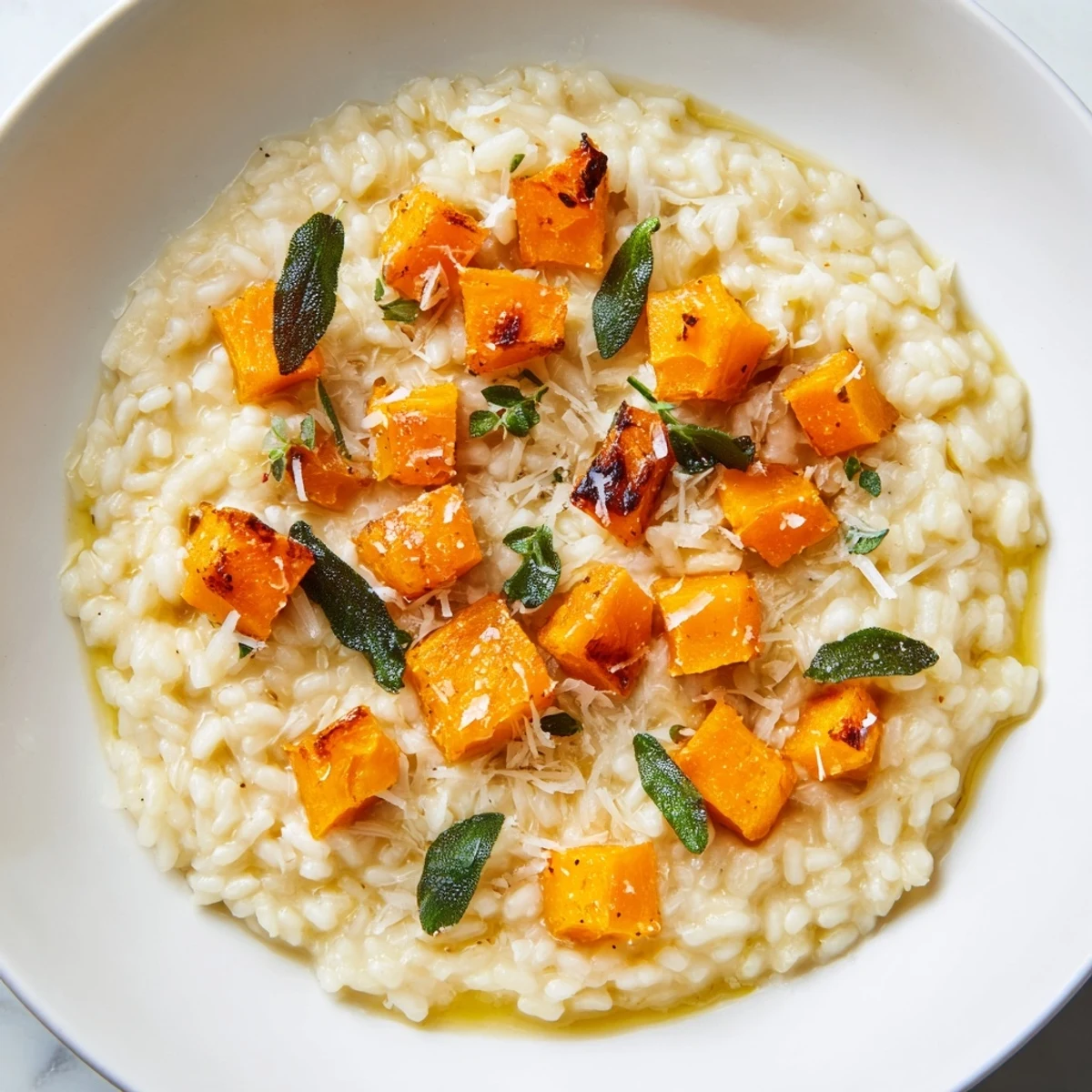
Save This creamy dish features tender roasted winter squash combined with Arborio rice cooked to a velvety texture. Aromatic herbs like sage and optional nutmeg deepen the flavor, while Parmesan cheese enriches the creaminess. Roasting the squash brings out its natural sweetness, creating a comforting and warm meal perfect for chilly evenings. The method involves slow absorption of warm stock for an al dente finish and a silky consistency.
Simple seasonings like garlic, onion, and olive oil build a flavorful base. A splash of white wine adds subtle acidity, balancing the richness. This dish yields four servings and can be adjusted for dietary preferences by substituting vegan butter and cheese. Paired well with crisp white wine, it offers a satisfying vegetarian main course.
I discovered winter squash risotto on a November evening when the farmer's market was overflowing with butternut squashes the color of burnished gold. I'd been craving something warm and substantial, and there was something about the way the vendor arranged those squashes that sparked an idea. That first time I made it, stirring the creamy rice as the roasted squash melted into the risotto, I knew I'd found a recipe that would become part of my regular rotation. Now, whenever the weather turns crisp, this is the dish I return to.
I remember making this for my neighbor Sarah on a cold December night when she was going through a difficult time. She arrived at my door with red eyes, and within twenty minutes, the smell of caramelizing squash had somehow shifted the energy in the room. By the time I set a steaming bowl in front of her, she was smiling again. Food has this quiet power sometimes, and risotto seems to unlock it especially well.
Ingredients
- Winter squash (1 medium, about 1.5 lbs): Butternut or acorn squash works beautifully here—the flesh becomes silky and sweet when roasted. I've found that peeling and dicing the squash first, rather than roasting it whole, saves time and ensures even cooking. Don't skip the roasting step; it caramelizes the edges and deepens the flavor.
- Arborio rice (1 1/2 cups): This short-grain rice is essential for risotto because its high starch content creates that signature creamy texture. Regular long-grain rice won't give you the same luxurious result, so this is one ingredient worth honoring exactly.
- Vegetable stock (5 cups): Keep this warm in a separate pot or kettle throughout cooking. Adding cold stock will shock the rice and interrupt the creaming process. Homemade stock makes a noticeable difference, but a good quality store-bought version works just fine.
- Unsalted butter (3 tbsp, divided): Butter is what turns risotto from simply rice into something silky and luxurious. Use good butter if you can—it makes a genuine difference in the final flavor.
- Parmesan cheese (1/2 cup grated, plus more for serving): Freshly grated Parmesan is crucial; pre-shredded versions contain anti-caking agents that prevent the creamy emulsion from forming properly. Grate it just before cooking if you have time.
- Dry white wine (1/2 cup, optional but recommended): The wine adds brightness and depth. I skip it only when I don't have any on hand, and I genuinely notice the difference.
- Fresh sage (1 tbsp chopped): Sage and squash are old friends in the kitchen—this herb brings an earthy, slightly peppery note that elevates the whole dish. Fresh is always preferable to dried, but both work.
- Olive oil (2 tbsp), salt, pepper, and nutmeg: These seasonings build the foundation. A whisper of nutmeg at the end adds a sophisticated warmth without announcing itself.
Instructions
- Prepare and roast the squash:
- Preheat your oven to 400°F. Peel and seed your squash, then dice it into roughly 1/2-inch pieces. Toss these pieces with 1 tablespoon of olive oil, a pinch of salt, and some pepper, then spread them on a baking sheet in a single layer. Roast for 20 to 25 minutes, stirring halfway through, until the edges are lightly caramelized and the flesh is completely tender. This step is where much of the flavor develops, so don't rush it or skip it.
- Build the flavor base:
- While the squash roasts, warm your vegetable stock in a separate pot and keep it at a gentle simmer. In a large saucepan, warm the remaining olive oil and 1 tablespoon of butter over medium heat. Add your finely chopped onion and cook gently, stirring occasionally, until it becomes translucent and soft—this takes about 3 minutes. You're not looking for color here, just softness and fragrance. Add your minced garlic and stir for about 1 minute until the aroma blooms through your kitchen.
- Toast the rice:
- Pour in your Arborio rice and stir constantly for 2 minutes. You'll notice the edges of the rice grains starting to look translucent while the centers remain opaque and white—this is the exact moment you're aiming for. This brief toasting step seals the grain and helps create that creamy texture later.
- Deglaze with wine:
- If you're using wine, pour it in now and stir gently until the rice has absorbed all the liquid. You'll see the pan go from glossy to dry again. This is a crucial step because the acidity in the wine not only adds flavor but helps break down the starch in the rice, contributing to creaminess.
- Add stock gradually and stir with intention:
- Begin adding your warm stock, one ladle at a time. After adding each ladleful, stir frequently—not constantly, but regularly—allowing the liquid to absorb into the rice before adding the next ladle. This gradual addition and stirring releases the starch from the rice, which is what creates that creamy sauce without any added cream. This process takes about 18 to 20 minutes, and it's the most important part of making risotto. The stirring and waiting is meditative; this is when I usually pour myself a glass of wine and enjoy the moment.
- Finish with squash and herbs:
- Once the rice is tender but still has a slight bite to it (al dente), stir in your roasted squash, the nutmeg, and the fresh sage. Cook together for 2 more minutes, stirring gently to combine and warm through.
- Cream and serve:
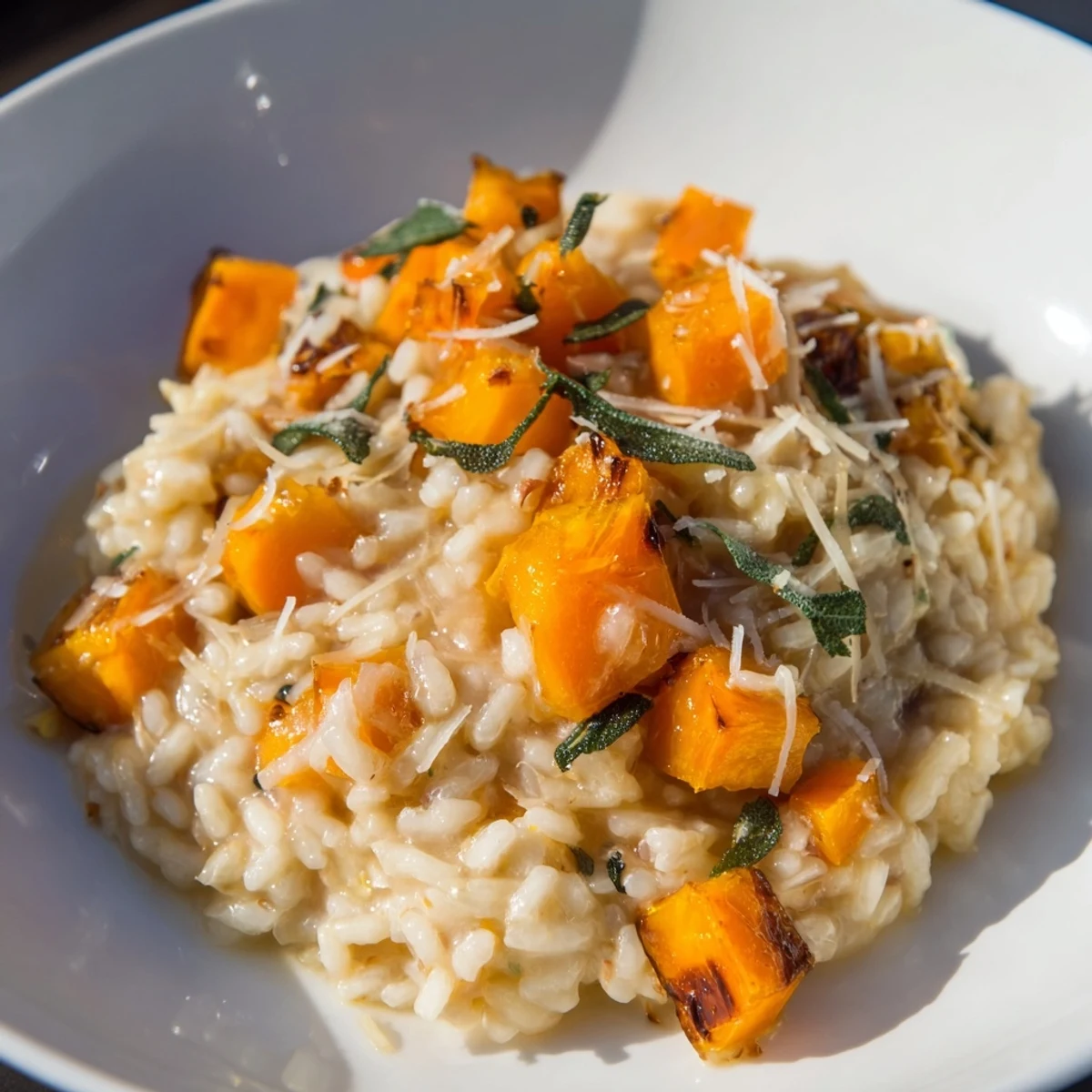
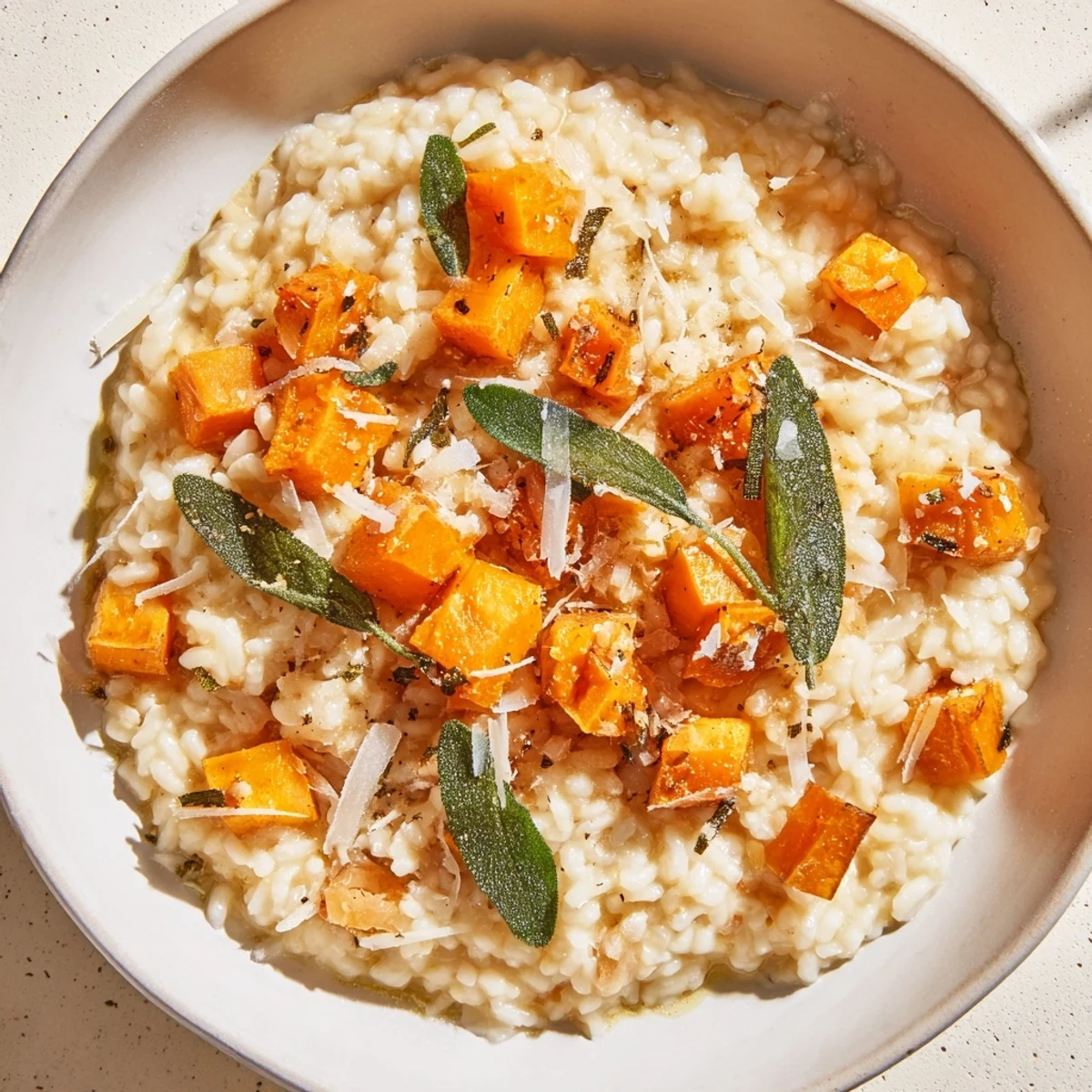
- Remove the pan from heat. Add the remaining 2 tablespoons of butter and your grated Parmesan cheese. Stir vigorously for about 30 seconds—this vigorous stirring helps emulsify the butter and cheese with the starchy rice liquid, creating an incredibly creamy consistency. Taste and adjust with additional salt and pepper if needed. Serve immediately in warm bowls, topped with extra Parmesan and a few sage leaves.
 Save
Save The first time someone asked for seconds of this risotto, before I'd even finished my own bowl, I felt that quiet satisfaction that comes from feeding people well. Risotto has a way of bringing people into the moment—there's something about the warmth and creaminess that makes conversation flow more easily, laughter come more naturally. It became my go-to dish for those evenings when I wanted to show someone I cared enough to spend time at the stove.
The Secret of Risotto: Understanding the Process
Risotto isn't difficult, but it does require presence and attention. The magic happens because of how the rice releases its starch into the cooking liquid as you stir—this starch creates the creamy sauce, not heavy cream or lots of butter. Understanding this transformed the way I approached the recipe. Once I realized I was literally creating creaminess through technique rather than relying solely on dairy, I became more patient with the stirring process and more respectful of each step. There's something almost alchemical about watching rice transform in real-time under your wooden spoon.
Variations and Adaptations
This risotto is a canvas for the seasons and your pantry. I've added crispy pancetta for richness, sautéed mushrooms for earthiness, and even a handful of fresh greens stirred in at the very end. The structure stays the same—the squash can be swapped for pumpkin, carrots, or other roasted vegetables depending on what looks beautiful at the market. For a vegan version, use plant-based butter and a quality vegan Parmesan alternative; the risotto will still achieve creaminess through the rice starch and the fat you use. I've also made it with vegetable broth infused with sage and thyme, which adds another layer of flavor without any extra effort.
Serving and Pairing Suggestions
Serve risotto immediately in warm, shallow bowls—this keeps it at the perfect temperature and shows off its creamy texture beautifully. A crisp white wine like Pinot Grigio, Vermentino, or even a dry Riesling pairs wonderfully, the acidity cutting through the richness. I often serve this with a simple green salad dressed with lemon and good olive oil, or alongside roasted vegetables that echo the seasons. The risotto is substantial enough to be a complete meal on its own, but if you're serving it as a first course at dinner, smaller portions work perfectly. A few final thoughts from my kitchen to yours: don't rush the stock addition, taste constantly to adjust seasonings, and remember that risotto waits for no one—serve it the moment it's finished, when it's most creamy and luxurious. The beauty of this dish is that it rewards patience and attention with something truly comforting.
- Use a ladle to measure and pour the stock—this ensures consistent portions and makes the process feel more ritualistic
- Keep your Parmesan grater and a block of cheese nearby; adding freshly grated cheese at the table is a small luxury that guests always notice
- If you find the risotto has thickened too much when you finish, stir in a ladleful of warm stock or a splash of warm water to reach the proper consistency
 Save
Save Winter squash risotto taught me that some of the most comforting foods don't require long ingredient lists or complicated techniques—they just require presence, good ingredients, and a willingness to stir slowly. This is a recipe I'll make again and again.
Recipe FAQ
- → What type of squash works best?
-
Butternut or acorn squash are ideal due to their sweetness and texture when roasted.
- → Can I skip the white wine?
-
Yes, the wine is optional; it adds depth but warm stock alone will still produce a creamy result.
- → How do I achieve the creamy texture?
-
Slowly adding warm stock to Arborio rice and stirring frequently allows the starches to release, creating the signature creaminess.
- → What herbs complement this dish?
-
Fresh sage enhances the earthiness of the squash, while a touch of nutmeg adds warmth without overpowering.
- → Can it be made vegan?
-
Substitute plant-based butter and vegan cheese to enjoy a dairy-free version without sacrificing creaminess.
- → How should leftovers be stored?
-
Refrigerate in an airtight container for up to three days and gently reheat with a splash of stock or water to restore creaminess.