
 Save
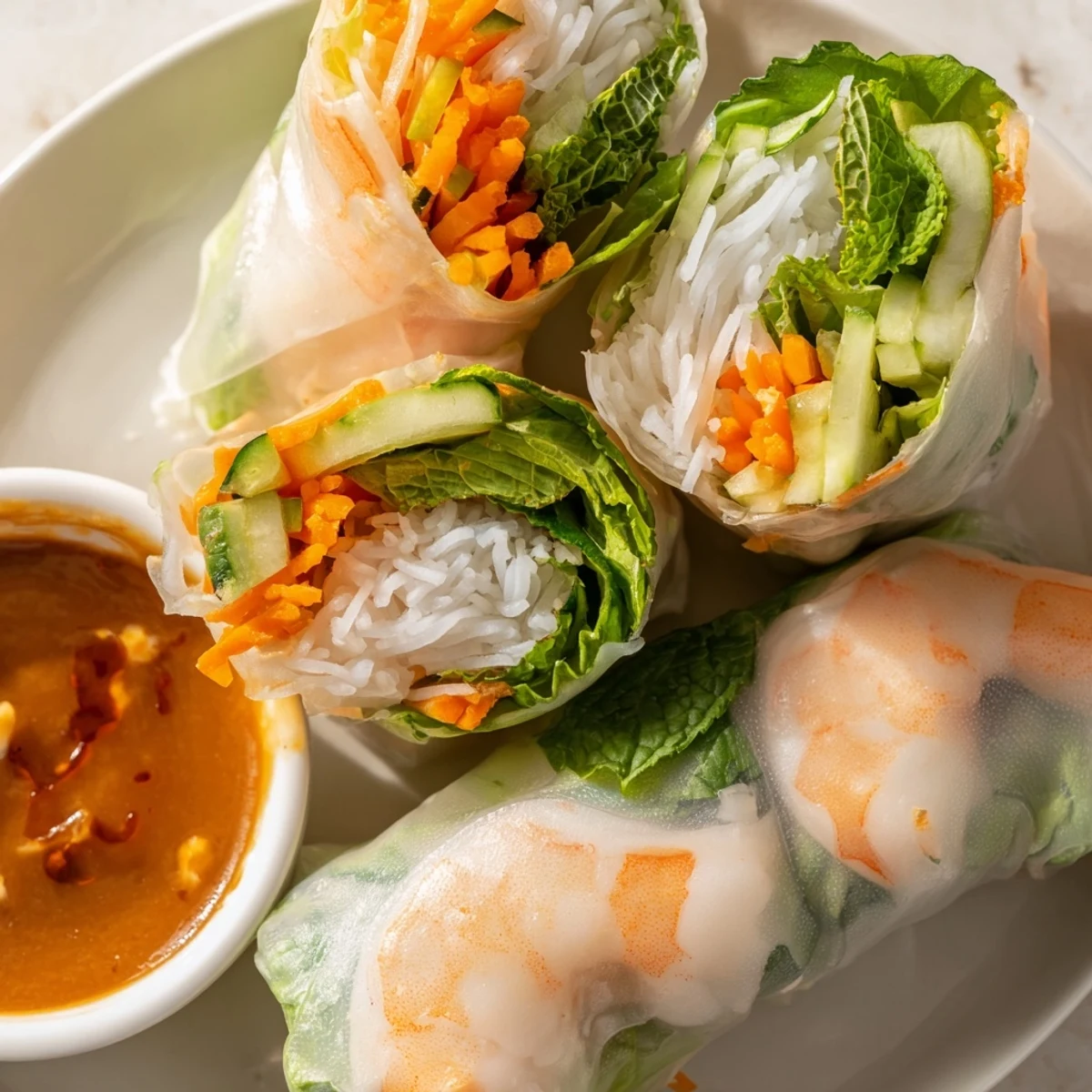
Save Create these light and refreshing Vietnamese spring rolls featuring crisp vegetables, fragrant herbs, and your choice of protein all wrapped in delicate rice paper. The process involves preparing rice vermicelli noodles, julienne-cut vegetables, and fresh mint, cilantro, and Thai basil. Each roll gets carefully wrapped using warm water-softened rice paper, then folded into tight cylinders. The accompanying peanut dipping sauce combines peanut butter, hoisin, soy sauce, lime juice, and optional sriracha for a perfectly balanced creamy, sweet, and spicy finish. Ready in just 40 minutes with minimal cooking required.
The first time I attempted fresh spring rolls, my kitchen looked like a paper wrapper graveyard. I learned quickly that there's a sweet spot between too stiff and too soggy, and now making these has become one of my favorite kitchen meditations. Something about wrapping fresh vegetables in translucent rice paper feels like folding edible origami.
My friend Lan invited me over for a summer afternoon of roll-making years ago, and I watched her hands move with practiced rhythm, tucking and folding like second nature. We sat at her table with our fingers sticky from rice paper and sauce, laughing through the messy first attempts until we found our groove.
Ingredients
- Rice paper wrappers: These delicate rounds transform in warm water, so work quickly and confidently once they soften
- Rice vermicelli noodles: Cook them just until tender, then rinse with cold water to stop them from clumping together
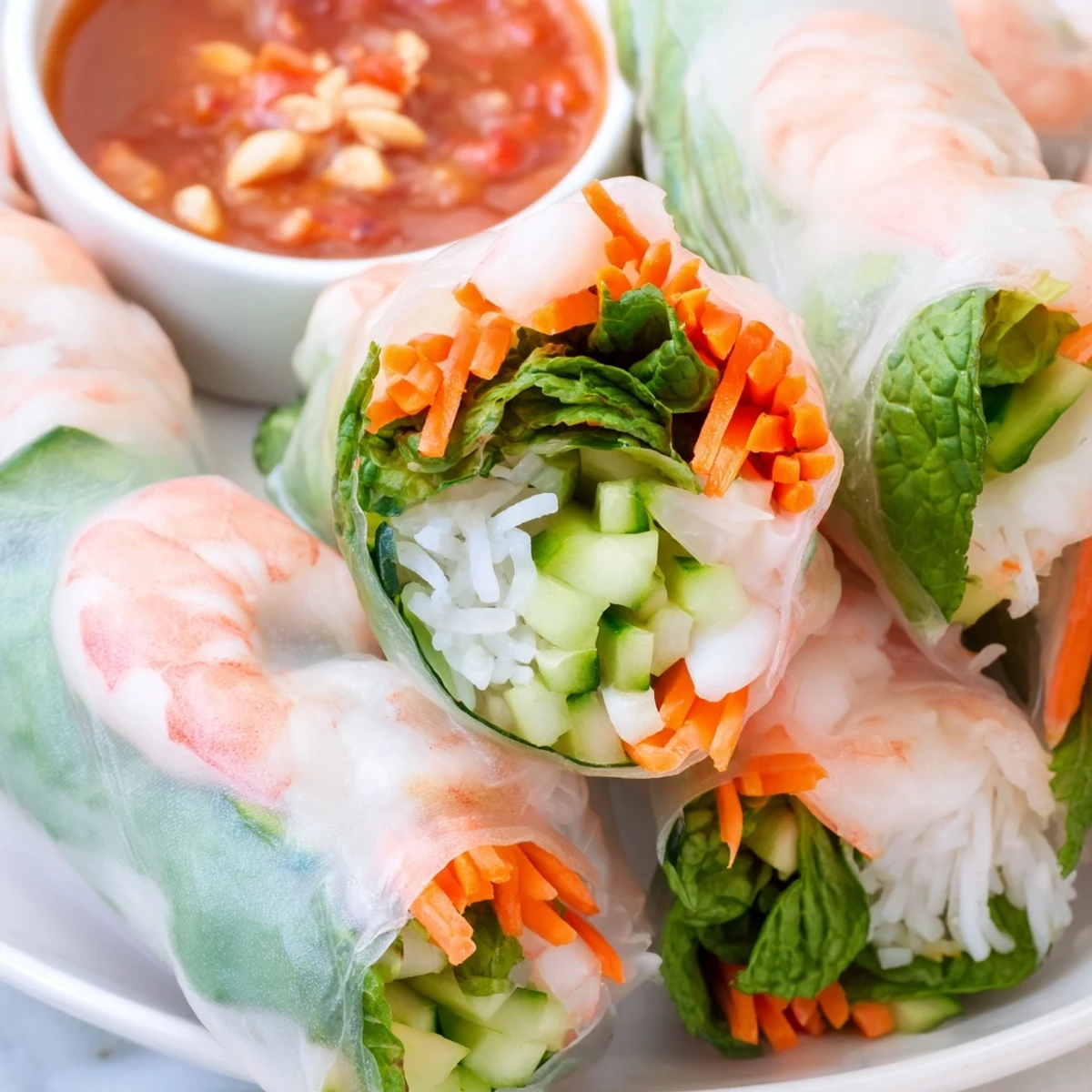
- Cooked shrimp: Halved lengthwise, they create beautiful pink stripes showing through the translucent wrapper
- Carrot and cucumber: Julienned into thin matchsticks, they provide essential crunch and contrast to the soft herbs
- Fresh herbs: The combination of mint, cilantro, and Thai basil is nonnegotiable for authentic flavor
- Peanut butter: Use natural peanut butter for the sauce, avoiding brands with added sugar that can make it cloyingly sweet
Instructions
- Prepare the noodles:
- Soak vermicelli in hot water for 5 to 7 minutes until soft, then drain and rinse thoroughly with cold water to stop the cooking process.
- Set up your rolling station:
- Arrange all ingredients in separate bowls within arm's reach, and fill a large shallow bowl with warm water for dipping the wrappers.
- Soften the rice paper:
- Dip one wrapper into the warm water for just 5 to 8 seconds, feeling it soften while maintaining some structure.
- Layer your filling:
- Place lettuce on the lower third of the wrapper, followed by noodles, vegetables, herbs, and 2 to 3 shrimp halves with the cut side facing up.
- Roll it tight:
- Fold the bottom over the filling, fold in both sides, then roll forward gently but firmly to create a tight cylinder.
- Whisk the sauce:
- Combine peanut butter, hoisin, soy sauce, lime juice, and sriracha with warm water until you achieve a pourable, creamy consistency.
 Save
Save These rolls have become my go-to contribution to summer potlucks because they travel beautifully and always disappear first. There's something universally appealing about food you can see through, with all those vibrant layers visible like edible stained glass.
Making Ahead Without Sogginess
If you need to prep these in advance, lay the finished rolls on a damp paper towel and cover them tightly with plastic wrap, being careful not to let the plastic touch the wrappers directly. They'll stay fresh for about two hours, but honestly, they're best eaten immediately while the rice paper still has that slight toothsome texture.
Protein Variations That Work
While shrimp is classic, I've fallen in love with using poached chicken breast or thin strips of seasoned, pan-fried tofu. The key is slicing your protein into uniform pieces that roll easily without tearing the delicate wrapper. Leftover grilled salmon has also made surprise appearances at my table.
Common Rolling Mistakes to Avoid
The most common error is overstuffing your rolls, which causes the rice paper to tear and makes them impossible to eat gracefully. Another issue is not tearing the lettuce leaves to size first, resulting in awkward protruding greens that make rolling uneven. Remember that you'll be folding the sides in, so keep your filling centered and compact rather than spreading it across the entire wrapper surface.
- Keep a bowl of warm water nearby to clean your fingers between rolls
- If a wrapper tears, simply layer a small piece of fresh rice paper over the damaged area
- Practice makes perfect, and even imperfect rolls taste exactly the same
 Save
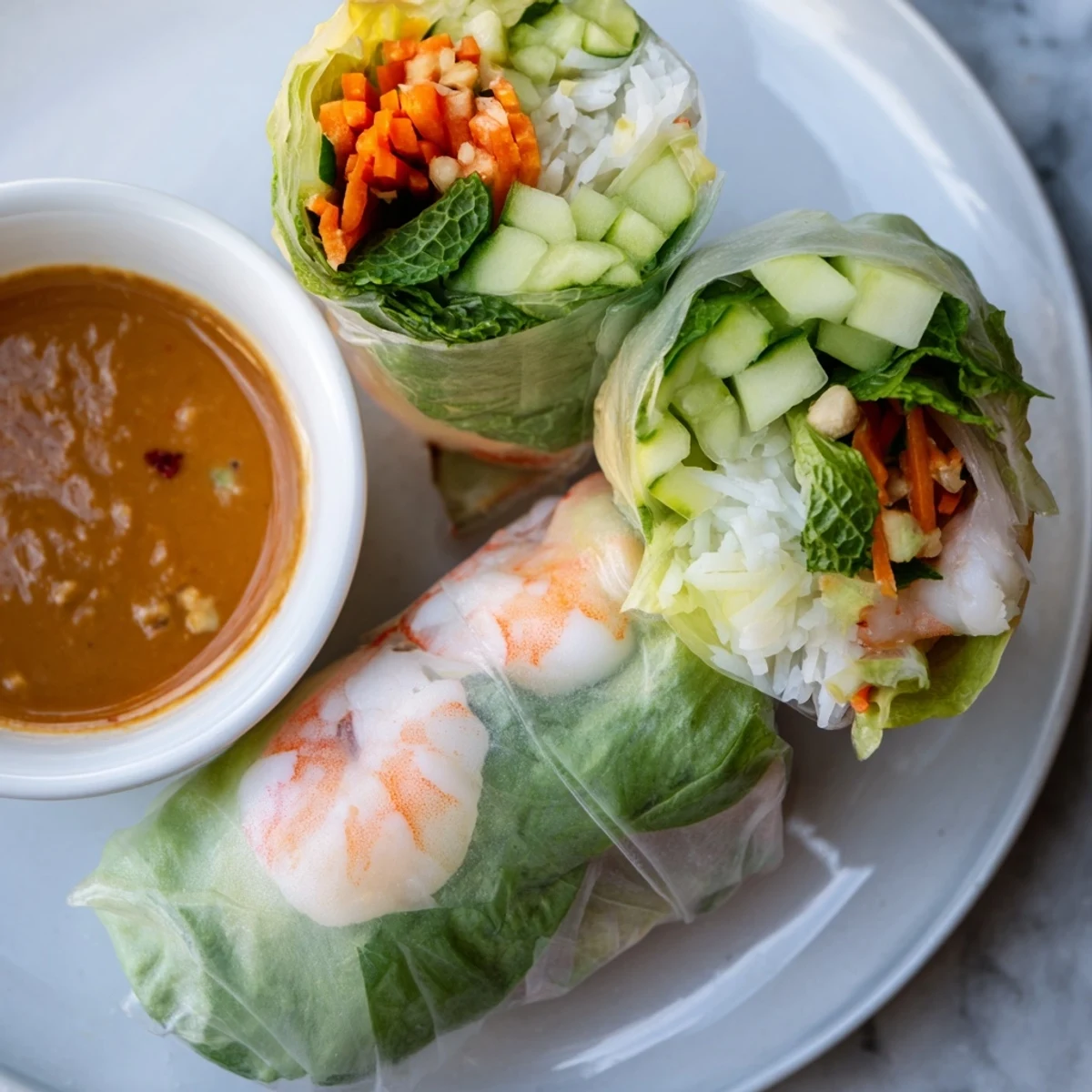
Save There's something deeply satisfying about eating with your hands, and these rolls invite that kind of unpretentious, joyful dining experience.
Recipe FAQ
- → How do I prevent rice paper from tearing when making spring rolls?
-
Dip each wrapper in warm water for only 5-8 seconds until slightly pliable but not completely soft. Lay it on a damp towel while working. Don't oversoak, and handle gently when folding and rolling to avoid tears.
- → Can I make Vietnamese spring rolls ahead of time?
-
They're best served immediately as rice paper dries out and becomes tough. If preparing ahead, cover tightly with a damp cloth and refrigerate for up to 2 hours. The peanut sauce can be made 2-3 days in advance and stored refrigerated.
- → What can I substitute for shrimp in Vietnamese spring rolls?
-
Use cooked chicken strips, firm tofu slices, or leave them vegetarian with extra vegetables. For a heartier protein option, try thinly sliced pork belly or beef. Each alternative works well with the fresh herb combination.
- → Why is my peanut dipping sauce too thick or thin?
-
Adjust consistency by adding warm water 1 tablespoon at a time until smooth and pourable. If too thin, add more peanut butter. The sauce should coat the back of a spoon while still dripping slowly.
- → What vegetables work best in Vietnamese spring rolls?
-
Classic options include julienned carrots, cucumber, and bell peppers. Add avocado, mango, or pickled vegetables for variation. Ensure all vegetables are cut into thin strips for even rolling and easy eating.