
 Save
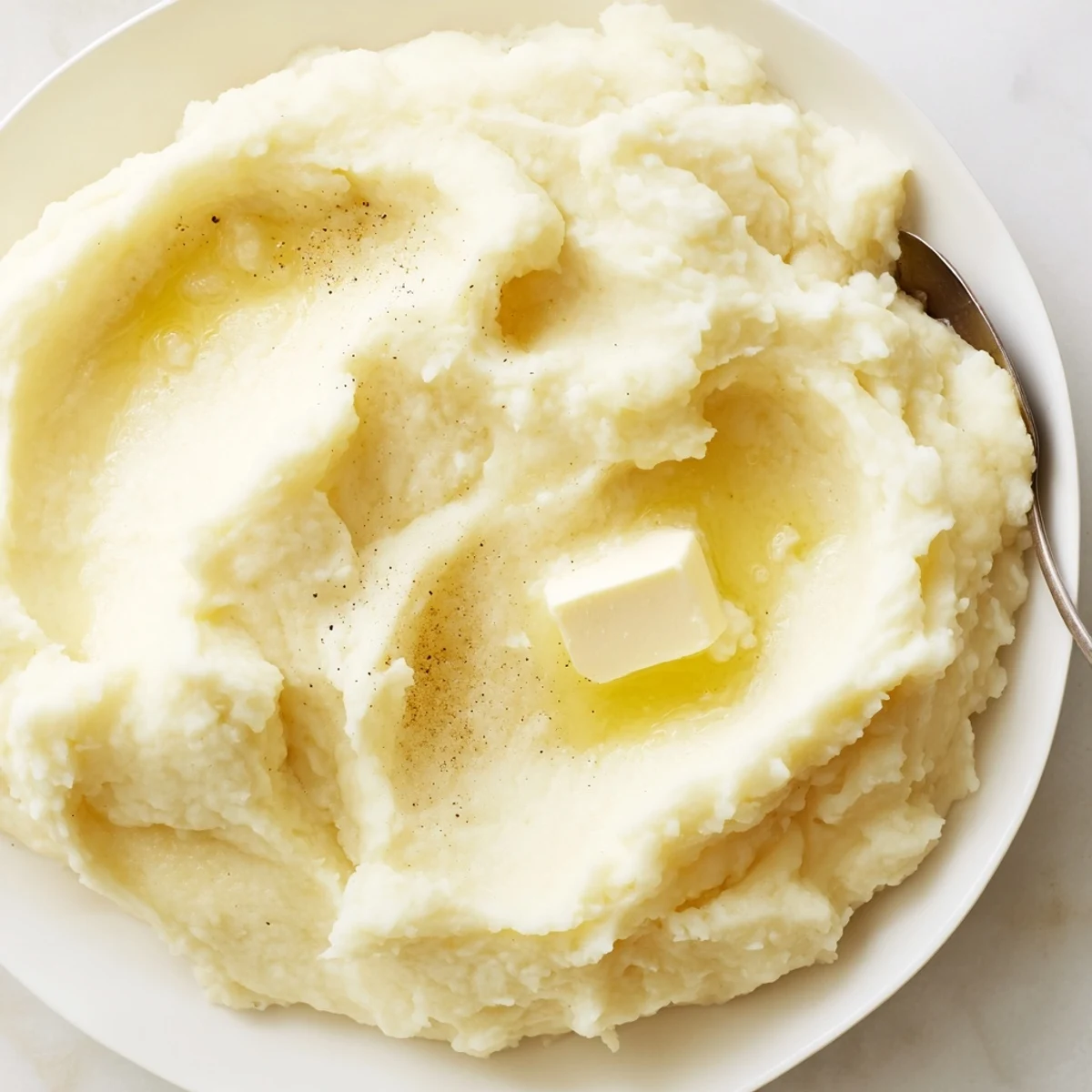
Save These velvety mashed potatoes combine Yukon Gold potatoes with butter, warm whole milk, and heavy cream for an incredibly smooth, rich texture. After boiling until fork-tender, the potatoes are drained and mashed until completely smooth before folding in cubed butter and gradually adding the warm dairy mixture.
Ready in just 40 minutes with 15 minutes of prep, this comforting side dish seasons simply with kosher salt and freshly ground black pepper. For extra depth, try infusing the milk with garlic or fresh herbs before stirring it in.
The sound of a potato masher hitting the side of a pot is oddly satisfying, a dull rhythmic thud that means something good is coming together. I started making mashed potatoes out of necessity during a rainy Tuesday dinner that had nothing else going for it, and they single handedly saved the evening. There is a quiet magic in turning humble potatoes into something so silky you question why you ever eat anything else.
One Thanksgiving I volunteered to bring the mashed potatoes and underestimated how much eight pounds of potatoes actually looks when peeled and chunked. My tiny apartment kitchen smelled like butter for three days afterward, and honestly I did not mind one bit.
Ingredients
- Yukon Gold potatoes: Two pounds peeled and cut into even chunks so they cook uniformly, and Yukon Golds in particular give you that naturally buttery flavor without extra effort.
- Unsalted butter: Four tablespoons cubed so it melts quickly and evenly into the hot potatoes without cooling them down.
- Whole milk: Three quarters of a cup warmed gently before adding, because cold milk seizes the starches and leaves you with gluey patches.
- Heavy cream: A quarter cup also warmed, and this is the ingredient that pushes everything from good to luxurious.
- Kosher salt: One and a half teaspoons plus more to taste, and salting the cooking water is just as important as seasoning at the end.
- Black pepper: A quarter teaspoon freshly ground for a subtle warmth that ties everything together.
Instructions
- Cover and salt the potatoes:
- Place the peeled and chunked potatoes in a large pot and cover them with cold water by about one inch, then add one teaspoon of salt. Starting with cold water ensures the potatoes cook evenly from edge to center.
- Simmer until tender:
- Bring the pot to a boil over medium high heat, then reduce to a gentle simmer and cook until a fork slides through the largest piece without resistance, about fifteen to twenty minutes. Do not let them disintegrate into soup.
- Drain and dry:
- Drain the potatoes thoroughly in a colander and return them to the same pot. Let them sit over very low heat for one to two minutes so excess moisture evaporates, which concentrates their flavor.
- Mash until smooth:
- Use a potato masher, ricer, or food mill to break down the potatoes until completely smooth, and avoid overworking them or they will turn gummy.
- Fold in the butter:
- Add the cubed butter and fold gently until it melts completely and coats every bite evenly.
- Add the warm liquids:
- Pour in the warmed milk and cream gradually, stirring until the mixture turns silky and reaches your preferred consistency. Stop when it looks right to you.
- Season and serve:
- Taste and adjust with the remaining salt and freshly ground black pepper, then serve immediately while everything is hot and steaming.
 Save
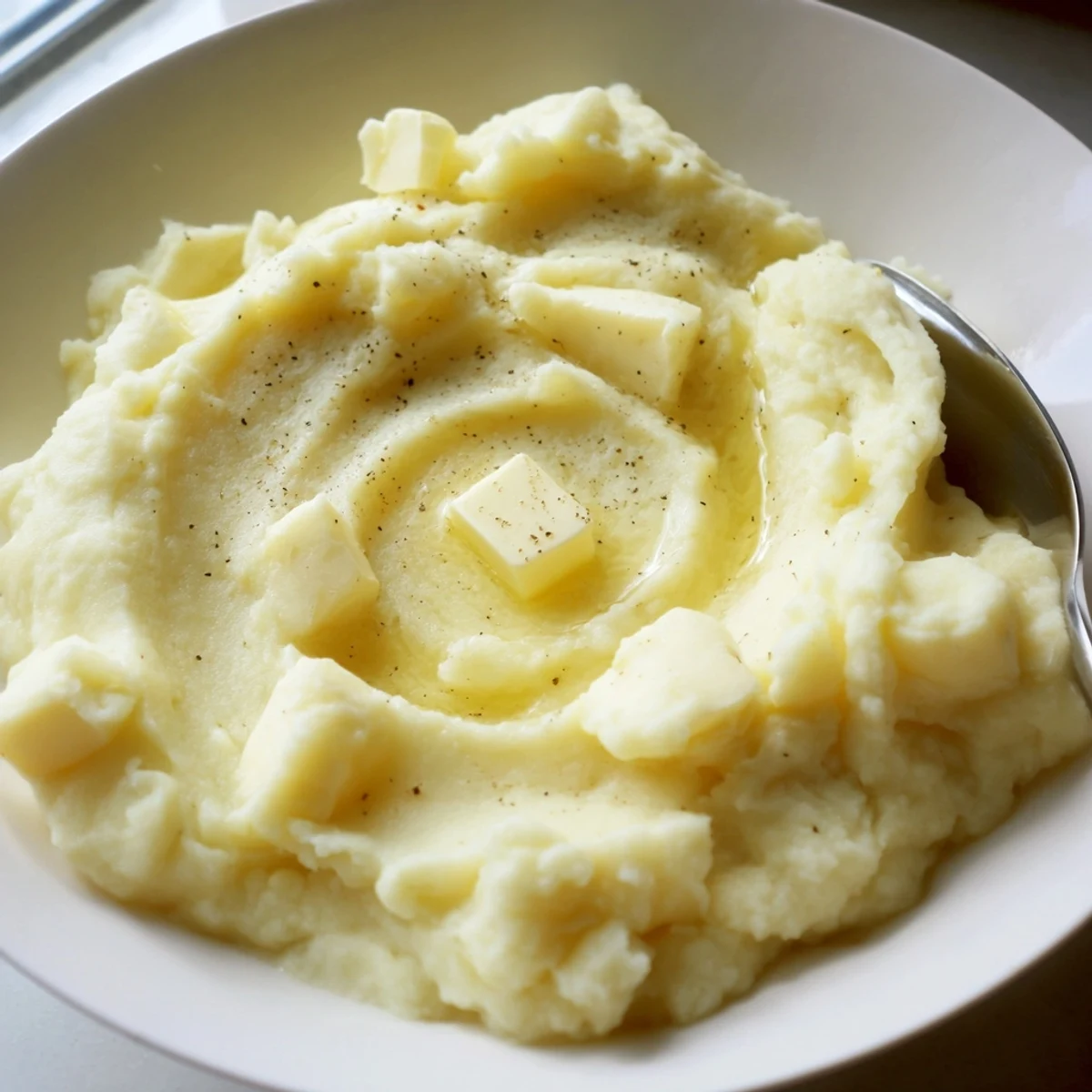
Save There was a winter night when I ate an entire bowl of these potatoes standing at the kitchen counter because moving to the table felt like too much effort, and I regret nothing.
Choosing the Right Potato
Yukon Golds are my go-to because their medium starch content gives you creamy results without turning watery or dense. Russets work too but they absorb more liquid, so you may need to adjust the milk slightly and watch the texture carefully as you stir.
Making It Dairy Free
I have tested this with plant-based butter and unsweetened oat milk, and the results are surprisingly close to the original if you choose a brand with a neutral flavor. The heavy cream can be replaced with full fat coconut cream, though it will add a faint sweetness that some people actually enjoy.
Storage and Reheating
Leftover mashed potatoes keep well in an airtight container in the refrigerator for up to four days, and they reheat best with a splash of milk stirred in gently over low heat.
- Freeze individual portions for quick side dishes on busy weeknights.
- Avoid microwaving on high power because it creates hot spots and dries out the edges.
- Always taste for salt after reheating because cold dulls flavors significantly.
 Save
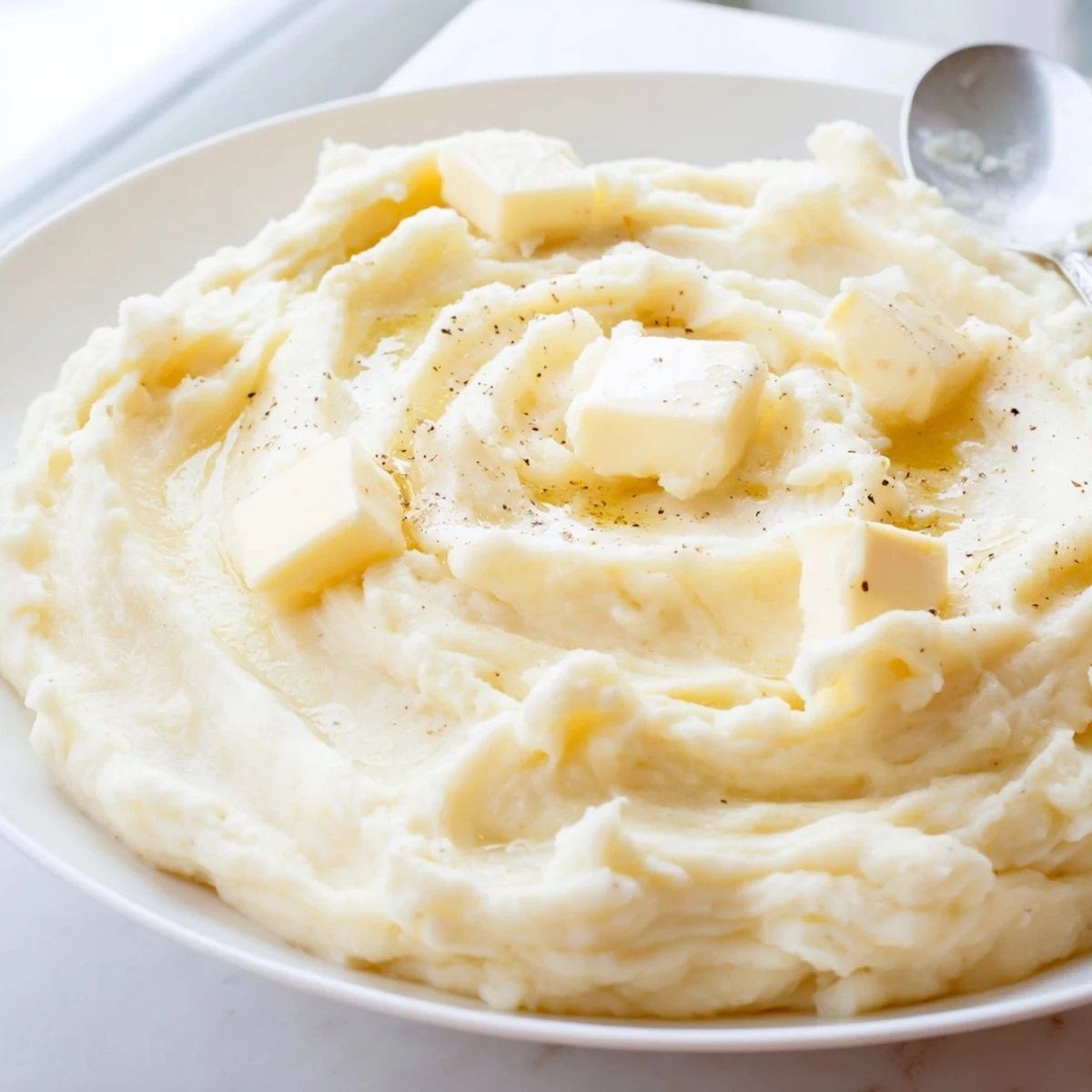
Save Good mashed potatoes do not need a special occasion, they turn any ordinary meal into something worth slowing down for.
Recipe FAQ
- → What type of potatoes work best for creamy mashed potatoes?
-
Yukon Gold potatoes are ideal because of their naturally buttery flavor and creamy texture. Russet potatoes also work well and produce a fluffier result. Avoid waxy potatoes like red potatoes, which can become gummy when mashed.
- → Why should I warm the milk and cream before adding them?
-
Warming the milk and heavy cream before adding helps them incorporate smoothly into the potatoes. Cold dairy can cause the butter to seize and create uneven texture, resulting in a less silky finish.
- → How do I prevent my mashed potatoes from becoming gummy?
-
Overmixing is the main cause of gummy mashed potatoes. Use a potato masher, ricer, or food mill rather than a blender or food processor. Mix just until smooth and stop once the dairy is incorporated.
- → Can I make mashed potatoes ahead of time?
-
Yes, you can prepare them up to a day in advance. Store in an airtight container in the refrigerator, then reheat gently in the oven at 325°F covered with foil, or on the stovetop over low heat, stirring in a splash of warm milk to restore creaminess.
- → How can I make this dish vegan-friendly?
-
Substitute the unsalted butter with a plant-based butter alternative, and replace the whole milk and heavy cream with unsweetened plant-based milk and cream. Oat or cashew-based options tend to yield the closest texture to the original dairy version.
- → Why drain the potatoes and return them to the pot over low heat?
-
Returning the drained potatoes to the pot over low heat for 1 to 2 minutes allows excess moisture to evaporate. This step ensures a fluffier, creamier result because the potatoes absorb more butter and cream instead of retained water.