
 Save
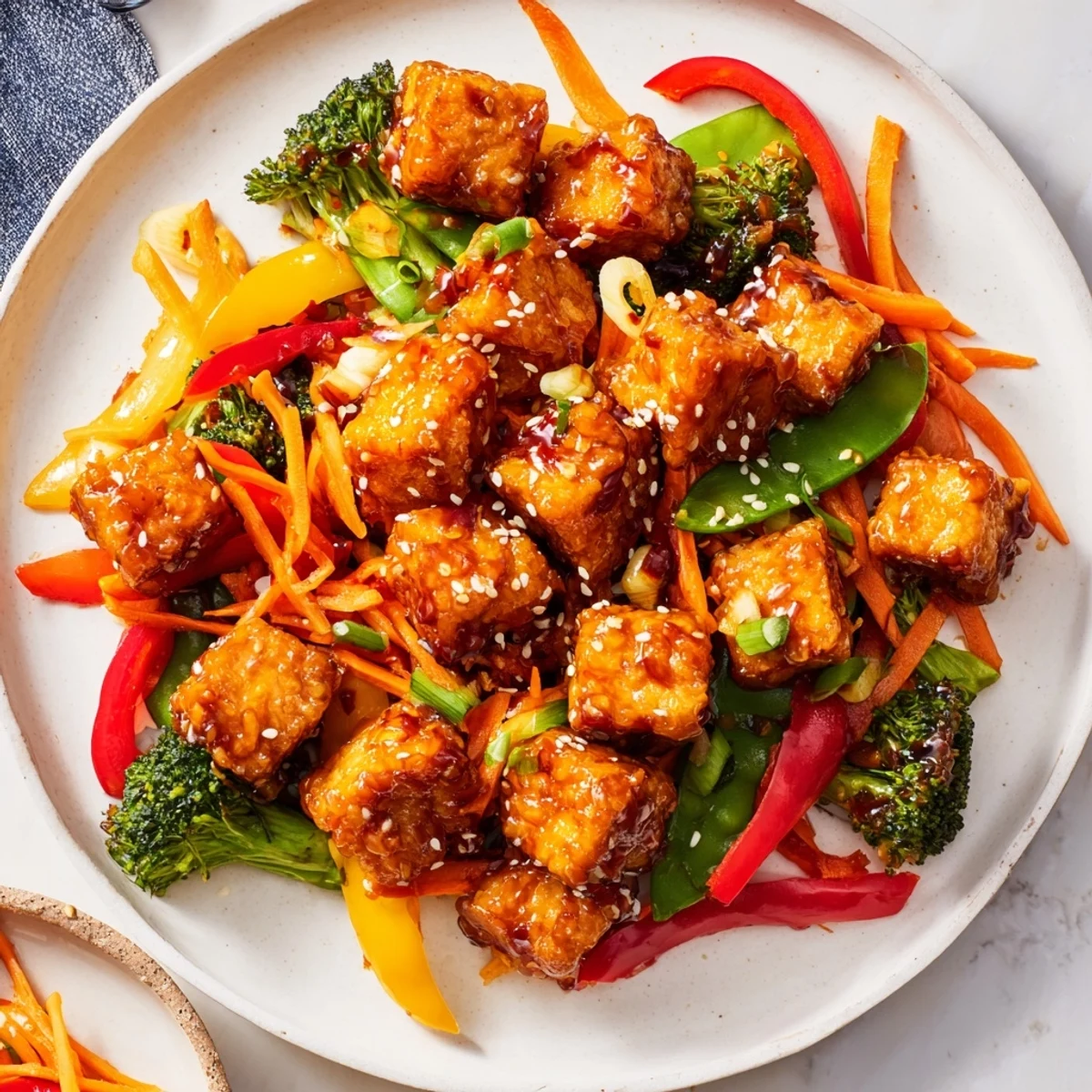
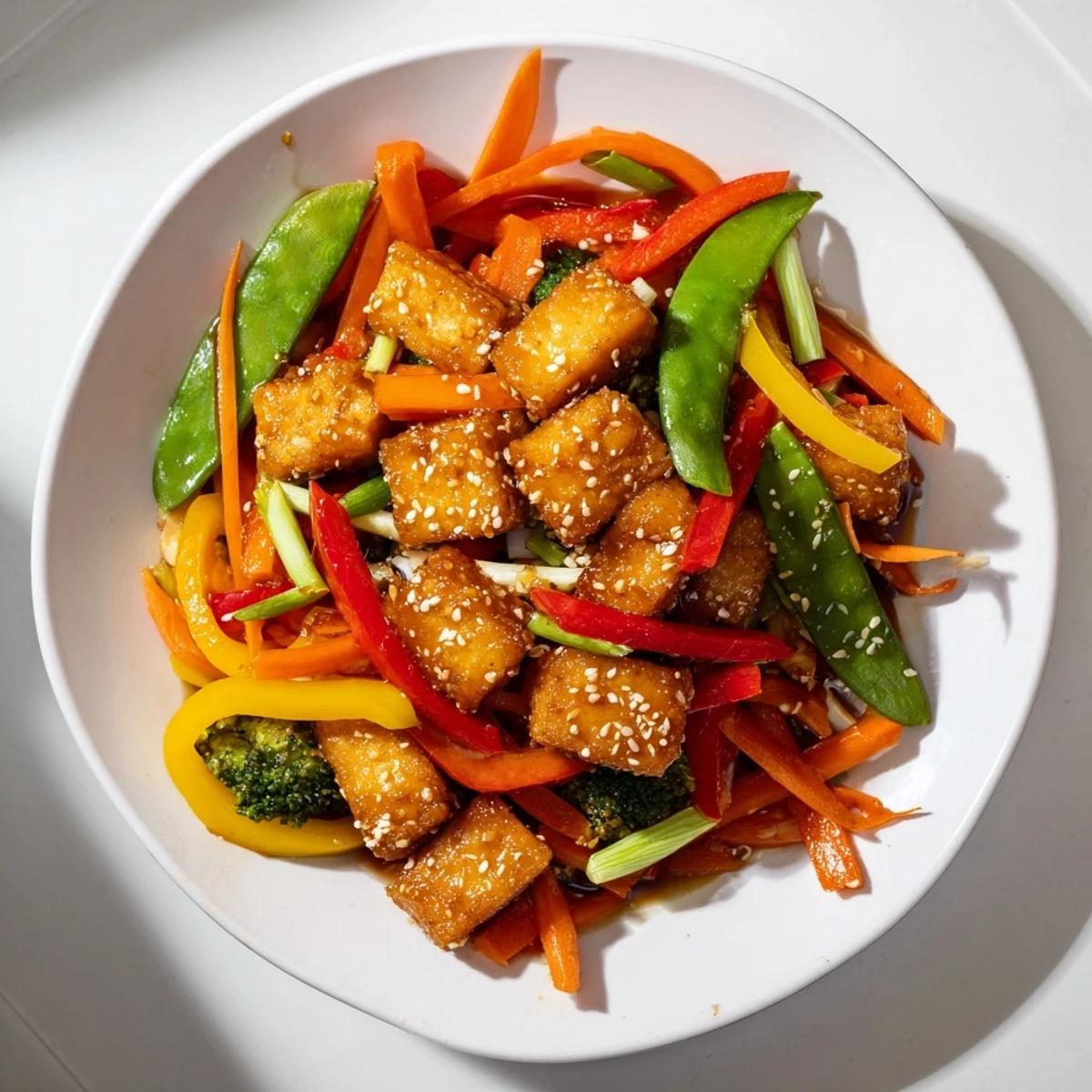
Save This dish features crispy tofu cubes stir fried with a medley of colorful vegetables including bell peppers, carrots, snap peas, and broccoli. Aromatics like garlic, ginger, and spring onions add depth, while a savory blend of soy, hoisin, and maple syrup creates a rich sauce. Prepared in under 30 minutes, it’s a quick, wholesome option perfect for a weeknight dinner. Serve hot with rice or noodles for a satisfying and vibrant meal.
I still remember the first time I made tofu stir fry for my roommate who was skeptical about trying tofu. I'd been intimidated by it too, but after one bite of that golden, crispy exterior giving way to a tender center, coated in that glossy, savory sauce, they asked for the recipe immediately. That meal taught me that tofu isn't intimidating at all—it just needs the right technique and confidence. Now, whenever I need something nutritious, satisfying, and ready in 30 minutes, this is what I turn to.
I made this for a dinner party last spring when a friend mentioned they'd been craving takeout but wanted something homemade. The way their eyes lit up when they took that first bite, the way they kept twirling their fork to get tofu and sauce in every bite—that's when I realized this recipe is about more than nutrition. It's about proving to people that plant-based cooking doesn't mean sacrificing flavor or satisfaction.
Ingredients
- Firm tofu, 400 g (14 oz): The foundation of this dish. Firm tofu holds its shape during cooking—buy it the day you cook if possible, press it well, and cube it into roughly inch-sized pieces for even cooking.
- Cornstarch, 4 tbsp total: This is your secret weapon. Two tablespoons coat the tofu to create that crispy exterior, and another two help thicken the sauce into something glossy and cling-able.
- Vegetable oil, 3 tbsp total: Use a neutral oil with a high smoke point. I prefer avocado or peanut oil because they don't impart flavor and handle the heat beautifully.
- Red and yellow bell peppers, 1 of each: They add sweetness and vibrant color. The different colors mean different stages of ripeness and slightly different flavor profiles.
- Carrot, 1 medium: Julienne it thin so it cooks through in the time the other vegetables need. Thin carrots are more tender and cook more evenly.
- Snap peas, 100 g (3.5 oz): These stay crisp and add a fresh pop. Trim both ends to make them look polished and cook more evenly.
- Broccoli crown, 1 small: Cut florets into bite-sized pieces, not too small or they'll disappear into the sauce.
- Spring onions, 2: Use both white and green parts—the white parts cook with the aromatics, and the green parts finish the dish with a fresh bite.
- Garlic and ginger: Two cloves and one teaspoon respectively might seem modest, but they're perfectly balanced. Fresh is essential—garlic powder and powdered ginger won't give you that same brightness.
- Soy sauce, 3 tbsp: This is the backbone of your sauce. If you need gluten-free, tamari is a perfect one-to-one swap.
- Hoisin sauce, 1 tbsp: It brings umami depth and a slight sweetness. A little goes a long way.
- Maple syrup or honey, 1 tbsp: I use maple syrup because it dissolves quickly into the sauce. This balances the saltiness and creates complexity.
- Sesame oil, 2 tsp: Pure sesame oil, not the cold-pressed kind. It's fragrant and drizzled in at the end for maximum impact.
- Water and cornstarch for sauce: Two tablespoons of water and one teaspoon of cornstarch create the thickening agent. The cornstarch helps the sauce coat everything evenly.
Instructions
- Pat and coat your tofu:
- Take your drained tofu and wrap it gently in paper towels or a clean kitchen towel. You want to remove as much moisture as possible—this is what allows the cornstarch to adhere and creates that crispy crust. Gently pat it dry, then toss the cubes with the two tablespoons of cornstarch in a bowl. Make sure every piece is evenly coated. You should hear a soft rustling sound as the pieces move against each other.
- Get your oil perfectly hot:
- Heat one tablespoon of oil in your wok or large skillet over medium-high heat. You'll know it's ready when a single grain of cornstarch sizzles immediately upon contact. This is crucial. If the oil isn't hot enough, your tofu will absorb it instead of crisping.
- Fry the tofu until golden:
- Working in batches if needed so pieces aren't crowded, add your cornstarch-coated tofu. Don't move it around for the first couple of minutes. Let it sit and develop that golden crust. After about three minutes per side, you should have tofu that's golden brown and crispy on multiple sides. It takes about six to eight minutes total. Transfer to a clean plate once it's done.
- Build your flavor base:
- In the same pan, add the remaining tablespoon of oil along with your minced garlic, grated ginger, and white parts of the spring onions. The kitchen should smell absolutely incredible within a minute. Stir constantly so nothing burns. This is where patience pays off—let the aromatics become fragrant but not brown.
- Cook the vegetables to perfect tenderness:
- Add your bell peppers, julienned carrot, snap peas, and broccoli florets. Keep the heat at medium-high and stir constantly for four to five minutes. The vegetables should be bright in color and just beginning to soften when you pierce them with a fork, but still with a slight bite. This is about texture and retaining nutrients.
- Make your sauce shine:
- While the vegetables cook, whisk together your soy sauce, hoisin sauce, maple syrup, sesame oil, water, and cornstarch in a small bowl. Whisk until the cornstarch dissolves completely. No lumps.
- Bring it together:
- Pour that glossy sauce into your pan with the vegetables. Stir everything together, scraping the bottom and sides so nothing sticks. Watch as the sauce thickens—it should go from liquid to glossy and coat the back of a spoon within a minute or two.
- Return the tofu and finish:
- Gently fold your crispy tofu back into the pan along with the green parts of your spring onions. Toss everything together gently—you want to maintain that crispy exterior. Cook for two more minutes until everything is heated through and the tofu has absorbed some of that sauce.
- Plate and serve:
- This is best served immediately over steamed white rice, brown rice, or noodles. The warmth of the rice will absorb any extra sauce. Serve while everything is still hot and the vegetables are at their crispest.
 Save
Save There was a moment during a cooking lesson with my grandmother where she watched me make this and said, 'You know, when I was your age, tofu wasn't even available here. Now look at you, making something delicious and healthy that feeds so many different people.' That's what I love about this recipe—it's accessible, it's kind to different dietary needs, and it tastes genuinely good.
Mastering the Crispy Tofu
The crispy tofu is truly the heart of this dish, and it's where the magic happens. The cornstarch coating creates a barrier that allows moisture to escape while crisping the exterior. Think of it like creating a delicate shield. The key is heat—your oil needs to be hot enough that the coating turns golden, not pale. I always test with a single small cube first to gauge the temperature. Another trick I learned is to let each side develop fully before flipping. Resist the urge to constantly turn and shake the pan. Patience rewards you with that satisfying crunch that makes people ask if you've worked in a restaurant kitchen.
Vegetable Timing and Freshness
The order in which you add vegetables matters tremendously. Softer vegetables like bell peppers and snap peas need less time than carrots. That's why the carrot is julienned thin—it allows everything to finish at the same moment with the ideal texture. The vegetables should taste fresh and vibrant, not cooked down. This is a dish where quality ingredients shine through. Buy vegetables that feel heavy for their size, that have bright color, and that were harvested recently if possible. Farmers markets are wonderful for this. The fresher your vegetables, the sweeter they naturally are, and the less sauce you feel you need.
Sauce Customization and Balance
This sauce is perfectly balanced between salty, sweet, and savory. But that doesn't mean it can't be customized to your preferences. If you like it spicier, a pinch of chili flakes stirred in before serving adds heat without overpowering. If you prefer it less sweet, reduce the maple syrup to two teaspoons. If you want deeper umami, add a quarter teaspoon of white miso paste. The hoisin and soy sauce are doing most of the heavy lifting in terms of flavor, so they're really non-negotiable, but everything else is adjustable based on your taste. This is cooking, not chemistry—trust yourself and taste as you go.
- For a spicier version, add chili flakes or a splash of sriracha to the sauce
- If gluten-free is necessary, use tamari instead of soy sauce and check your hoisin label
- Sesame oil is delicate and burns easily, so add it at the very end for maximum fragrance
 Save
Save This recipe has become my go-to when I want to feed someone well in less than an hour, when I need something nourishing but not heavy, and when I want to remind myself why plant-based cooking is so joyful. I hope it becomes one of yours too.
Recipe FAQ
- → How do I get crispy tofu without it sticking?
-
Pat the tofu dry and toss with cornstarch before frying in hot oil. This creates a golden, crispy coating that prevents sticking.
- → Can I substitute the vegetables?
-
Yes, feel free to use seasonal vegetables like zucchini, mushrooms, or baby corn to suit your taste and availability.
- → What can I use instead of hoisin sauce?
-
Substitute hoisin with extra soy sauce mixed with a bit of honey or maple syrup for a similar sweet-savory flavor.
- → Is this suitable for gluten-free diets?
-
Use tamari instead of soy sauce and ensure hoisin sauce is gluten-free or replaced with alternatives.
- → How long does the cooking process take?
-
Preparation and cooking take about 30 minutes total, making it ideal for quick, healthy meals.