
 Save
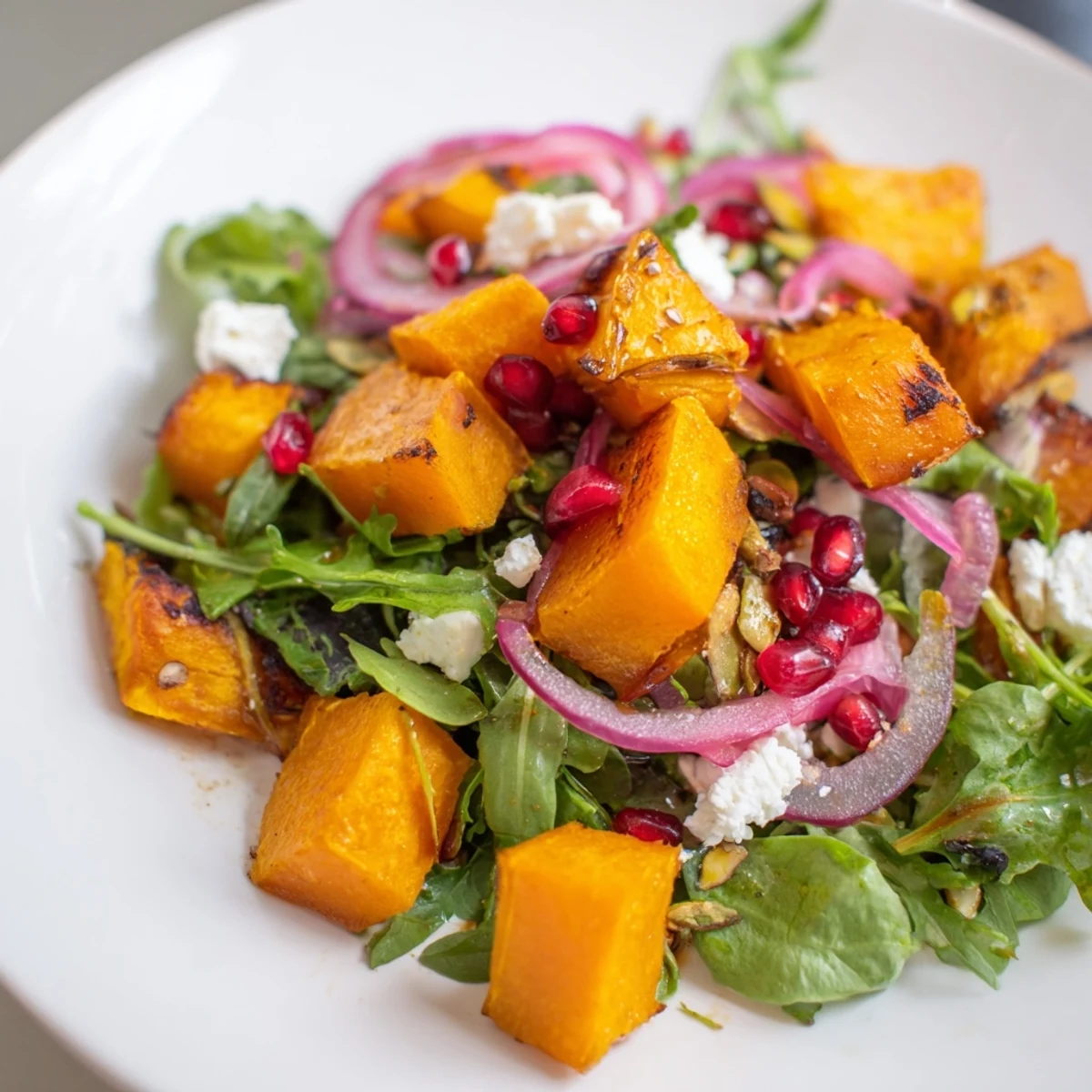
Save This vibrant salad highlights tender roasted butternut squash combined with fresh mixed greens, thinly sliced red onion, and pomegranate seeds. Crumbled feta cheese and toasted pumpkin seeds add texture and richness, while a lemon Dijon vinaigrette provides a tangy finish. Easy to prepare and perfect for a light lunch or side dish, it's a fresh and flavorful way to enjoy seasonal ingredients and bright flavors in every bite.
Last autumn, my neighbor brought over a basket of butternut squash from her garden, and I realized I'd been roasting them the same uninspired way for years. That afternoon, I decided to try something different—tossing the warm, caramelized cubes into a bed of peppery greens with a quick lemon dressing, and suddenly this simple salad became the thing I craved for lunch all week. It's one of those dishes that proved to me that the best meals don't need complicated techniques, just good ingredients treated with a little intention.
I made this for a potluck last winter when someone casually mentioned they'd gone vegetarian, and I panicked trying to think of something that wouldn't feel like an afterthought. This salad showed up on the table in a big glass bowl, and by the end of the night it was picked clean—people were honestly reaching for thirds, asking if I'd made it from scratch. That's when I knew it wasn't just a side dish, it was something with real presence.
Ingredients
- Butternut squash: The star here—when you cube it before roasting, it caramelizes faster and more evenly, getting creamy on the inside and slightly crispy at the edges.
- Mixed salad greens: Use whatever feels fresh to you, though arugula adds a peppery note that plays beautifully against the squash's sweetness.
- Red onion: Slice it thin so it stays crisp and bright rather than overpowering the plate.
- Feta cheese: Crumbling it by hand rather than using pre-crumbled gives you better texture and flavor distribution.
- Pumpkin seeds: Toast them yourself if you can—they're more alive that way, with better flavor and crunch.
- Lemon juice: Fresh lemon is essential here; bottled just doesn't have the same clarity.
- Dijon mustard and honey: These two together create an emulsion that helps the vinaigrette cling to the greens instead of pooling at the bottom.
Instructions
- Prep your squash:
- Peel and cube your butternut squash into roughly one-inch pieces—they'll cook more evenly this way and roast to that perfect golden, tender state.
- Season and spread:
- Toss the cubes with olive oil, salt, and pepper, then lay them flat on your baking sheet without crowding; this matters for getting color instead of steam.
- Roast with a turn:
- Twenty to twenty-five minutes at 400°F, stirring halfway through—you want them slightly caramelized at the edges, not mushy.
- Build the dressing:
- While the squash roasts, whisk your lemon juice with Dijon, honey, olive oil, salt, and pepper; the mustard and honey act as natural emulsifiers, keeping everything together.
- Compose the salad:
- In a large bowl, gently combine the warm squash, greens, thin-sliced red onion, and most of the feta and pumpkin seeds—use warm squash so it slightly wilts the greens without cooking them.
- Dress and serve:
- Pour the vinaigrette over everything and toss gently so the greens stay whole and beautiful, then transfer to a platter and sprinkle the reserved feta and seeds on top for that finishing visual impact.
 Save
Save My daughter, who normally picks around anything green on her plate, asked for seconds of this salad last month and I nearly fell over. It was the first time I realized that the key wasn't tricking her into eating vegetables—it was pairing them with something warm and sweet that made the whole thing feel like a treat instead of an obligation.
Why the Roasting Matters
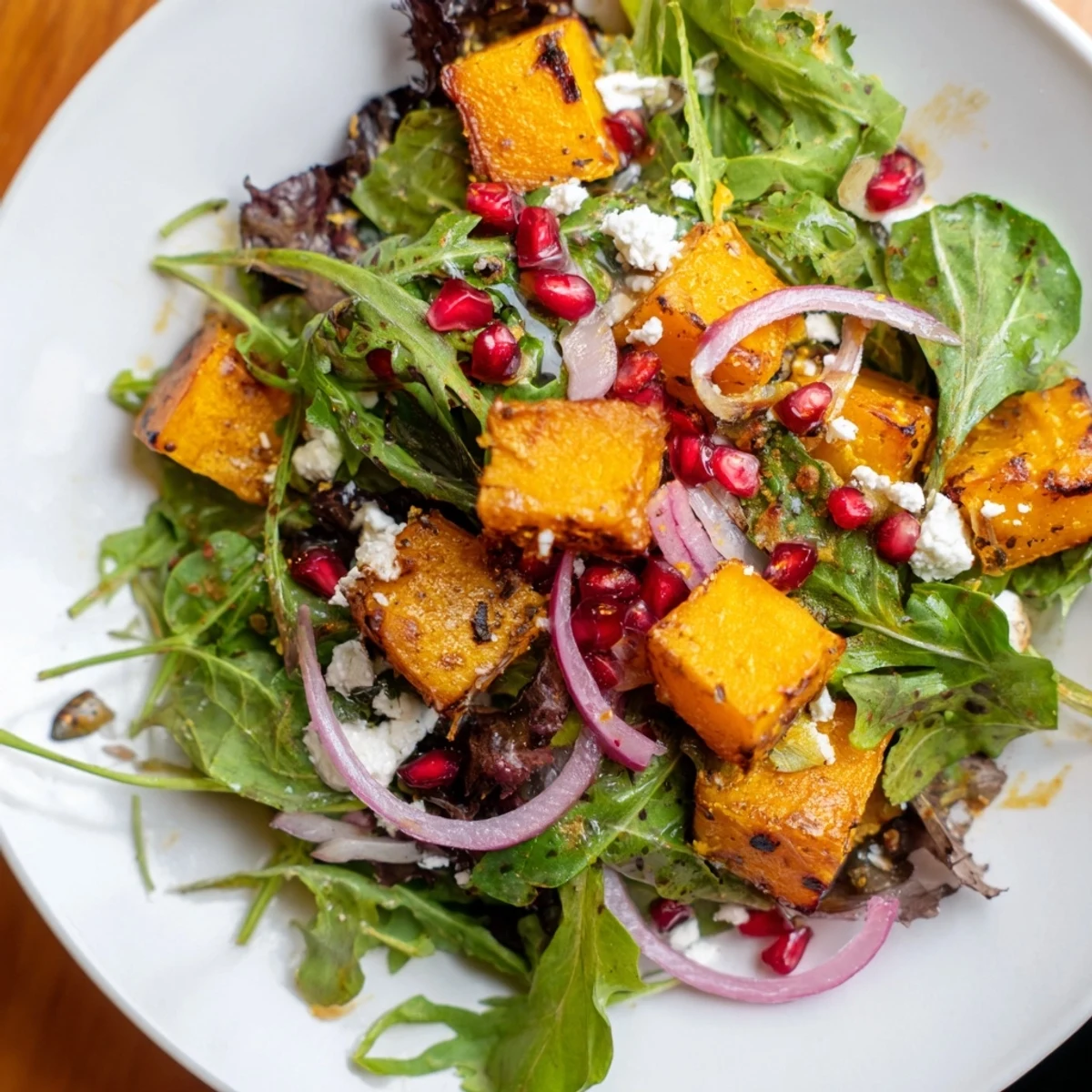
Roasting the squash isn't just about cooking it—it's about transforming it. The dry heat of the oven caramelizes the natural sugars, turning what could be a bland vegetable into something almost dessert-like, which is why it works so beautifully alongside sharp feta and peppery greens. I learned this the hard way after years of steaming squash for other dishes, wondering why it tasted so flat.
Timing and Temperature
The temperature of 400°F is hot enough to get real color and caramelization without burning the outside before the inside cooks through. I've made this at 375°F when I was worried about overcooking and ended up with pale, sad squash—not worth the safety margin. Keep an eye on it at the twenty-minute mark, and if your cubes are smaller they might be done a few minutes earlier.
Making It Your Own
This salad is genuinely flexible without falling apart—you can swap the squash for roasted delicata or acorn if that's what you have, use walnuts instead of pumpkin seeds, or skip the feta entirely if you're eating vegan. The framework is what matters: something warm and sweet, something crisp and green, something tangy, and something with a little crunch and umami depth.
- Pomegranate seeds add a flash of tartness and visual pop, but honestly, a few dried cranberries do the same thing if that's what's in your pantry.
- This salad is one of the rare ones that actually tastes good the next day, so it's perfect for meal prep or bringing to work.
- If you want to make it heartier, a piece of grilled chicken or fish on top turns it from a side dish into a complete meal.
 Save
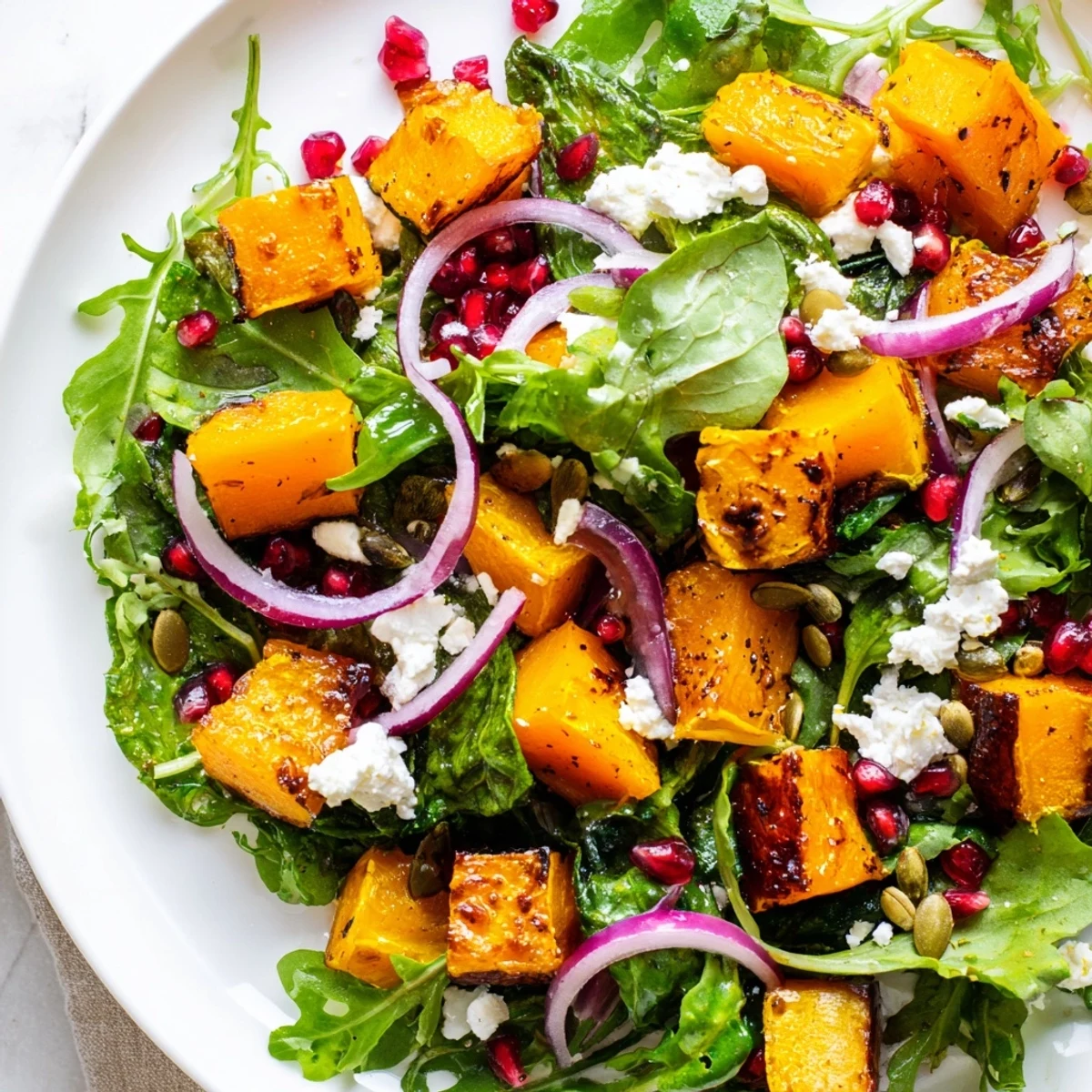
Save This salad has become my go-to when I want to feel like I'm taking care of myself and the people I'm cooking for. It's the kind of dish that's simple enough for a Tuesday lunch but generous enough to serve at a table full of people.
Recipe FAQ
- → What type of squash works best for this dish?
-
Butternut squash is ideal due to its sweet, nutty flavor and firm texture, but delicata or acorn squash can be used as a tasty alternative.
- → Can I make this salad vegan?
-
Yes, simply omit the feta cheese or substitute it with a plant-based cheese to keep the salad vegan-friendly.
- → How should I roast the squash for best results?
-
Toss cubed squash with olive oil, salt, and pepper, then roast at 400°F (200°C) for 20-25 minutes until golden and tender.
- → What kind of greens are used in this salad?
-
A mix of arugula, baby spinach, or mesclun provides a fresh and slightly peppery base that complements the roasted squash well.
- → Can nuts or seeds be substituted in this salad?
-
Yes, toasted walnuts or pecans can replace pumpkin seeds to add crunch and a different flavor profile.
- → What dishes pair well with this salad?
-
It pairs nicely with grilled chicken or fish, adding a fresh, vibrant side to heartier meals.