
 Save
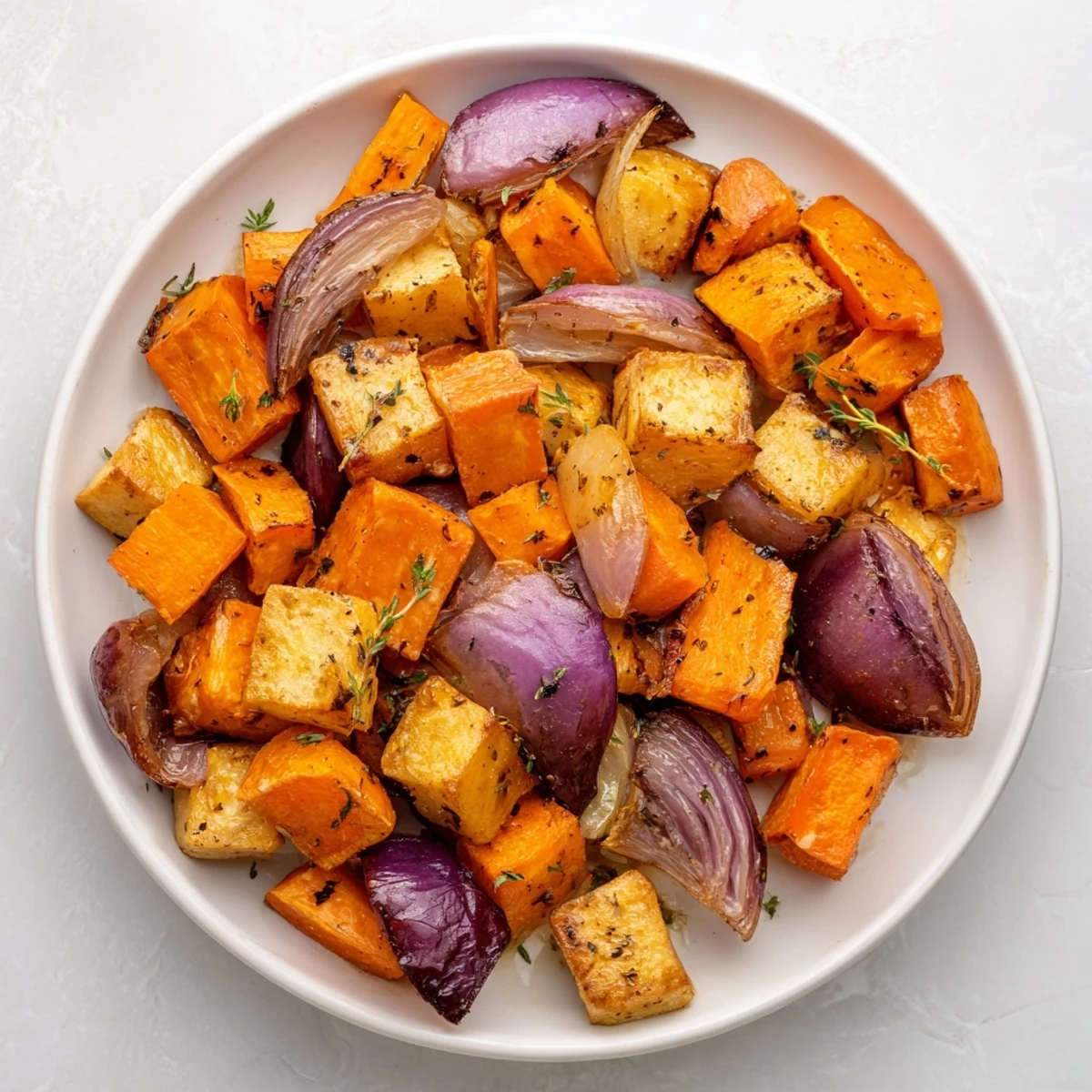
Save Create a vibrant medley of carrots, parsnips, and sweet potatoes roasted with olive oil, garlic, and fresh thyme. This easy method results in tender, caramelized vegetables with deep flavor. Perfect as a hearty side or a main course for vegans, it offers a nutritious blend of seasonal produce ready in under an hour.
There's something almost meditative about Sunday roasting vegetables. I discovered this particular combination by accident one October when I had half a rutabaga sitting in my crisper drawer and decided to stop overthinking dinner. The moment those vegetables hit the hot pan and started caramelizing, the whole kitchen filled with this sweet, almost-nutty aroma that made me understand why roasting is basically magic.
I made this for my sister last winter when she came home exhausted from a long week, and she ate an embarrassing amount straight from the sheet pan. That's when I realized these roasted vegetables had crossed from side dish into genuine comfort food territory—the kind of thing people come back to the kitchen specifically requesting.
Ingredients
- Carrots: Two medium ones, cut into 1-inch chunks, because they need just enough time to caramelize without turning mushy.
- Parsnips: Two peeled and chunked, adding a subtle sweetness that deepens as they roast.
- Sweet potato: One medium one in cubes, which gets impossibly creamy inside while the edges crisp up.
- Rutabaga or turnip: One small one cubed, bringing an earthiness that grounds all the sweetness.
- Red onion: One medium onion in wedges, turning almost jammy and sweet as it roasts.
- Olive oil: Three tablespoons to coat everything evenly and help those edges go golden.
- Fresh thyme: One tablespoon of leaves (or a teaspoon dried), which becomes more pronounced and herbal through roasting.
- Garlic: Two cloves minced, turning mellow and slightly caramelized instead of sharp.
- Sea salt: One teaspoon, though you might need a pinch more depending on your vegetables.
- Black pepper: Half a teaspoon freshly ground, added after roasting so it doesn't burn.
Instructions
- Get your oven ready:
- Preheat to 425°F and line a large baking sheet with parchment paper so cleanup becomes someone else's problem later.
- Prep all your vegetables:
- Peel and cut everything into roughly 1-inch pieces, which is the sweet spot where they caramelize on the outside but stay tender inside.
- Build the mixture:
- Throw all the vegetables into a large bowl, drizzle with olive oil, add your thyme, minced garlic, salt, and pepper, then toss like you mean it until everything has a light coating of oil.
- Spread and roast:
- Spread everything in a single layer on your sheet pan and slide it into the oven for 35 to 40 minutes, stirring once halfway through so the pieces that were underneath get their turn in the heat.
- Know when it's done:
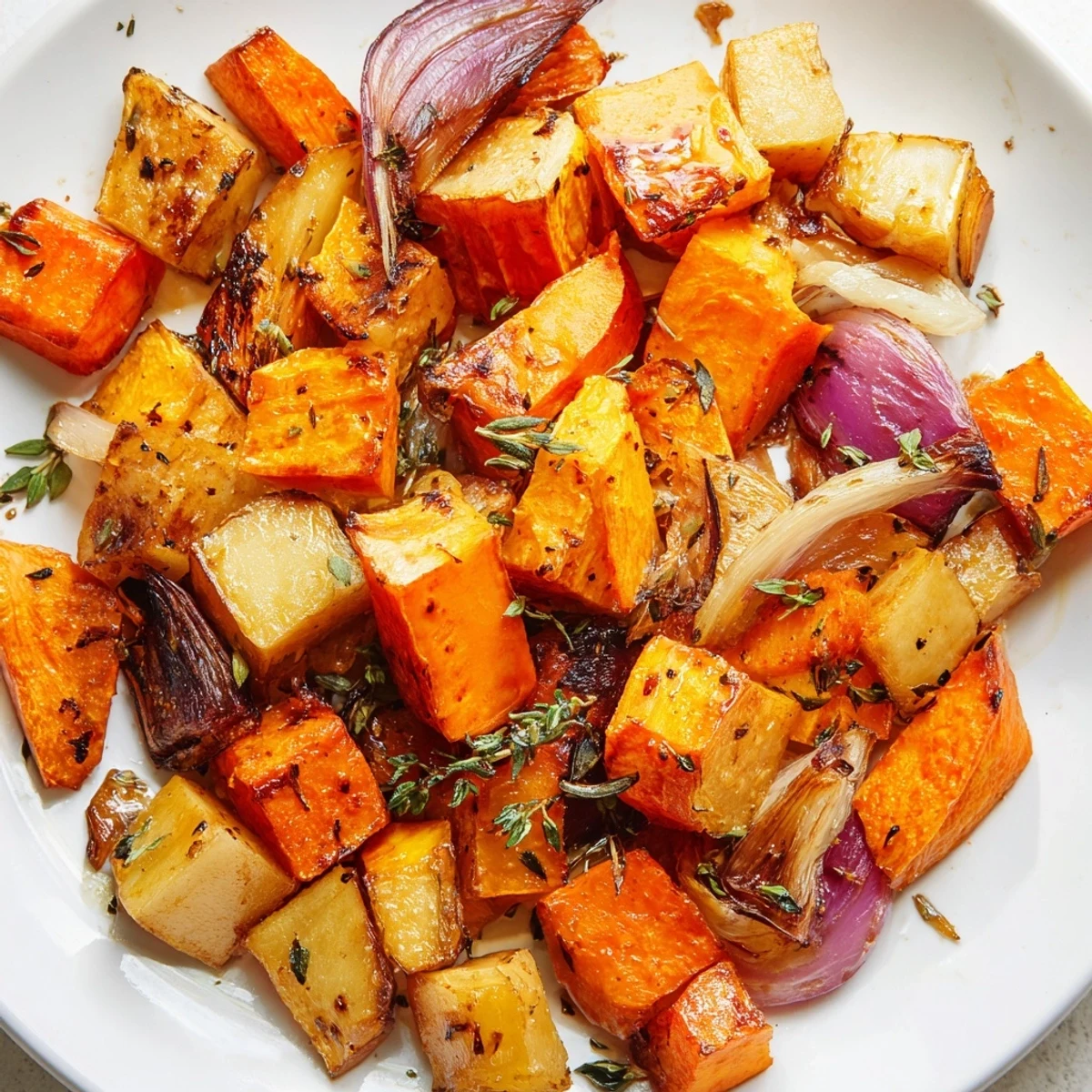
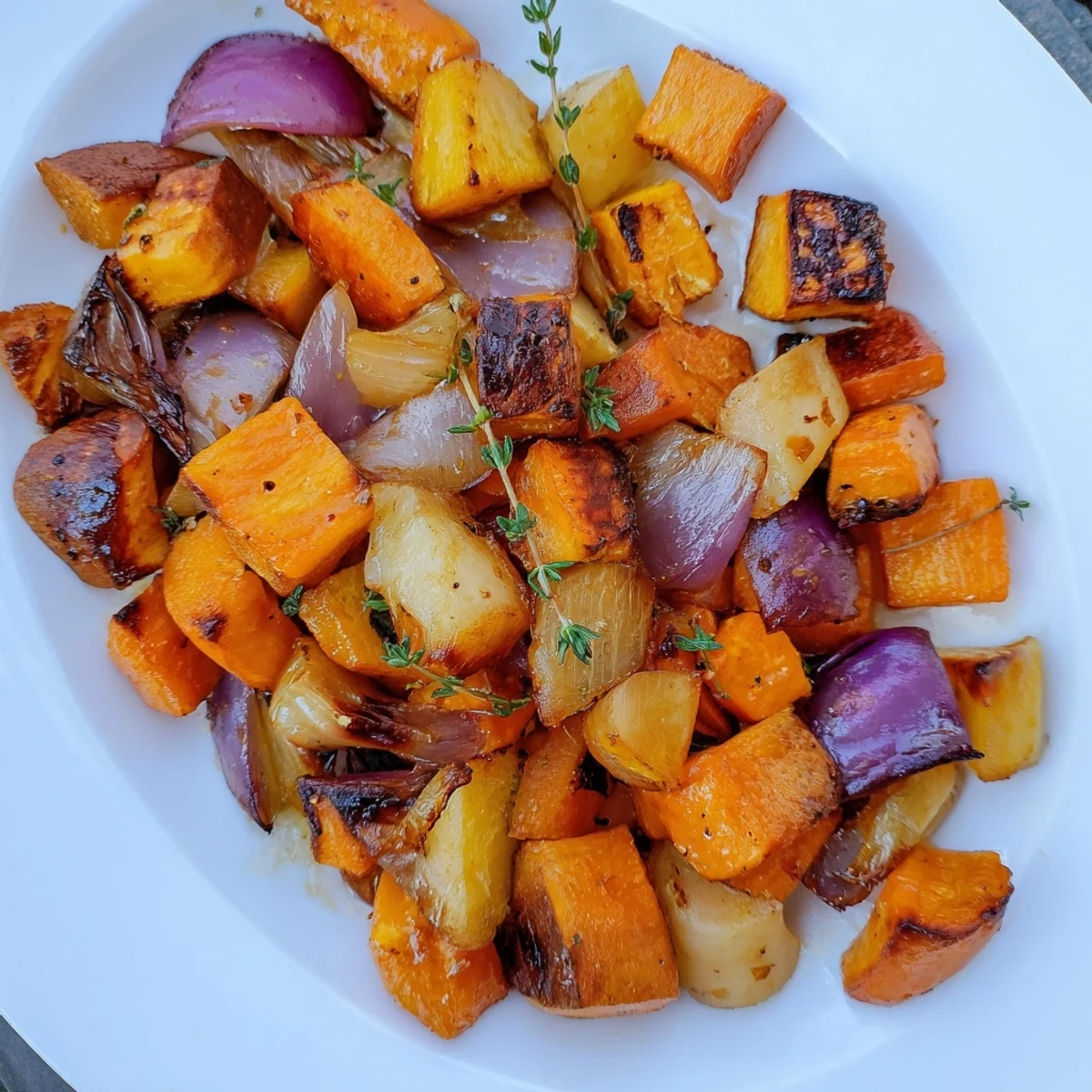
- You're looking for golden, slightly caramelized edges and vegetables that are tender when you poke them with a fork.
 Save
Save I remember my neighbor asking what smelled so incredible and then standing in my kitchen eating these vegetables straight off the cooling pan with a fork. That moment crystallized something for me: the best recipes are often the simplest ones, the ones that let real ingredients just do their thing.
The Magic of High Heat
Roasting at 425 degrees isn't just a number on a recipe—it's what transforms these vegetables from pleasant to genuinely delicious. That high heat creates the Maillard reaction, which is fancy speak for making everything taste richer and more complex than you'd expect from basic root vegetables. The caramelization is where all the flavor lives.
Playing with What You Have
This recipe is honestly flexible enough that it works as a template rather than a strict formula. Swap in beets if you like earthiness, add regular potatoes for more volume, or throw in some celeriac if it shows up at the market. The ratio of oil and seasoning stays the same, but the vegetables are your playground.
Serving and Storing
These vegetables taste best served hot or at room temperature within a few hours of roasting, though they're honestly still good cold the next day if you have leftovers. A splash of balsamic vinegar at the end adds another layer of sweetness if you want to get fancy. They pair with almost anything—roasted chicken, fish, rice, or completely on their own as a vegetarian main.
- Store any leftovers in an airtight container in the fridge for up to three days.
- Reheat gently in a 350-degree oven for about ten minutes to bring back the warmth without drying them out.
- Consider doubling the batch because they disappear faster than you'd anticipate.
 Save
Save This is the kind of recipe that becomes a building block in your kitchen once you understand how it works. Make it a few times, trust your instincts about when things look golden, and it becomes the reliable thing you turn to when you need something that tastes like real food, made real.
Recipe FAQ
- → Can I use other vegetables?
-
Yes, you can substitute or add other root vegetables like beets or potatoes depending on your preference.
- → How do I store leftovers?
-
Store leftovers in an airtight container in the refrigerator for up to 3-4 days.
- → Is this dish vegan?
-
Yes, this dish is completely vegan and gluten-free as it uses only vegetables, olive oil, and herbs.
- → Can I use dried thyme instead of fresh?
-
Yes, you can use 1 teaspoon of dried thyme as a substitute for the fresh thyme leaves.
- → What is the best oven temperature?
-
Roasting at 425°F (220°C) ensures the vegetables become tender and beautifully caramelized.