
 Save
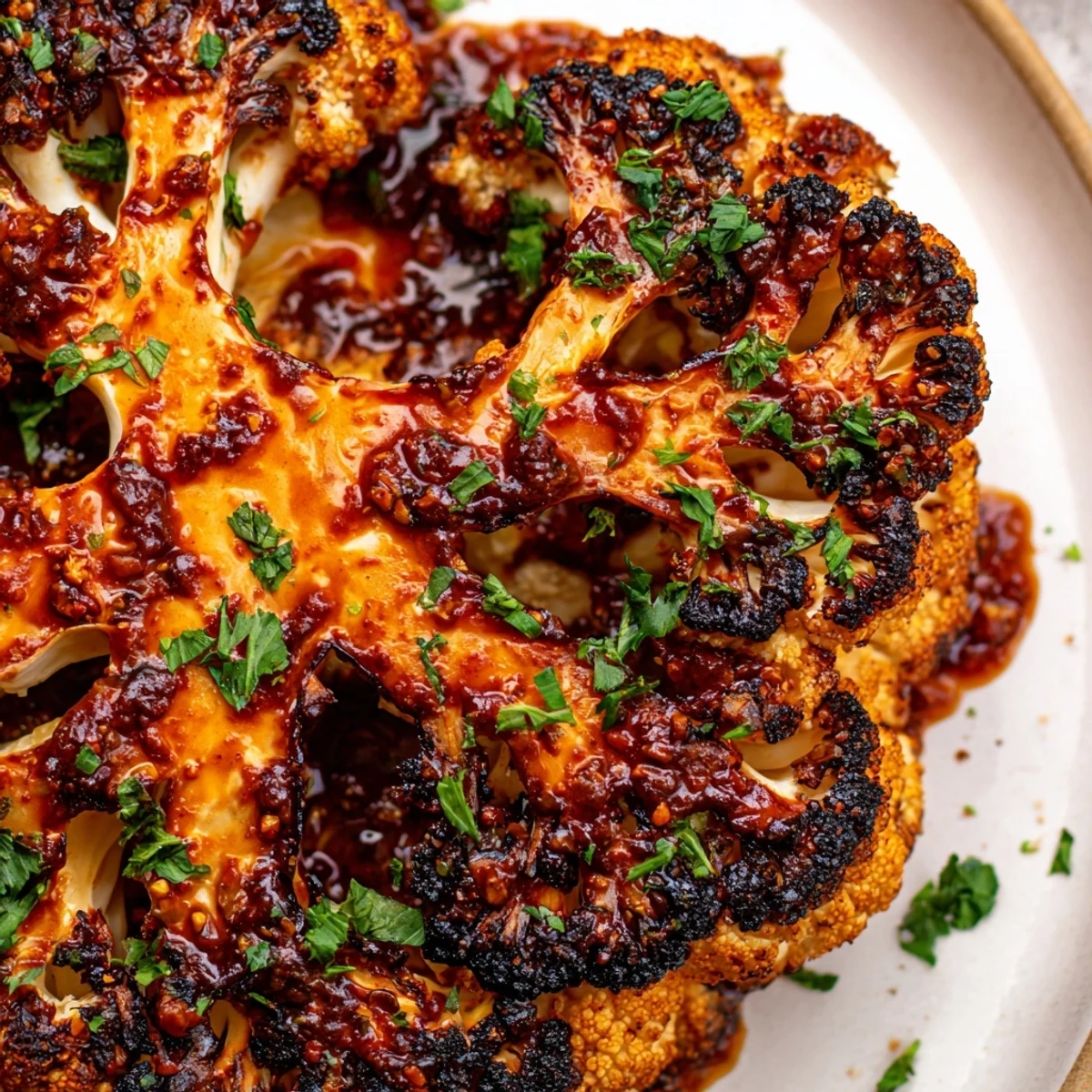
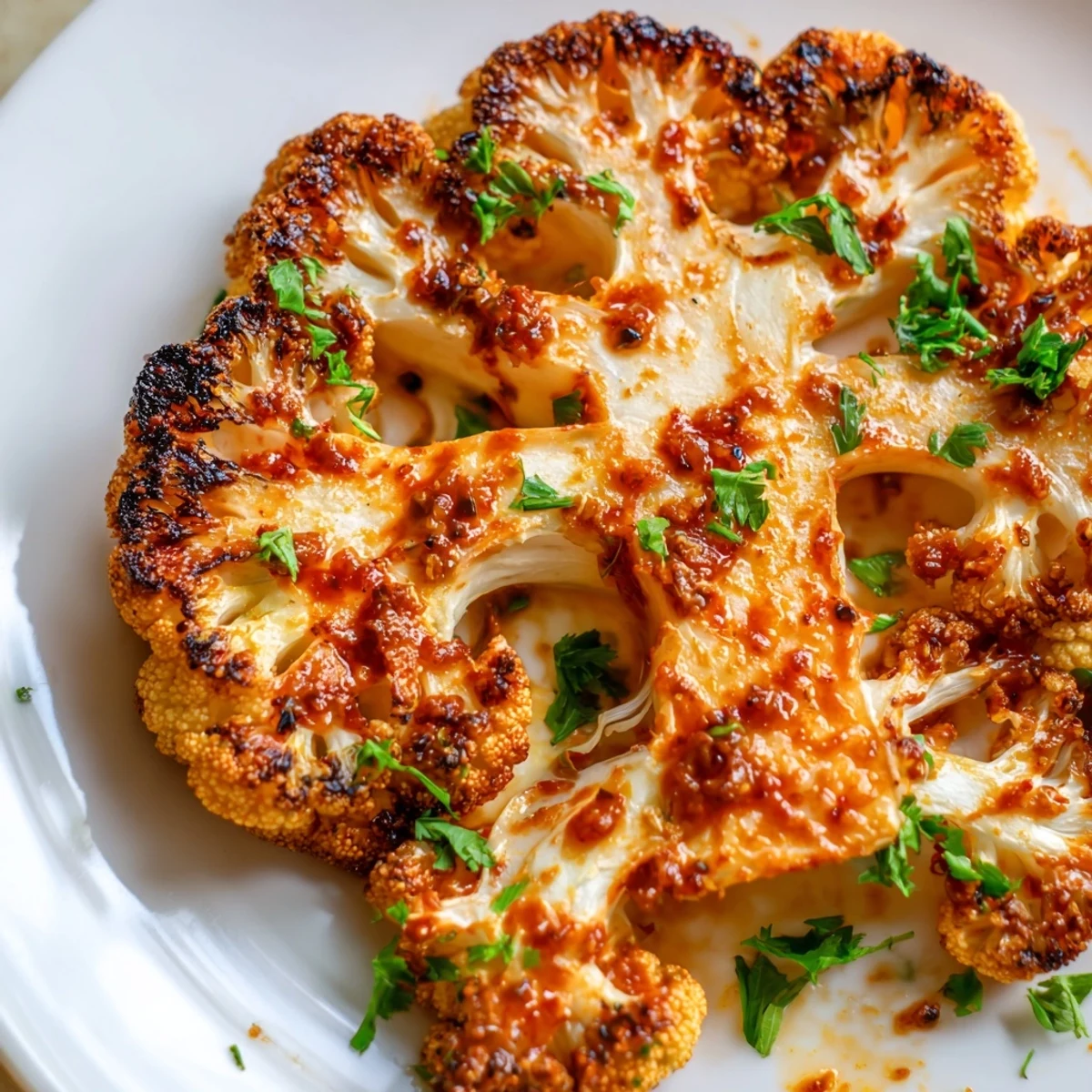
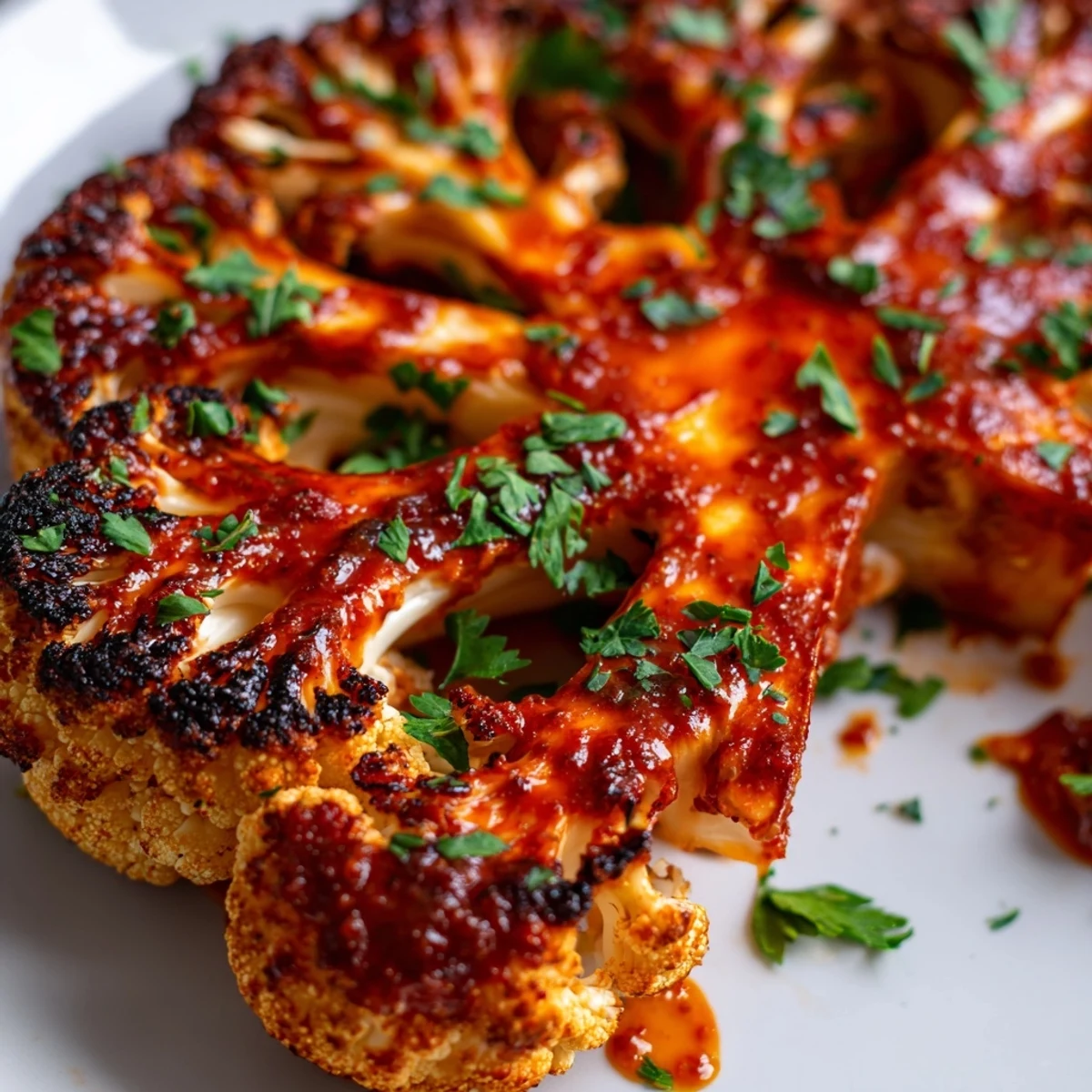
Save Thick cauliflower slices are trimmed and oven-roasted until tender and golden. They are brushed with a spiced olive oil blend, then finished with a vibrant harissa glaze combining heat, citrus, and subtle sweetness. Garnished with fresh parsley, this dish delivers a bold, smoky flavor profile ideal for a hearty vegetarian entrée or a colorful side. The roasting process caramelizes the natural sugars, enhancing the texture and depth of flavor. Easy to prepare and pairs beautifully with grains or fresh salads.
There's something about the moment when a thick slice of cauliflower hits a hot baking sheet and starts to caramelize that made me rethink what vegetables could be. My friend Sarah brought harissa to a dinner party once, and I watched her brush it onto roasted cauliflower with such confidence that I knew I had to master it myself. That first attempt was clumsy—I oversalted the marinade and almost burned the glaze—but somehow it tasted like discovery. Now, whenever I want to prove to someone that vegetables can be the main event, this is what I make.
I made this for a small dinner last October when the weather turned cool, and someone asked for seconds before finishing their first plate. That's when I realized it wasn't just a side dish anymore—it had become the thing everyone was actually excited about. The cauliflower steaks are substantial enough to feel like a real meal, and the spice brings a warmth that felt perfect as the evenings got longer.
Ingredients
- 2 large cauliflower heads: Look for ones that are dense and firm with tightly packed florets; they'll slice more cleanly and hold their shape beautifully as they roast.
- 3 tablespoons olive oil: This is your base for even roasting and helps the spices cling to every surface of the steaks.
- 1 teaspoon ground cumin: Warm and earthy, it whispers beneath the harissa without competing for attention.
- 1 teaspoon smoked paprika: This adds a subtle smokiness that deepens the roasted flavor and gives the cauliflower visual color before the glaze even touches it.
- 1/2 teaspoon garlic powder: Keep it to half a teaspoon or it becomes sharp and overpowering; the real garlic flavor should be a gentle presence.
- 1/2 teaspoon sea salt: Season with intention here because the harissa will add saltiness too, and you're building layers.
- 1/4 teaspoon black pepper: Fresh cracked is always better, but ground works just fine.
- 3 tablespoons harissa paste: This is where personality enters the dish; it's spicy, aromatic, and slightly smoky all at once.
- 1 tablespoon lemon juice: The acid cuts through the richness and keeps everything feeling fresh and alive.
- 1 tablespoon maple syrup or honey: A touch of sweetness makes the spice sing rather than dominate, and it helps the glaze caramelize into sticky gold.
- 2 tablespoons fresh parsley, chopped: Scatter this at the very end for color and a bright, grassy finish that feels more finished than it has any right to.
Instructions
- Heat your oven and prep your stage:
- Set the oven to 425°F and line a baking sheet with parchment paper while it comes to temperature. A hot oven is what transforms cauliflower from tender to golden and slightly charred at the edges, which is where all the flavor magic lives.
- Slice the cauliflower into steaks:
- Cut away the leaves and trim the base while keeping the core intact, then slice each head into 1-inch thick steaks (aim for 2 to 3 per head). The steaks should be thick enough to hold up to roasting without falling apart, and saving the loose florets means nothing goes to waste.
- Build the marinade:
- Whisk together olive oil, cumin, smoked paprika, garlic powder, salt, and pepper in a small bowl until it becomes a fragrant paste. This should smell warm and inviting before it even hits the cauliflower.
- Coat the steaks:
- Arrange the cauliflower steaks on your baking sheet and brush both sides generously with the marinade, making sure every surface gets seasoned. Don't be shy; this is what seasons the inside as it roasts.
- First roast:
- Slide the sheet into the oven for 20 minutes, flipping the steaks halfway through so both sides get golden and tender. You'll smell when they're getting close—that's your cue to check.
- Make the harissa glaze:
- While the cauliflower roasts, stir together harissa paste, lemon juice, and maple syrup in a small bowl until smooth. Taste it on a tiny spoon and adjust the spice level if you prefer a gentler touch.
- Glaze and finish:
- Remove the roasted steaks from the oven and brush each one generously with the harissa glaze, then return them for 5 to 7 minutes until the glaze becomes sticky and slightly caramelized. The edges should look a little darker and more dramatic than the center.
- Plate and serve:
- Transfer the steaks to plates while they're still warm, scatter chopped parsley over the top, and serve immediately so everyone gets to experience that contrast between the creamy cauliflower and the spicy, sticky glaze.
 Save
Save The moment that really stuck with me was watching someone who swore they didn't like vegetables go quiet while eating this. Not silent from discomfort, but the kind of quiet where you're actually tasting something and nothing else matters. That's when food stops being about nutrition and becomes about connection.
Choosing Your Cauliflower
Not all cauliflower heads are created equal. I've learned to pick ones that feel dense and solid, with florets packed tightly together, because they hold their shape better during roasting. A head that feels light or spongy will fall apart into smaller pieces as it cooks, which means fewer dramatic steaks on the plate and less of that golden caramelized surface area.
The Secret Power of Harissa
Harissa is more than just heat—it's a whole flavor profile wrapped into a paste. It carries warmth, smokiness, and a certain kind of earthiness that comes from roasted chiles and spices. Once you understand what harissa does, you'll find yourself adding it to soups, spreading it on toast, and stirring it into yogurt. It becomes the bridge between simple and spectacular in your kitchen.
Building Flavors Through Roasting
Roasting is patient chemistry. As the moisture in the cauliflower releases and the sugars concentrate, the surface gets golden and slightly crispy while the inside stays creamy. The spices in your marinade toast along with it, becoming deeper and more complex than they would ever be raw. When you add the harissa glaze at the end, it caramelizes into something sticky and complex that doesn't taste like separate ingredients anymore.
- Temperature matters more than time—too low and you'll steam instead of roast, too high and the outside burns before the inside cooks.
- The flip halfway through ensures both sides get equal time against the heat, which is how you get even coloring.
- Let the cauliflower sit on the pan for a minute after you remove it from the oven so it sets up and becomes easier to serve without falling apart.
 Save
Save This dish has a way of becoming a conversation starter. It proves that good vegetarian food doesn't apologize for itself or try to taste like something it's not. Make it, and watch what happens at the table.
Recipe FAQ
- → How do I cut cauliflower into steaks?
-
Trim the base and leaves, then slice the cauliflower head into 1-inch thick vertical slices to create steak-like pieces.
- → Can I adjust the spice level of the harissa glaze?
-
Yes, simply vary the amount of harissa paste to suit your preferred heat intensity.
- → What sides pair well with roasted cauliflower steaks?
-
Quinoa, couscous, or a fresh green salad complement the bold flavors perfectly.
- → How do I ensure the steaks roast evenly?
-
Use a parchment-lined baking sheet and flip the steaks halfway through roasting for even caramelization.
- → Can I substitute maple syrup in the glaze?
-
Yes, honey works well as a natural sweetener if not strictly vegan.