
 Save
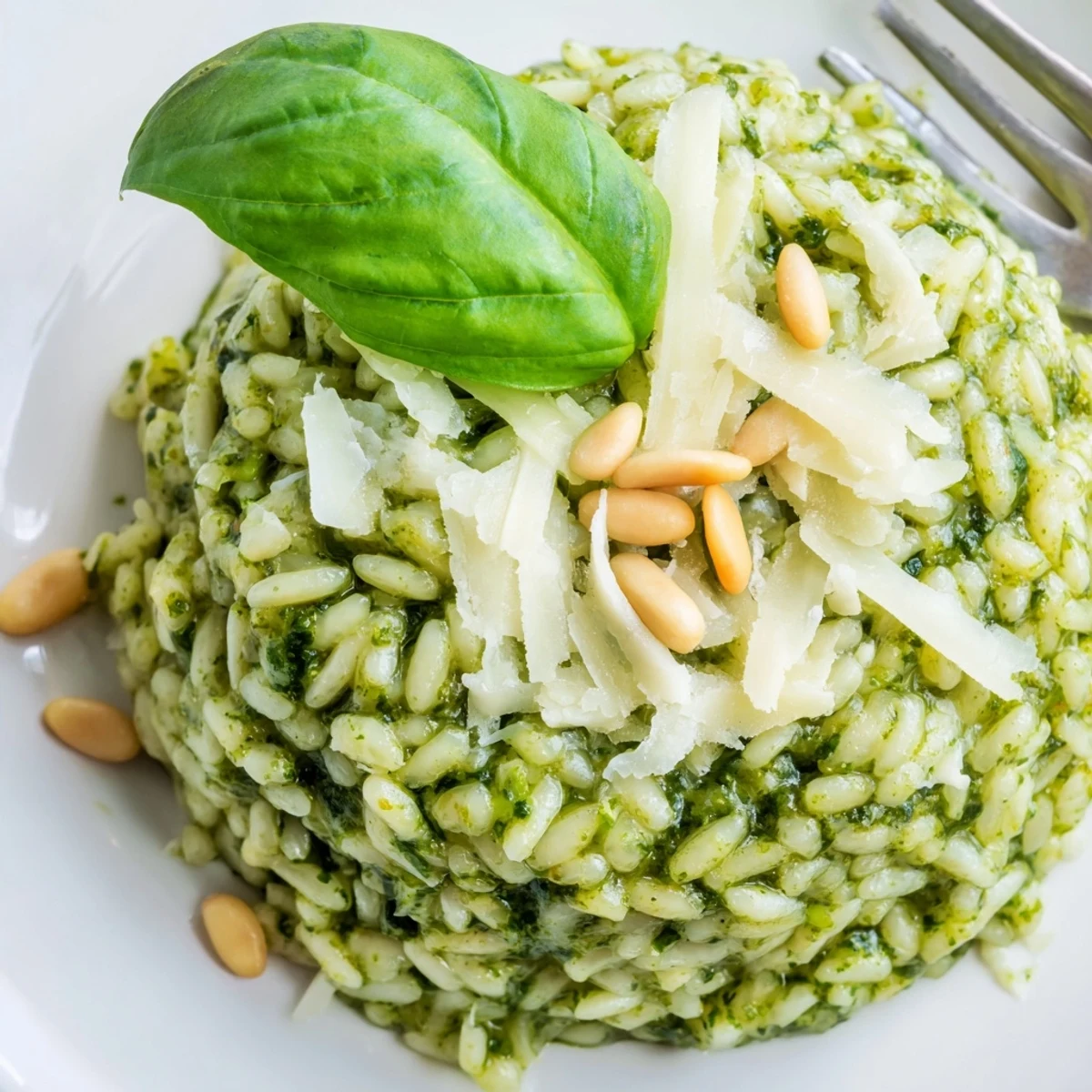
Save Create this luxurious Italian classic by slowly toasting Arborio rice in butter and olive oil, then gradually adding warm vegetable broth while stirring constantly. The slow absorption method releases the rice's natural starches, creating that signature creamy texture without any heavy cream. Once tender, fold in freshly grated Parmesan and vibrant basil pesto for a rich, aromatic finish. Perfect as a satisfying main course or elegant side dish that brings restaurant-quality Italian comfort to your table in under an hour.
The first time I made risotto properly, I stood at the stove for twenty minutes straight, convinced I'd done something wrong because the rice kept demanding more broth. My roommate wandered in, took one look at my furrowed brow, and said 'that's exactly what it's supposed to do.' That moment of stirring, watching the grains transform from chalky to creamy, became my favorite kind of therapy after long workdays.
Last winter, when my sister came over exhausted from grad school applications, I made this risotto. She took one bite, closed her eyes, and said 'this tastes like something our grandmother would have made.' I'd never met our grandmother, but suddenly I felt like I was continuing something bigger than just dinner.
Ingredients
- Arborio rice: This short grain rice creates that signature creamy texture through its high starch content. Do not rinse it before cooking or you'll lose the starch that makes risotto magical.
- Vegetable broth: Keeping it warm is crucial because adding cold liquid shocks the rice and affects the cooking process. Low sodium lets you control the seasoning perfectly.
- Butter and olive oil: This combination gives you the flavor of butter with a higher smoking point from the oil. It's how restaurant kitchens achieve that perfect sauté without burning.
- White wine: Dry white wine adds acidity that cuts through the richness. Pinot Grigio or Sauvignon Blanc work beautifully here.
- Onion and garlic: Finely diced is key here. You want these aromatics to melt into the rice, not remain as distinct chunks.
- Parmesan cheese: Freshly grated makes an enormous difference. Pre-grated cheese has anti caking agents that prevent it from melting properly into the risotto.
- Basil pesto: Homemade is wonderful, but a high quality store bought pesto works perfectly. Look for one with olive oil as the first ingredient.
Instructions
- Build your flavor foundation:
- Melt butter with olive oil in a heavy bottomed pan over medium heat. Add the diced onion and cook until it turns translucent and soft, about 3 minutes. Stir in minced garlic and let it become fragrant, just 1 minute so it doesn't burn.
- Toast the rice:
- Add Arborio rice to the pan, stirring constantly for 2 minutes. You'll notice the grains becoming slightly translucent at the edges and they'll start smelling nutty. This step helps the rice hold its texture during cooking.
- Deglaze with wine:
- Pour in white wine and stir until it's almost completely absorbed. The kitchen will start smelling incredible right about now.
- The patient addition:
- Add warm broth one ladle at a time, stirring frequently. Wait until each addition is almost fully absorbed before adding more. Continue this for 18 to 20 minutes until the rice is creamy but still has a slight bite. You might not need all the broth.
- The grand finish:
- Reduce heat to low and stir in Parmesan and pesto until completely combined. Season with salt and pepper, then remove from heat. Let it rest covered for 2 minutes. This final rest is essential for the perfect texture.
 Save
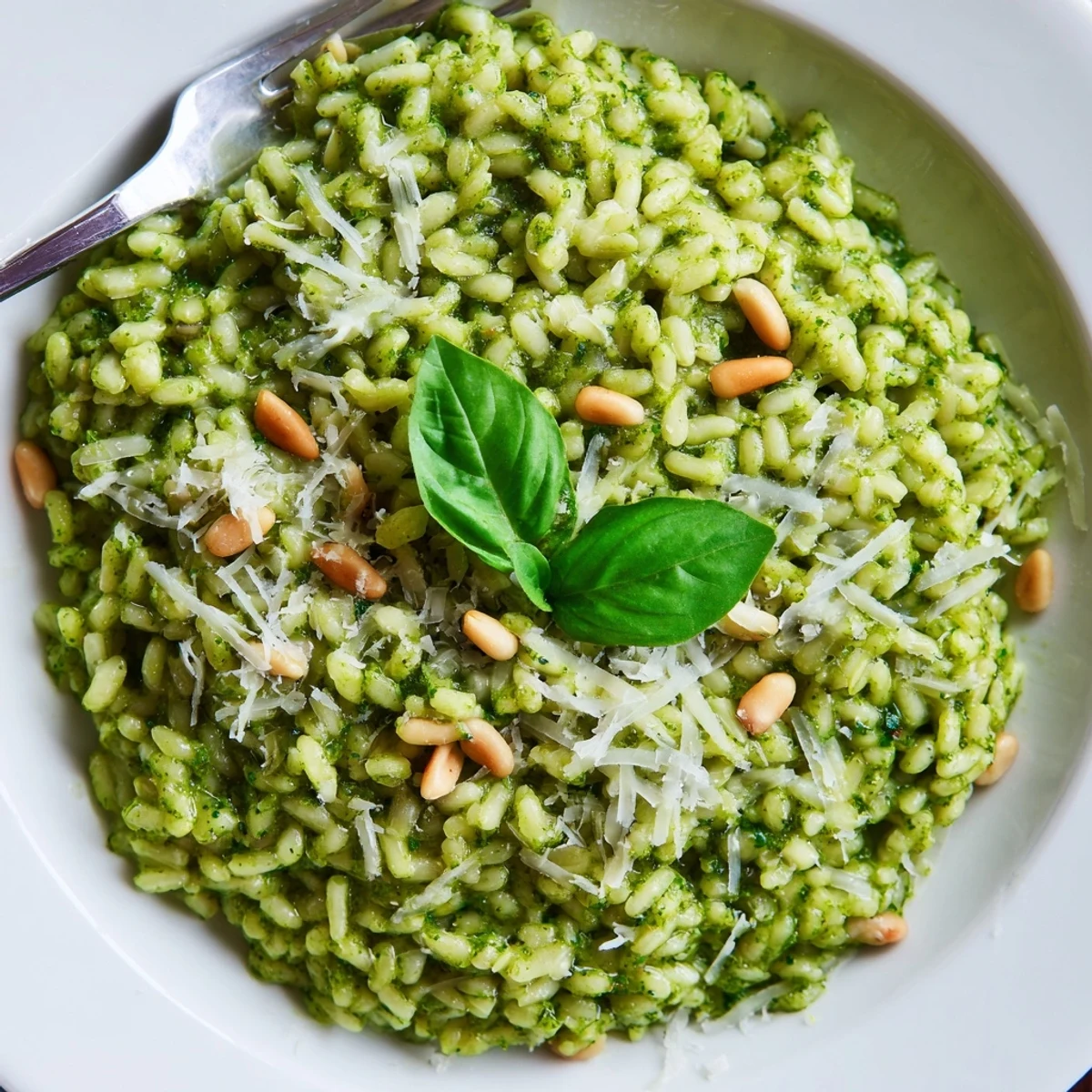
Save This recipe became my go to for dinner parties after I served it to friends who were convinced they hated risotto. They'd only had gluey versions at mediocre restaurants. Watching them take that first skeptical bite, then immediately reach for seconds, reminded me why cooking for people matters. It's not just nourishment, it's proof that you care.
Getting That Restaurant Texture
The difference between okay risotto and extraordinary risotto is all about timing. Stop cooking when the grains still have a tiny white dot in the center, and the mixture should flow like thick lava when you tilt the pan, not sit in a mound. Underdone is better than overdone because it continues cooking during the rest period.
Broth Temperature Matters
I learned this lesson the hard way when I was in a rush and used cold broth. The rice cooked unevenly, with some grains mushy and others crunchy. Now I always keep my broth in a separate pan on the back burner at a gentle simmer. The consistent temperature makes for perfectly cooked rice every single time.
Serving Suggestions
While this risotto is rich enough to stand alone as a main, I love pairing it with a simple arugula salad dressed in lemon vinaigrette. The bright, peppery greens cut through the creaminess perfectly. A glass of the same white wine you used in the recipe brings everything together beautifully.
- Add roasted cherry tomatoes in the summer for color and acidity
- Top with pan seared scallops or shrimp if you want to make it extra special
- Leftovers reheat surprisingly well with a splash of broth
 Save
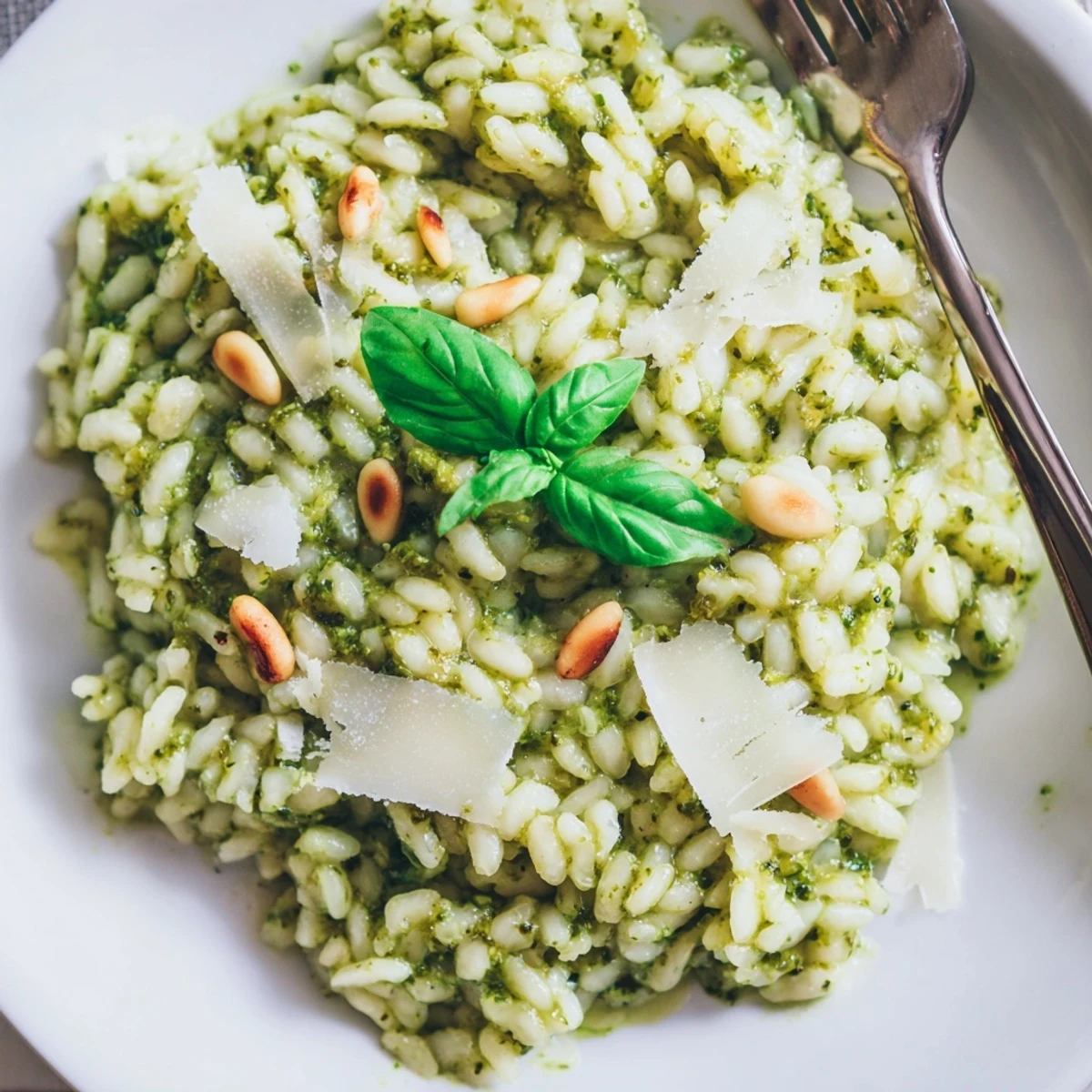
Save There's something almost meditative about making risotto, the rhythm of stirring and adding broth, watching simple ingredients transform into something extraordinary. It's worth every minute at the stove.
Recipe FAQ
- → What makes risotto creamy without adding cream?
-
The creaminess comes from the Arborio rice itself. As you slowly add warm broth and stir, the rice releases its natural starches, creating a rich, velvety texture that thickens the liquid naturally without any dairy cream needed.
- → Can I use regular rice instead of Arborio?
-
Arborio rice is essential because it has a high starch content and firm texture that holds up during slow cooking. Regular rice will become mushy and won't develop that signature creamy consistency that makes this dish special.
- → Why must the broth be warm when adding it?
-
Adding cold broth shocks the rice and interrupts the cooking process, resulting in uneven texture. Warm broth maintains a steady temperature, allowing the grains to cook evenly and release starches gradually for that perfect creamy result.
- → Can I make this vegetarian or vegan?
-
This version is already vegetarian as it uses vegetable broth. To make it vegan, substitute the butter with olive oil or vegan butter, and use nutritional yeast or vegan Parmesan alternative instead of dairy Parmesan cheese.
- → How do I store and reheat leftovers?
-
Store in an airtight container in the refrigerator for up to 3 days. Reheat gently in a saucepan with a splash of vegetable broth or water, stirring frequently to restore creaminess. The texture will be slightly thicker than freshly made.