
 Save
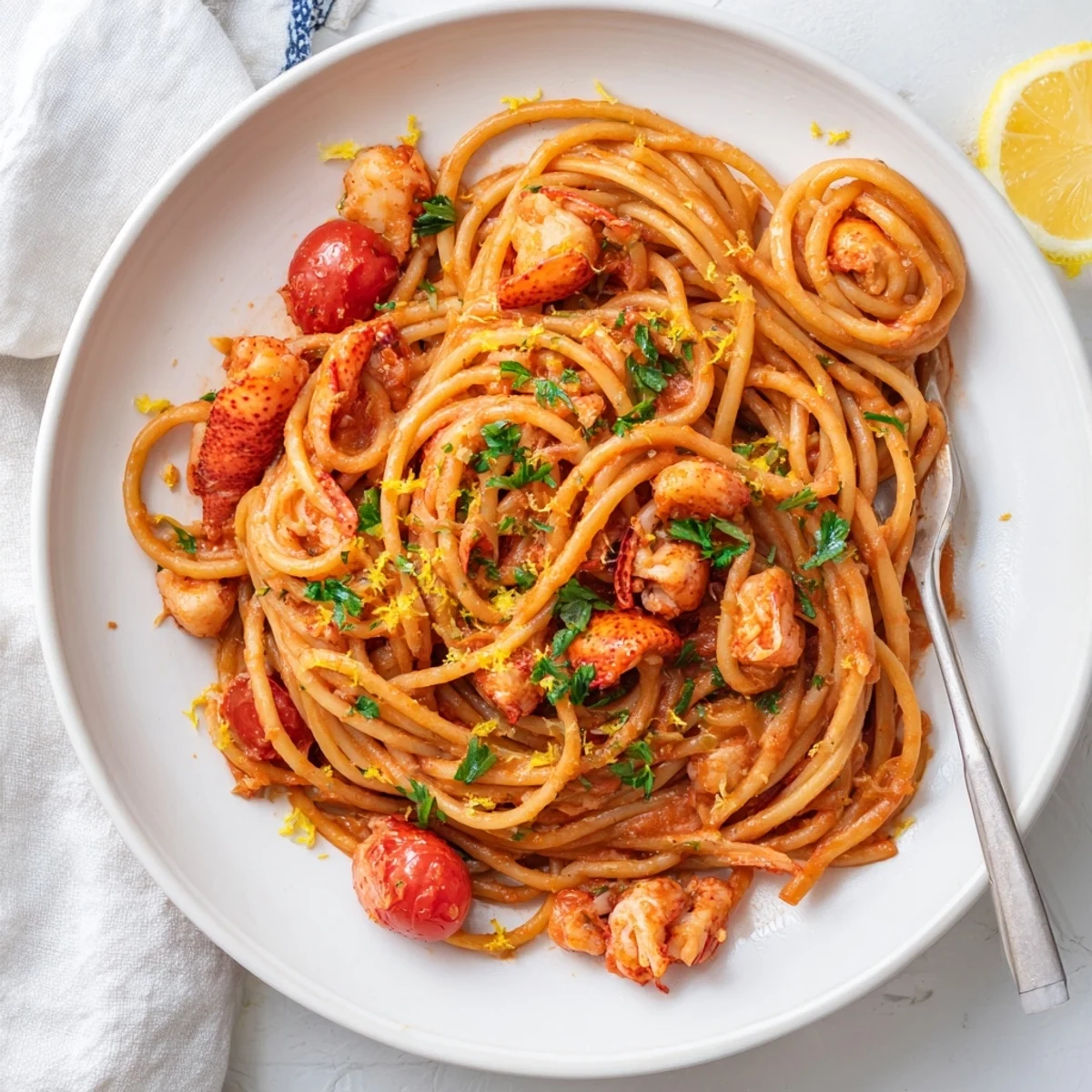
Save Indulge in this luxurious pasta dish featuring succulent lobster meat paired with thick bucatini noodles. The seafood gets tossed in a vibrant sauce combining sweet cherry tomatoes, aromatic garlic and shallots, plus a splash of dry white wine for depth. A finish of butter, lemon zest and fresh parsley brings everything together into a silky, restaurant-worthy coating on every strand. Ready in under an hour, this impressive main dish serves four and pairs beautifully with crisp white wine like Pinot Grigio.
The first time I made lobster pasta at home, I felt like I was getting away with something. Standing in my tiny kitchen with two live lobsters staring back at me, I questioned if this level of effort was worth it for a Tuesday dinner. But the moment that garlic and wine hit the hot pan, I understood why restaurant kitchens have windows facing the dining room. The aroma alone stopped my roommate in her tracks, abandoning her takeout plans to watch me work.
Last summer I made this for my parents anniversary dinner. My dad, whos been cooking Italian food for forty years, quietly finished his plate and asked if there were seconds. That silent approval meant more than any compliment. The way the sweet lobster balances against the bright lemon and heat from red pepper flakes transforms simple ingredients into something that feels like a celebration.
Ingredients
- Live lobsters or cooked lobster meat: Fresh live lobster gives the sweetest flavor but cooked meat works beautifully for weeknights
- Bucatini pasta: The hollow center grabs sauce better than spaghetti, though penne or linguine are decent substitutes
- Cherry tomatoes: They burst during cooking, releasing natural juices that thicken the sauce beautifully
- White wine: Pinot Grigio or Sauvignon Blanc add brightness and depth to balance the rich lobster
- Unsalted butter: Essential for that velvety finish that makes restaurant pasta impossible to replicate without it
- Lemon zest and juice: Cuts through richness and wakes up all the flavors
- Fresh parsley: Adds a peppery fresh contrast and makes the dish look stunning on the plate
Instructions
- Prep the lobster:
- If starting with live lobsters, plunge them into boiling salted water for 5 to 6 minutes until they turn bright red. Transfer to an ice bath immediately to stop cooking, then crack the shells and remove meat from tails, claws, and knuckles.
- Cook the pasta:
- Drop bucatini into heavily salted boiling water and cook until al dente, usually 1 minute less than package directions. Reserve that starchy pasta water before draining—its liquid gold for sauce consistency.
- Build the base:
- Heat olive oil in a large skillet over medium heat and sauté garlic and shallots until fragrant, about 2 minutes. Add halved cherry tomatoes and red pepper flakes, letting them soften and release their juices.
- Create the sauce:
- Pour in white wine and simmer for 2 minutes, then add lobster stock and cook another 3 minutes. Stir in butter, lemon zest, and juice until the sauce emulsifies and coats the back of a spoon.
- Combine and serve:
- Add lobster meat gently to warm through, then toss in the cooked bucatini. Use reserved pasta water to loosen sauce if needed, finish with parsley, and serve immediately while steam is still rising.
 Save
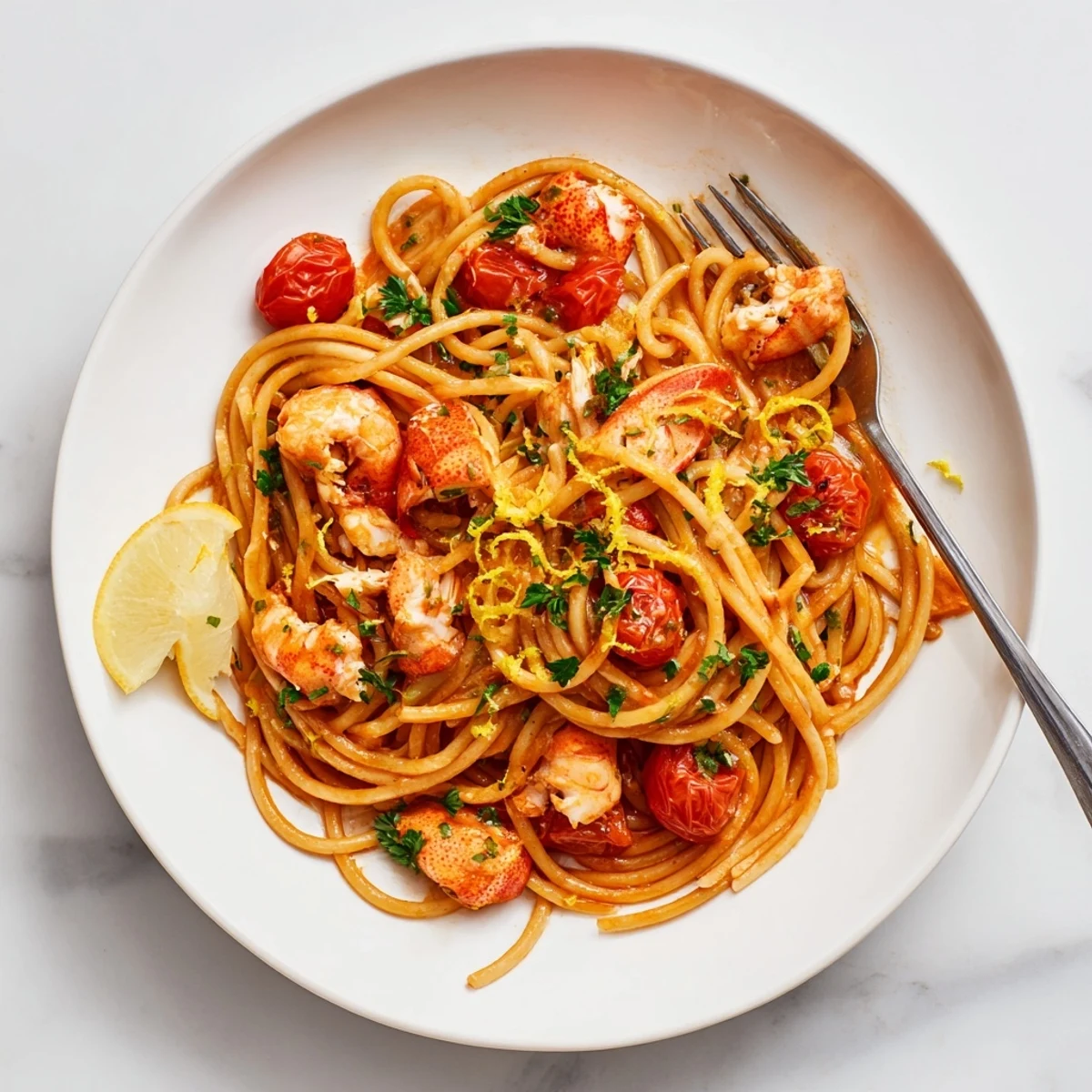
Save This dish has become my go to for dinner parties because it looks impressive but actually comes together in under an hour. My friends still talk about the night I served it on the patio with cold white wine and candlelight, how the pasta kept us at the table long after the plates were empty. Food memories stick around longer than almost anything else.
Making Ahead Like a Pro
You can cook lobster and make the tomato base up to 4 hours ahead, storing them separately in the refrigerator. When ready to serve, reheat the sauce gently, add lobster, and toss with freshly cooked pasta. The dish loses some magic if reheated fully, so timing matters more than technique here.
Wine That Works
A crisp Italian white like Pinot Grigio or Vermentino mirrors the wine in the sauce and balances the sweet lobster meat. Avoid heavy oaky Chardonnays—they compete with the delicate flavors instead of complementing them. If you prefer red, a light Pinot Noir can work but white really lets the lobster shine.
Side Dishes Worth Your Time
A simple arugula salad with lemon vinaigrette cuts through the richness beautifully. Roasted asparagus with Parmesan adds texture without overpowering the pasta. Crusty bread is non negotiable for sopping up every last drop of that sauce.
- Keep sides simple since the pasta is the star
- A chilled glass of wine alongside feels like restaurant service at home
- Fresh fruit for dessert lightens up the rich meal
 Save
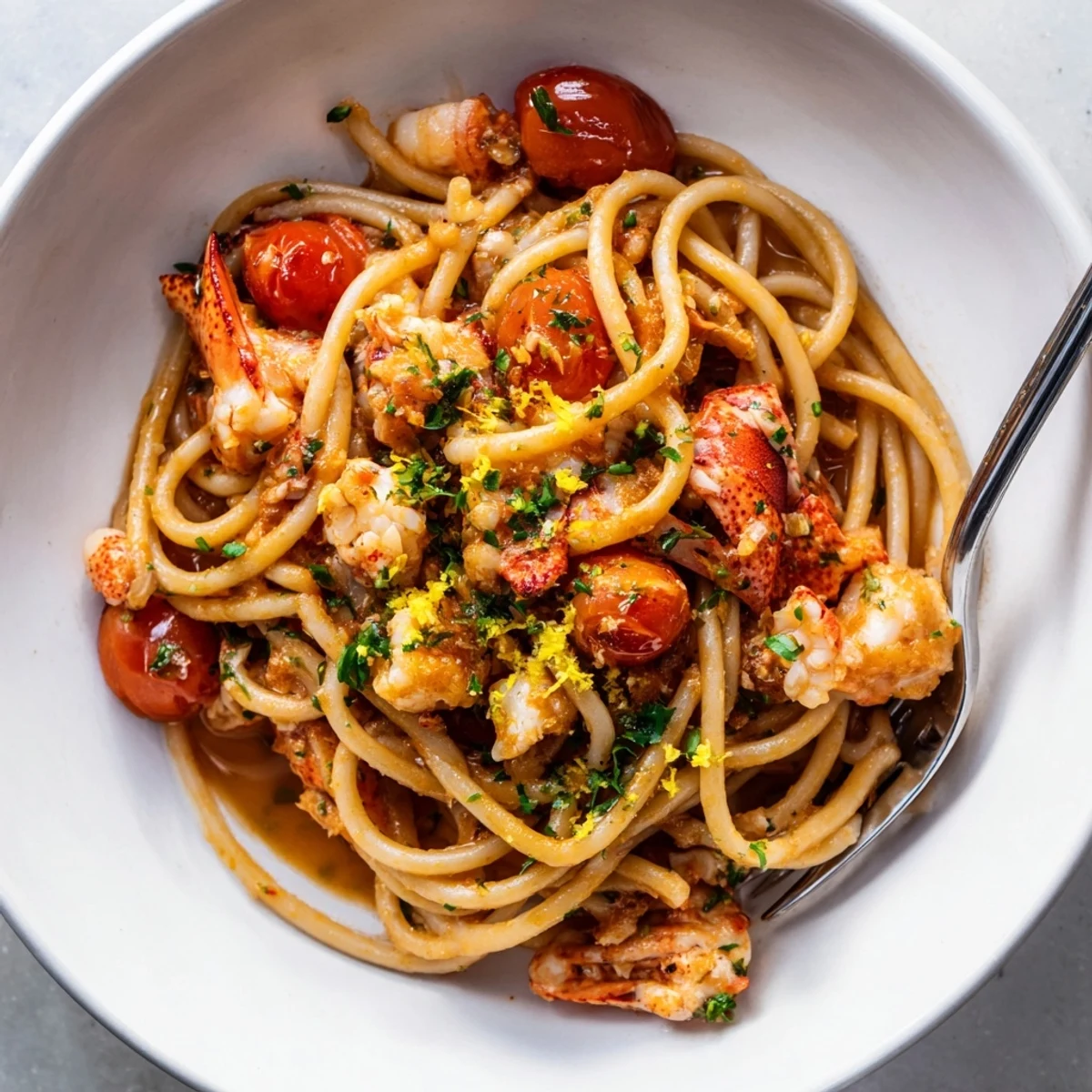
Save Luxury really does belong in weeknight cooking sometimes. This pasta reminds me that the best meals are the ones worth slowing down for.
Recipe FAQ
- → Can I use pre-cooked lobster meat?
-
Absolutely. Simply skip the boiling step and add the cooked lobster meat during step 6 to warm through gently. This reduces prep time significantly.
- → What pasta substitutes work best?
-
Spaghetti or linguine make excellent alternatives if bucatini isn't available. The thicker texture of bucatini holds sauce beautifully, but any long pasta works.
- → How do I store leftovers?
-
Store in an airtight container in the refrigerator for up to 2 days. Reheat gently with a splash of pasta water to revive the silky sauce consistency.
- → Can I make this dairy-free?
-
Substitute the butter with olive oil. The dish will still be rich and flavorful thanks to the lobster stock and white wine reduction.
- → What wine should I use for cooking?
-
Use a dry white wine you'd enjoy drinking—Pinot Grigio, Sauvignon Blanc, or Vermentino work wonderfully. Avoid sweet wines as they'll alter the sauce's balance.