
 Save
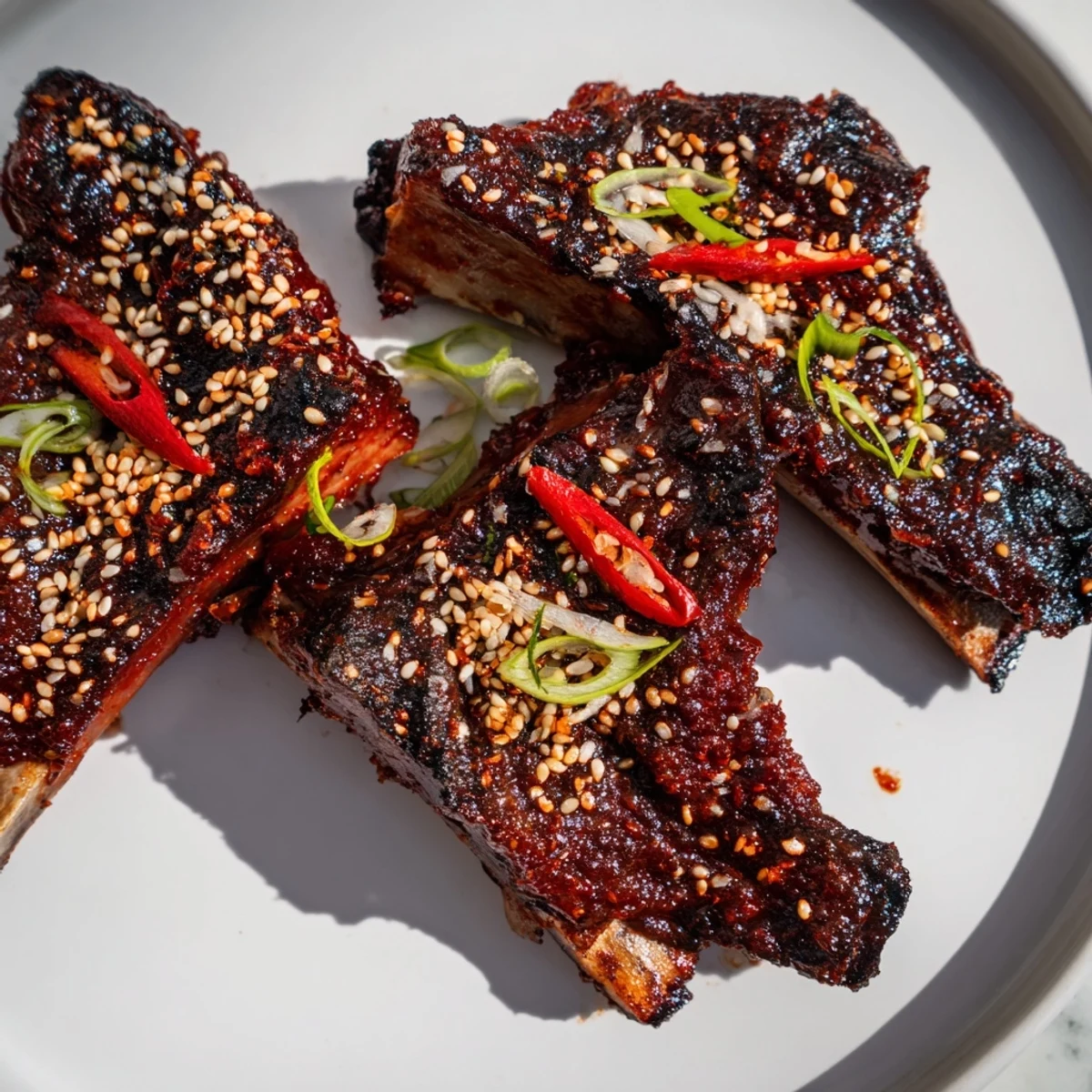
Save These Korean BBQ lamb ribs are marinated overnight in a bold mixture of gochujang, soy sauce, sesame oil, garlic, and ginger, then slow-roasted to melt-in-your-mouth tenderness.
A honey-glaze caramelization step gives the ribs their signature sticky, slightly charred exterior. The finishing touch of fresh yuzu juice cuts through the richness with its unique floral citrus brightness.
Serve with steamed rice and pickled vegetables for a complete Korean fusion meal that feeds four.
The sizzle of lamb ribs hitting a hot pan on a rainy Tuesday changed everything about how I think about weeknight dinners. My neighbor had brought over a jar of gochujang after a trip to Koreatown, and I stood in my kitchen sniffing it, intrigued by its funky, sweet depth. I had a rack of lamb ribs sitting in the fridge with no plan, and one impulsive marinade later, the entire house smelled like something between a Seoul street stall and my grandmothers kitchen. That first bite, tangy and caramelized with a hit of citrus I added on a whim, made me close my eyes and laugh out loud.
I made these for a backyard gathering last summer when the grill was already hot and friends were lingering past sunset. Someone tore off a rib with their bare hands, yuzu juice running down their wrist, and declared it the best thing they had eaten all year. I watched three grown adults forget about forks entirely.
Ingredients
- Lamb ribs (1.5 kg, trimmed): The foundation of the dish, and trimming excess fat ensures the marinade penetrates rather than sliding off into a greasy mess.
- Gochujang (3 tbsp): This fermented Korean chili paste is the soul of the recipe, delivering heat, sweetness, and umami all at once.
- Soy sauce (4 tbsp): Adds salt and depth, and using a gluten free tamari works perfectly without sacrificing flavor.
- Brown sugar (2 tbsp): Helps the glaze caramelize into those gorgeous sticky edges under high heat.
- Sesame oil (1 tbsp): A little goes a long way here, toasting the marinade with a nutty warmth that rounds out the chili.
- Garlic (4 cloves, minced): Fresh is non negotiable, as the jarred stuff tastes flat against the bold Korean flavors.
- Fresh ginger (2 tsp, grated): Grate it finely so it melts into the marinade rather than leaving stringy bits on the ribs.
- Rice vinegar (1 tbsp): Balances the sweetness and tenderizes the meat slightly while it rests.
- Mirin (2 tbsp, optional): Adds a gentle sweetness and gloss that makes the glaze shine, though the recipe works without it.
- Black pepper (1 tsp): Use freshly ground for a subtle warmth that lingers behind the bigger flavors.
- Honey (2 tbsp): Stirred into the glaze at the end, it creates that lacquered, finger licking finish.
- Yuzu juice (2 tbsp): Floral and tart, this is the surprise element that makes people ask what is in this, though lemon works in a pinch.
- Toasted sesame seeds (1 tbsp): Sprinkle these on last for a quiet crunch and visual finish.
- Scallions (2, thinly sliced): Their sharp freshness cuts through the richness and adds a pop of green.
- Red chili (1 small, sliced, optional): For those who want a little more fire on top of the gochujang heat.
Instructions
- Build the marinade:
- Whisk gochujang, soy sauce, brown sugar, sesame oil, garlic, ginger, rice vinegar, mirin, and pepper in a bowl until the mixture is completely smooth with no lumps of chili paste hiding in corners.
- Coat and rest the ribs:
- Spread the marinade generously over every surface of the lamb ribs, then seal them in a bag or cover the dish and tuck them into the fridge for at least four hours, though overnight is when the real magic happens.
- Slow roast to tenderness:
- Set the oven to 160 degrees Celsius, lay the ribs on a wire rack over a baking sheet, tent with foil, and let them roast low and slow for one full hour until the meat pulls back from the bone.
- Make the glaze:
- Pour the leftover marinade into a small saucepan with the honey and simmer gently for about five minutes until it thickens into something glossy and spoon coating.
- Caramelize under high heat:
- Crank the oven to 200 degrees Celsius, uncover the ribs, brush them lavishly with the glaze, and roast for another ten to fifteen minutes until the edges blister and turn a deep sticky mahogany.
- Finish with yuzu and serve:
- Let the ribs rest for five minutes after the oven, then squeeze yuzu juice generously over the top and scatter with scallions, sesame seeds, and sliced chili before bringing them to the table.
 Save
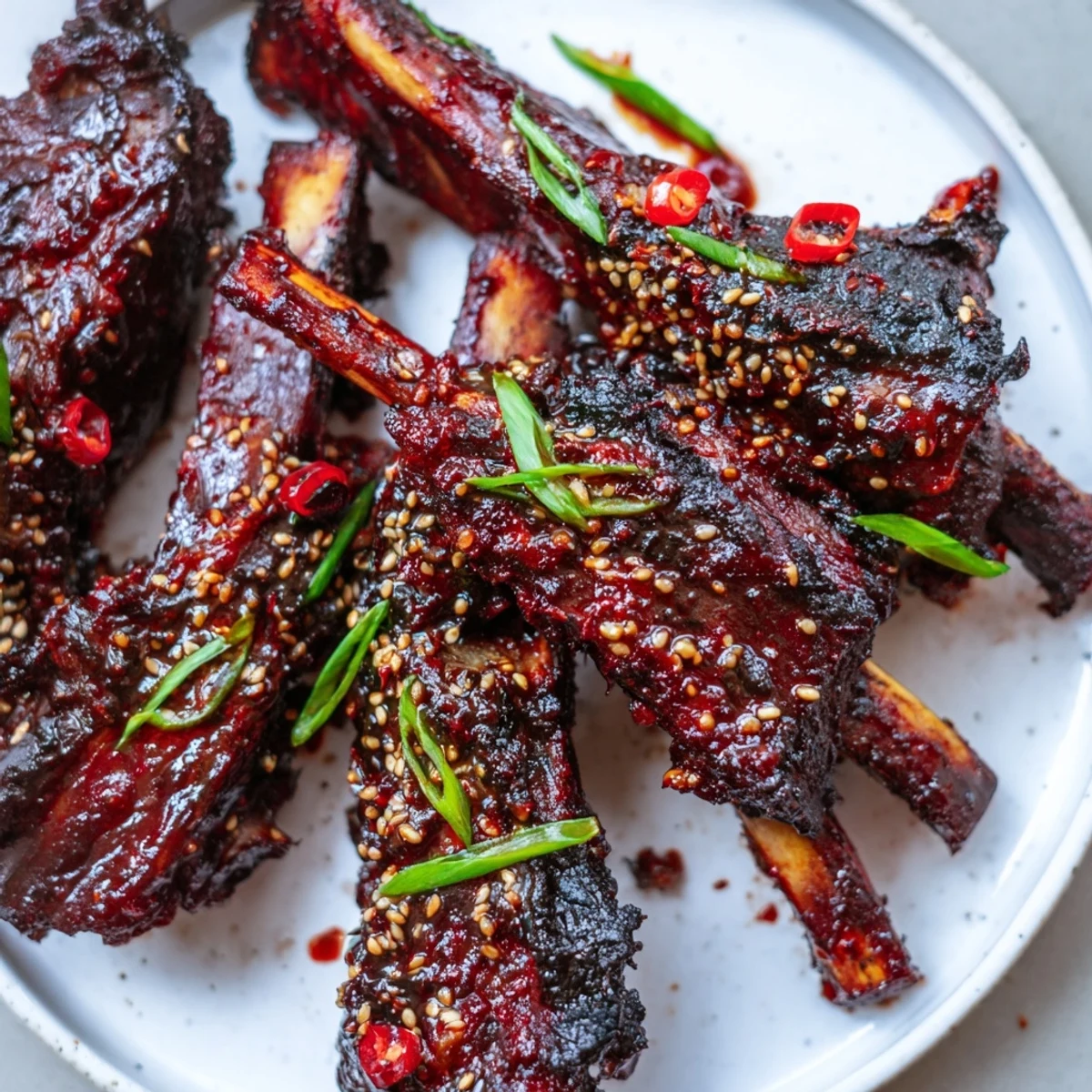
Save There is something deeply satisfying about watching a plate of messy, glistening ribs disappear while conversation flows around them. Food like this does not need plating precision or fancy garnishes to feel special.
What to Serve Alongside
Steamed white rice is the obvious choice because it soaks up the sticky glaze like a sponge and cools the chili heat perfectly. Pickled radishes or a simple cucumber salad with sesame dressing also cut through the richness in a way that keeps you reaching for another rib.
Working with Yuzu
Fresh yuzu can be nearly impossible to find depending on where you live, but bottled yuzu juice is widely available at Asian grocery stores and works beautifully here. If you end up using lemon instead, add just a tiny pinch of sugar to the juice to mimic yuzus natural sweetness.
Getting the Char Right
The final blast of high heat is what gives these ribs their irresistible sticky char, so do not be tempted to pull them out early even if they already look good. If you have an outdoor grill, finishing them over direct flame for two minutes per side takes them to another level entirely.
- Watch the glaze closely under high heat because honey can go from caramelized to burnt in under a minute.
- A wire rack keeps the ribs elevated so the heat circulates and the bottom does not steam into soggy disappointment.
- Always let the oven fully reach the higher temperature before putting the ribs back in for that final caramelization.
 Save
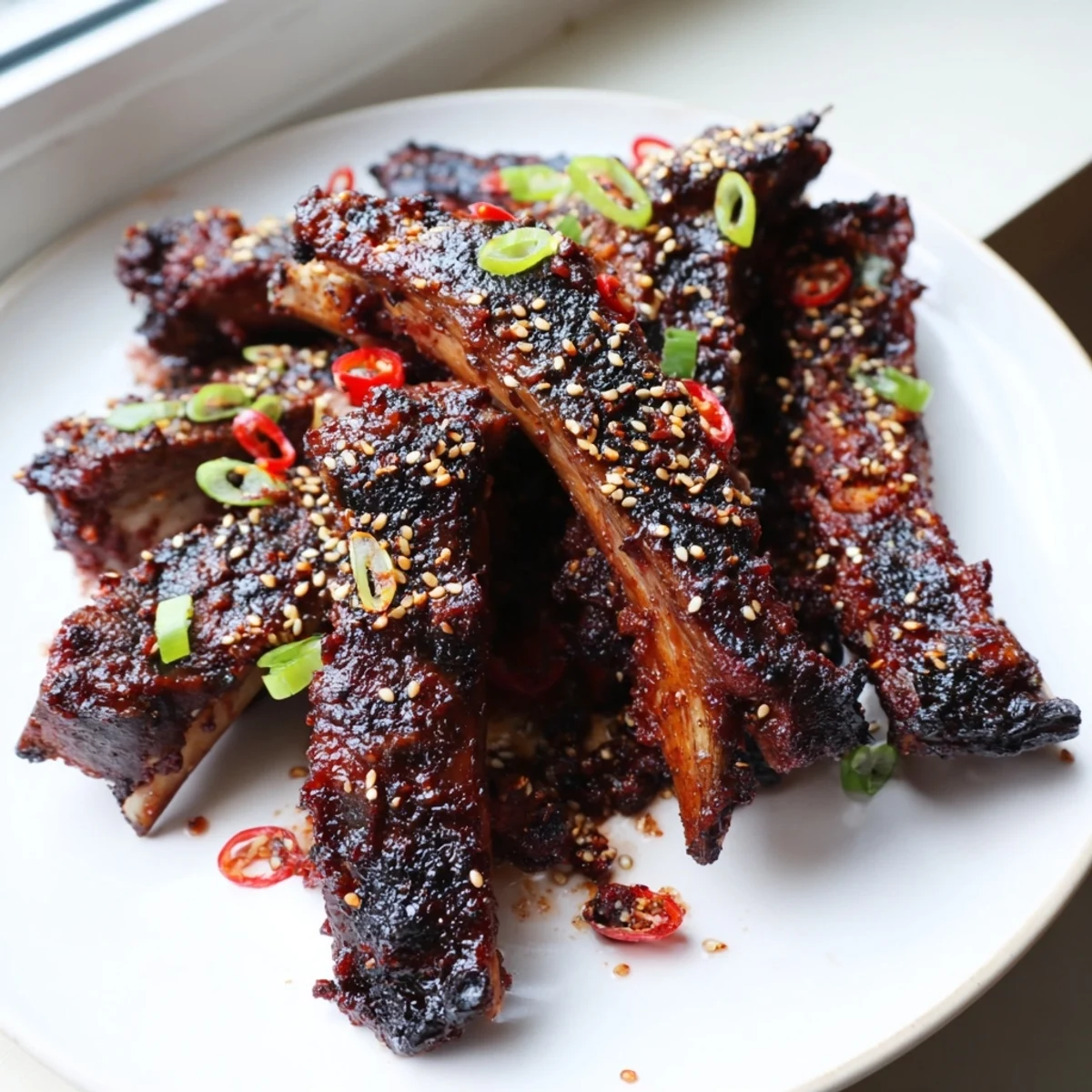
Save These ribs are best eaten standing up, juice running, with napkins piled high and absolutely no pretense. That is the highest compliment any dish can receive.
Recipe FAQ
- → Can I substitute yuzu juice with something else?
-
Yes, fresh lemon juice works as a substitute, though the flavor profile will differ. Yuzu has a distinct floral, aromatic quality that lemon lacks. If available, a mix of lemon and lime juice closer approximates yuzu's complexity.
- → How long should I marinate the lamb ribs?
-
For the best results, marinate the ribs for at least 4 hours. Overnight marination in the refrigerator allows the gochujang, soy sauce, and aromatics to deeply penetrate the meat, resulting in more flavorful, tender ribs.
- → Can I finish these ribs on a grill instead of in the oven?
-
Absolutely. After the initial slow roasting at 160°C, transfer the glazed ribs to a hot grill for 2–3 minutes per side. This adds an authentic smoky char that complements the Korean BBQ flavors beautifully.
- → Is this dish gluten-free?
-
It can be. Use gluten-free soy sauce and verify that your gochujang brand is certified gluten-free, as some contain wheat. Check all condiment labels carefully to ensure compliance with gluten-free dietary needs.
- → What should I serve with Korean BBQ lamb ribs?
-
Steamed white rice is the classic pairing, absorbing the rich, sticky glaze perfectly. Pickled vegetables like kimchi or quick-pickled radish provide a refreshing contrast. A simple cucumber salad also works well alongside.
- → How spicy are these lamb ribs?
-
The heat level depends on the amount of gochujang used. The default quantity provides a moderate, building warmth. For milder ribs, reduce the gochujang to 1–2 tablespoons. For more fire, add Korean chili flakes or increase the paste.