
 Save
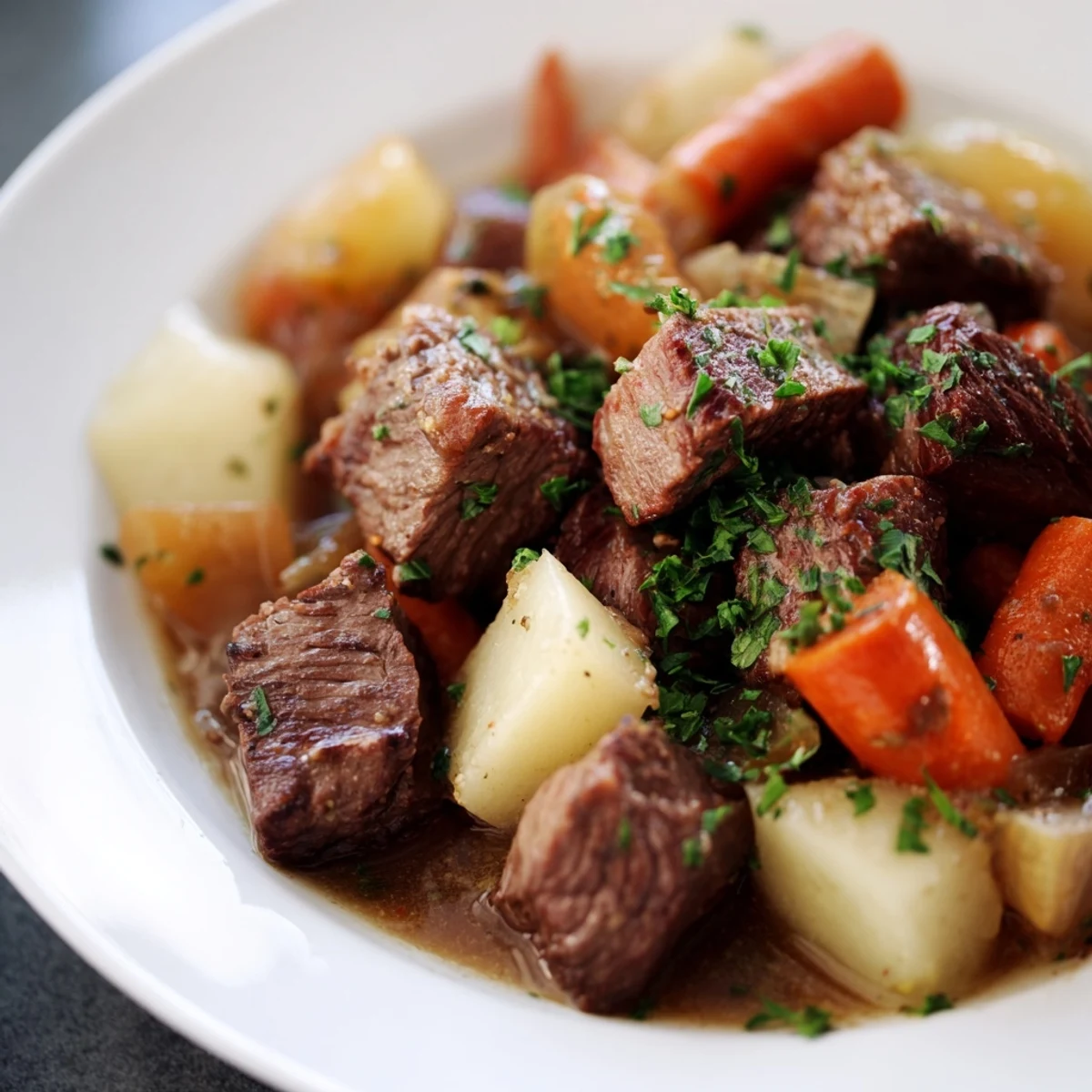
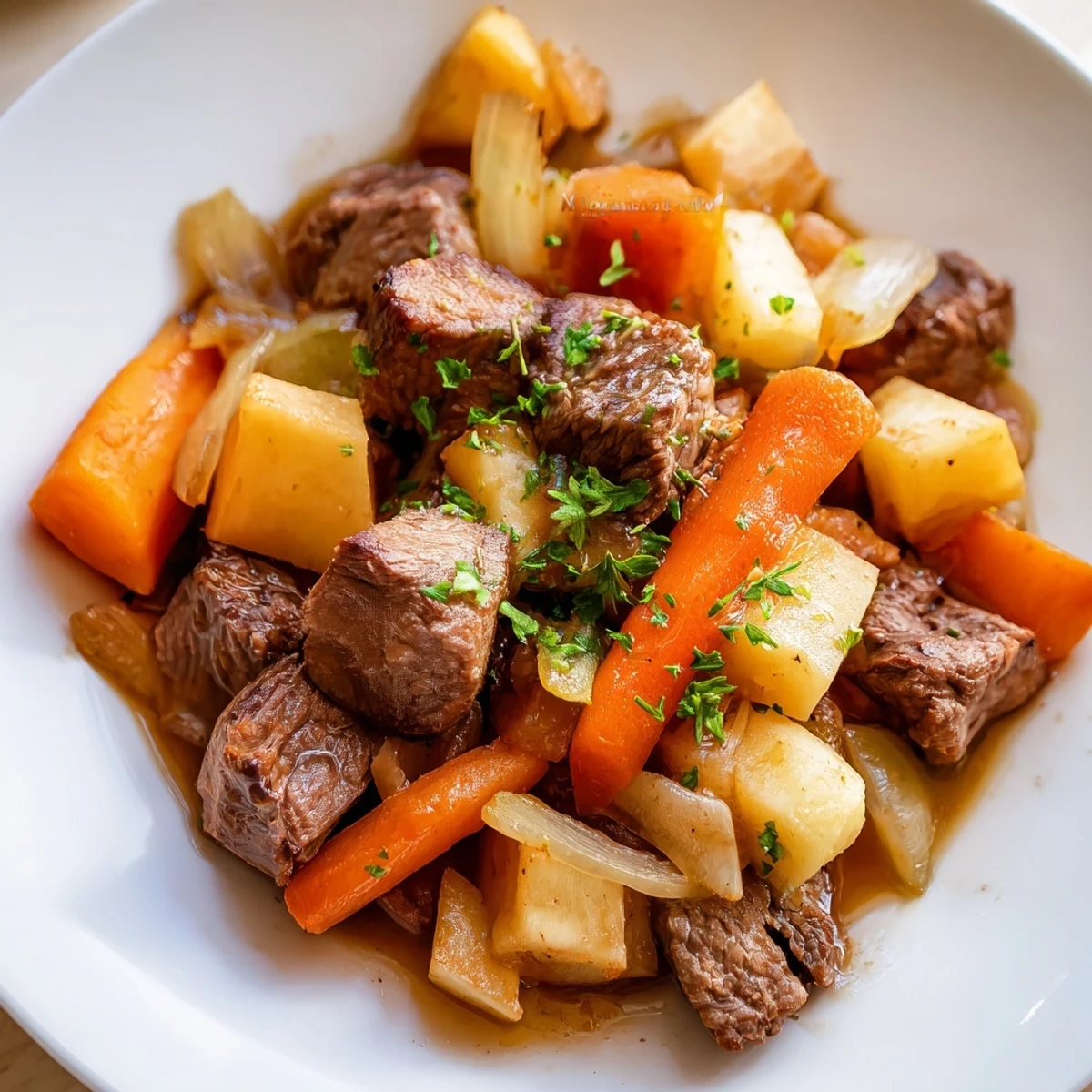
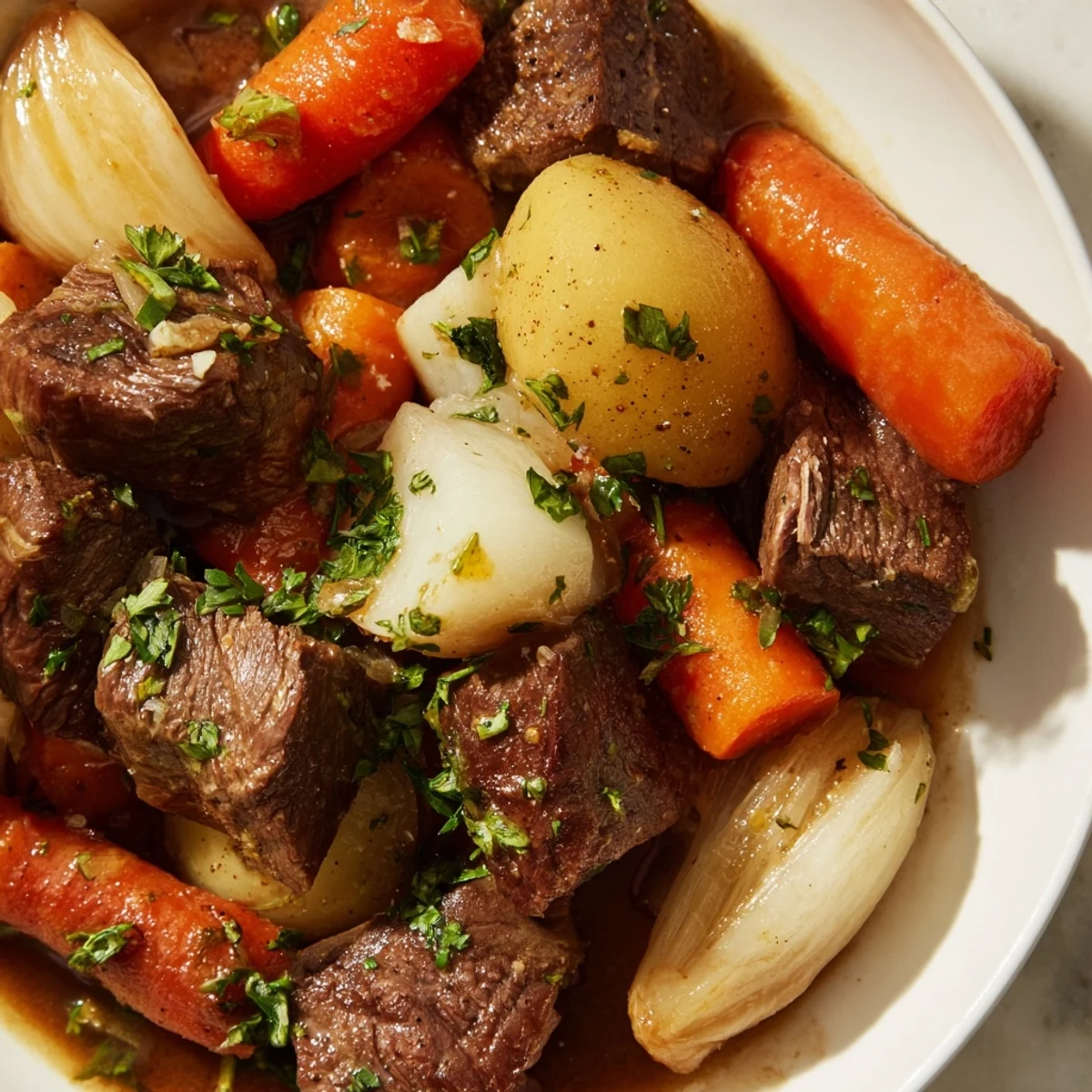
Save This dish combines tender beef cubes with a medley of root vegetables like carrots, parsnips, potatoes, and turnip, cooked slowly in a rich, herb-infused broth. The slow simmer tenderizes the beef and melds the flavors, while ingredients like onion, celery, garlic, tomato paste, and aromatic herbs create complexity. The stew is finished with fresh parsley for brightness. It's hearty and comforting with balanced seasoning, perfect for cooler days. For a thicker texture, some potatoes can be mashed into the broth. Gluten- and dairy-free options are available using appropriate stock.
The rain was coming down in sheets last March when I finally decided to tackle proper Irish stew. My grandmother had mentioned how the secret was in the slow simmer, letting everything meld together until you couldn't tell where the beef ended and the vegetables began. I stood at the counter with my Dutch oven, watching the steam fog up the kitchen windows, and realized there's something deeply meditative about stirring a pot that needs your attention for hours.
I made this for a book club gathering last winter, and one friend actually went quiet after her first bite. That's how I knew it was worth the wait. Later she admitted she'd been skeptical about a stew without Guinness, but the rich tomato paste and herb broth won her over completely.
Ingredients
- 1.5 lbs beef stew meat: Chuck or shoulder cuts work beautifully here, and cutting them into uniform cubes ensures everything finishes cooking at the same time
- 2 large carrots and 2 parsnips: These sweet root vegetables are the backbone of Irish stews, their natural sugars balancing the savory beef
- 2 medium potatoes: Yukon Gold or Russet hold their shape while releasing just enough starch to naturally thicken the broth
- 1 medium turnip: Often overlooked, but adds a subtle peppery sweetness that makes the stew taste authentic
- 1 large onion and 2 celery stalks: The aromatic foundation that builds layers of flavor from the very first sauté
- 3 garlic cloves: Minced fresh adds a mellow warmth that doesn't overpower the other vegetables
- 4 cups low-sodium beef stock: Using alcohol-free stock keeps this stew accessible while still providing a rich base
- 2 tbsp tomato paste: The secret ingredient that deepens the color and adds umami without any wine
- 2 bay leaves, 1 tsp dried thyme, and 1 tsp dried rosemary: Classic herb combination that smells like comfort itself
- 2 tbsp olive oil: For browning the beef properly, which creates those caramelized bits that become flavor gold
- 2 tbsp fresh parsley: Bright finish that cuts through the richness and makes everything look inviting
Instructions
- Season and brown the beef:
- Pat those cubes completely dry with paper towels, then season generously with salt and pepper. Heat 1 tablespoon olive oil in your Dutch oven over medium-high heat and brown the beef in batches, giving each piece about 2 to 3 minutes to develop a proper crust. Resist overcrowding the pot, or you'll steam the meat instead of searing it.
- Build the aromatic base:
- Add the remaining olive oil to the same pot and sauté the onion and celery for 3 to 4 minutes until they've softened and started to turn translucent. Stir in the garlic and let it cook for just 1 minute until fragrant, being careful not to let it brown.
- Add depth with tomato paste:
- Stir in the tomato paste and let it cook for 1 minute, which helps concentrate its natural sweetness and removes any raw canned taste. Return all that beautifully browned beef back to the pot.
- Combine everything for the long simmer:
- Add all the root vegetables—carrots, parsnips, potatoes, and turnip—then pour in the beef stock. Tuck in the bay leaves, thyme, and rosemary, and bring everything to a gentle simmer.
- Let it cook slowly and patiently:
- Reduce the heat to low, cover with a tight-fitting lid, and let it simmer for 1.5 to 2 hours. Give it an occasional stir and skim any excess fat that rises to the surface.
- Finish and serve:
- Remove the bay leaves and taste the broth, adjusting with more salt and pepper if needed. Ladle into warmed bowls and sprinkle each serving with fresh parsley.
 Save
Save My youngest sister called me from college asking for this recipe after she'd come home for a weekend visit. Something about the simple comfort of it reminded her of snow days when school was cancelled and the whole house smelled like slow-cooked dinner.
Making It Your Own
I've learned that swapping in sweet potatoes for some of the regular potatoes adds a lovely sweetness that plays beautifully with the beef. A handful of pearl onions thrown in during the last hour makes it feel fancy without much extra effort.
Serving Suggestions That Work
Crusty bread is non-negotiable for soaking up that rich broth. Irish soda bread feels right, but a good sourdough works just as well. A simple green salad with a sharp vinaigrette cuts through the richness perfectly.
Getting The Right Texture
If you prefer a thicker stew, mash a few potato chunks against the side of the pot during the last 20 minutes of cooking. The released starch will naturally thicken the broth without needing any flour or cornstarch.
- Some people like adding a splash of vinegar at the end to brighten everything
- A pinch of sugar can help if your vegetables aren't as sweet as you hoped
- Always give it at least 10 minutes to rest before serving so the flavors settle
 Save
Save There's something profoundly satisfying about a stew that asks so little of you but gives back so much warmth in return.
Recipe FAQ
- → What is the best cut of beef for this stew?
-
Use stew meat or cuts like chuck that become tender when simmered slowly, ensuring rich flavor and soft texture.
- → Can I substitute any root vegetables?
-
Yes, you can add celeriac, sweet potatoes, or rutabaga to vary flavor and texture while keeping the dish hearty.
- → How do I thicken the broth naturally?
-
Mash a few pieces of potato against the pot’s side after cooking to naturally thicken the stew without extra thickeners.
- → Is it necessary to brown the beef first?
-
Browning beef in batches seals in juices and adds depth through caramelized flavor before simmering.
- → Can this dish be made gluten-free?
-
Yes, use certified gluten-free beef stock to maintain flavor while keeping it suitable for gluten sensitivities.
- → What herbs enhance the flavor best?
-
Bay leaves, dried thyme, and rosemary complement the beef and root vegetables, boosting the overall aroma and taste.