
 Save
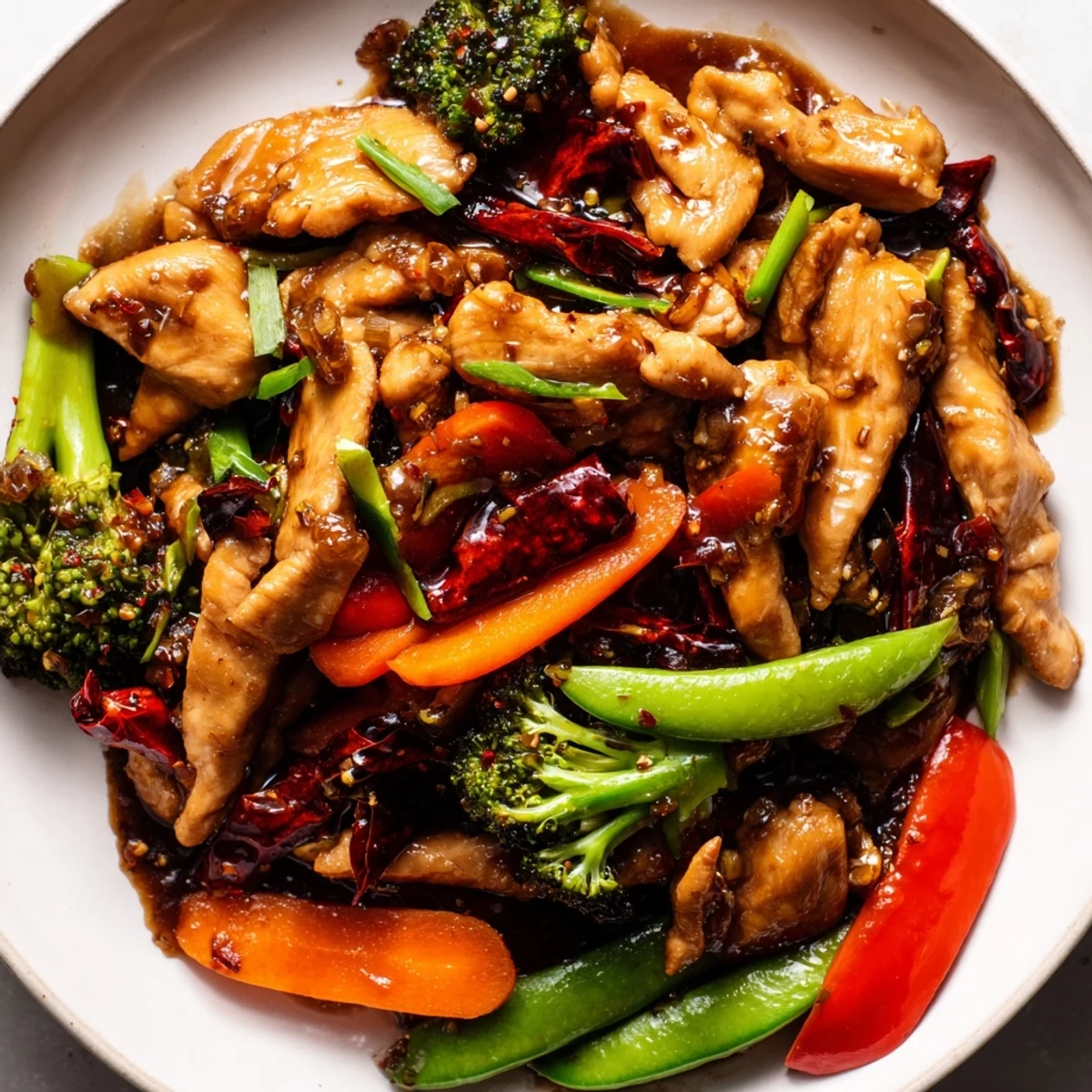
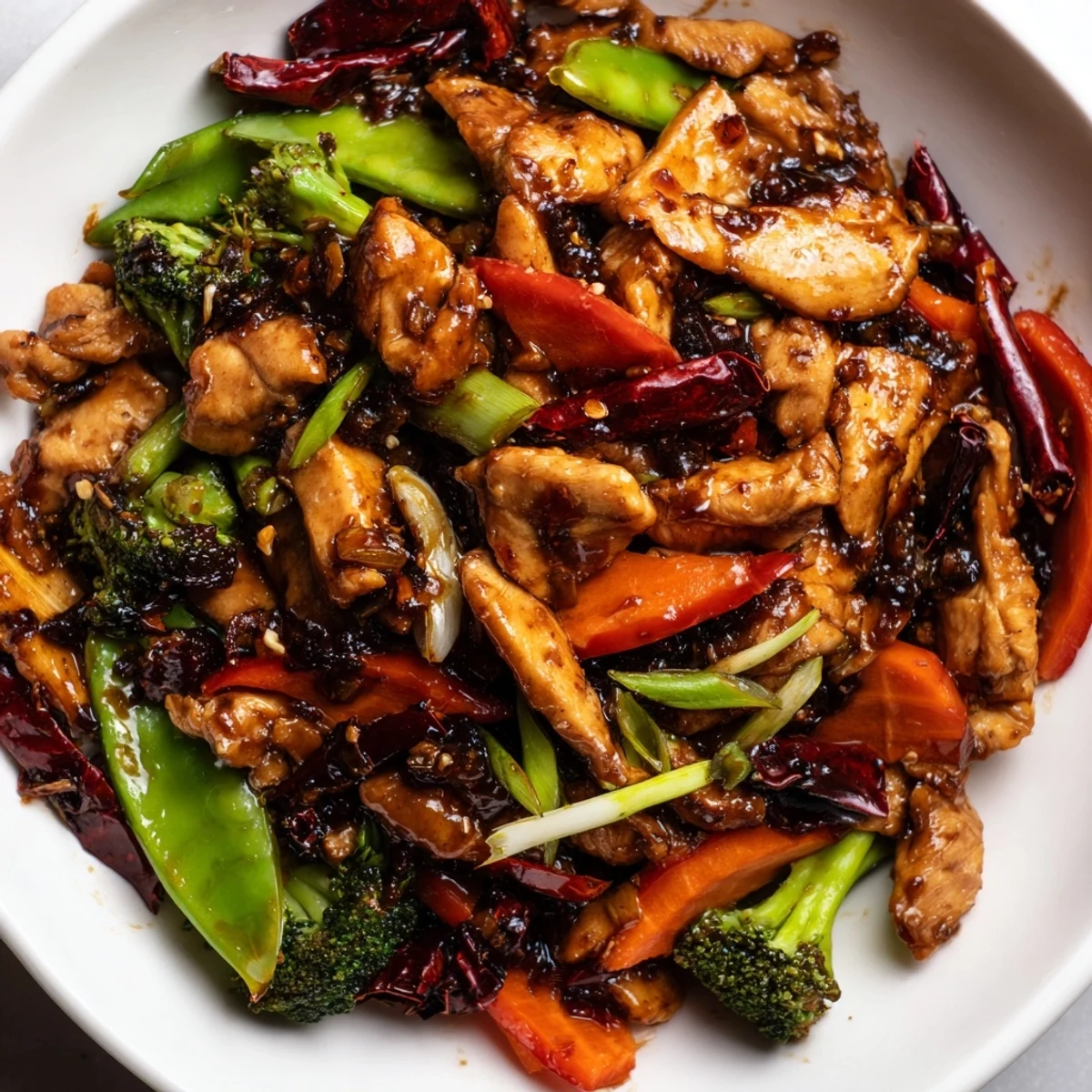
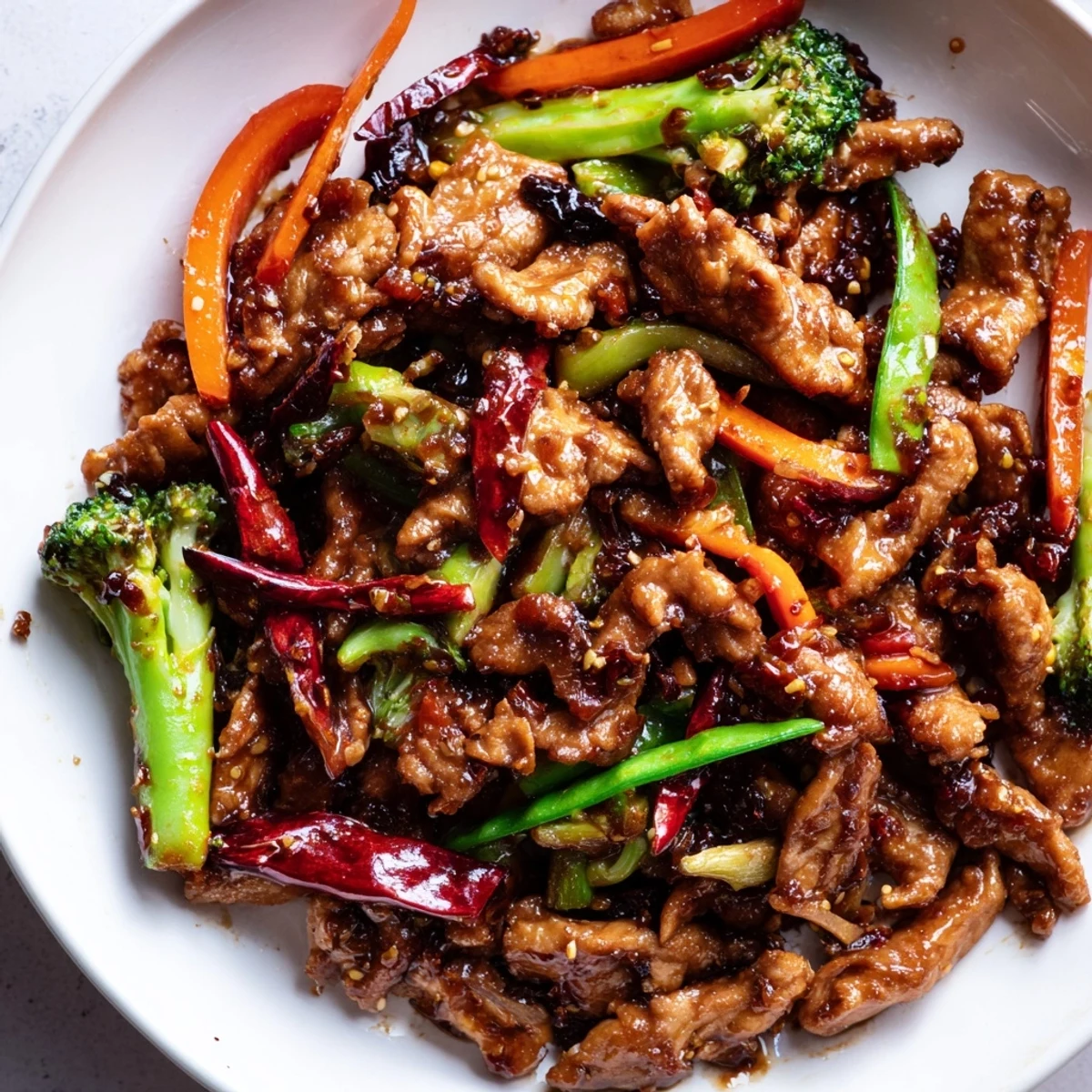
Save This Hunan chicken stir-fry brings the heat with dried red chilies and a savory-sweet sauce loaded with soy, oyster, and black bean flavors.
Tender marinated chicken pairs perfectly with bell peppers, broccoli, carrots, and snow peas for a colorful, satisfying meal.
Ready in just 35 minutes, it's an ideal weeknight dinner served over steamed jasmine rice.
The sizzle of chicken hitting a smoking wok is one of those sounds that makes everyone in the house wander toward the kitchen. My neighbor taught me this dish during a sweltering August when we both agreed takeout was getting too expensive and never spicy enough. Hunan Chicken became our Tuesday night ritual after that. Bold, unapologetic heat meets tender vegetables and a sauce that stains your lips red.
One night my friend brought over a bottle of Shaoxing wine she found at a shop across town and we toasted over the wok like it was champagne. The wine added something earthy and deep that dry sherry only hints at. I have made this dish dozens of times since, and every batch teaches me something new about heat and timing.
Ingredients
- 500 g boneless skinless chicken breast thinly sliced: Slice against the grain for the most tender bites and partially freeze the chicken for fifteen minutes to make clean cuts easier.
- 1 tbsp soy sauce plus 1 tbsp Shaoxing wine plus 1 tsp cornstarch for the marinade: This simple trio locks in moisture and gives the chicken that silky texture you get from restaurant stir fries.
- 1 red bell pepper plus 1 green bell pepper sliced: The two colors are not just for show, they add slightly different sweetness levels and make the dish look incredible on the plate.
- 1 cup broccoli florets plus 1 carrot sliced thin plus 100 g snow peas: Cut everything to similar sizes so it all finishes cooking at the same moment.
- 3 scallions sliced, 3 cloves garlic minced, 1 tbsp fresh ginger minced: These are the aromatic backbone that makes your kitchen smell like a professional kitchen.
- 2 tbsp soy sauce plus 1 tbsp oyster sauce plus 1 tbsp black bean sauce: Layering these three sauces creates a complexity that no single sauce can achieve alone.
- 2 tsp chili paste or chili garlic sauce: Start with less if you are sensitive to heat because you can always add more but you cannot take it away.
- 1 tsp sugar plus 1/2 cup chicken broth plus 1 tsp cornstarch for the sauce: The sugar balances the fierce chili heat while the cornstarch gives the sauce its gorgeous glossy coating.
- 2 tbsp vegetable oil: Use an oil with a high smoke point because this dish demands fierce heat from start to finish.
- 6 to 8 dried red chilies: These infuse the oil with a smoky warmth that spreads through every bite.
Instructions
- Marinate the chicken:
- Toss the sliced chicken with soy sauce, Shaoxing wine, and cornstarch in a bowl until every piece is evenly coated. Let it sit for ten minutes while you prep everything else, which is just enough time to build anticipation.
- Build the sauce:
- Whisk together soy sauce, oyster sauce, black bean sauce, chili paste, sugar, chicken broth, and cornstarch in a small bowl until the cornstarch disappears completely. Give it another whisk right before you need it because cornstarch loves to settle.
- Sear the chicken:
- Heat one tablespoon of oil in your wok over high heat until it shimmers and just begins to smoke. Add the chicken in a single layer and let it sit untouched for thirty seconds before stirring, then cook until golden and just cooked through, about three to four minutes total.
- Wake up the aromatics:
- Pour the remaining oil into the wok and toss in the dried chilies, garlic, and ginger all at once. Stir furiously for about thirty seconds until your nose catches that fragrant bloom and the chilies darken slightly.
- Toss the vegetables:
- Add the bell peppers, broccoli, carrot, snow peas, and most of the scallions to the wok and keep everything moving. Cook for two to three minutes until the vegetables are bright colored and crisp tender with just a little bite left.
- Bring it all together:
- Return the chicken to the wok, give your sauce one final stir, and pour it over everything. Toss vigorously until the sauce thickens into a glossy glaze that coats each piece, about two to three minutes.
- Serve immediately:
- Transfer to a warm platter and scatter the remaining scallions over the top. Pile it onto steamed jasmine rice and eat it while the wok scent is still in the air.
 Save
Save The night my neighbor moved away we made this one last time and stood in the kitchen eating straight from the wok with chopsticks because plates felt too formal. Some foods carry more than flavor. They carry the people who cooked them beside you.
Making It Your Own
The vegetables here are suggestions, not commands. Zucchini, baby corn, snap peas, mushrooms, and even thinly sliced cabbage all work beautifully. Swap based on what is wilting in your crisper drawer and you will never make the same dish twice.
Heat Without Fear
Dried chilies and chili paste are two different kinds of heat working together. The dried chilies give a slow smoky burn that builds in the back of your throat while the paste delivers an immediate punch. Understanding this lets you control the experience like a conductor rather than a spectator.
Rice and Beyond
Jasmine rice is the classic pairing but brown rice adds a nutty chew that stands up beautifully to the bold sauce. If you are avoiding grains entirely, cauliflower rice works too, though you will want to squeeze out every drop of moisture from it first.
- Start your rice before anything else so it is ready when the stir fry finishes.
- A splash of rice vinegar in your cooking water subtlely brightens the rice.
- Never let finished rice sit uncovered or it dries out and loses that wonderful softness.
 Save
Save This dish asks for courage with heat and speed at the stove, and rewards you with something that tastes like a kitchen that knows exactly what it is doing. Share it with someone who appreciates a little sweat on their forehead.
Recipe FAQ
- → What makes Hunan chicken different from Szechuan chicken?
-
Hunan cuisine emphasizes bold, straightforward heat from dried chilies and fresh ingredients, while Szechuan cooking relies on the numbing sensation of Szechuan peppercorns. Hunan flavors tend to be hotter and more direct.
- → Can I use chicken thighs instead of chicken breast?
-
Yes, boneless skinless chicken thighs work beautifully in this stir-fry. They remain juicier and more forgiving during high-heat cooking. Slice them thinly just like you would breast meat.
- → How do I adjust the spice level?
-
Control the heat by varying the amount of dried red chilies and chili paste. For milder results, remove the seeds from the dried chilies and reduce the chili paste to one teaspoon. For extra fire, add more chilies and leave the seeds intact.
- → What can I substitute for Shaoxing wine?
-
Dry sherry is the closest substitute for Shaoxing wine. You can also use mirin, though it adds slight sweetness. If you prefer to omit alcohol entirely, a splash of chicken broth with a squeeze of rice vinegar works acceptably.
- → How do I get the best stir-fry results at home?
-
Use a wok or large skillet over the highest heat possible. Cook in batches if needed to avoid overcrowding, which causes steaming instead of searing. Have all ingredients prepped and the sauce mixed before you start cooking, as stir-frying moves quickly.
- → Is there a gluten-free version of this dish?
-
Yes. Use tamari instead of regular soy sauce, choose gluten-free oyster sauce, and verify your black bean sauce is gluten-free. Replace the cornstarch with arrowroot powder if preferred. All other ingredients are naturally gluten-free.