
 Save
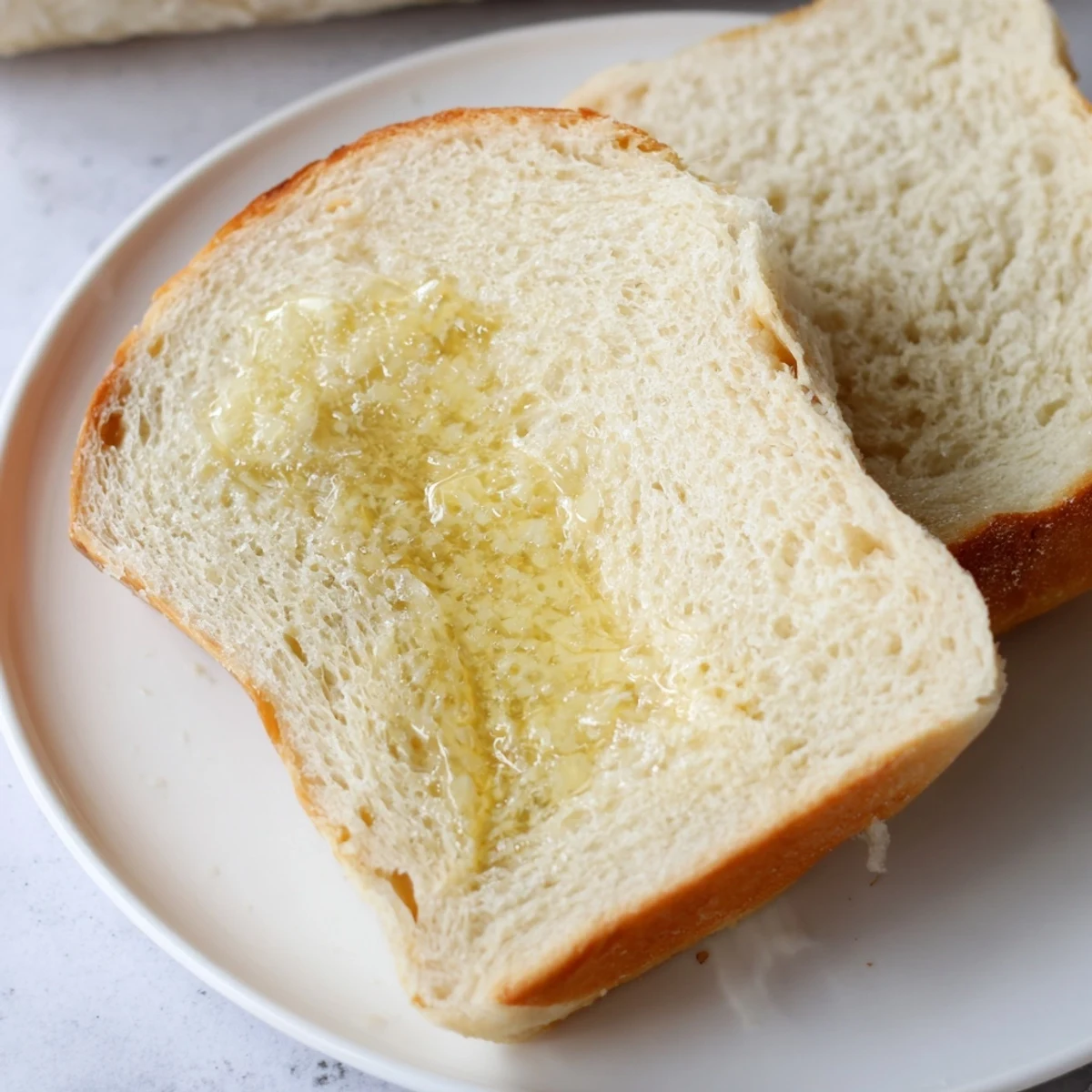
Save Create two beautiful golden loaves of classic Amish white bread with just 20 minutes of active preparation. This traditional American staple yields soft, pillowy slices with a subtle sweetness that makes it exceptional for morning toast, lunch sandwiches, or simply slathering with butter while still warm from the oven. The dough comes together easily in one bowl, requiring only basic kneading and two rise periods before baking to golden perfection.
The result is a versatile loaf that stays fresh for days and freezes beautifully for future use. Brush the tops with melted butter right after baking for an irresistibly soft crust, or customize the flavor by swapping some water for milk or adding a tablespoon of honey to the dough.
The smell of yeast blooming in warm water still transports me back to my grandmother's kitchen on Sunday mornings. She'd let me stand on a chair to watch the foam grow, explaining that this was the bread waking up. Now whenever I bake this Amish white bread, my whole house fills with that same comforting aroma that made weekends feel special and safe.
Last winter, my neighbor texted me at 9 PM asking if I had any bread because her kids wanted grilled cheese sandwiches during a snowstorm. I brought over a fresh loaf still warm from the oven, and she called me the next day saying her daughter asked for that magic bread again. Now I keep an extra loaf in the freezer just for those moments when someone needs a little homemade comfort.
Ingredients
- 2 cups warm water: The temperature should feel like a warm bath, about 110°F, which wakes up the yeast without killing it
- 2/3 cup granulated sugar: This feeds the yeast and adds just enough sweetness to make the bread taste like something special
- 1 1/2 tablespoons active dry yeast: Use fresh yeast for the best rise, and give it time to get foamy before proceeding
- 1 1/2 teaspoons salt: Essential for flavor balance and helps control the fermentation
- 1/4 cup vegetable oil: Keeps the bread tender and gives it that soft, sliceable texture
- 5 1/2 to 6 cups all-purpose flour: Start with less flour and add more as needed, trusting how the dough feels over exact measurements
- 1 tablespoon melted butter for brushing: Creates that beautiful, soft crust that makes the first slice irresistible
Instructions
- Wake up the yeast:
- Dissolve the sugar in warm water and sprinkle the yeast on top, letting it sit until foamy, about 5 to 10 minutes, which tells you its alive and ready to work
- Mix the dough:
- Stir in the salt and oil, then gradually add flour one cup at a time until the dough pulls away from the sides of the bowl and feels soft and slightly tacky
- Knead until smooth:
- Work the dough on a floured surface for 6 to 8 minutes, feeling it transform from shaggy to smooth and elastic like a stress ball that bounces back
- First rise:
- Place the dough in a greased bowl, cover it, and let it rise in a warm spot until doubled in size, about an hour
- Shape the loaves:
- Punch down the dough gently, divide it in half, and shape each piece into a loaf before placing them in greased 9x5-inch pans
- Second rise:
- Cover the pans and let the dough rise until it crowns about an inch above the rim, 30 to 45 minutes
- Bake to golden:
- Bake at 350°F for 25 to 30 minutes until the tops are golden brown and the loaves sound hollow when tapped
- Finish with butter:
- Brush the warm loaves with melted butter for a softer crust, then cool them on a wire rack before slicing
 Save
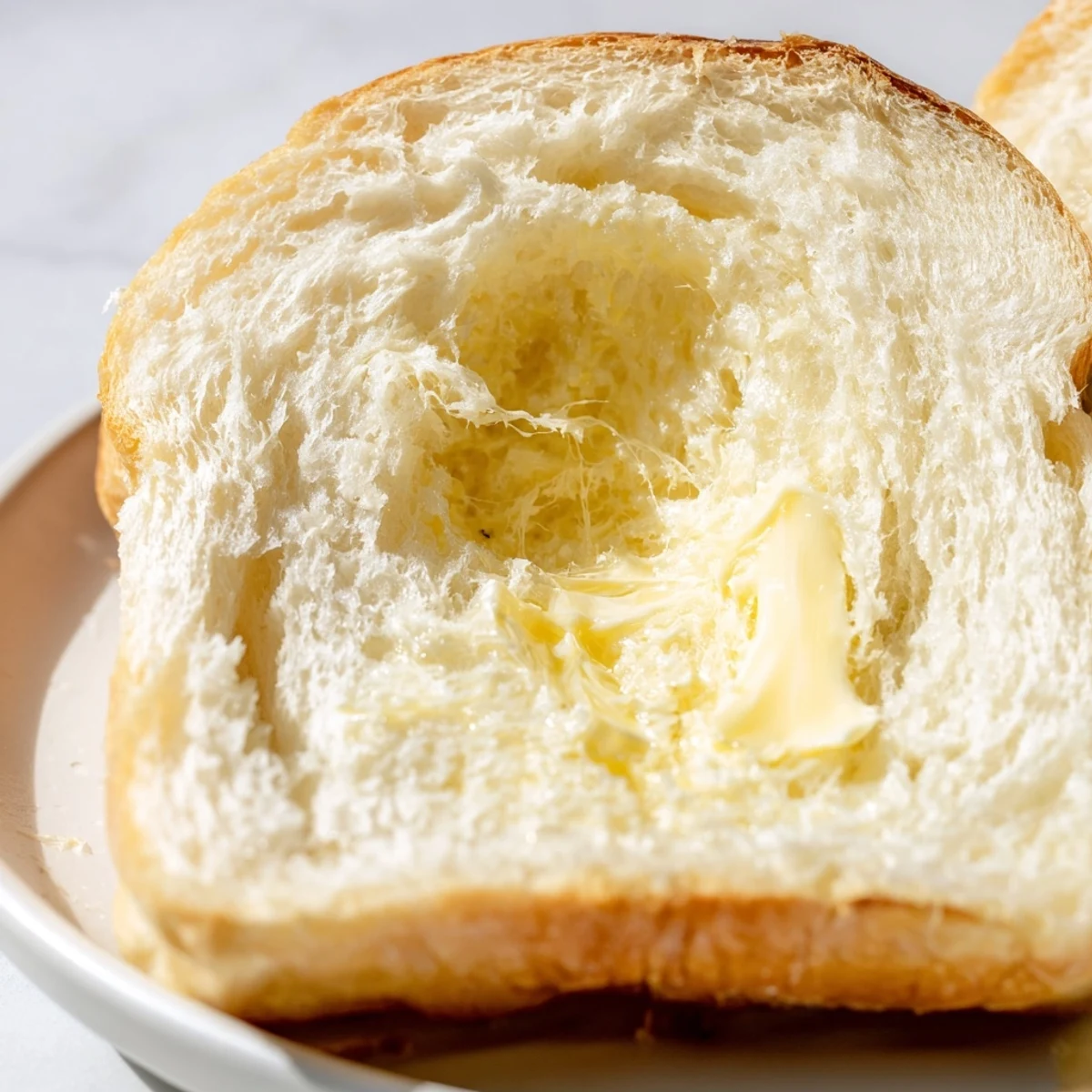
Save My friend Sarah claimed she couldnt bake bread to save her life until she made this recipe. She sent me a photo of her first loaf with the caption I actually did it, and now she bakes two loaves every Sunday. Theres something so empowering about making your own bread, and this recipe gives everyone that confidence boost.
Making It Your Own
Once youve mastered the basic loaf, try swapping half the water for warm milk to create an even richer, more tender crumb. A tablespoon of honey added with the sugar brings a subtle floral sweetness that pairs beautifully with strawberry jam. These small tweaks make the same recipe feel new again.
The Perfect Rise
Ive learned that drafty kitchens are the enemy of bread dough, so I turn my oven on for exactly one minute, then turn it off and place my covered dough inside. The slight warmth creates the perfect proofing environment. Just remember to remove the dough before preheating for baking, or youll have a very sad surprise.
Storage And Beyond
Leftover bread makes incredible French toast the next morning, or cube it and toast it for croutons that elevate any salad. This recipe freezes beautifully wrapped tightly in plastic and foil. Just thaw at room temperature and warm in the oven for that fresh baked taste.
- Slice before freezing so you can grab exactly what you need
- Revive slightly stale bread by sprinkling with water and warming at 350°F for 10 minutes
- Keep a loaf on your counter for up to four days in a sealed bag
 Save
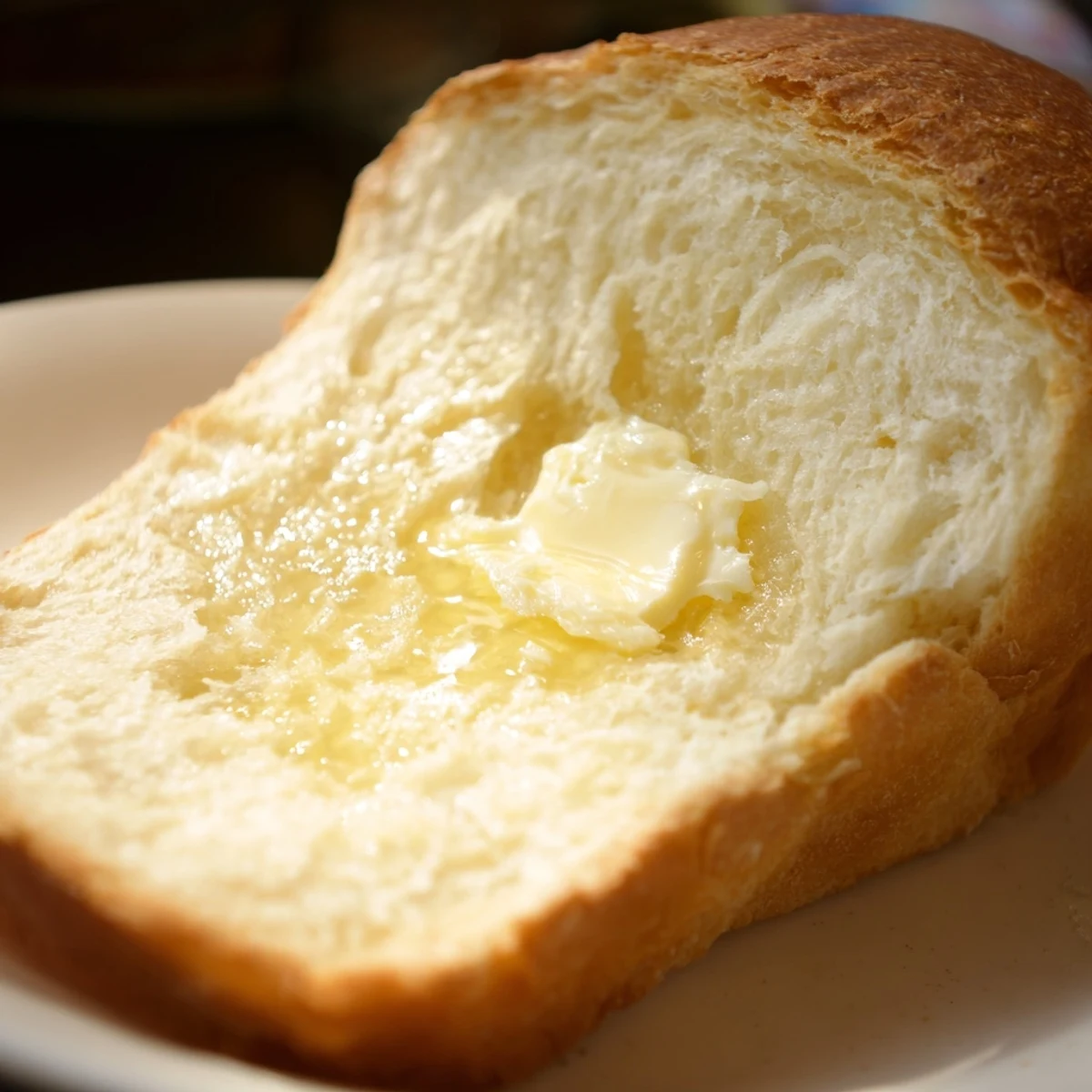
Save Theres nothing quite like slicing into homemade bread while its still warm and spreading on salted butter. This recipe turns an ordinary day into something worth celebrating.
Recipe FAQ
- → Why is Amish white bread so soft and fluffy?
-
The combination of warm water activating the yeast thoroughly, along with the sugar feeding the yeast and oil tenderizing the gluten strands, creates an exceptionally light and airy texture. Proper kneading develops just enough gluten structure while the two rise periods allow the dough to expand fully.
- → Can I make this bread without a stand mixer?
-
Absolutely. This dough was traditionally made by hand using a large bowl and wooden spoon. Mix the ingredients until combined, then turn onto a floured surface and knead by hand for 6–8 minutes until smooth and elastic.
- → How do I know when the bread is fully baked?
-
The loaves should be golden brown on top and sound hollow when tapped on the bottom. You can also insert an instant-read thermometer into the center—it should register between 190–200°F (88–93°C) when done.
- → Why did my dough not rise properly?
-
This typically happens if the water was too hot and killed the yeast, or too cold and didn't activate it. Always aim for 110°F (43°C)—warm to the touch but not scalding. Also ensure your yeast is fresh and not past its expiration date.
- → Can I substitute whole wheat flour for all-purpose?
-
You can replace up to half of the all-purpose flour with whole wheat flour, though the loaf will be denser and slightly less fluffy. For best results, use white whole wheat flour or vital wheat gluten to maintain texture.
- → How should I store the baked loaves?
-
Once completely cooled, wrap loaves tightly in plastic or store in an airtight bag at room temperature for up to 4 days. For longer storage, slice and freeze in freezer bags—thaw individual slices as needed or reheat whole loaves in a 350°F oven.