
 Save
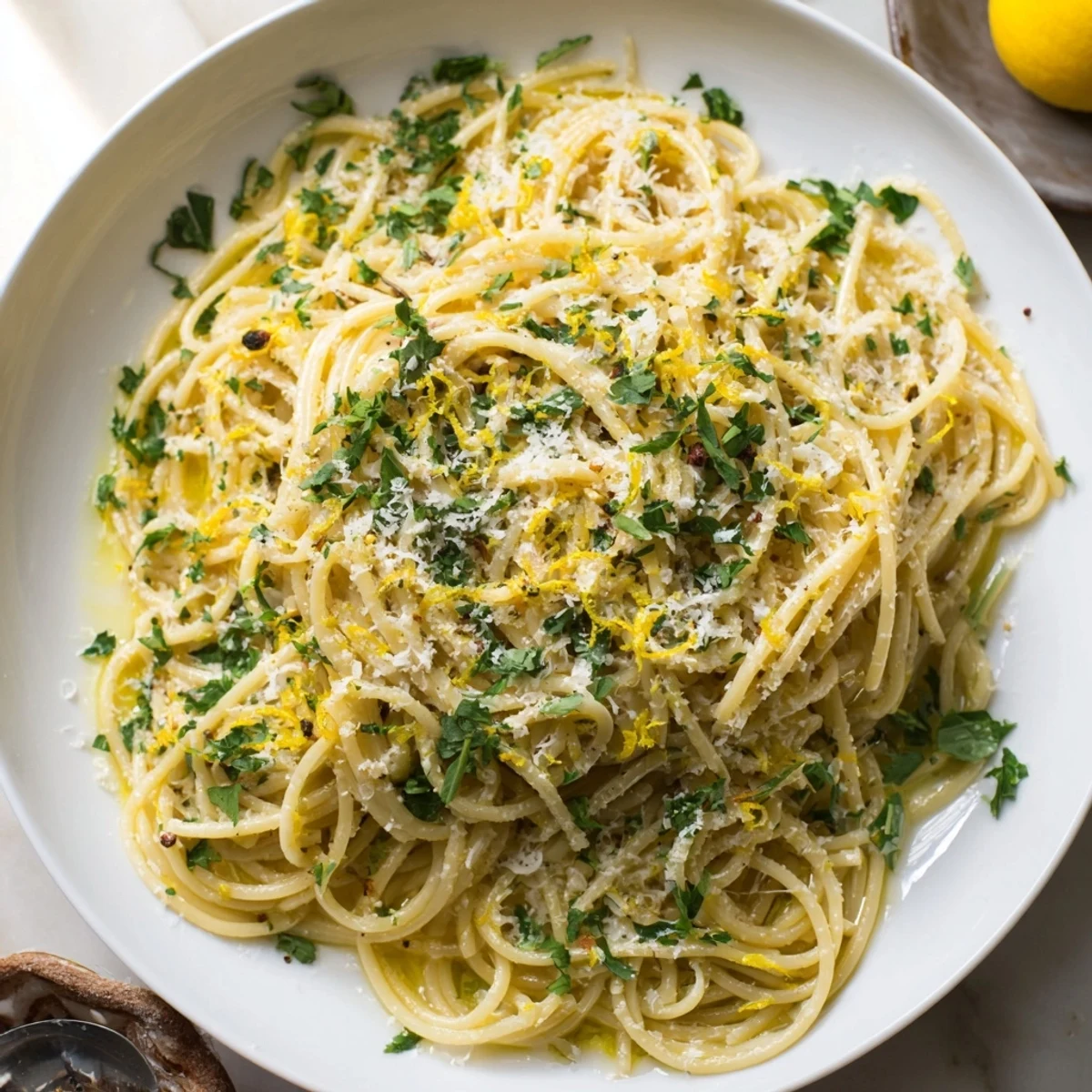
Save This dish features tender pasta gently coated with a rich garlic-infused olive oil sauce. Garlic is thinly sliced and sautéed to release its aroma without browning, then combined with pasta and a bit of reserved cooking water to create a silky coating. The dish is brightened with fresh parsley, grated Parmesan, and optional lemon zest. Quick to prepare, it offers a simple yet flavorful Italian main dish ideal for a comforting meal.
There's a particular kind of magic in the simplest dishes. I discovered this pasta on a weeknight when my kitchen had almost nothing left—just a box of spaghetti, a head of garlic, and good olive oil. What emerged was something so clean and honest that I've returned to it dozens of times since. It taught me that sometimes the most memorable meals aren't about complexity or fancy techniques, but about letting a few perfect ingredients speak for themselves.
I made this for my roommate after she'd had a rough day, and watching her face when she tasted it—that exhale, that small smile—reminded me why cooking for someone matters. She came back for seconds before I'd even sat down to eat. That's when I realized this wasn't just an emergency dinner; it was something to return to intentionally.
Ingredients
- Spaghetti or linguine, 400 g (14 oz): These thinner pastas let the silky garlic oil coat every strand without overwhelming them. I've tried thicker cuts, but they need too much sauce to feel balanced.
- Extra-virgin olive oil, 60 ml (1/4 cup): This is the soul of the dish, so use something you actually enjoy tasting on its own. Cheap oil here feels like a betrayal.
- Garlic cloves, 6 large, thinly sliced: Slicing them thin means they cook evenly and almost dissolve into the oil rather than sitting as tough little chunks. A mandoline helps, but a sharp knife works just fine.
- Crushed red pepper flakes, 1/2 tsp (optional): This isn't heat for the sake of it—just a whisper of warmth that wakes up the other flavors. I add it every time now.
- Salt and freshly ground black pepper, to taste: Freshly ground black pepper makes an audible difference here; pre-ground feels flat by comparison.
- Parmesan cheese, 30 g (1/4 cup), freshly grated: Grating it yourself means it melts into the warm pasta instead of sitting as those dusty, insoluble flakes from a shaker.
- Fresh flat-leaf parsley, 2 tbsp, finely chopped: The brightness comes at the end; it's like opening a window in the kitchen.
- Lemon zest, from 1 lemon (optional): A tiny amount lifts everything without making it taste like a lemon pasta—it's just a reminder that citrus lives nearby.
Instructions
- Start your water and pasta:
- Salt the water generously—it should taste almost like the sea. Once the pasta's cooking, before you do anything else, measure out that half cup of cooking water into a mug or bowl. That starchy liquid is what transforms oil into sauce.
- Gently coax the garlic:
- Medium-low heat is non-negotiable here. Watch as the slices turn from white to pale gold; they'll smell incredible when you're close. Stop the moment they reach that golden point—burned garlic tastes bitter and ruins everything, so don't look away.
- Add heat if you want it:
- Sprinkle the red pepper flakes into the warm oil and let them toast for half a minute. The whole kitchen shifts—suddenly it smells spicy and alive.
- Bring everything together:
- Drain the pasta and add it straight into the skillet with the garlic oil. Pour in a splash of that reserved water and start tossing; watch as the sauce transforms from pooling oil into something silky that coats each strand. This is the moment where it all becomes one dish instead of components sitting together.
- Season and taste:
- Now is the time to taste and adjust. The salt should feel intentional, the pepper visible if you look closely. Remove from heat before you think you're done—carryover heat will continue cooking it.
- Finish and serve:
- Stir in half the parsley and half the Parmesan while it's still warm; the residual heat releases their fragrance. Divide among plates and scatter the remaining parsley and cheese on top, along with lemon zest if using. Serve immediately while it's still hot and the pasta is at its most tender.
 Save
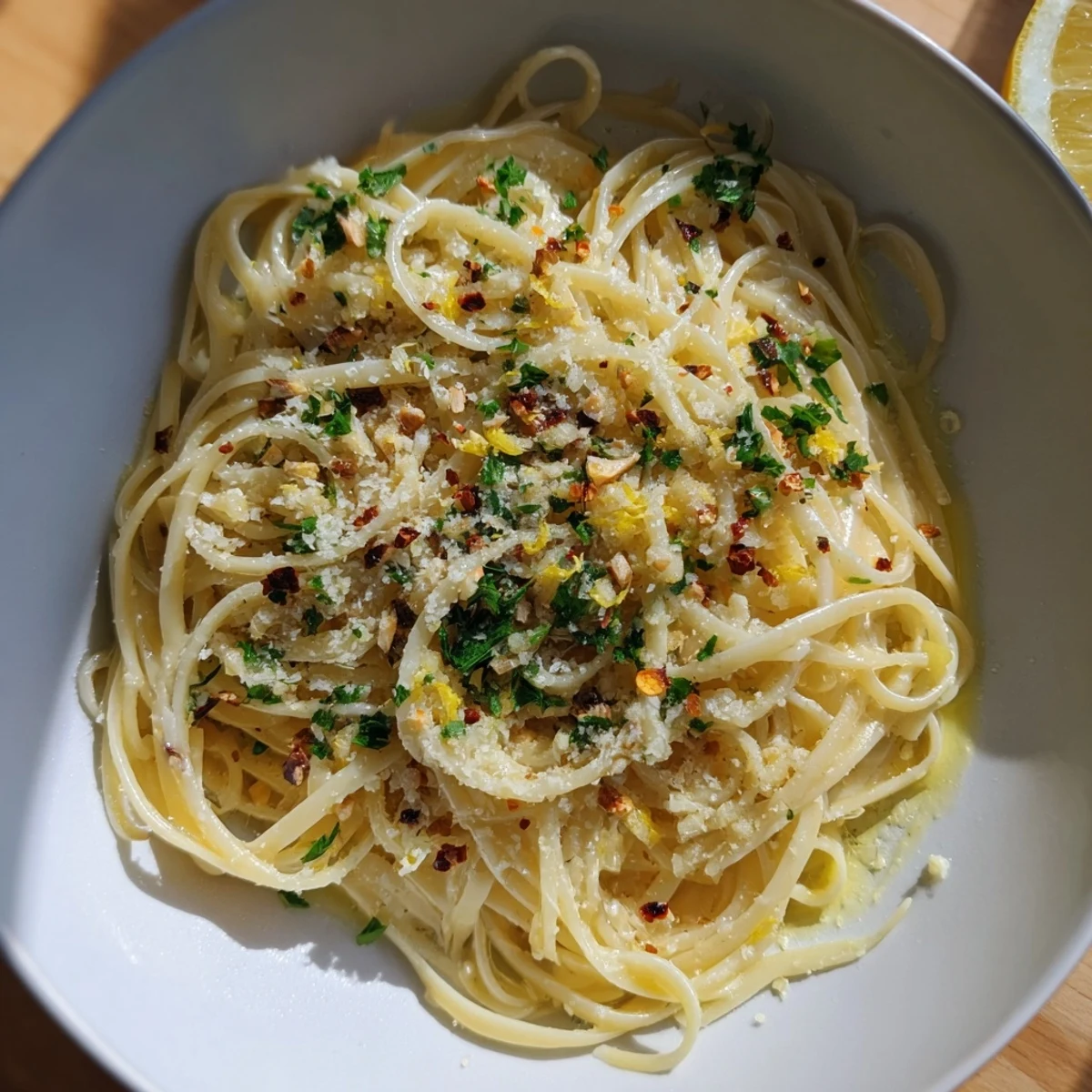
Save There's a moment after you've taken the first bite, when your fork twirls around the next bundle of spaghetti, that you realize this simple combination has made you slower, more present. That's when it stops being just pasta and becomes something worth making again and again.
Why This Dish Works
Italian cooking teaches restraint, and this pasta embodies that lesson perfectly. The garlic oil base—what Italians call aglio e olio—was born from resourcefulness, probably in some kitchen where expensive ingredients were scarce but olive oil and garlic were staples. It turns out that limitation breeds brilliance. Each ingredient has a job: the oil carries the garlic's sweetness, the pasta water creates texture, the Parmesan adds umami depth. Nothing is wasted or unnecessary.
Flavor Building and the Power of Patience
The first time I rushed the garlic—turning the heat up to save time—I ended up with bitter, sharp-tasting oil that could only be salvaged by adding cream and starting over. That's when I understood that gentle cooking isn't laziness; it's technique. Letting the garlic slowly release its oils into the oil itself creates something sweeter, almost nutty. The slower you go, the better it becomes.
Variations That Still Feel Like Themselves
I've learned that this dish is flexible enough to absorb additions without losing its soul. A handful of sautéed mushrooms adds earthiness without dominating. A squeeze of anchovy paste—sounds strange, I know—adds umami depth that no one can quite identify. Fresh spinach, wilted into the pasta at the last second, keeps it light and green. Even a poached egg on top transforms it into something almost brunch-like. The genius of this recipe is that it welcomes help without demanding it.
- A tablespoon of unsalted butter stirred in off the heat makes it richer without changing the essential character.
- Grated lemon zest adds brightness that makes everything taste fresher and more alive.
- A crisp white wine alongside—Pinot Grigio, Vermentino, or Albariño—completes the experience in a way water simply cannot.
 Save
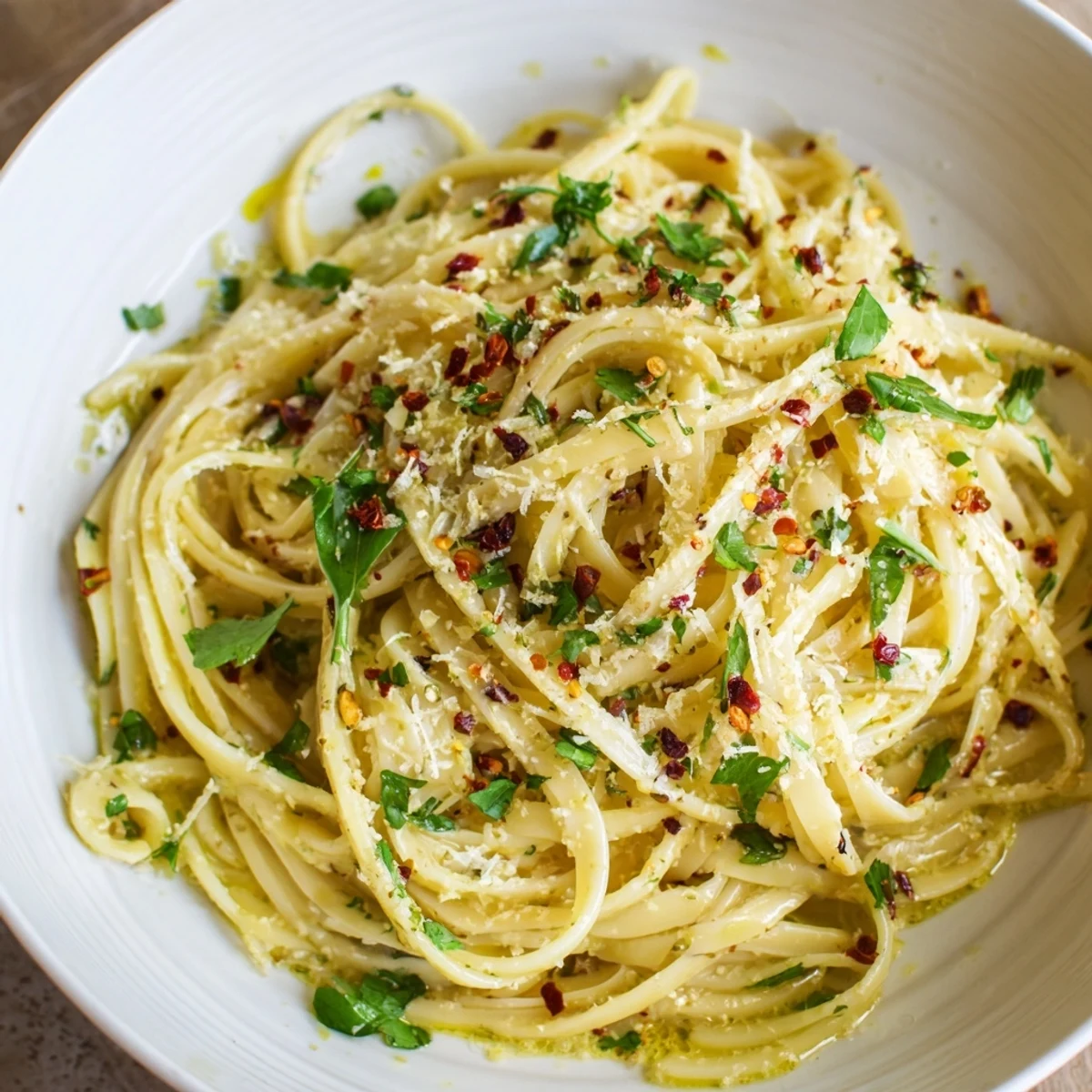
Save This pasta reminds me that cooking doesn't always need to be complicated to be satisfying. Sometimes the best meals are the ones where you can count your ingredients on one hand and taste each one clearly. That's a gift worth returning to.
Recipe FAQ
- → How do I prevent garlic from burning?
-
Cook garlic over medium-low heat and stir frequently to soften and release flavor without browning.
- → What type of pasta works best here?
-
Long noodles like spaghetti or linguine hold the sauce well and complement the dish's texture.
- → Can I adjust the spiciness of the dish?
-
Yes, add or omit crushed red pepper flakes according to your preferred spice level.
- → What is the purpose of reserving pasta water?
-
Pasta water helps loosen the sauce and allows it to cling smoothly to the noodles.
- → Which cheese provides the best finishing touch?
-
Freshly grated Parmesan adds a salty, nutty flavor that complements the garlic and olive oil.
- → Are there good add-ons to vary this dish?
-
Sautéed mushrooms, spinach, or grilled chicken enhance texture and flavor for variety.