
 Save
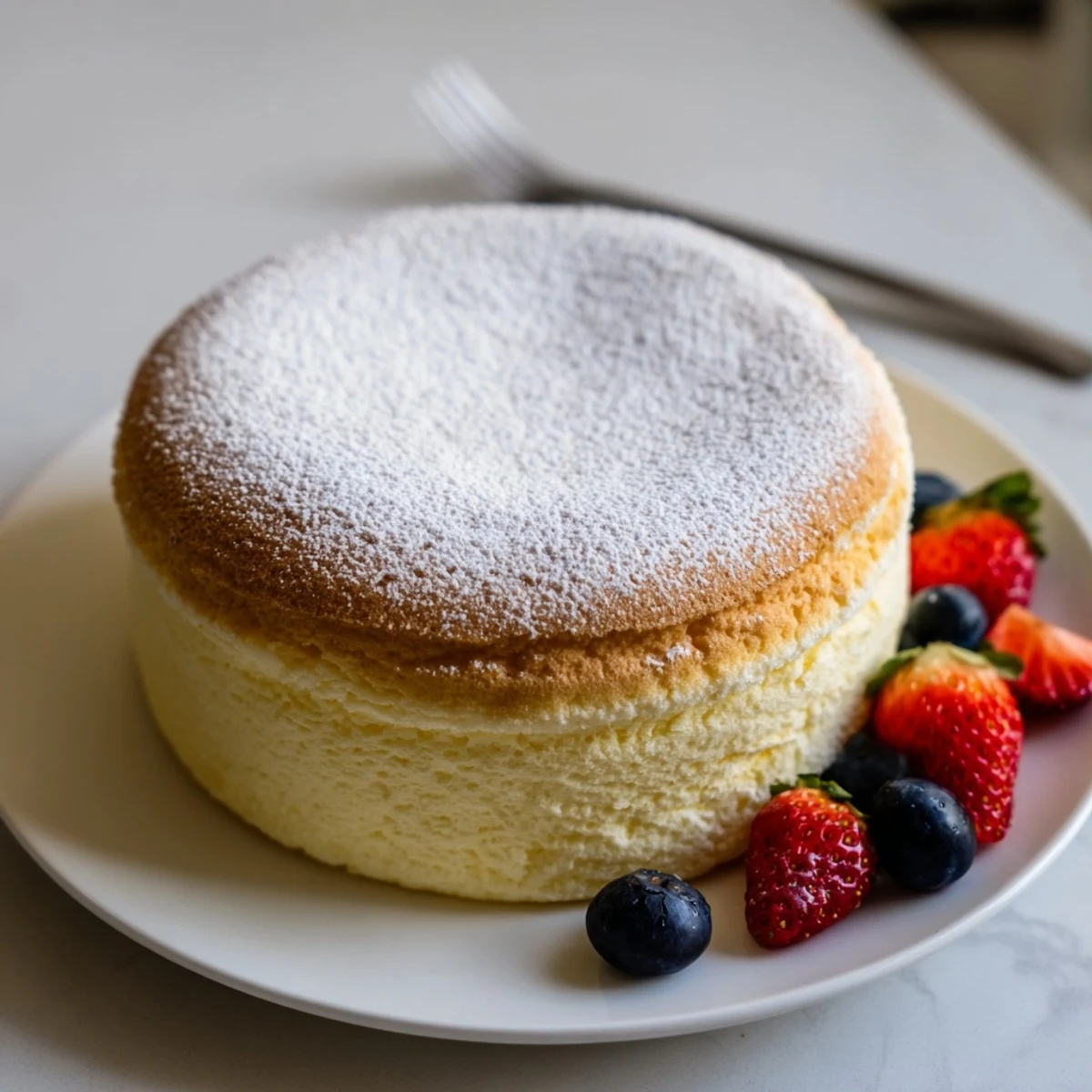
Save Create a cloudlike dessert with this Japanese-style cheesecake featuring a delicate soufflé texture. The secret lies in properly whipped egg whites folded into a creamy base, then baked in a water bath for gentle, even cooking. This lighter alternative to traditional cheesecake offers a subtle sweetness complemented by fresh lemon notes. Serve chilled with a dusting of powdered sugar and fresh berries for an elegant presentation that impresses at any gathering.
The first time I tasted Japanese cheesecake, I couldn't believe it was real. It was like eating a cloud that somehow decided to be dessert. I've been chasing that ethereal texture ever since, and after many attempts, I've finally learned what makes this cake so magically light.
I made this for my sister's birthday last spring, and she literally stopped mid conversation after her first bite. The whole table went quiet. That's the kind of reaction this cake deserves.
Ingredients
- Cream cheese: Use full fat and let it come to room temperature completely, or you'll end up with lumps in your batter
- Unsalted butter: Room temperature butter blends seamlessly into the warm cream cheese mixture
- Whole milk: The milk fat contributes to the rich, creamy mouthfeel
- Cake flour: Absolutely essential for that delicate crumb, all-purpose flour will make it tough
- Cornstarch: Works with the cake flour to create the signature tender structure
- Granulated sugar: Divided use helps stabilize the egg whites while sweetening the batter
- Eggs: Room temperature eggs separate more easily and whip up better
- Lemon juice: Cuts through the richness and brightens the flavor
- Vanilla extract: Pure vanilla adds depth without overwhelming the delicate taste
- Lemon zest: Optional but adds a lovely aromatic note
Instructions
- Prep your oven and pan:
- Preheat to 320°F and line an 8-inch round pan with parchment, wrapping the outside in foil to create a waterproof seal
- Make the base mixture:
- Melt cream cheese, butter, and milk over simmering water until silky smooth, then let it cool slightly
- Add the dry ingredients:
- Sift in the flour, cornstarch, and salt, whisking until no dry spots remain
- Incorporate yolks and flavor:
- Whisk in egg yolks, lemon juice, vanilla, and zest until the batter is glossy and uniform
- Whip the whites:
- Beat egg whites until foamy, gradually adding 70g sugar until you have stiff, glossy peaks that hold their shape
- Fold with care:
- Gently fold one third of the meringue into the batter to lighten it, then fold in the rest in two additions
- Prep for baking:
- Pour batter into your prepared pan and tap firmly on the counter to release trapped air bubbles
- Create the water bath:
- Place the cake pan in a larger roasting pan and add hot water until it reaches halfway up the sides
- Bake slowly:
- Bake for 60 to 70 minutes until golden and set, testing with a skewer for doneness
- Cool gradually:
- Turn off the oven and crack the door, leaving the cake inside for 15 minutes to prevent sudden collapse
- Chill completely:
- Let cool fully in the pan before unmolding, then refrigerate for at least 2 hours to set the texture
 Save
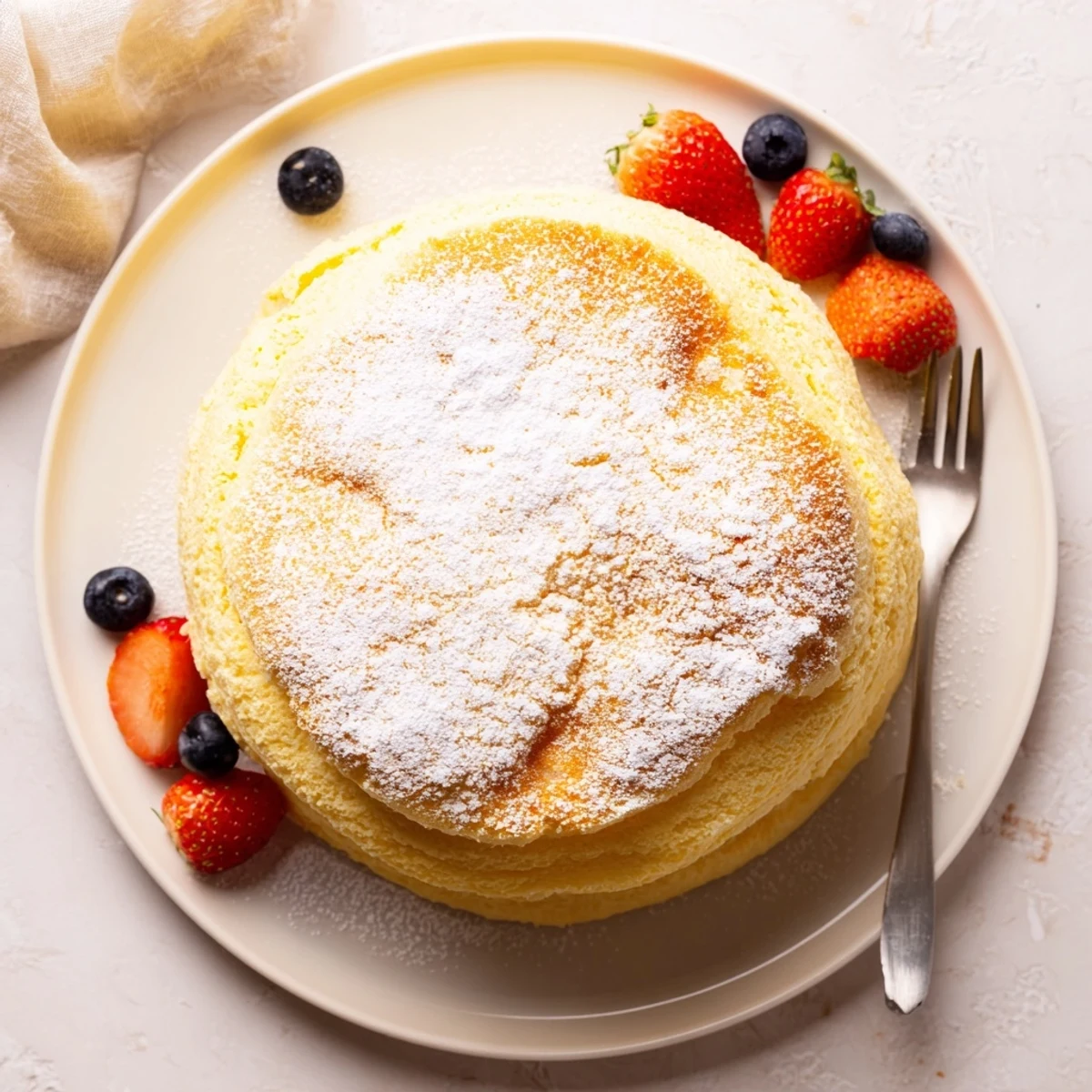
Save This cake has become my go-to when I want to impress someone without spending hours decorating. The way it wobbles slightly when you cut into it never fails to delight.
Understanding The Water Bath
The water bath creates a humid baking environment that allows the cake to rise slowly and evenly. Without it, the exterior sets too fast while the interior is still rising, which leads to those characteristic cracks.
Temperature Matters
All ingredients should be at room temperature before you start. Cold cream cheese or eggs will seize up when mixed, creating tiny lumps that you'll never fully work out.
Serving And Storage
This cake tastes best when chilled, letting the texture fully set. It will keep in the refrigerator for up to three days, though the delicate texture may soften slightly over time.
- Dust with powdered sugar just before serving for a snowlike finish
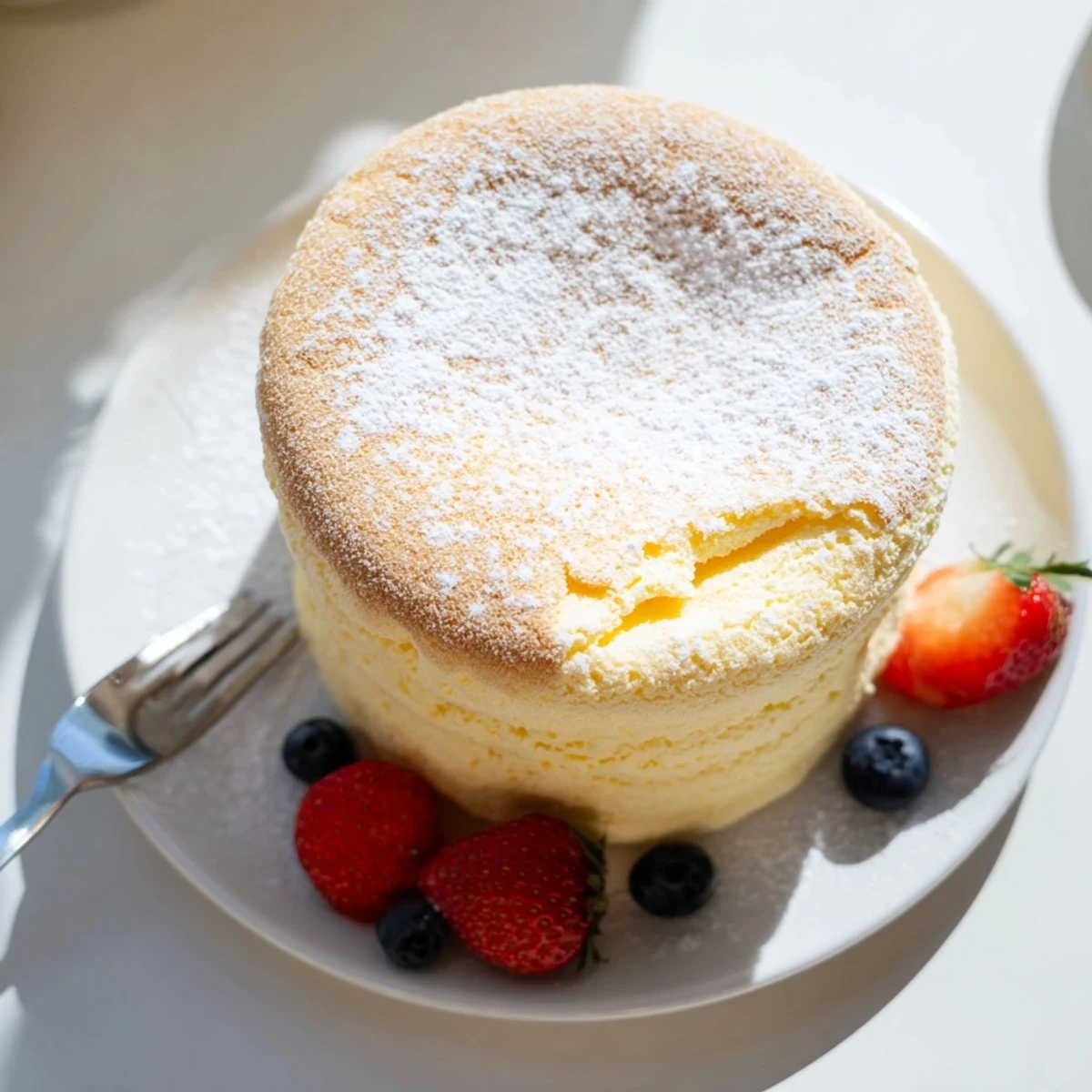
- Fresh berries or a drizzle of fruit compote complement the light flavor
- Serve it cold, never warm, or you'll lose that signature cloudlike texture
 Save
Save Every time I make this cheesecake, I'm still amazed that something so simple can taste so extraordinary. It's proof that sometimes the most delicate things require the most patience.
Recipe FAQ
- → What makes Japanese cheesecake fluffy?
-
The fluffiness comes from beaten egg whites whipped to stiff peaks and gently folded into the batter. This creates a soufflé-like texture that's lighter than traditional cheesecake.
- → Why is a water bath necessary?
-
A water bath provides gentle, moist heat that prevents the cheesecake from cracking and ensures even baking. It maintains the delicate texture throughout the cooking process.
- → Can I substitute cake flour?
-
Cake flour is essential for achieving the light, airy texture. All-purpose flour will result in a denser consistency. If unavailable, you can make cake flour by mixing all-purpose flour with cornstarch.
- → How do I prevent the cheesecake from deflating?
-
Fold the meringue gently to maintain air pockets, avoid opening the oven door during baking, and let the cheesecake cool gradually in the oven with the door ajar. This prevents sudden temperature changes that cause collapse.
- → Why must the cheesecake chill before serving?
-
Chilling for at least 2 hours allows the flavors to develop and the texture to set properly. The cheesecake becomes firmer and easier to slice when cold, revealing its signature cloudlike consistency.
- → How long does this cheesecake stay fresh?
-
When stored in an airtight container in the refrigerator, the cheesecake stays fresh for 3-4 days. The texture remains best within the first two days after baking.