
 Save
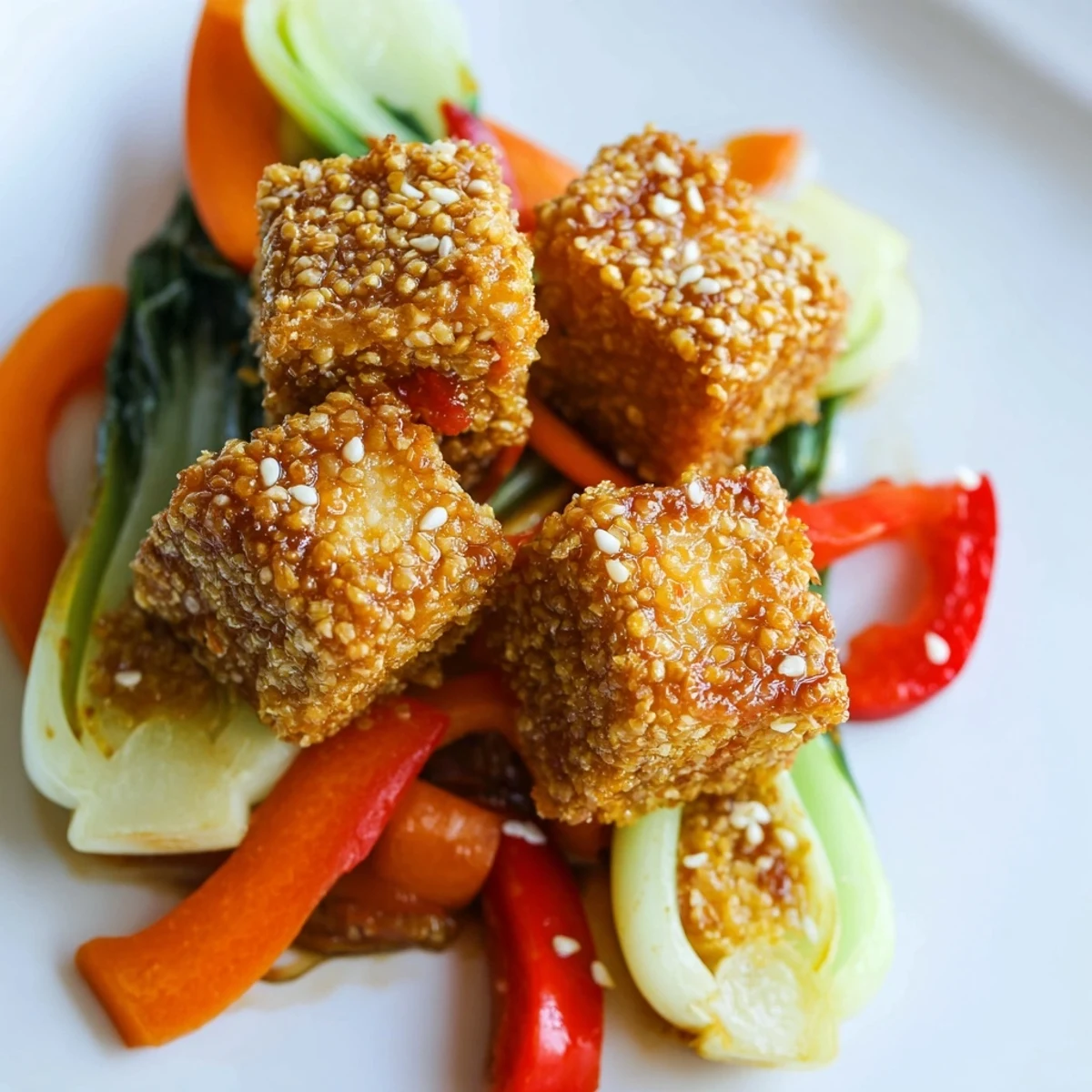
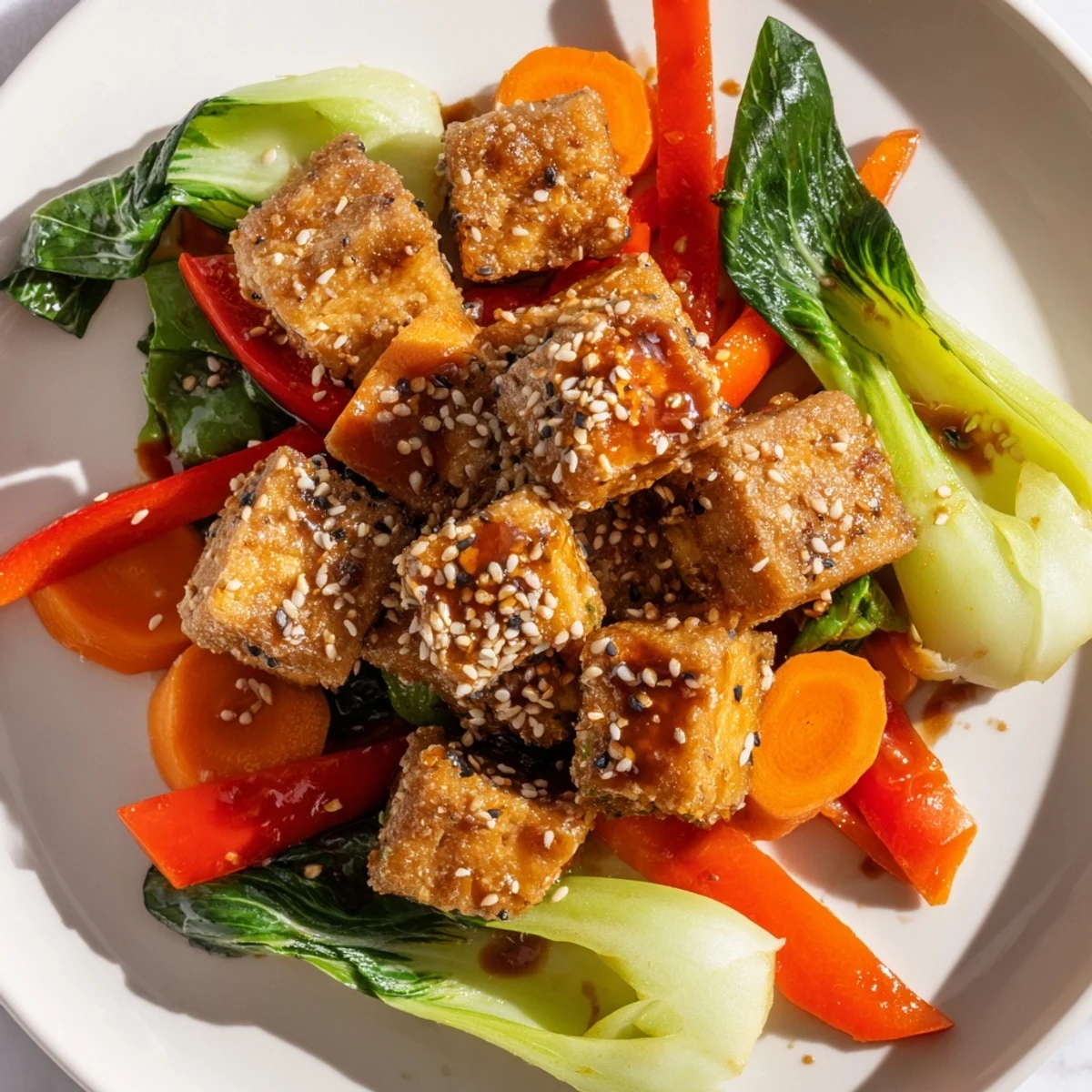
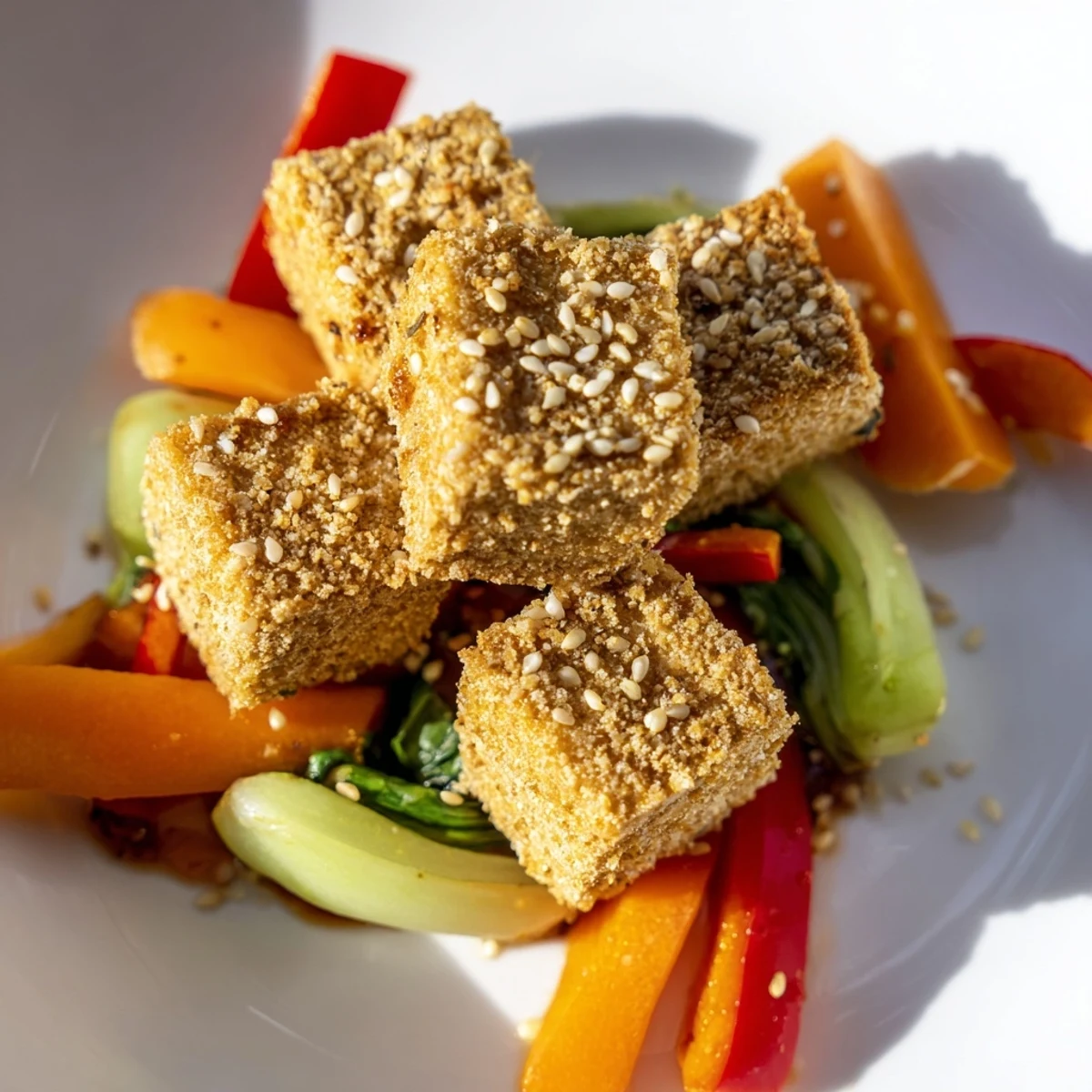
Save This vibrant dish features extra-firm tofu coated with cornstarch and pan-fried to a golden crispiness. Fresh baby bok choy, bell pepper, carrot, and spring onions add crisp textures and color. Tossed in a savory blend of soy sauce, maple syrup, garlic, ginger, and toasted sesame oil, the sauce balances sweet and umami notes. This quick Asian-inspired stir fry comes together in 40 minutes, offering a satisfying and wholesome plant-based meal perfect for serving over jasmine rice or noodles.
I discovered this stir fry during a rushed weeknight when I had half-cooked good intentions and a block of tofu that needed saving. The moment those cubes hit the hot oil and started turning golden, the kitchen filled with this nutty, caramelized smell that made me pause mid-chop. That's when I realized crispy tofu wasn't just a texture—it was the whole point, the moment when plant-based cooking stopped feeling like compromise and became genuinely craveable.
I made this for a friend who'd gone vegan, and I was nervous she'd be polite about it while silently missing something. But watching her take that first forkful of crispy tofu and bok choy, her face just lit up. She asked for the recipe before even finishing her plate, and that small victory made me realize this wasn't a compromise dish—it was genuinely delicious in its own right.
Ingredients
- Extra-firm tofu (400 g, pressed and cubed): Pressing the tofu removes water so it crisps instead of steaming; don't skip this step or you'll end up with soft cubes no matter how hot your pan gets.
- Cornstarch (2 tbsp): This is the secret to that shatteringly crisp exterior—it creates a thin, golden crust that stays crunchy even when coated in sauce.
- Sea salt (½ tsp) and neutral oil (2 tbsp): Salt seasons the tofu before cooking; use oil with a high smoke point so it can handle the heat without burning.
- Baby bok choy (300 g, halved): The tender greens wilt while the stems stay crisp, giving you two textures in one bite—buy it fresh and cook it the same day for the best results.
- Red bell pepper and carrot: These add natural sweetness and color; the thin slicing ensures they cook quickly and stay slightly crunchy.
- Spring onions: Use the white and pale green parts for the aromatic base, and save the dark green tops to scatter over everything at the end for a fresh, sharp finish.
- Soy sauce or tamari (3 tbsp): This is your umami backbone; tamari works if you need gluten-free, and the flavor is nearly identical.
- Maple syrup or agave (1 tbsp): Just enough sweetness to balance the salty and savory without making the dish taste dessert-like.
- Toasted sesame oil (2 tsp), ginger, and garlic: These three carry the entire flavor profile—don't use regular sesame oil, which tastes raw and harsh; toasted is where the magic lives.
- Rice vinegar (1 tsp) and chili flakes (optional): The vinegar adds brightness and cuts through richness; chili flakes are there if you want a quiet heat that builds slowly.
Instructions
- Press and coat the tofu:
- Wrap your pressed tofu in clean kitchen towel and let it sit for 10 minutes while you gather everything else—this final press makes a real difference. Toss the cubes with cornstarch and salt in a bowl until every surface is lightly dusted, which is what creates that crispy exterior.
- Crisp the tofu until golden:
- Heat oil in your skillet over medium-high until it shimmers and moves freely across the pan. Add tofu and let it sit undisturbed for a few minutes before turning—patience here gives you color instead of pale, soft cubes, and you'll hear a gentle sizzle that tells you it's working.
- Build the aromatic base:
- Once the tofu is golden and set aside, add a splash more oil if the pan looks dry. The garlic and ginger should hit the oil and immediately fill the kitchen with that warm, spicy-sweet smell that makes everything feel intentional.
- Cook the quick vegetables:
- Bell pepper and carrot go in next and should stay in the pan just long enough to soften slightly without losing their snap. You want to taste the sweetness of the pepper, not mushy softness.
- Wilt the bok choy gently:
- Bok choy cooks faster than you'd expect, so watch it closely—the greens should turn a deeper shade of green and soften, but the white stems should still have a tiny bit of resistance when you bite down.
- Mix and unite the sauce:
- Whisk soy sauce, water, maple syrup, sesame oil, rice vinegar, and chili flakes in a small bowl until the sweetness dissolves and everything looks glossy and balanced. Taste it on a spoon before it goes into the pan—this is your chance to adjust sweetness or heat if you want to.
- Return the tofu and coat everything:
- Add the tofu back to the pan, pour the sauce over everything, and toss gently so each piece gets coated without breaking apart. The heat will slightly thicken the sauce and meld all the flavors together in about a minute.
 Save
Save I remember plating this dish at sunset on a summer evening, the golden tofu catching the light, and realizing that the best meals don't need meat or dairy to feel abundant—they just need attention and the right combination of textures and flavors. That simple realization changed how I cook, and this recipe became the one I reach for whenever I want to prove that plant-based cooking can be genuinely exciting.
Why Pressing Tofu Matters
I've learned this the hard way: tofu is mostly water, and that water is your enemy when you want crispness. A good press removes about 70% of the moisture, leaving you with a tofu that absorbs the oil and seasonings instead of cooking in its own steam. Wrap it in a clean towel or use a tofu press and give it at least 15 minutes—this single step separates crispy, golden success from pale, soft disappointment.
Building Layers of Flavor
The sauce comes together in stages, not all at once—garlic and ginger first, then vegetables, then the liquid that ties everything together. This slow building of flavor is what makes the dish taste thoughtful instead of rushed. Each element gets time to release its aroma and meld with the oil before the next ingredient arrives, and that's the difference between a stir fry that tastes like components and one that tastes like a single, cohesive dish.
Customizing Without Losing Your Way
The beauty of this recipe is that it's more of a method than a strict formula—once you understand how the tofu gets crispy and how the sauce comes together, you can swap vegetables freely. Broccoli, snap peas, mushrooms, and asparagus all work beautifully and cook in roughly the same time as bok choy. Keep the tofu, keep the sauce, keep the method, and the dish stays true to itself while tasting new.
- Add a spoonful of peanut butter to the sauce if you want nuttiness and richness that makes it taste like a restaurant dish.
- Marinate the pressed tofu in a tablespoon of soy sauce for an hour before coating with cornstarch to deepen its savory flavor even further.
- Serve over jasmine rice or rice noodles to catch the sauce, and you've got a complete meal that feels generous and satisfying.
 Save
Save This stir fry has become the meal I make when I want something fast, nourishing, and genuinely delicious—the kind of cooking that feels both simple and intentional. Every time I make it, I remember that moment when crispy tofu stopped being an afterthought and became the whole reason to cook.
Recipe FAQ
- → How do I achieve crispy tofu in this dish?
-
Press the tofu to remove excess moisture, then coat it evenly with cornstarch before pan-frying in hot oil until golden on all sides.
- → Can I substitute bok choy with other greens?
-
Yes, broccoli, snap peas, or other quick-cooking greens make excellent alternatives for similar texture and flavor.
- → What sauce ingredients provide the savory flavor?
-
Soy sauce, garlic, ginger, maple syrup, toasted sesame oil, and rice vinegar create a balanced, savory, and slightly sweet sauce.
- → Is this dish suitable for gluten-free diets?
-
Use tamari instead of regular soy sauce to keep the dish gluten-free without sacrificing flavor.
- → How can I add extra depth to the sauce?
-
Adding a spoonful of peanut butter brings a rich, nutty flavor complementing the garlic-ginger sauce.