
 Save
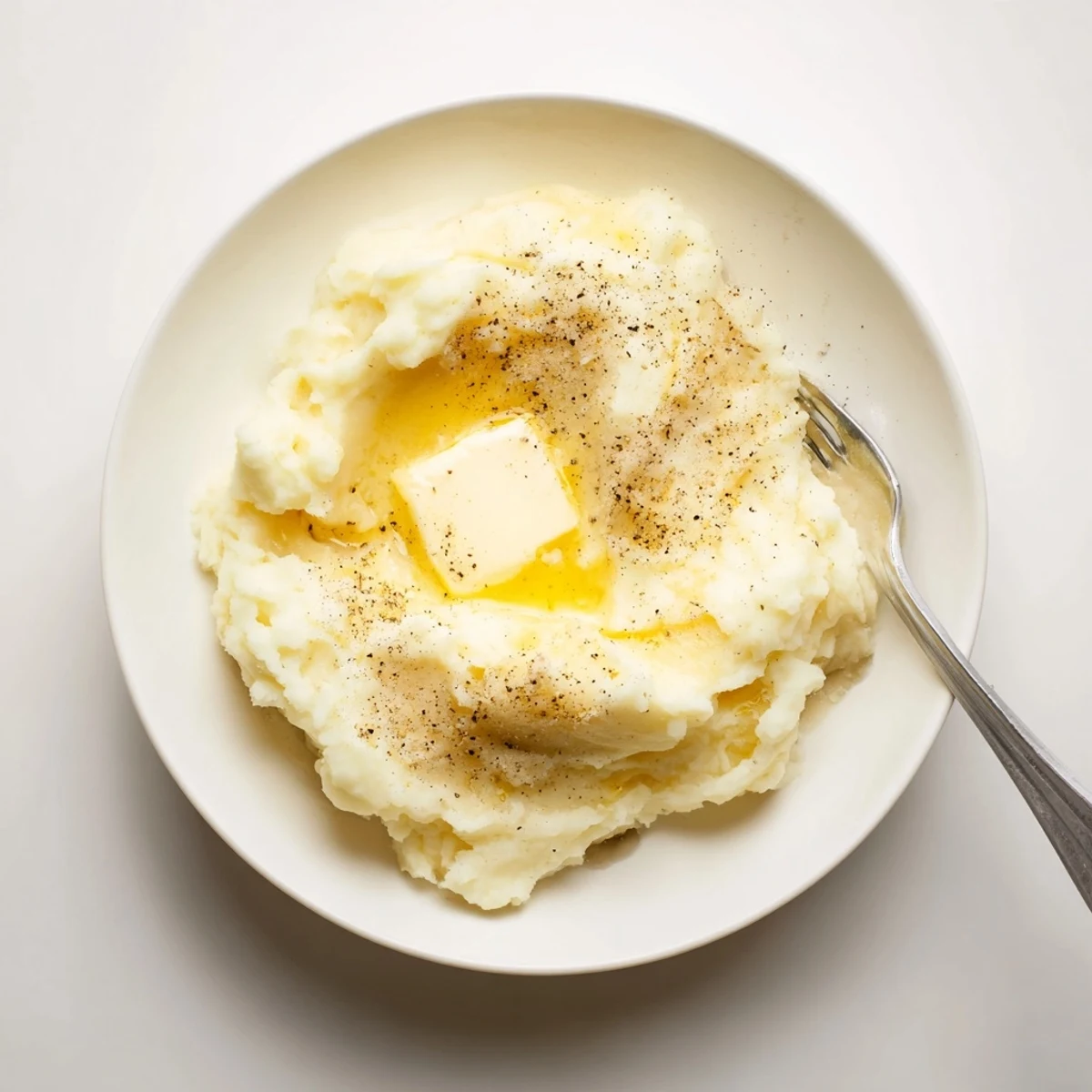
Save Create restaurant-quality mashed potatoes at home with just a handful of simple ingredients. Yukon Gold or Russet potatoes are boiled until tender, then mashed with unsalted butter and warmed whole milk for irresistibly smooth results. Season simply with salt and freshly ground black pepper to let the natural flavors shine through.
The technique is straightforward yet foolproof: start potatoes in cold salted water, drain thoroughly when fork-tender, and mash while hot to absorb maximum flavor. Total prep and cooking time takes just 30 minutes, yielding four generous servings of this beloved comfort food staple.
Theres something almost meditative about peeling potatoes on a quiet Sunday afternoon, the kitchen filling with that earthy, comfort-of-home smell. I stumbled into making mashed potatoes properly during my first year out of college, when my roommate and I attempted our first Thanksgiving dinner and realized neither of us actually knew how to cook anything beyond pasta. The potatoes turned out surprisingly decent, though we definitely over-mashed them into a gluey mess that still brings up laughs whenever we get together.
Last winter, during a particularly brutal cold spell, my neighbor came over with a container of her grandmothers mashed potatoes. She watched my face light up after the first bite and casually mentioned that the secret was warming the milk first and not overworking the potatoes. That tiny piece of advice completely transformed my approach, and now I cant imagine making them any other way.
Ingredients
- Yukon Gold or Russet potatoes: I prefer Yukon Gold for their naturally buttery flavor and creamy texture, though Russets work beautifully if you like a fluffier result
- Unsalted butter: Starting with unsalted butter lets you control the salt level precisely, which is crucial for perfectly seasoned potatoes
- Whole milk: Whole milk provides the ideal richness without making the potatoes too heavy, and warming it first prevents cold spots
- Salt and pepper: Generous seasoning is essential since potatoes absorb salt readily, but always taste as you go
Instructions
- Start with cold water:
- Place your potato chunks in a large pot and cover completely with cold water, adding a generous pinch of salt to the water itself
- Boil until tender:
- Bring the pot to a boil over medium-high heat, then reduce to a gentle simmer for 15-20 minutes until a fork slides through the potatoes effortlessly
- Drain thoroughly:
- Pour the potatoes into a colander and let them drain well, then return them to the hot pot to evaporate any remaining moisture
- Add your dairy and seasonings:
- Add the butter, warm milk, salt, and pepper to the pot, then mash gently until combined and smooth, tasting and adjusting as needed
- Serve immediately:
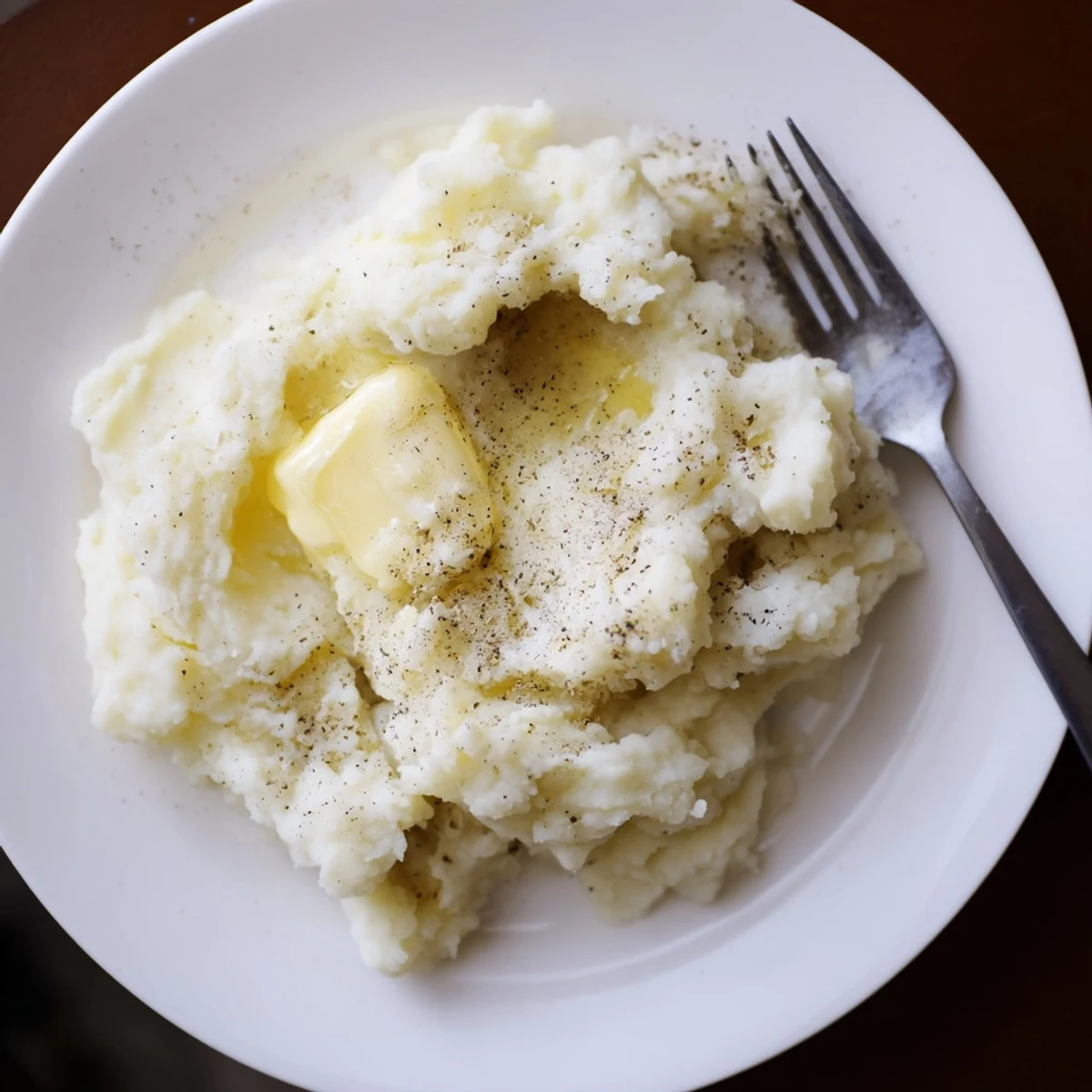
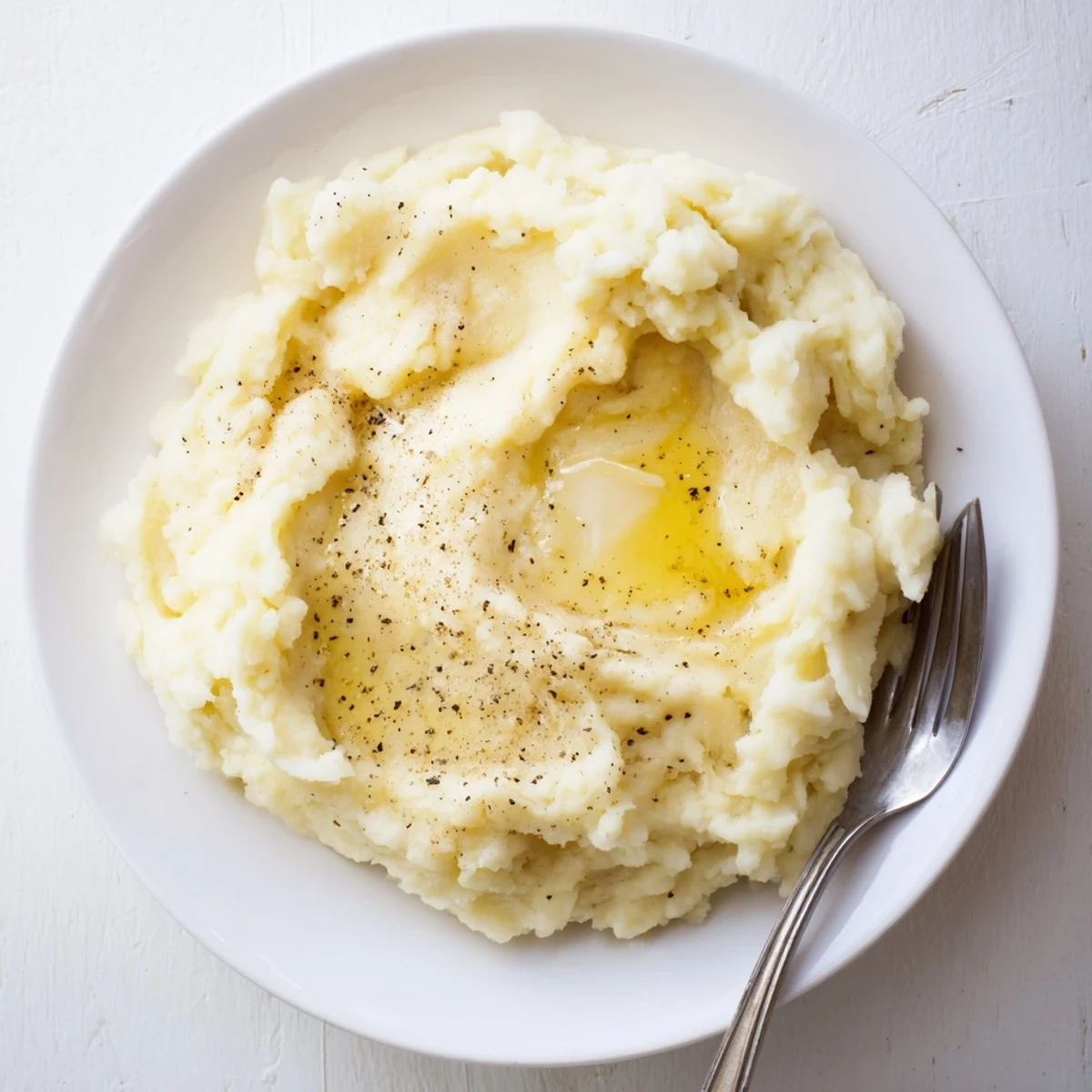
- Transfer to a serving bowl and top with an extra pat of butter while still hot, because that melting butter on top is non-negotiable
 Save
Save My dad still talks about the Christmas I finally mastered these potatoes after years of mediocre attempts. He took one bite, set his fork down, and said okay, now youre actually cooking, which might be the highest compliment hes ever given me.
Making Them Extra Creamy
After countless batches, Ive found that swapping half the milk for heavy cream creates restaurant-level creaminess without being too heavy. A small dollop of sour cream folded in at the end adds a subtle tang that cuts through the richness beautifully.
Flavor Variations That Work
Roasted garlic mashed potatoes became a house favorite after I served them alongside a simple roast chicken. Fresh chives add brightness, while grated sharp cheddar folded in at the end makes them irresistible, especially for kids.
Common Mistakes To Avoid
The biggest error I see is not salting the boiling water adequately, which results in bland potatoes no matter how much butter you add later. Another mistake is using cold milk straight from the refrigerator, which cools down the potatoes too quickly and prevents proper absorption.
- Dont cut your potato chunks too small or theyll absorb too much water and become waterlogged
- Let the drained potatoes sit in the hot pot for a minute to steam off excess moisture before mashing
- Always warm your milk and butter together for the smoothest incorporation possible
 Save
Save Theres a reason these appear on almost every comfort food list and holiday table across the country. Sometimes the simplest dishes, made with care and attention, are the ones that become the most memorable.
Recipe FAQ
- → What potatoes work best for fluffy results?
-
Yukon Gold potatoes offer naturally buttery flavor and creamy texture. Russets produce fluffier results due to their high starch content. Both varieties mash beautifully when properly cooked.
- → Should I peel the potatoes before boiling?
-
Peeling ensures completely smooth texture without any potato skin pieces. For rustic style, leave skins on after scrubbing thoroughly. The choice depends on your preferred consistency and visual presentation.
- → Why use cold water when starting to boil?
-
Starting potatoes in cold water allows even cooking throughout. Hot water causes outsides to overcook while centers remain underdone. The gradual temperature rise produces consistent texture from edge to center.
- → How can I make extra creamy versions?
-
Substitute half the milk with heavy cream for richness. Add sour cream or cream cheese for tangy depth. Roasting garlic before mashing infuses subtle sweetness. Warm dairy incorporates more easily than cold.
- → Can mashed potatoes be made ahead?
-
Prepare up to two hours ahead and keep warm over low heat, stirring occasionally. Reheat gently with additional milk to restore creaminess. Avoid over-mashing when reheating to prevent gummy texture.
- → What causes gluey or gummy texture?
-
Overworking potatoes releases excess starch, creating unwanted gumminess. Use a hand masher rather than electric mixers for best results. Mash just until combined and smooth, stopping immediately when reaching desired consistency.