
 Save
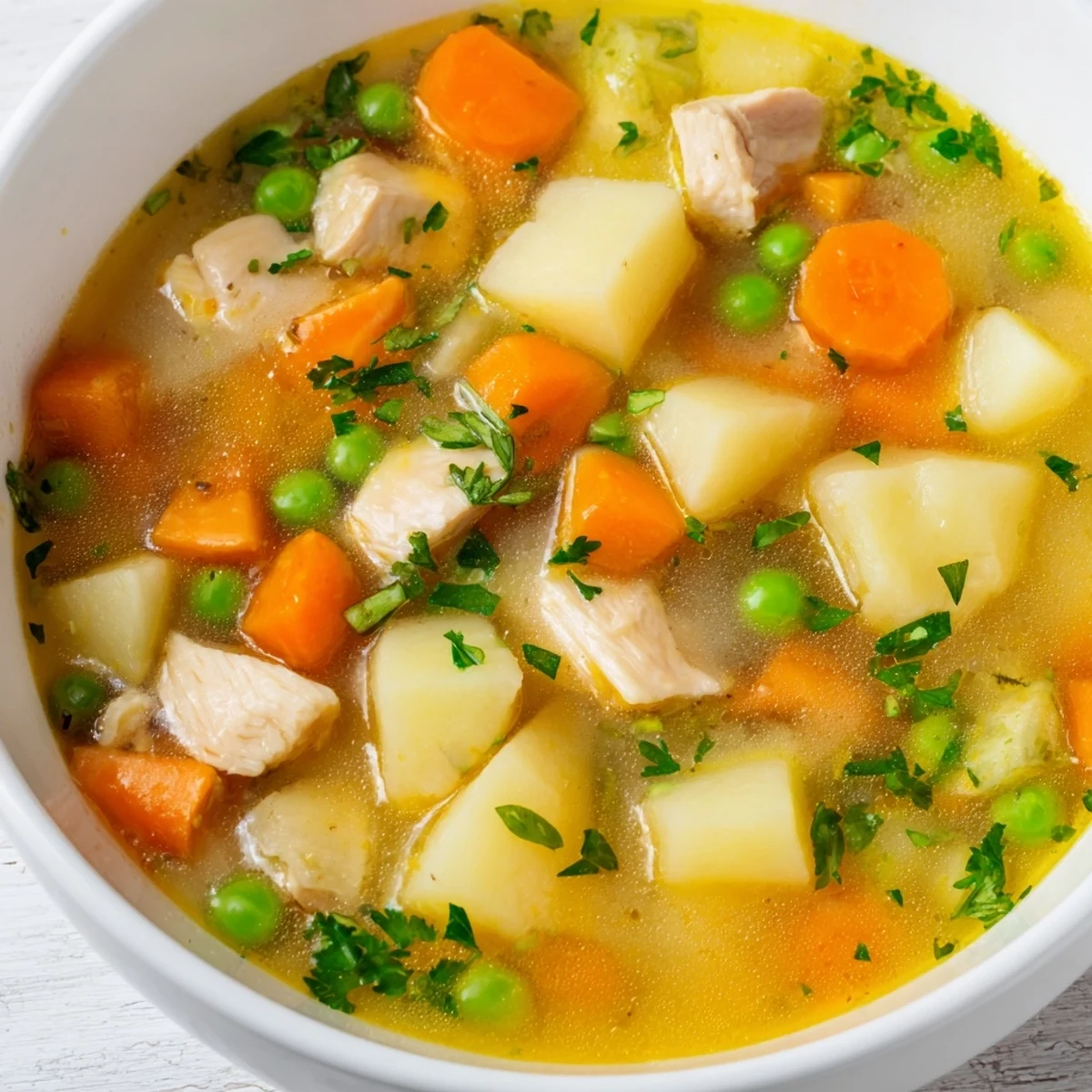
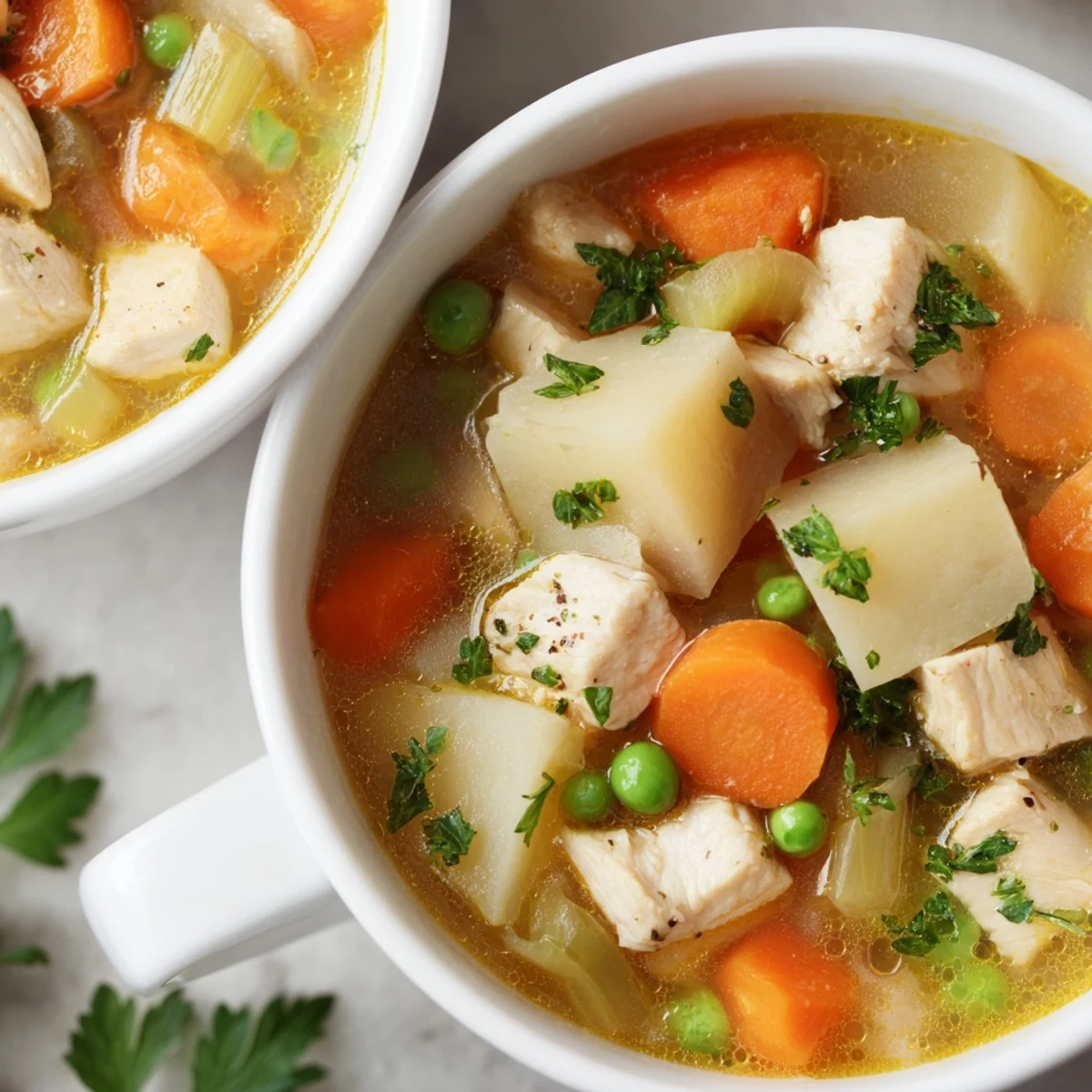
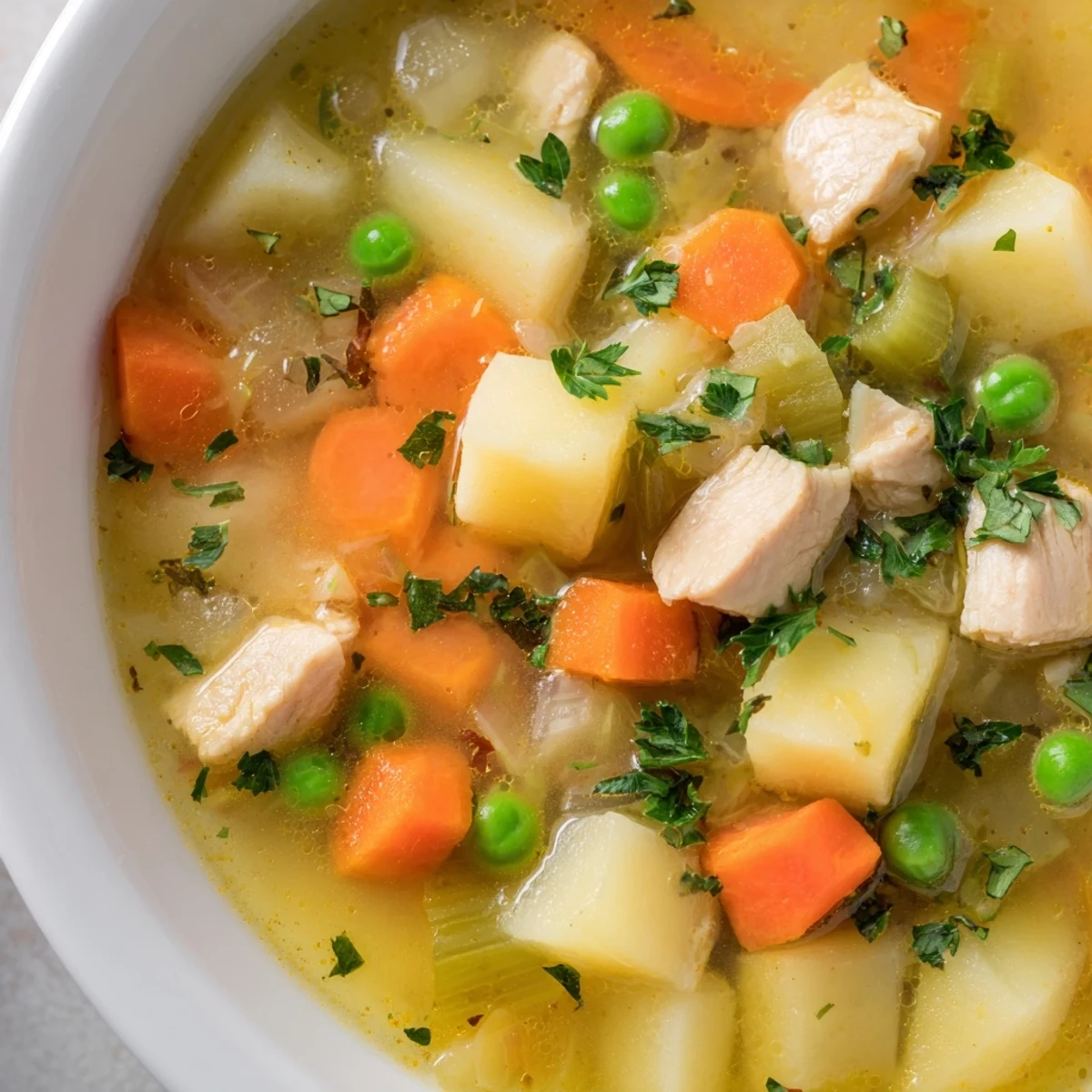
Save This soul-warming bowl combines diced chicken breast with cubed potatoes, carrots, celery, and sweet peas simmered slowly in rich chicken broth. Aromatics like onion, garlic, thyme, and rosemary infuse every spoonful with deep flavor. The simple one-pot method comes together in just one hour, making it perfect for weeknight comfort. Each serving delivers satisfying protein and wholesome vegetables without any gluten. Finish with fresh parsley and serve alongside crusty bread for the ultimate cozy meal.
The steam rising from my grandmother's soup pot always signaled that something healing was underway. I'd stand on a step stool just to peek into the bubbling depths, watching carrots and potatoes dance in the golden broth. Those rainy afternoons taught me that soup isn't just food—it's a hug in a bowl. Now whenever gray skies roll in, my hands automatically reach for the soup pot.
Last winter, my neighbor came down with a terrible flu and I spent a Sunday afternoon making this soup. When I dropped it off, she told me it was exactly what her grandmother used to make. That small moment of connection, spanning generations through something as simple as potatoes and chicken broth, stuck with me. Sometimes the most powerful medicine is just knowing someone cares enough to chop vegetables for you.
Ingredients
- 2 boneless skinless chicken breasts: Cutting these into bite-sized pieces helps them cook evenly and stay tender
- 3 medium potatoes: I've learned that russet or Yukon gold hold their shape beautifully without turning mushy
- 2 carrots: Fresh carrots add natural sweetness that balances the savory broth perfectly
- 2 celery stalks: These provide that classic aromatic base that makes kitchens smell like home
- 1 medium onion: Yellow onions work best here as they caramelize slightly while sautéing
- 3 cloves garlic: Don't be shy with fresh garlic—it mellows beautifully in the simmering broth
- 1 cup frozen peas: They add pops of sweetness and color without any prep work
- 6 cups low-sodium chicken broth: Starting with low-sodium broth lets you control the seasoning exactly
- 1 cup water: This stretches the broth without diluting the flavor profile
- 1 bay leaf: This humble leaf adds an earthy depth that disappears when removed
- 1 teaspoon dried thyme: Thyme pairs so naturally with chicken it feels like they were made for each other
- 1/2 teaspoon dried rosemary: A little goes a long way—too much can overpower the delicate broth
- Salt and black pepper: Taste as you go since broths vary wildly in salt content
- Fresh parsley: This bright garnish adds a fresh finish that cuts through the richness
- 2 tablespoons olive oil: A good quality extra virgin olive oil starts the flavor foundation right
Instructions
- Build your flavor base:
- Heat olive oil in a large pot over medium heat and add onion, carrots, and celery. Sauté for 4-5 minutes until vegetables soften and the kitchen starts smelling amazing.
- Add the aromatic punch:
- Stir in minced garlic and cook for just one minute until it becomes fragrant. You'll know it's ready when that unmistakable garlic aroma fills the air.
- Sear the chicken:
- Add diced chicken pieces to the pot and cook for 3-4 minutes. Let them develop a light golden color on the outside—this adds depth to the final broth.
- Create the soup base:
- Pour in chicken broth, water, cubed potatoes, bay leaf, thyme, and rosemary. Bring everything to a boil, then reduce heat and let simmer uncovered for 25 minutes.
- Add the finishing touches:
- Stir in frozen peas and simmer for 5 more minutes. Remove the bay leaf, then season with salt and pepper until it tastes perfect to you.
- Serve it up:
- Ladle the hot soup into bowls and scatter fresh parsley on top. The contrast of vibrant green against golden broth makes every bowl feel special.
 Save
Save My daughter declared this her sick-day soup after I made it during her first bout with the flu away at college. Now every time she calls feeling under the weather, I find myself automatically reaching for the soup pot. It's become our unspoken language of comfort across the miles.
Making It Your Own
Sometimes I add a handful of spinach or kale during the last few minutes of cooking for extra nutrition. The greens wilt beautifully into the broth without losing their vibrant color. Other times, a Parmesan cheese rind dropped into the simmering pot adds incredible umami richness that people can never quite identify.
Freezing For Later
This soup freezes exceptionally well, which is why I always make a double batch. Let it cool completely before transferring to freezer-safe containers, leaving about an inch of space at the top for expansion. The potatoes hold up surprisingly well during freezing, unlike in some other soups I've tried.
Serving Suggestions
A warm crusty baguette for dipping is practically mandatory in my house. The way the bread soaks up that flavorful broth is half the magic of the meal. For a lighter touch, a simple green salad with vinaigrette balances the heartiness perfectly.
- Grilled cheese sandwiches cut into dipping strips make this an instant family favorite
- A dollop of sour cream or Greek yogurt adds a lovely tangy contrast
- Cracked black pepper and a drizzle of good olive oil elevates each serving
 Save
Save There's something profoundly satisfying about watching a pot transform simple ingredients into something that nourishes both body and soul. May your kitchen be filled with steam and your heart with comfort.
Recipe FAQ
- → Can I make this ahead of time?
-
Absolutely. This soup actually tastes better the next day as flavors have more time to meld together. Store in an airtight container in the refrigerator for up to 4 days. Reheat gently on the stove, adding a splash of water or broth if needed.
- → What's the best way to store leftovers?
-
Allow the soup to cool completely before transferring to an airtight container. It will keep well in the refrigerator for 4-5 days or freeze for up to 3 months. When freezing, leave some space at the top as liquids expand when frozen.
- → Can I use chicken thighs instead?
-
Yes, boneless skinless chicken thighs work wonderfully and add even more richness. They may take slightly longer to cook through but remain incredibly tender and juicy in the hot broth.
- → How do I know when the potatoes are done?
-
Pierce a potato cube with a fork—it should slide in easily with no resistance. The potatoes should be tender but still hold their shape. Typically takes about 25 minutes of simmering.
- → Can I add other vegetables?
-
Certainly. Consider adding diced tomatoes, green beans, corn, or even chopped kale during the last few minutes of cooking. Each variation brings unique nutrition and flavor to the bowl.