
 Save
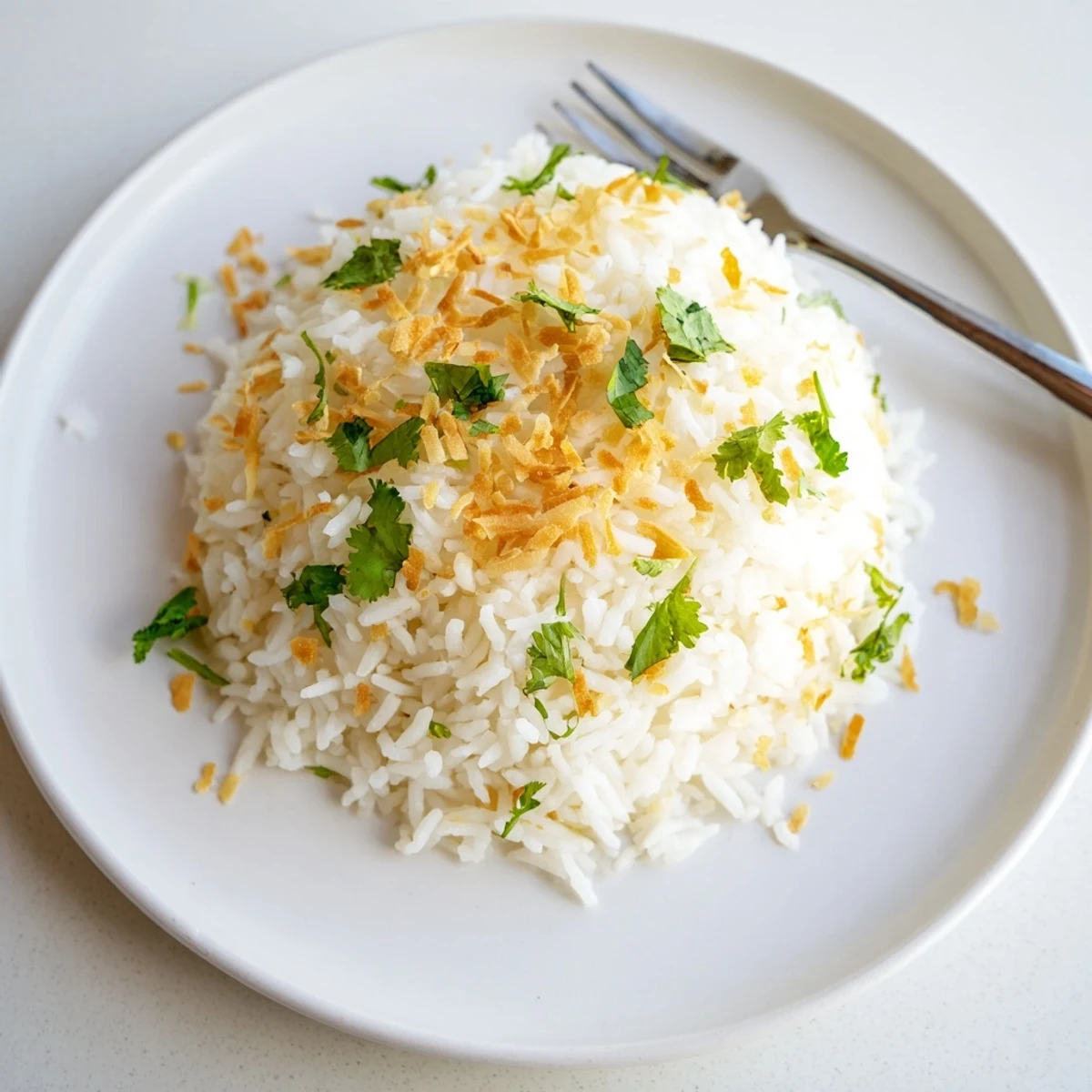
Save This coconut rice combines jasmine rice with rich, full-fat coconut milk for a wonderfully fragrant and fluffy result. The rice absorbs the creamy coconut liquid during a gentle simmer, creating tender grains infused with subtle tropical flavor.
Ready in just 25 minutes with minimal prep, it's an ideal companion for Thai curries, grilled meats, or stir-fried vegetables. The method is straightforward: rinse, simmer, steam, and fluff. Optional garnishes like toasted coconut flakes, fresh cilantro, and lime zest elevate the presentation and add bright, fresh contrast to the creamy rice.
Naturally vegetarian, gluten-free, and dairy-free, this versatile side dish suits a wide range of dietary needs without sacrificing flavor or texture.
The smell of coconut milk hitting a hot saucepan is enough to make me pause whatever I am doing and just breathe. It is sweet, warm, and impossibly tropical, like someone cracked open a fresh coconut right on my stove. Coconut rice became my quiet weapon for turning a Tuesday dinner into something that felt considered, even when the rest of the meal was just roasted vegetables from the fridge. Four ingredients and twenty minutes later, the kitchen smells like a beachside kitchen somewhere far away from my apartment.
My neighbor walked into my kitchen once while I was making this and stood near the stove for a full minute without saying anything. She finally just muttered that it smelled like her grandmothers house in Trinidad, and we stood there together watching the steam curl under the lid. That was the moment I realized coconut rice is not just a side dish, it is a memory machine for people from all over the world.
Ingredients
- Jasmine rice (1 cup, rinsed): Jasmine rice gives you that beautiful floral aroma and slightly sticky texture that soaks up coconut milk perfectly, and rinsing it removes excess starch so the grains stay distinct instead of turning gummy.
- Coconut milk (1 cup, unsweetened, full fat): Full fat is nonnegotiable here because the richness is what makes this dish sing, and always shake the can well before opening so the cream and water are blended.
- Water (3/4 cup): You need slightly less water than usual since the coconut milk adds liquid, and getting this ratio right is the difference between fluffy rice and a sticky mess.
- Salt (1/2 teaspoon): Just enough to bring out the natural sweetness of the coconut without making it taste salty.
- Toasted coconut flakes (2 tablespoons, optional): These add a satisfying crunch on top and double down on the coconut flavor in the best way.
- Chopped fresh cilantro (1 tablespoon, optional): A bright herbal note that cuts through the richness and makes the dish look restaurant worthy.
- Lime zest (1 teaspoon, optional): A tiny amount of zest at the end wakes up every grain and adds a citrusy sparkle that ties everything together.
Instructions
- Wash the rice clean:
- Run cold water over the rice in a fine mesh strainer, swishing it around with your fingers until the water runs almost clear, which usually takes about four or five rinses and makes a surprising difference in the final texture.
- Bring it all together:
- Tip the rinsed rice into a medium saucepan and pour in the coconut milk, water, and salt, giving it a gentle stir so everything is evenly combined before the heat goes on.
- Let it bubble briefly:
- Set the pan over medium high heat and watch for gentle bubbles forming around the edges, which should take about three to four minutes and fills your kitchen with that incredible coconut fragrance.
- Low and slow with the lid on:
- Crank the heat down to the lowest setting, clamp on a tight fitting lid, and walk away for fifteen minutes without peeking, because every time you lift that lid you let precious steam escape.
- Rest before you fluff:
- Take the saucepan completely off the heat but leave the lid on for another ten minutes, letting the residual steam finish cooking every grain gently and evenly.
- Fluff and finish:
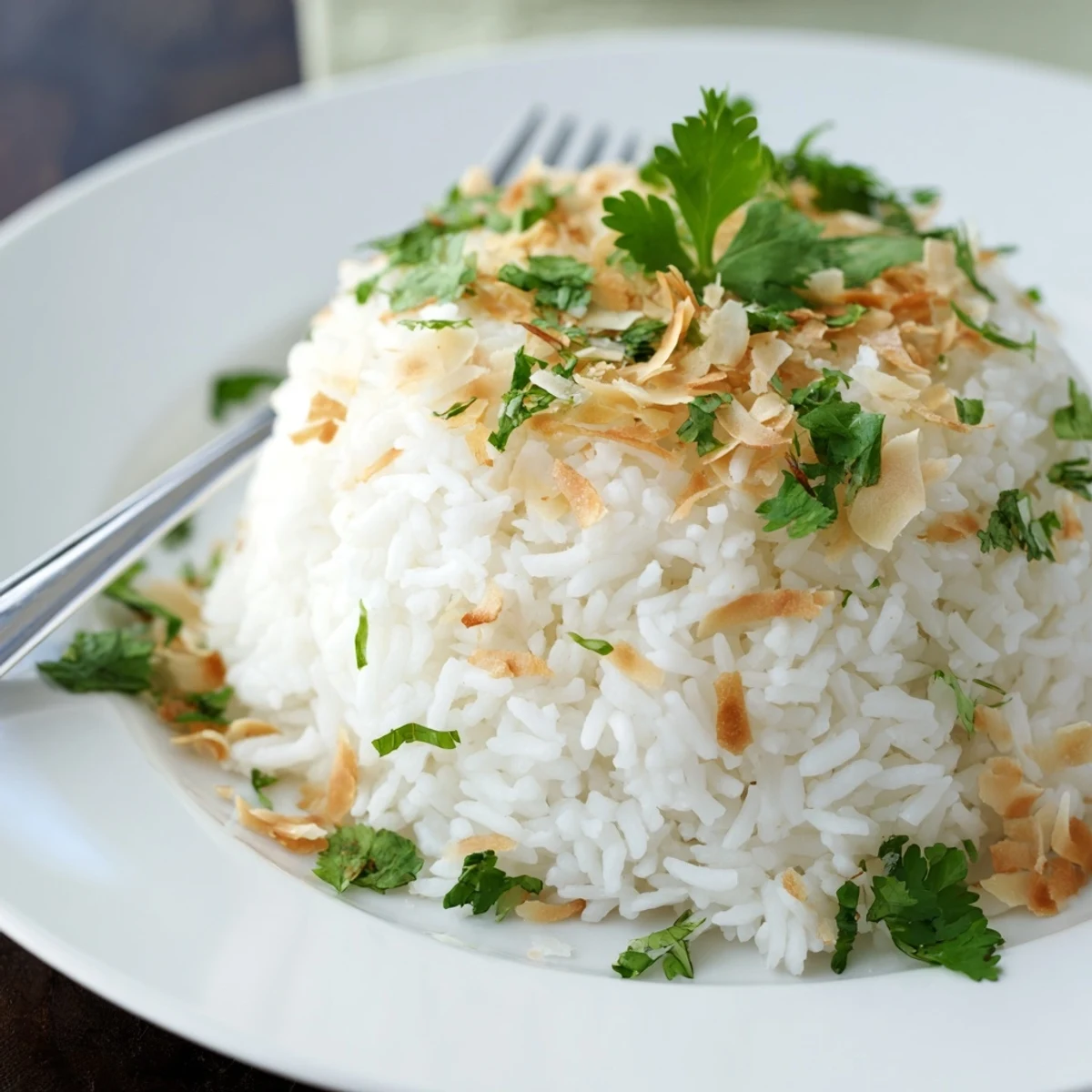
- Use a fork to gently separate the grains in a folding motion, then scatter over the toasted coconut, cilantro, and lime zest if you are using them, and serve it warm while the kitchen still smells incredible.
 Save
Save There was a rainy Sunday when I made a huge pot of this coconut rice alongside a simple red lentil curry, and three friends ended up staying for two hours longer than planned. Everyone kept going back for small scoops of rice on its own, just warm from the pot, saying it did not even need anything on top. That pot was scraped clean, and someone literally licked the serving spoon before putting it in the sink.
How to Serve Coconut Rice Like a Pro
Mound it into a small bowl and flip it onto a plate for a tidy dome shape that looks intentional. Spoon a curry or stew around the base so the sauce pools at the edges and the rice stays fluffy on top. A squeeze of lime over everything right before eating adds a final touch of brightness that makes people close their eyes on the first bite.
How to Store and Reheat It
Leftover coconut rice keeps beautifully in an airtight container in the fridge for up to four days, and it actually tastes wonderful cold straight from the container if you are standing in the kitchen at midnight. For reheating, sprinkle a few drops of water over the rice and microwave it covered with a damp paper towel so the grains soften back up without drying out. You can also pan fry leftovers in a little oil with scrambled eggs and vegetables for an impromptu coconut fried rice that might be better than the original dish.
Small Things That Make a Big Difference
Coconut rice is forgiving by nature, but a handful of small choices can push it from good to unforgettable. These are the little adjustments I picked up after making it dozens of times.
- Drop a bruised piece of fresh ginger or a whole bay leaf into the pot before simmering and fish it out before serving for a subtle background warmth.
- Toast the coconut flakes in a dry skillet for two minutes until golden, because raw flakes on top are fine but toasted ones add a completely different layer of flavor and crunch.
- Always use a heavy bottomed saucepan if you have one, since thin pans create hot spots that can scorch the coconut milk at the bottom before the rice is fully cooked.
 Save
Save Keep this recipe in your back pocket for any night that needs a small upgrade without any extra effort. Coconut rice has a way of making everything served alongside it feel a little more special, and that is the best kind of weeknight magic I know.
Recipe FAQ
- → What type of rice works best for coconut rice?
-
Jasmine rice is the top choice for its fragrant aroma and slightly sticky texture that pairs beautifully with coconut milk. Long-grain white rice or basmati rice also work well, though you may need to adjust the water ratio slightly depending on the variety.
- → Should I use full-fat or light coconut milk?
-
Full-fat, unsweetened coconut milk delivers the richest, creamiest results and is strongly recommended. Light coconut milk can be used but will produce a less flavorful and less creamy outcome.
- → Why do I need to let the rice sit covered after cooking?
-
Letting the rice rest off-heat while still covered allows the grains to finish steaming in their own residual heat. This step ensures even texture throughout, prevents mushiness, and helps each grain separate properly when fluffed.
- → Can I add extra flavorings while cooking coconut rice?
-
Absolutely. A bay leaf, a slice of fresh ginger, or a stalk of lemongrass added to the pot during simmering infuses the rice with wonderful aromatic depth. Simply remove these additions before serving.
- → How should I store and reheat leftover coconut rice?
-
Store cooled coconut rice in an airtight container in the refrigerator for up to 4 days. To reheat, sprinkle a few drops of water over the rice and warm it in the microwave covered, or reheat gently in a saucepan with a splash of water over low heat.
- → What dishes pair well with coconut rice?
-
Coconut rice is a natural companion to Thai and Indian curries, grilled shrimp or chicken, stir-fried vegetables, and tropical fish dishes. It also complements barbecue and jerk-seasoned proteins beautifully.