
 Save
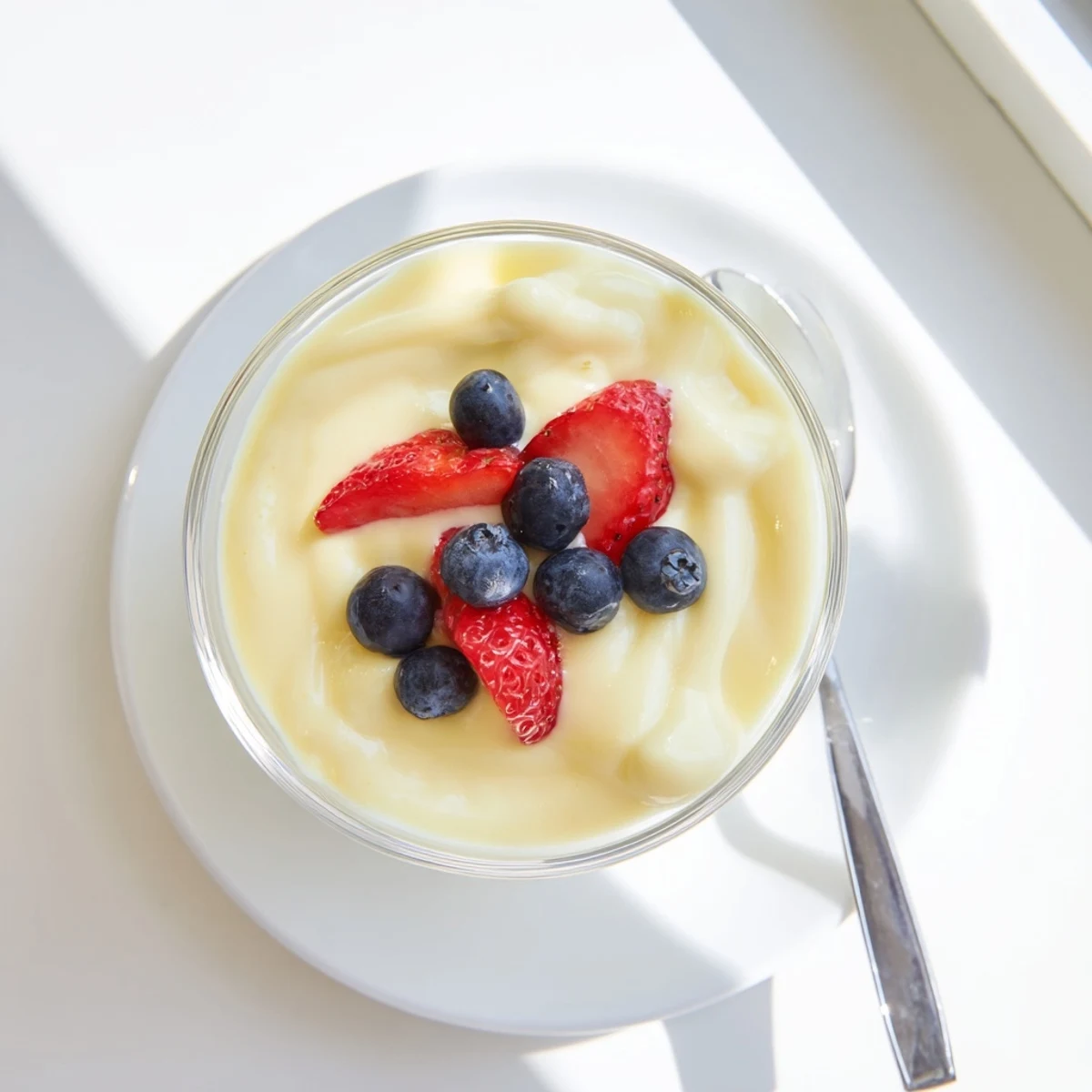
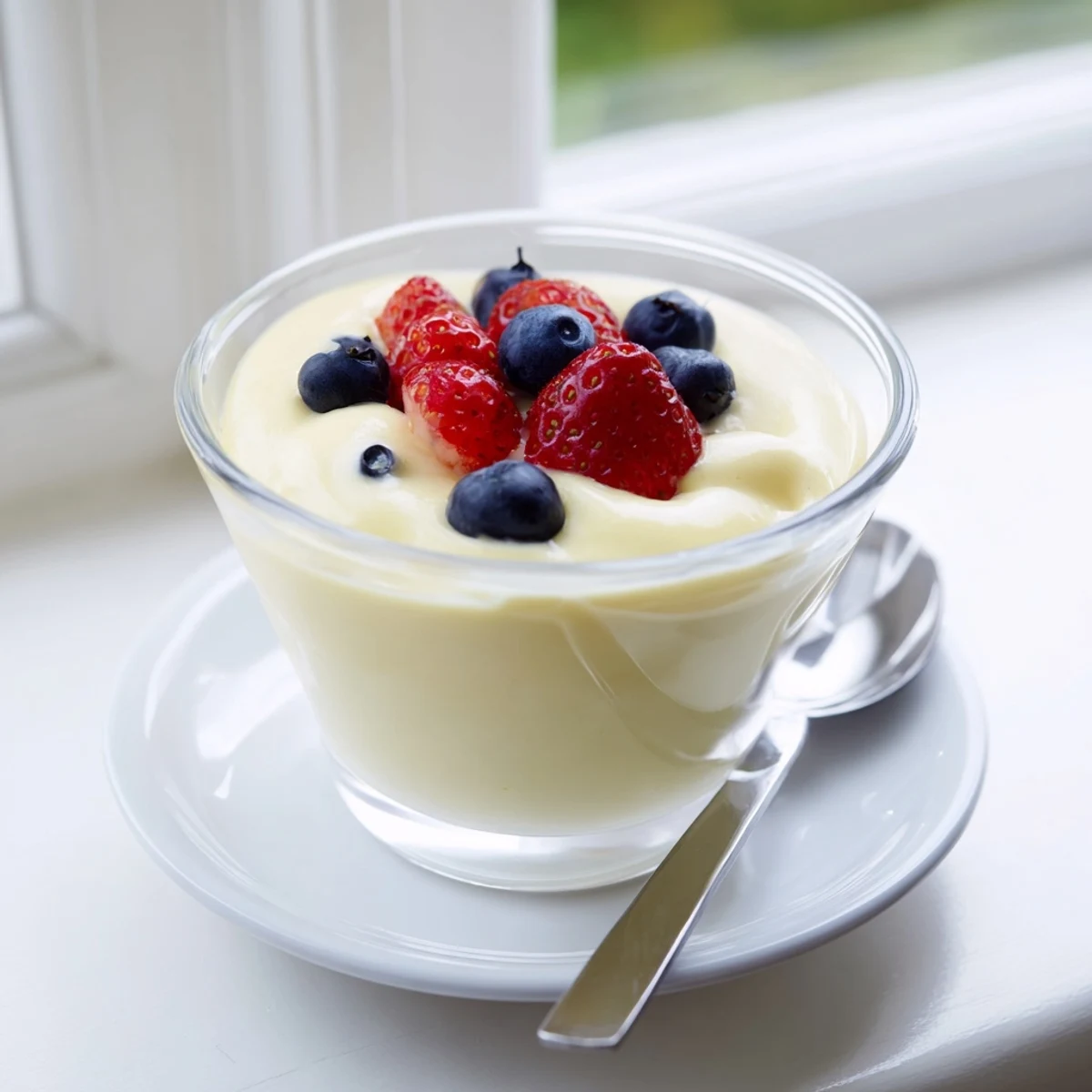
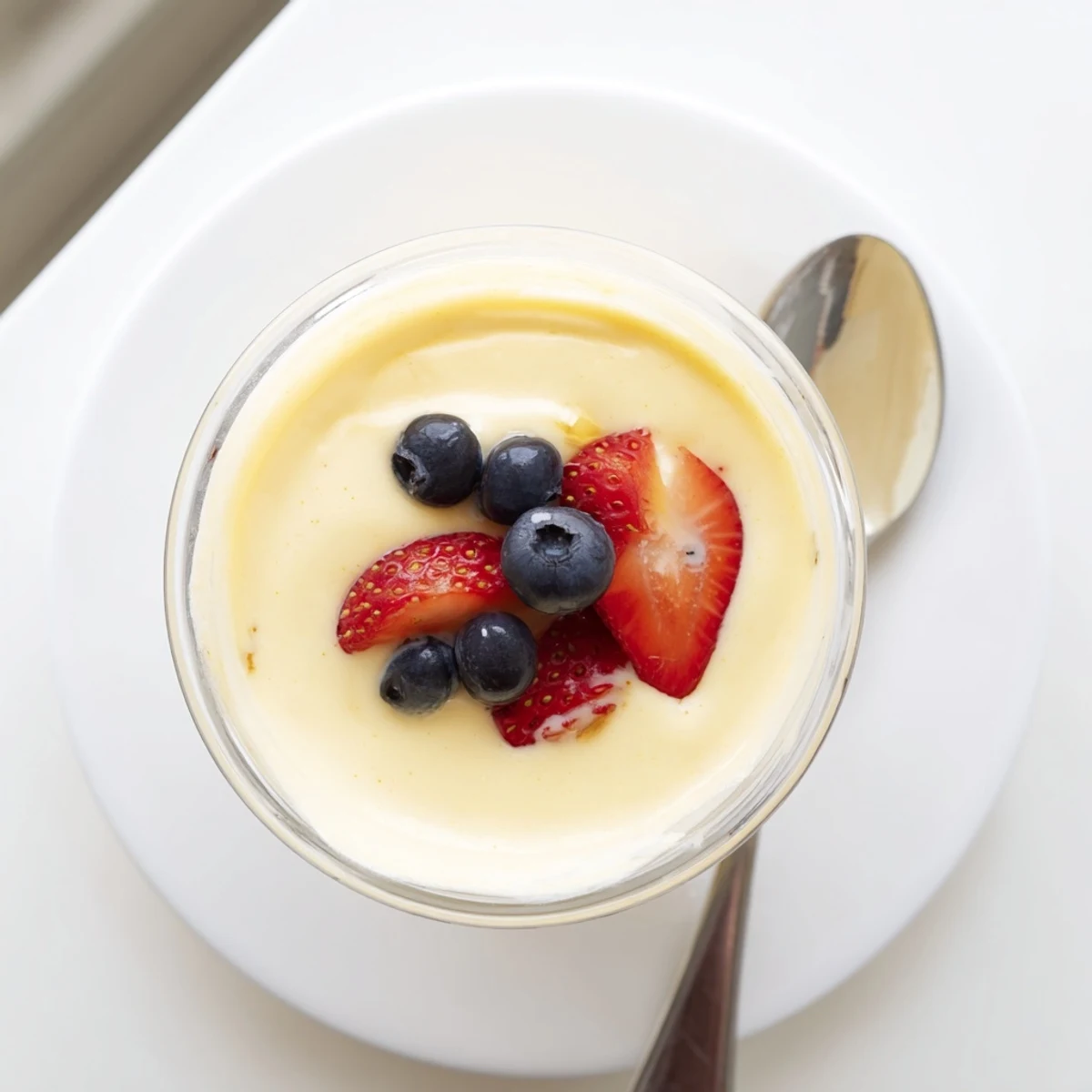
Save This elegant Italian dessert transforms simple ingredients into a luxurious, airy custard. The traditional preparation involves whisking egg yolks with sugar and Marsala wine over a gentle double boiler until the mixture triples in volume and forms silky ribbons. The result is a warm, velvety treat that balances sweetness with the complex notes of fortified wine. Perfect for entertaining, Zabaglione can be enjoyed on its own or paired with fresh berries, crisp ladyfingers, or traditional biscotti for added texture and contrast.
Standing in my tiny Italian apartment kitchen, I watched my host grandmother whip egg yolks and wine over a steaming pot with effortless rhythm. She caught me staring and simply said some things require patience but reward you immediately. That first spoonful of warm, frothy custard changed everything I thought dessert could be.
Last Christmas Eve, I made zabaglione for my family while they sat around the table, tired from cooking all day. The whisking rhythm became hypnotic, and when I started serving those delicate golden cups into small glasses, the room went quiet. My dad actually asked if this was what angels eat, which sounds ridiculous but was completely sincere in the moment.
Ingredients
- 6 large egg yolks: Room temperature eggs whisk up faster and create better volume, so take them out about thirty minutes before you start
- 1/2 cup granulated sugar: The sugar not only sweetens but helps stabilize the foam as it incorporates into the yolks
- 1/2 cup Marsala wine: This fortified wine is traditional and adds complex caramel and vanilla notes that define the dessert
- Fresh berries: The tartness cuts through the rich custard beautifully
- Ladyfingers or biscotti: Perfect for dipping into the warm custard, they absorb all that silky goodness
Instructions
- Set up your water bath:
- Fill a medium saucepan with about two inches of water and bring it to a gentle simmer, not a rolling boil, which could scramble the eggs
- Whisk the base:
- In a large heatproof bowl, whisk together the egg yolks and sugar until the mixture turns pale yellow and slightly thickens, about two minutes of steady work
- Start the double boiler:
- Place the bowl over the simmering water, making sure the bottom of the bowl never actually touches the water
- Add the Marsala:
- Gradually pour in the Marsala wine while whisking constantly to incorporate it smoothly and prevent the eggs from seizing
- Whisk to perfection:
- Keep whisking steadily for eight to ten minutes until the mixture triples in volume and forms thick, soft ribbons when you lift the whisk
- Serve immediately:
- Remove from heat and portion into dessert glasses or small bowls while still warm and frothy
- Add finishing touches:
- Garnish with fresh berries or serve alongside ladyfingers or biscotti for dipping into that luscious custard
 Save
Save That night in Italy, Nonna Maria served it in tiny espresso cups, and we stood around her kitchen counter, dipping biscotti and talking in broken English and enthusiastic hand gestures. It wasnt just dessert, it was the moment I understood that some recipes are about gathering more than eating.
Making It Your Own
The beauty of zabaglione is how it adapts to what you love or what you have on hand. I once used a rich moscato instead of Marsala, and while purists might gasp, the result was floral and delicate in the most lovely way. Orange juice works beautifully if you want to skip alcohol completely, and a teaspoon of vanilla extract added at the end makes it taste even more indulgent.
Getting That Perfect Texture
The difference between thin eggy sauce and that cloudlike perfection is all about patience and heat control. If your water bath is too hot, you risk scrambling the eggs before they can aerate properly. I keep an ice bowl nearby now, just in case I need to quickly cool the bottom of my mixing bowl midwhisk. The ribbon test is real, when the mixture falls back on itself and leaves a visible trail for a few seconds, you are exactly where you want to be.
Serving Suggestions
While warm is traditional and absolutely perfect, I have grown to love zabaglione over chilled sliced peaches or poured over vanilla gelato. The contrast of temperatures creates something magical on the spoon.
- Try folding in a tablespoon of whipped cream at the very end for extra richness
- A pinch of cinnamon or nutmeg whisked in with the sugar adds cozy warmth
- Lemon zest brightens everything and makes it feel lighter
 Save
Save There is something deeply satisfying about making something so elegant with such simple ingredients and your own two hands. Maybe that is why I keep coming back to it, season after season, finding new excuses to stand over a steaming pot and whisk until my arm protests.
Recipe FAQ
- → What makes Zabaglione traditional?
-
Authentic Zabaglione requires Marsala wine, a fortified Sicilian wine that provides distinctive depth. The technique involves whisking over a double boiler until the mixture achieves signature ribbon consistency and triples in volume.
- → Can I make this non-alcoholic?
-
Yes, substitute Marsala with fresh orange juice for a citrusy variation. The flavor profile shifts toward bright, fruity notes while maintaining the silky texture and warming presentation.
- → Why must it be served warm?
-
Warm Zabaglione showcases the airy, whipped texture at its peak. The gentle heat enhances the aromatic qualities of Marsala while keeping the custard luxuriously smooth and velvety on the palate.
- → What prevents the eggs from curdling?
-
Constant whisking and gentle, indirect heat from the double boiler ensure even cooking. This technique prevents hot spots and creates the signature ribbon formation without scrambling the eggs.
- → How long does it take to prepare?
-
Total time is approximately 20 minutes. The actual cooking process takes 8-10 minutes of active whisking, making this an elegant yet achievable dessert for weeknight dinners or special occasions.