
 Save
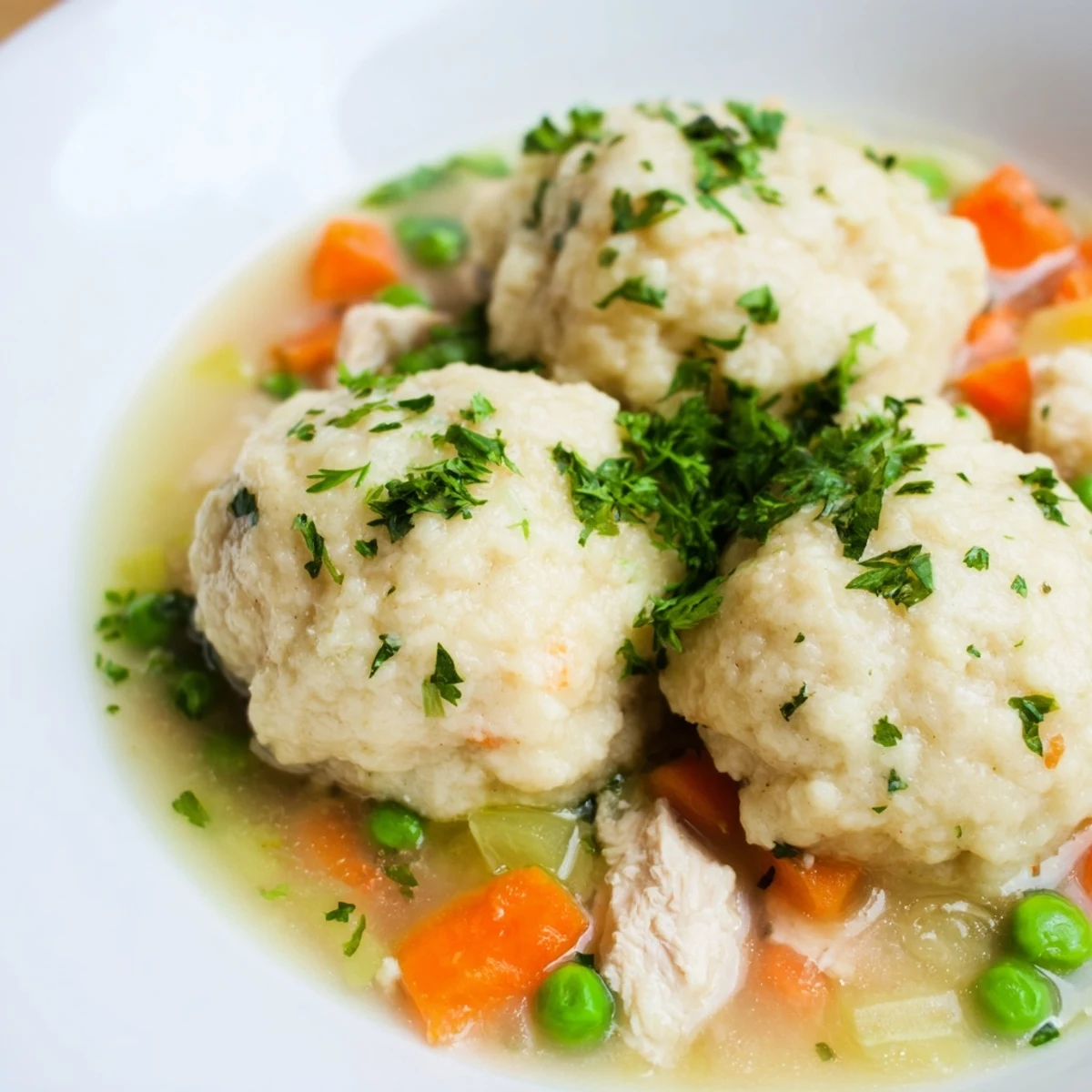
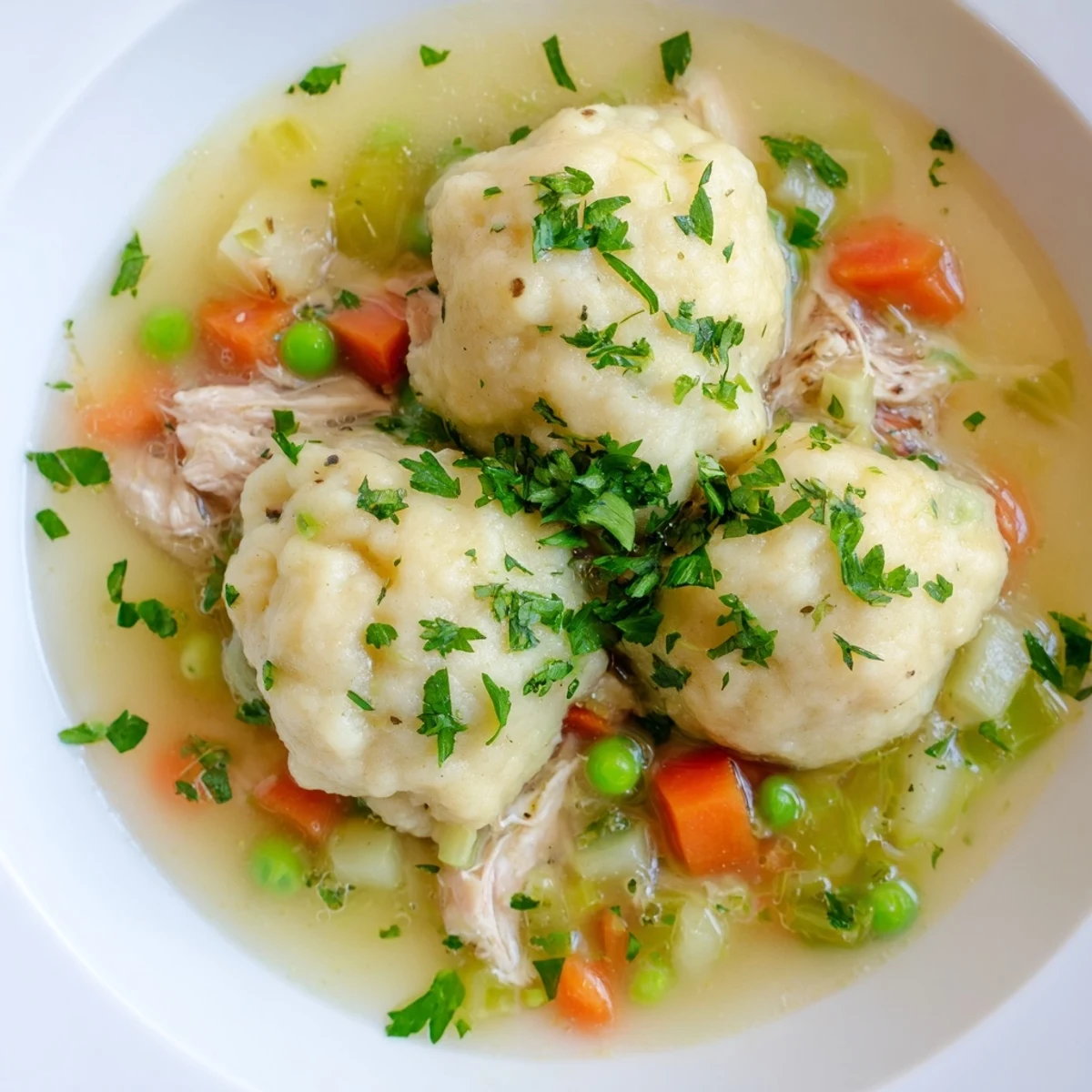
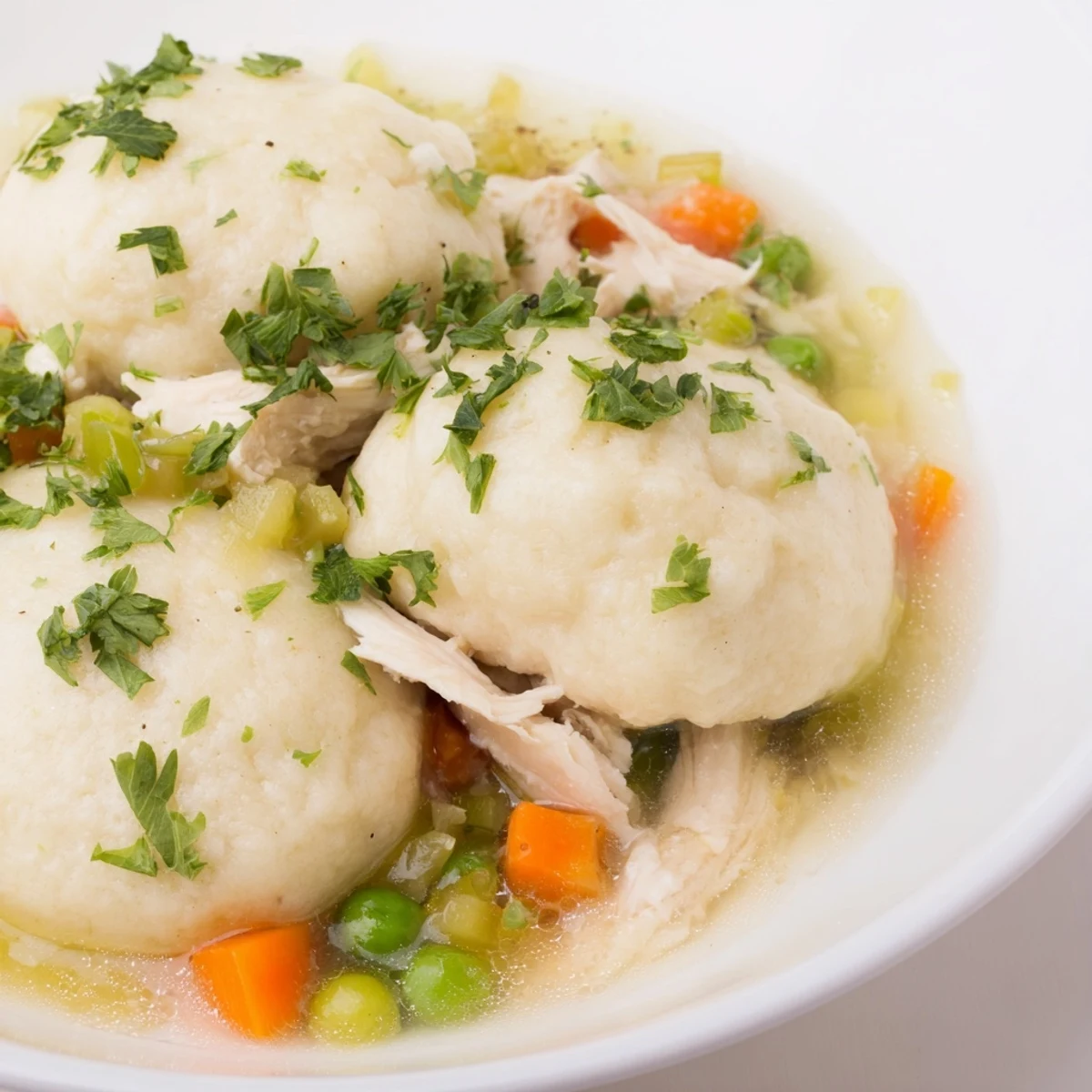
Save This classic chicken broth combines tender chicken thighs simmered with fragrant vegetables for a rich flavor base. Fluffy dumplings, made with butter, milk, and leavening agents, are gently cooked atop the simmering liquid until soft and pillowy. Finished with fresh herbs, this dish offers warmth and wholesome satisfaction, perfect for chilly evenings or when craving comforting nourishment.
There's something about the smell of chicken simmering with carrots and celery that stops time in a kitchen. My grandmother used to make this soup on gray afternoons, and I'd watch from a stool as she'd drop spoonfuls of dumpling batter into the bubbling broth—each one rising like a little cloud. Years later, I finally got her technique right, and now it's become my version of comfort, the kind of meal that says I care without needing many words.
I made this for a friend who'd just moved to the city, alone and overwhelmed, on a Sunday when the weather turned cold. Watching her face as she tasted those first spoonfuls—the way her shoulders relaxed—reminded me why I keep cooking. Soup like this doesn't need fanfare; it just needs to show up.
Ingredients
- Unsalted butter and olive oil: The combination gives you richness without heaviness, and starting here builds the foundation for everything that follows.
- Onion, carrots, and celery: These three are the backbone, and taking five minutes to soften them properly changes the whole flavor profile.
- Garlic, thyme, and bay leaf: Don't skip the one-minute bloom after adding garlic—that's when the magic happens.
- Bone-in, skinless chicken thighs: Thighs are forgiving; they won't dry out like breasts, and the bones add a gentle richness to the broth.
- Low-sodium chicken broth: Low-sodium gives you control over the final salt level, which matters more than you'd think.
- Salt and black pepper: Taste as you go—don't dump it all in at once and hope for the best.
- Frozen peas and fresh parsley: Peas add sweetness and color at the last moment; parsley is the bright note that makes people lean in for another spoonful.
- All-purpose flour and baking powder: These two work together to make dumplings rise without any yeast or long rising time.
- Baking soda: Just a pinch, but it helps the baking powder do its job and gives dumplings a subtle lift.
- Cold butter (cubed): Cold butter stays separate longer, which is what creates those little pockets of air in the dumplings.
- Whole milk and egg: Together they create a tender, moist dough that steams perfectly when covered.
Instructions
- Build your flavor base:
- Heat the butter and oil in your pot and let them get hot—not smoking, just warm enough that the onion sizzles when it hits. Sauté the onion, carrots, and celery for five minutes until they start to soften and the onion becomes translucent.
- Bloom the aromatics:
- Add the minced garlic, thyme, and bay leaf and stir constantly for just one minute. You'll smell it immediately—that's your signal that it's worked.
- Add the chicken and broth:
- Nestle the chicken thighs into the pot and pour in the broth, making sure the chicken is mostly covered. Season with salt and pepper, bring everything to a boil, then drop the heat to low, cover, and let it simmer gently for thirty minutes.
- Shred and return the chicken:
- Pull the chicken onto a plate and let it cool just enough to handle. Pull it apart with two forks—don't worry about getting every bit of shred perfect—and return the meat to the pot.
- Add the final vegetables:
- Stir in the frozen peas and fresh parsley. The soup is almost ready; now keep it at a gentle simmer while you make the dumplings.
- Make the dumpling dough:
- Whisk together the flour, baking powder, baking soda, and salt. Cut the cold butter into the dry mix with a pastry cutter or your fingertips until it looks like coarse breadcrumbs—this step matters because it creates air pockets.
- Mix the wet ingredients:
- In another bowl, whisk the milk, egg, and parsley together. Pour this into the dry ingredients and stir gently—just until everything is combined, no more. Overmixing makes tough dumplings.
- Drop and cover:
- Use a tablespoon to drop spoonfuls of batter directly onto the simmering soup, making about twelve dumplings. Cover the pot completely and do not lift the lid for fifteen minutes.
- Finish and serve:
- After fifteen minutes, lift the lid carefully and check that the dumplings are puffed and cooked through. Taste the broth, adjust salt and pepper if needed, and serve hot with extra parsley scattered on top.
 Save
Save My daughter asked me once why this soup tasted different from the canned version she'd had at school. I realized it wasn't just the ingredients—it was that every element had been chosen and tended to, piece by piece. That's the difference between eating and being nourished.
The Story Behind Fluffy Dumplings
Dumplings have a reputation for being tricky, but they're really just flour and fat learning to hold hands with liquid. The secret isn't technique—it's understanding why each step exists. When you cut cold butter into flour, you're creating tiny pockets of fat that steam when the dumpling hits the hot broth, and those pockets are what make them rise and become light. I learned this the hard way, after making dense, gluey dumplings for two years before someone finally explained what was happening.
Why Bone-In Chicken Thighs Matter
Chicken breasts are convenient, but thighs are honest. They stay moist because the meat has more fat naturally, and the bones add a subtle richness to the broth that breast meat simply can't match. There's also something about the texture—thighs shred into tender pieces that feel substantial without being tough. If you've had watery, disappointing chicken soup before, there's a good chance it was made with breasts.
Making It Your Own
This is the kind of recipe that begs to be adjusted. Some people add a squeeze of lemon at the end, which brightens everything. Others stir in cream for a richer soup, though I think that masks what makes it special. You can also add diced potatoes or fresh corn if you want more substance. The one thing I'd never skip is the parsley—it's not decoration, it's a flavor statement that makes everything taste alive.
- A splash of dry white wine added before the broth brings new depth to the base.
- Fresh dill stirred in at the very end adds an herbaceous note that people can't quite identify but absolutely love.
- If you need this to be faster, use a rotisserie chicken and skip the simmering step, though you'll miss the broth-building magic.
 Save
Save This soup is proof that the simplest meals often mean the most. Make it when you need to slow down, or when someone else needs you to slow down for them.
Recipe FAQ
- → How do I achieve fluffy dumplings?
-
Use cold butter cut into the flour mixture and avoid overmixing once wet ingredients are added. Drop spoonfuls gently onto simmering broth to ensure they puff up while cooking.
- → Can I use chicken breast instead of thighs?
-
Yes, but chicken thighs tend to stay juicier and more tender during the long simmer, enhancing the broth's richness.
- → What herbs work best in this dish?
-
Dried thyme and fresh parsley provide aromatic layers that complement the chicken and vegetables perfectly.
- → How long should the soup simmer before adding dumplings?
-
Simmer the chicken and vegetables for about 30 minutes to develop flavor and tenderness before adding dumplings.
- → Is it possible to make gluten-free dumplings?
-
Yes, use a 1:1 gluten-free flour blend and ensure all leavening agents are gluten-free for similar fluffy results.