
 Save
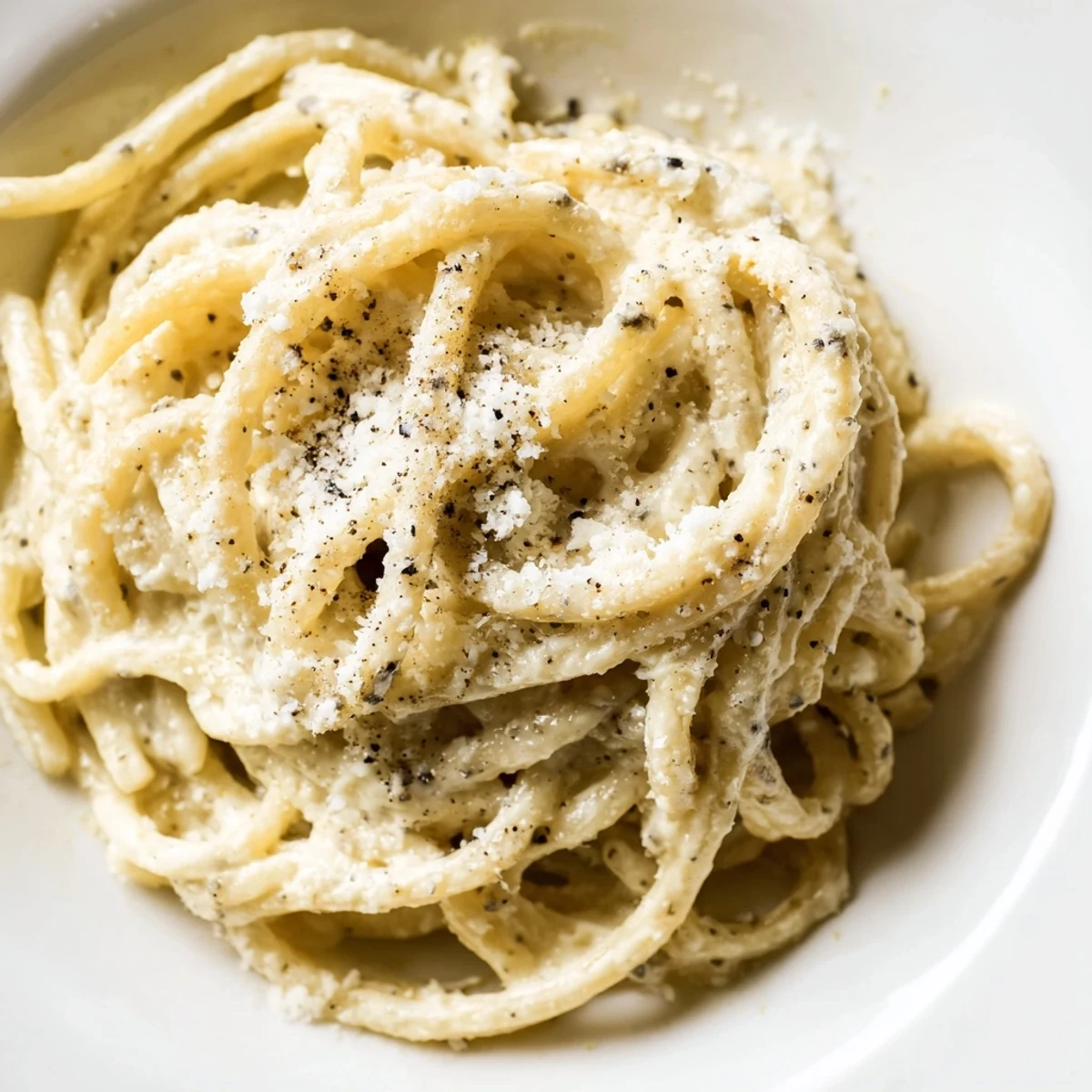
Save Create an authentic Roman classic with just spaghetti, Pecorino Romano, and freshly ground black pepper. The secret lies in emulsifying the cheese with hot pasta water to achieve that signature silky coating. Toast the pepper first to release its aromatic oils, then blend with grated Pecorino and starchy water for a creamy sauce that clings perfectly to each strand. This vegetarian dish comes together in 25 minutes and serves two people generously.
The first time I attempted Cacio e Pepe in my tiny apartment kitchen, I ended up with a clumpy, separated mess that looked nothing like the glossy, silky pasta I'd enjoyed in Rome. I stood there staring at my disappointment, wondering how something with only three ingredients could go so wrong. After some research and many attempts later, I finally learned the crucial technique of tempering the cheese with hot pasta water before incorporating it. Now this dish has become my go-to comfort meal that feels luxurious despite its simplicity.
Last winter, during a particularly miserable week when I was fighting off a cold, this pasta became my nightly ritual. There's something deeply healing about the sharp bite of pepper and the salty richness of Pecorino that feels like a warm embrace. My neighbor actually knocked on my door one evening, following the incredible aroma of toasted pepper through the building hallway. We ended up sharing the batch right there in my doorway, standing in our socks while the snow fell outside.
Ingredients
- Spaghetti or tonnarelli: The traditional choice, but any long pasta works beautifully as it captures the creamy sauce in every strand
- Pecorino Romano cheese: This aged sheep's cheese is absolutely non-negotiable for authentic flavor and that perfect melt factor
- Freshly ground black pepper: Freshly toasted and ground makes all the difference between a dish with character and one that's merely peppery
- Pasta water: The liquid gold that binds everything together, so never skip reserving it before draining
Instructions
- Toast your pepper:
- Add the peppercorns to a dry skillet over medium heat, shaking constantly until they become incredibly fragrant and the kitchen fills with that distinctive spicy warmth, about one full minute.
- Boil your water:
- Bring your liter of water to a rolling boil and add your salt before dropping in the pasta, stirring occasionally to prevent sticking.
- Create the cheese base:
- While the pasta cooks, whisk your grated Pecorino with a few tablespoons of hot pasta water until it forms a smooth, thick paste that's the consistency of room-temperature butter.
- Build the sauce foundation:
- Add half a cup of starchy pasta water to your toasted pepper in the skillet and let it simmer gently while you wait for the pasta.
- Combine and emulsify:
- Transfer your cooked pasta directly into the pepper water, toss vigorously off the heat, then gradually work in that cheese paste, adding more pasta water as needed until everything transforms into a glossy, silky coating.
 Save
Save This recipe became my signature dish during a particularly memorable summer when my friend group started having weekly pasta nights. Everyone would bring wine while I stood over the stove, perfecting my pepper-toasting technique and getting the sauce consistency just right. There's something about standing in a warm kitchen, surrounded by laughter and the incredible aroma of toasted pepper, that makes this pasta taste even better than it already does.
Mastering the Cheese Sauce
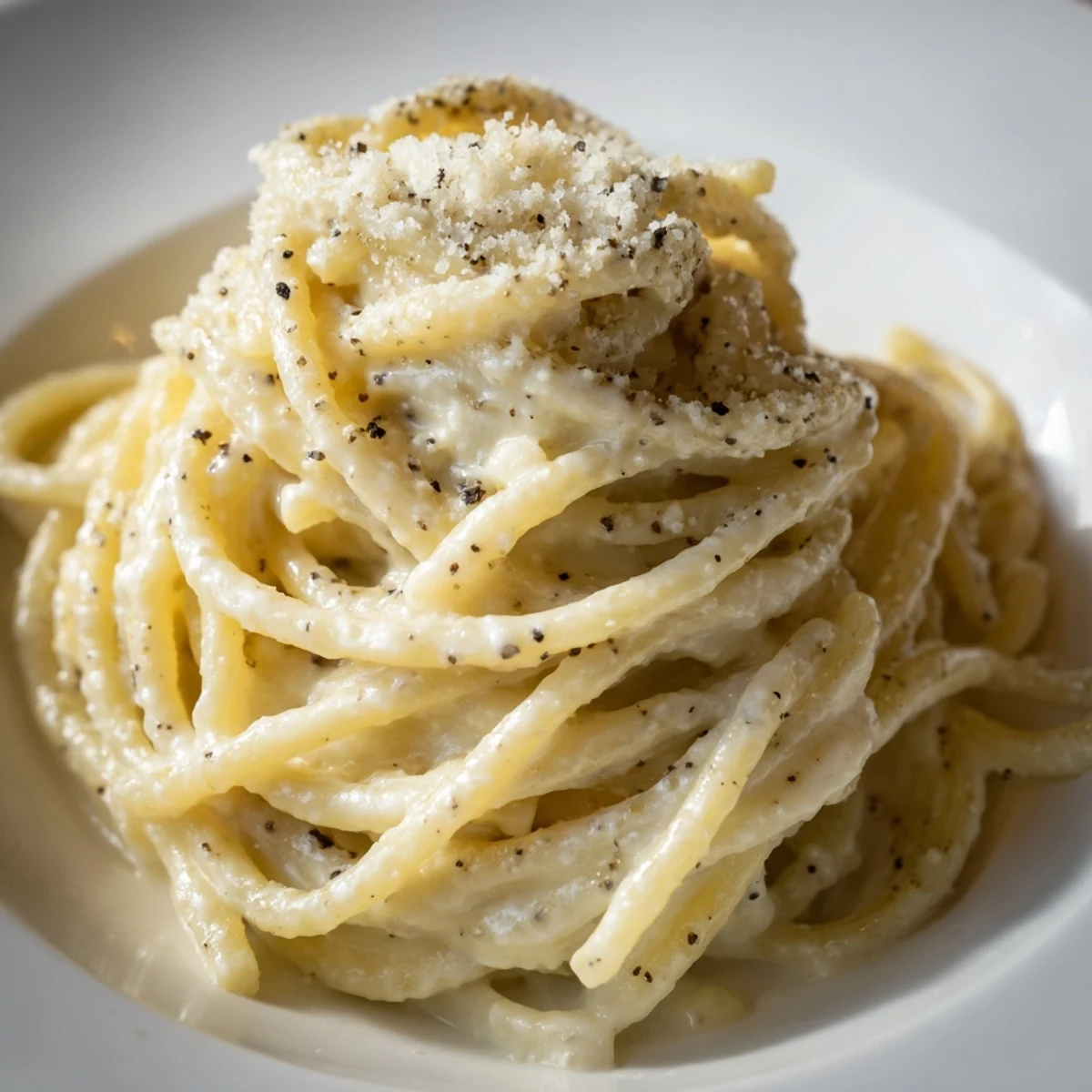
The biggest mistake I made for years was trying to melt the cheese directly into the pasta without creating the paste first. Now I know that tempering the Pecorino with hot starchy water before it ever touches the pasta is what makes the sauce silk-smooth rather than grainy. It takes about two extra minutes but makes all the difference between a good pasta and an unforgettable one.
Choosing Your Pasta Shape
While spaghetti is classic and perfectly acceptable, I've discovered that tonnarelli or even thick bucatini hold the sauce even better due to their rougher texture. The slightly thicker strands also provide a more substantial bite that stands up beautifully to the sharp pepper and salty cheese. Any long pasta will work, but choosing one with some texture to grab onto that sauce is worth the extra effort to find.
Timing Is Everything
I've learned to have everything mise en place before I even drop the pasta in the water, because the final assembly happens in a blur of activity. Your cheese paste should be ready and waiting, your pepper already toasted, and your pasta water measured out. Once that pasta is al dente, you need to move fast and with confidence while everything is still piping hot.
- Grate your cheese immediately before cooking, as pre-grated cheese contains anti-caking agents that prevent proper melting
- Use a box grater rather than a microplane to get slightly larger flakes that melt more smoothly
- Always keep extra pasta water at the ready, even if you think you have enough
 Save
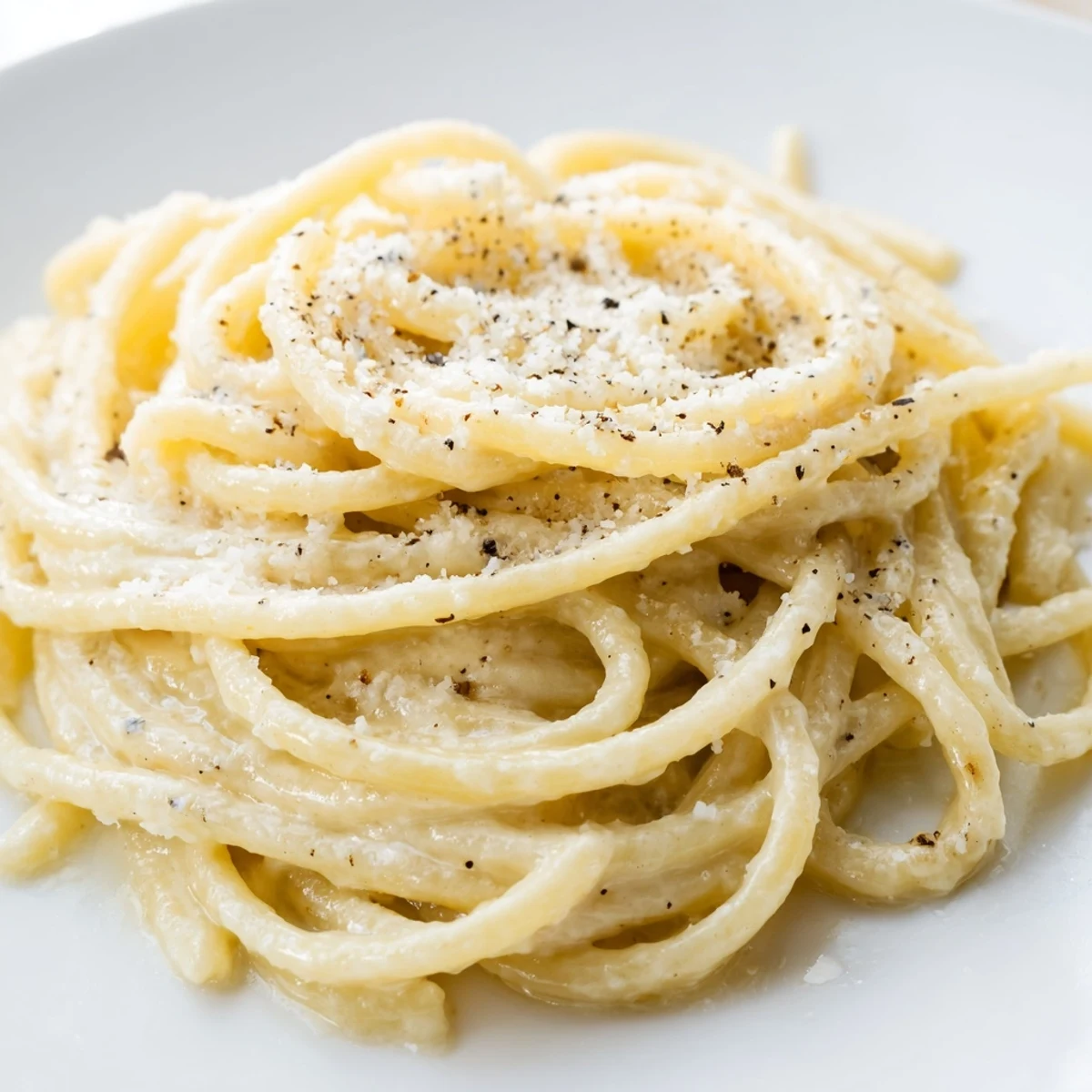
Save There's a profound satisfaction in mastering a dish that relies entirely on technique rather than complex ingredients or fancy equipment. This pasta taught me that sometimes the most luxurious things in life are the simplest, executed with care and attention to detail.
Recipe FAQ
- → Why does my cheese sauce sometimes turn clumpy?
-
The cheese can seize if the pasta water is too hot or added too quickly. Always temper the Pecorino by first mixing it with a few tablespoons of warm starchy water to form a paste before incorporating it into the skillet.
- → Can I use Parmesan instead of Pecorino Romano?
-
While Parmesan works, it won't provide the authentic sharp, salty flavor that defines this dish. Pecorino Romano's sheep milk creates the traditional taste profile Romans have perfected for centuries.
- → Why is there so little water for boiling the pasta?
-
Using less water creates a starchier cooking liquid, which is essential for emulsifying the cheese into a creamy sauce. The concentrated starch helps bind the Pecorino and pepper into that signature coating.
- → What pasta shapes work best?
-
Spaghetti, tonnarelli, or bucatini are traditional choices. Long, thin strands provide maximum surface area for the sauce to cling. Avoid short shapes as they won't capture the creamy coating as effectively.
- → How much pepper should I use?
-
Two teaspoons creates a robust kick, but pepper preferences vary. Start with one teaspoon, taste after tossing with the cheese sauce, then add more until it reaches your desired warmth.
- → Can I make this ahead of time?
-
This dish is best served immediately as the sauce can separate upon reheating. If needed, prepare ingredients beforehand and cook just before serving for the creamiest results.