
 Save
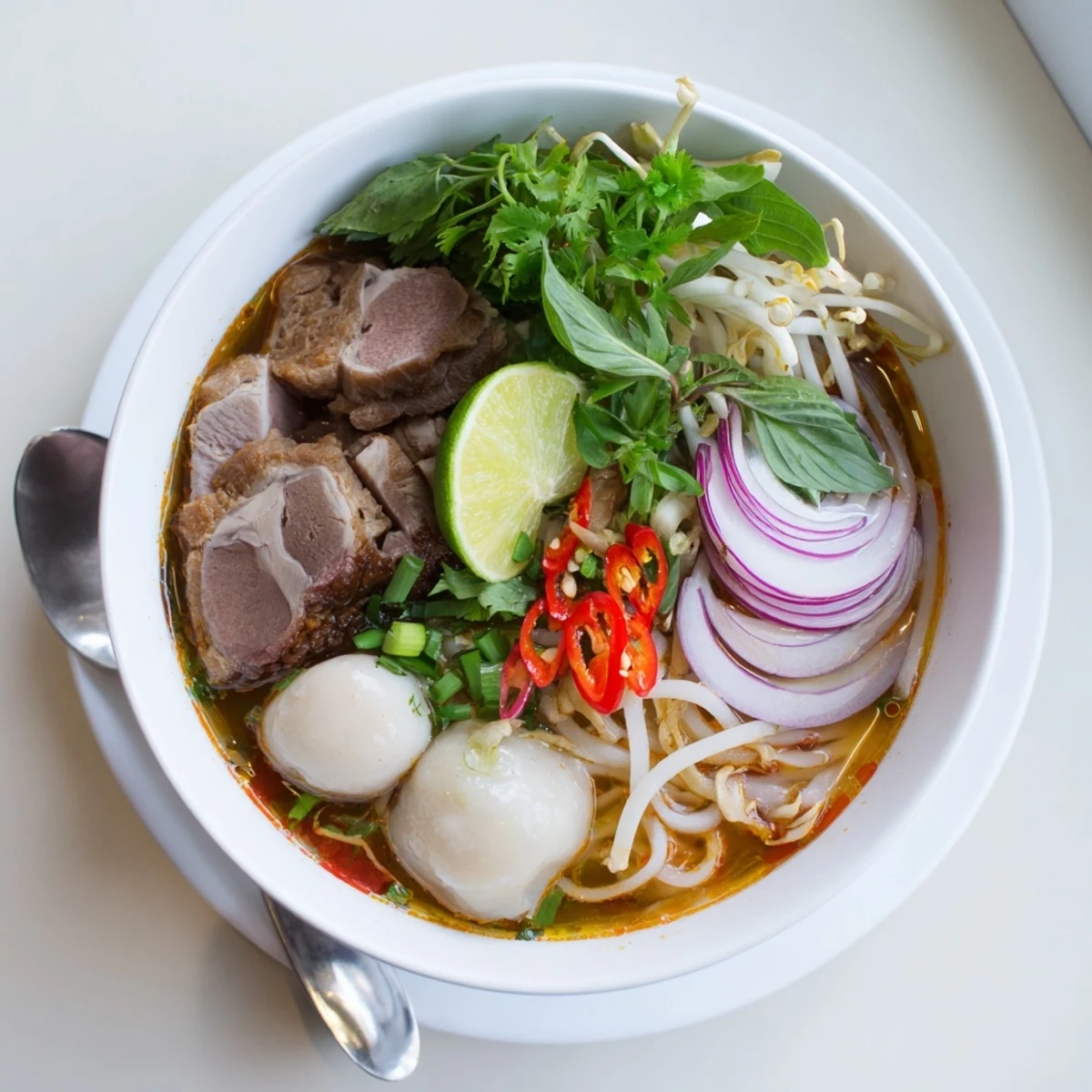
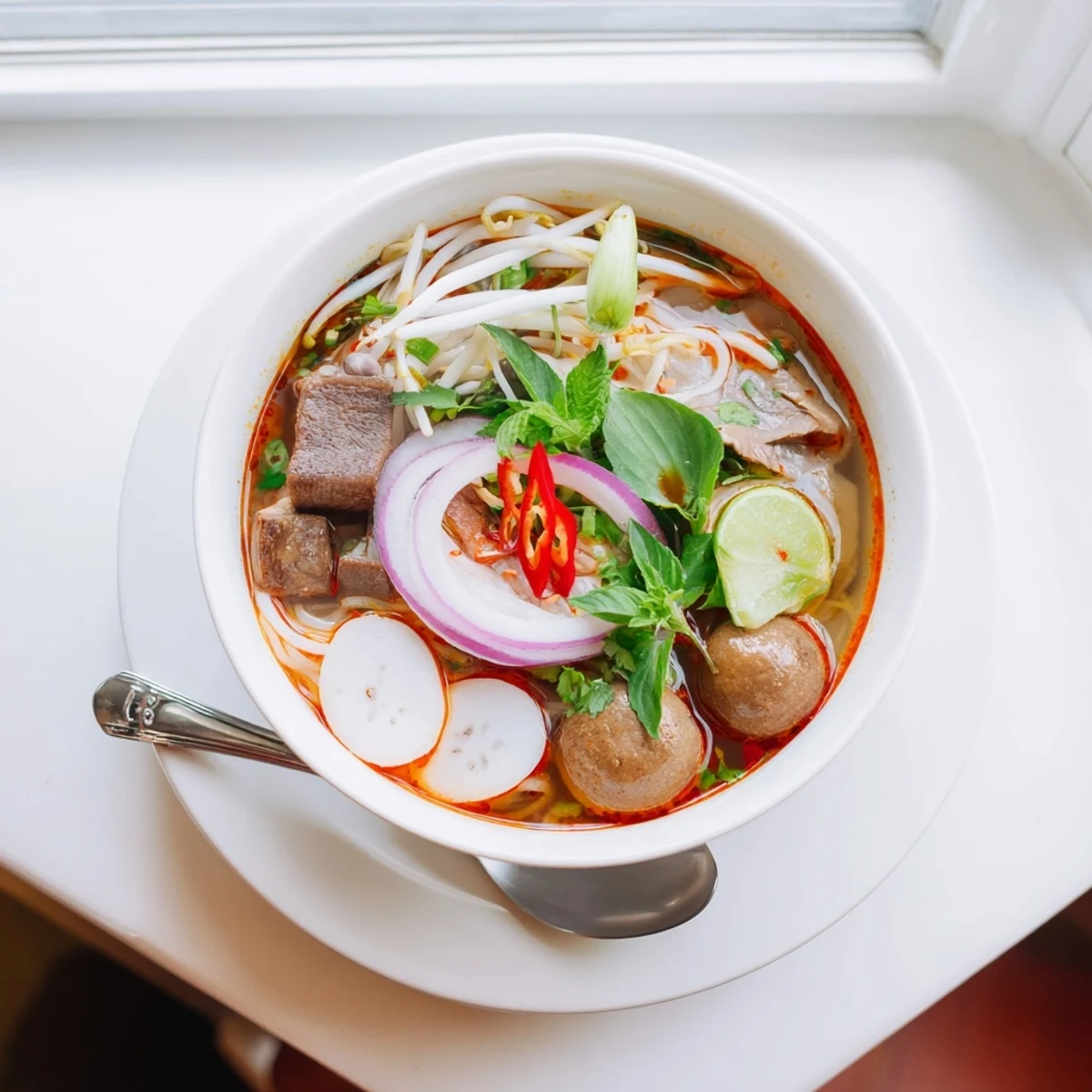
Save This signature Hue specialty delivers an unforgettable experience with its fiery lemongrass-infused broth, tender beef shank, pork hock, and signature thick round rice noodles. The complex depth comes from simmering aromatics including shrimp paste, rock sugar, and charred vegetables. Each bowl gets elevated by the vibrant chili oil creating that distinctive ruby-red hue. The traditional assembly includes sliced proteins, blood cubes, Vietnamese sausage, and an array of fresh garnishes like banana blossom, herbs, bean sprouts, and lime wedges. The result balances spicy, savory, sweet, and tangy notes in perfect harmony.
The steam rising from that first bowl of Bún Bò Huế in a tiny Hue kitchen still haunts me in the best way. My aunt stood over a simmering pot for three hours that morning, insisting patience was the only secret worth learning. When she finally slid that ceramic bowl across the worn wooden table, the lemongrass hit me first, then the slow burn of chili oil swirling on top. I took one sip and understood why this soup defines an entire region of Vietnam.
Last winter, I made a triple batch for my apartment full of friends who claimed they did not do spicy food. Within minutes, the kitchen was silent except for slurping sounds and requests for more chili oil. Watching people discover something new while breaking a honest sweat is exactly what cooking should be about.
Ingredients
- Beef shank (bone-in): The marrow and collagen create that rich body that makes restaurant broth so memorable
- Pork hock: Adds a subtle sweetness and depth that beef alone cannot provide
- Lemongrass: Bruise the stalks with the back of your knife to release those essential oils
- Shrimp paste: This funky ingredient is nonnegotiable for authentic Hue flavor
- Thick rice noodles: Look for the round bun bo Hue noodles specifically, thinner ones will turn mushy
- Annatto seeds: They lend that characteristic redorange tint without adding much flavor
- Cha lua: Vietnamese pork sausage adds a welcome textural contrast to the tender meats
Instructions
- Build your broth foundation:
- Bring the beef shank and pork hock to a rolling boil in water for 5 minutes then drain and rinse everything thoroughly. This step removes impurities that would cloud your final broth. Refill with fresh water and add your aromatics.
- Let it simmer slowly:
- Skim any foam that rises to the surface during the first 20 minutes of simmering. Add your seasonings and maintain a gentle bubble for 2 full hours until the meat offers no resistance.
- Create the magic chili oil:
- Infuse your vegetable oil with annatto seeds until they release their crimson color. Cook the shallots and garlic until they turn golden, then stir in those chili flakes just until fragrant.
- Prep your proteins:
- Cook the noodles according to package directions and divide among bowls. Slice your cooked meats into thin, biteable pieces that will be easy to eat with chopsticks.
- Bring it all together:
- Ladle that piping hot broth directly over the arranged meats and noodles. Drizzle with your homemade chili oil and let everyone customize their own garnishes at the table.
 Save
Save My roommate walked in at midnight while I was testing this recipe and immediately demanded a bowl despite being half asleep. She texted me the next morning asking if there was any left, which might be the highest compliment a soup can receive.
Getting The Right Spice Balance
Start with less chili oil than you think you need, especially if you are serving people who are sensitive to heat. Everyone can always add more at the table, but you cannot take it back once it is in the broth. The beauty of this dish is how customizable the final bowl can be.
Noodle Selection Matters
I once tried using regular vermicelli noodles because that was what my grocery store carried. They dissolved into a disappointing mush within minutes and completely changed the eating experience. Thick round noodles are worth seeking out at an Asian market or ordering online.
The Assembly Line Technique
Set up your garnishes in small bowls before you start assembling so the process moves smoothly. Hot broth waits for no one.
- Have lime wedges pre-cut so guests can adjust acidity immediately
- Keep bean sprouts ice-cold until the moment they hit the bowl
- Offer extra fish sauce on the side for those who love it funky
 Save
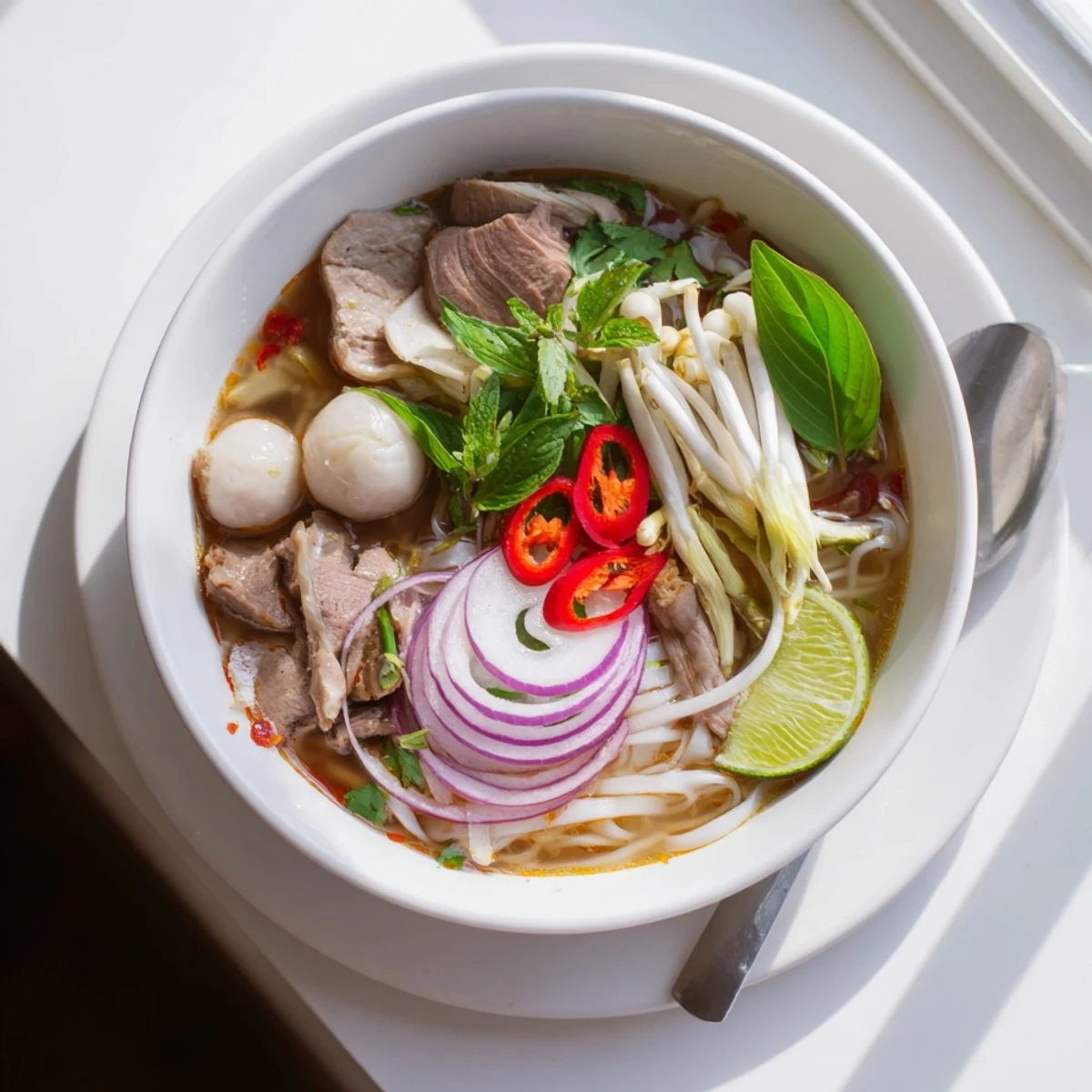
Save This soup has a way of turning a regular Tuesday into something worth remembering. Gather your people and ladle deep.
Recipe FAQ
- → What makes Bun Bo Hue different from pho?
-
Bun Bo Hue originates from central Vietnam and features a spicier broth with lemongrass and shrimp paste, while pho uses a milder aromatic broth with star anise and cinnamon. The noodles are thicker and rounder compared to pho's flat rice noodles.
- → Is the shrimp paste essential for the broth?
-
Shrimp paste (mam ruoc) provides the signature depth and umami that defines authentic Hue-style broth. While it has a strong aroma initially, cooking mellows it significantly. Substitute with extra fish sauce if unavailable, though the flavor profile will change.
- → Can I make this less spicy?
-
Certainly. Reduce or omit the chili flakes in the aromatic oil, and serve sliced chilies on the side. The lemongrass and aromatics provide plenty of flavor without the heat. Adjust gradually while tasting.
- → What cut of beef works best?
-
Beef shank with bone is traditional, as it contributes both rich marrow flavor to the broth and tender meat for serving. Brisket or flank can supplement or replace shank, though the broth benefits from bone-in cuts for depth.
- → Why does the broth need rock sugar?
-
Rock sugar dissolves slowly, providing a rounded sweetness that balances the savory fish sauce, salty shrimp paste, and spicy elements without the sharp sweetness of regular sugar. It helps achieve the complex flavor profile characteristic of Hue cuisine.
- → Can I skip the pork blood cubes?
-
Absolutely. While traditional, blood cubes remain optional and many home versions omit them. The dish remains delicious and satisfying with just the beef, pork hock, and sausage proteins.