
 Save
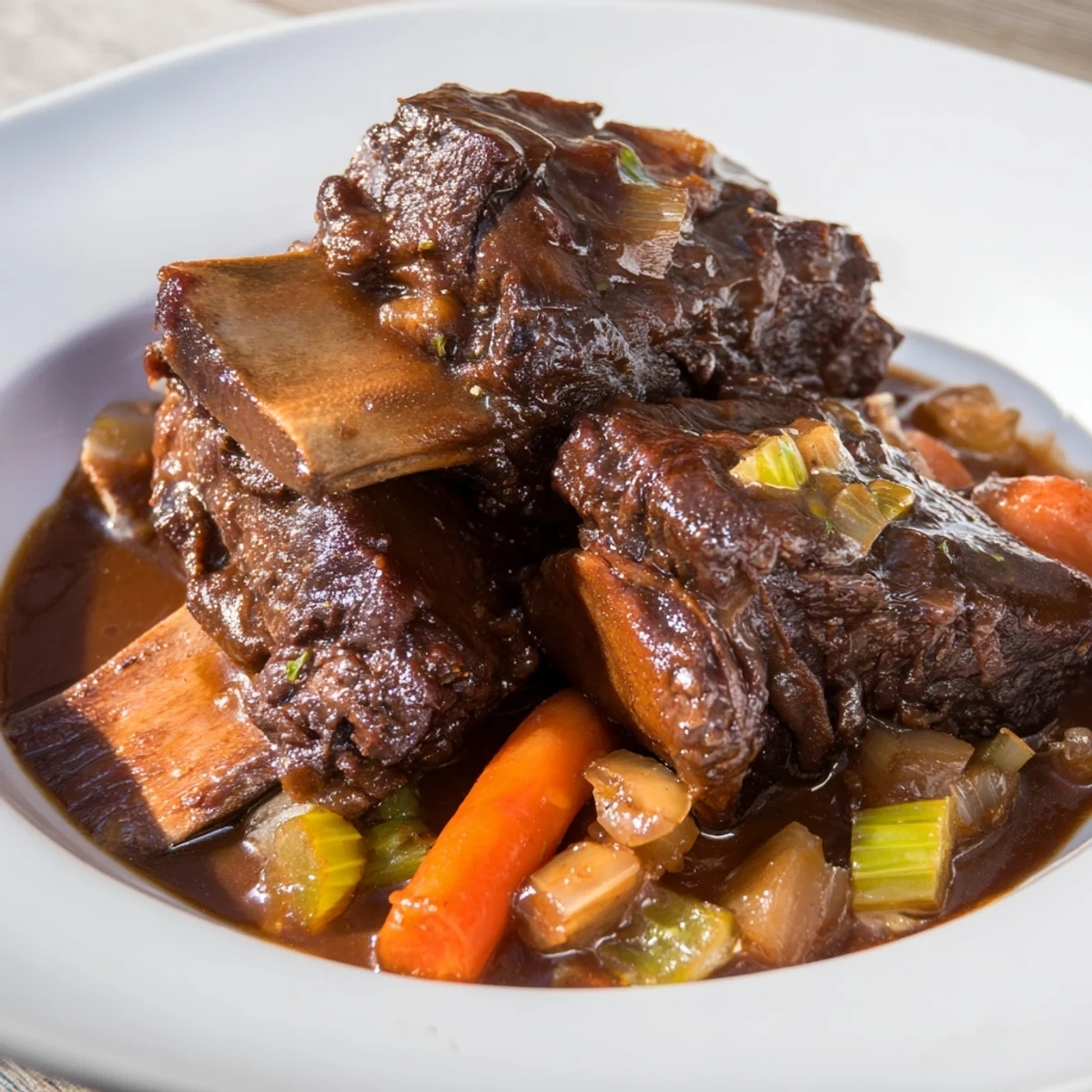
Save Experience deeply tender beef ribs gently simmered in a robust sauce enriched with red wine, tomato paste, and fresh herbs. The process begins by searing the ribs to develop rich flavors, followed by slow cooking alongside aromatic vegetables like carrots, celery, and onions. This slow braising melds the ingredients, creating a luscious, fall-off-the-bone texture perfect for a comforting meal. Serve with creamy sides for a fulfilling experience.
The smell hit me before I even opened the oven door, a deep wave of wine and thyme that made my neighbor knock and ask what I was making. I had picked up short ribs on a whim that Saturday, drawn to their marbled promise but unsure how to coax out their best. Two and a half hours later, I understood why my grandmother always said the slowest dishes teach you the most patience.
I made this for my brother's birthday once, and he still brings it up every year. He arrived skeptical, claiming he didn't like braised anything, but went quiet after the first bite. By the end of the night, he was using bread to chase every last trace of sauce from his plate, and I knew I'd won him over completely.
Ingredients
- Beef short ribs, bone-in: The bone adds flavor and body to the sauce, and the marbling ensures the meat stays juicy through the long braise.
- Carrots, celery, onion: This aromatic trio builds a savory foundation and sweetens as it cooks down into the sauce.
- Garlic cloves, minced: Fresh garlic blooms beautifully in the hot oil and weaves itself into every layer of flavor.
- Beef broth: Choose a good-quality broth since it becomes the backbone of your sauce.
- Dry red wine: It adds acidity and depth, and as it reduces, it concentrates into something almost velvety.
- Tomato paste: Just two tablespoons deepen the color and add a subtle umami richness.
- Fresh thyme and rosemary: Whole sprigs release their oils slowly, infusing the braise without overpowering it.
- Bay leaves: They lend a quiet, herbal backbone that you'd miss if they weren't there.
- Black pepper and salt: Season generously at the start so the ribs develop a flavorful crust when seared.
- Olive oil: A high smoke point fat that won't burn when you're browning the meat over high heat.
Instructions
- Preheat and prep:
- Set your oven to 160°C so it's ready when you need it. Pat the ribs completely dry with paper towels, then season them all over with salt and pepper.
- Sear the ribs:
- Heat olive oil in your Dutch oven over medium-high until it shimmers. Brown the ribs in batches, turning every few minutes until each side is deeply golden, then set them aside on a plate.
- Build the base:
- Lower the heat slightly and add the onion, carrots, and celery to the same pot. Stir occasionally for about five minutes until they soften and pick up color from the fond.
- Add garlic and tomato paste:
- Toss in the minced garlic and stir for a minute until fragrant. Stir in the tomato paste and let it cook for another minute, darkening slightly.
- Deglaze with wine:
- Pour in the red wine and scrape up all the browned bits stuck to the bottom. Let it bubble and reduce for three to four minutes.
- Add broth and herbs:
- Pour in the beef broth, then nestle in the thyme, rosemary, and bay leaves. Return the ribs to the pot, pushing them down so they're mostly covered by liquid.
- Braise in the oven:
- Bring everything to a gentle simmer on the stovetop, then cover tightly and slide it into the oven. Let it braise undisturbed for two to two and a half hours until the meat yields easily to a fork.
- Finish the sauce:
- Carefully remove the ribs and vegetables to a platter. Fish out and discard the herb sprigs and bay leaves, skim off any excess fat, then simmer the sauce uncovered on the stovetop for ten minutes to thicken it up.
- Serve:
- Spoon the rich, glossy sauce over the ribs and vegetables. Serve immediately while everything is steaming hot.
 Save
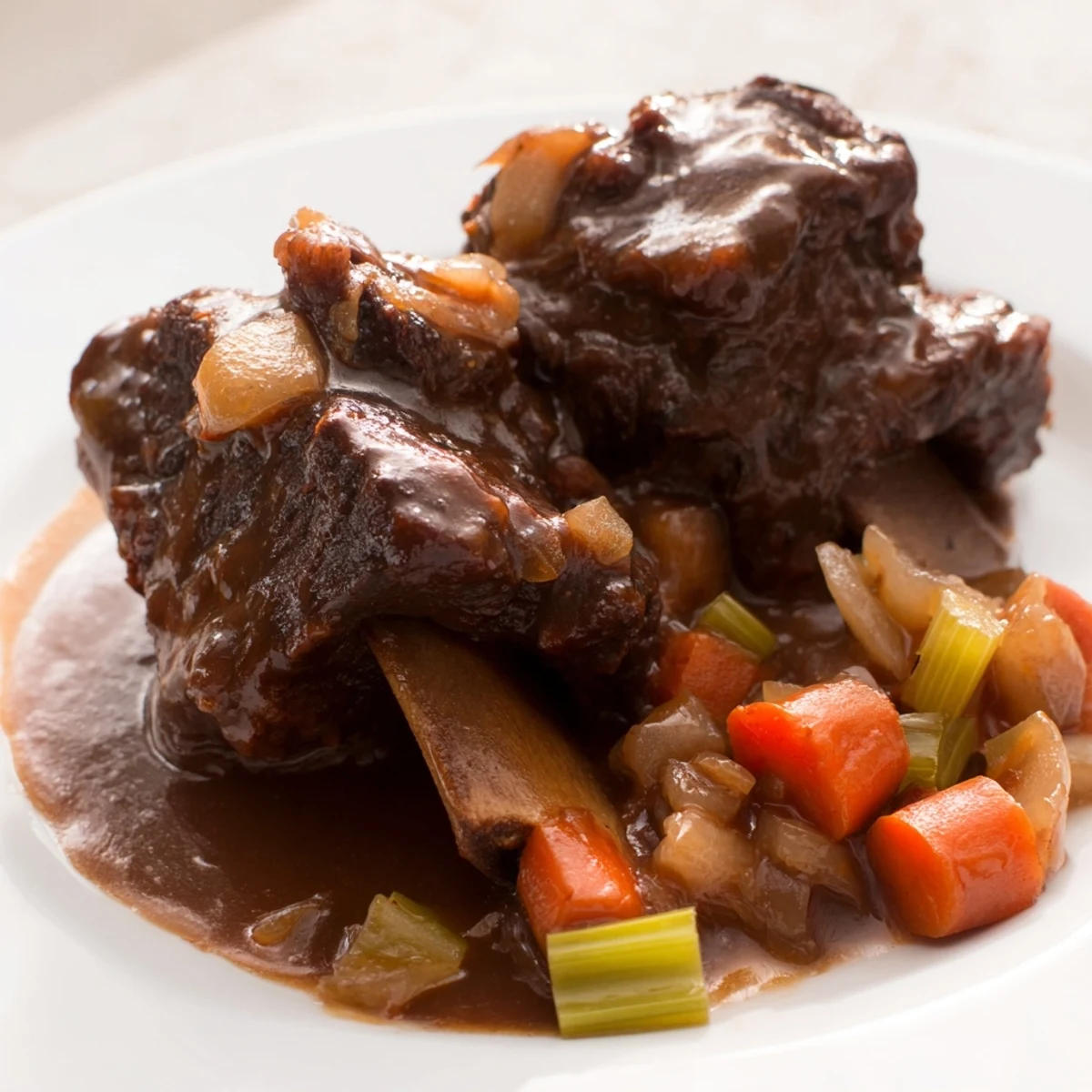
Save There's a moment, just after you pull the lid off and see the ribs practically falling apart in that dark, shimmering sauce, when you realize this dish has transformed into something greater than the sum of its parts. It's the kind of meal that turns a regular dinner into a memory, the kind people ask you to make again and again.
Serving Suggestions
I've served these ribs over creamy polenta, next to buttery mashed potatoes, and alongside thick slices of crusty bread for mopping up sauce. Each pairing works beautifully, but my favorite is still a simple mound of soft polenta that soaks up every drop of that glossy, wine-dark gravy.
Make-Ahead and Storage
These ribs actually taste even better the next day after the flavors have had time to settle and marry. Let them cool completely, then store them in the fridge in their sauce for up to three days, or freeze for up to three months and reheat gently on the stovetop.
Variations and Substitutions
If you want to skip the wine, just use extra beef broth and add a splash of balsamic vinegar for acidity. I've also stirred in mushrooms with the vegetables for an earthier flavor, and once added a strip of orange peel during braising for a subtle citrus note that surprised everyone.
- Try adding 100g sliced mushrooms with the carrots and celery for extra umami.
- Swap red wine for additional beef broth plus one tablespoon balsamic vinegar if you prefer.
- For a hint of brightness, tuck in a wide strip of orange peel before covering and remove it before serving.
 Save
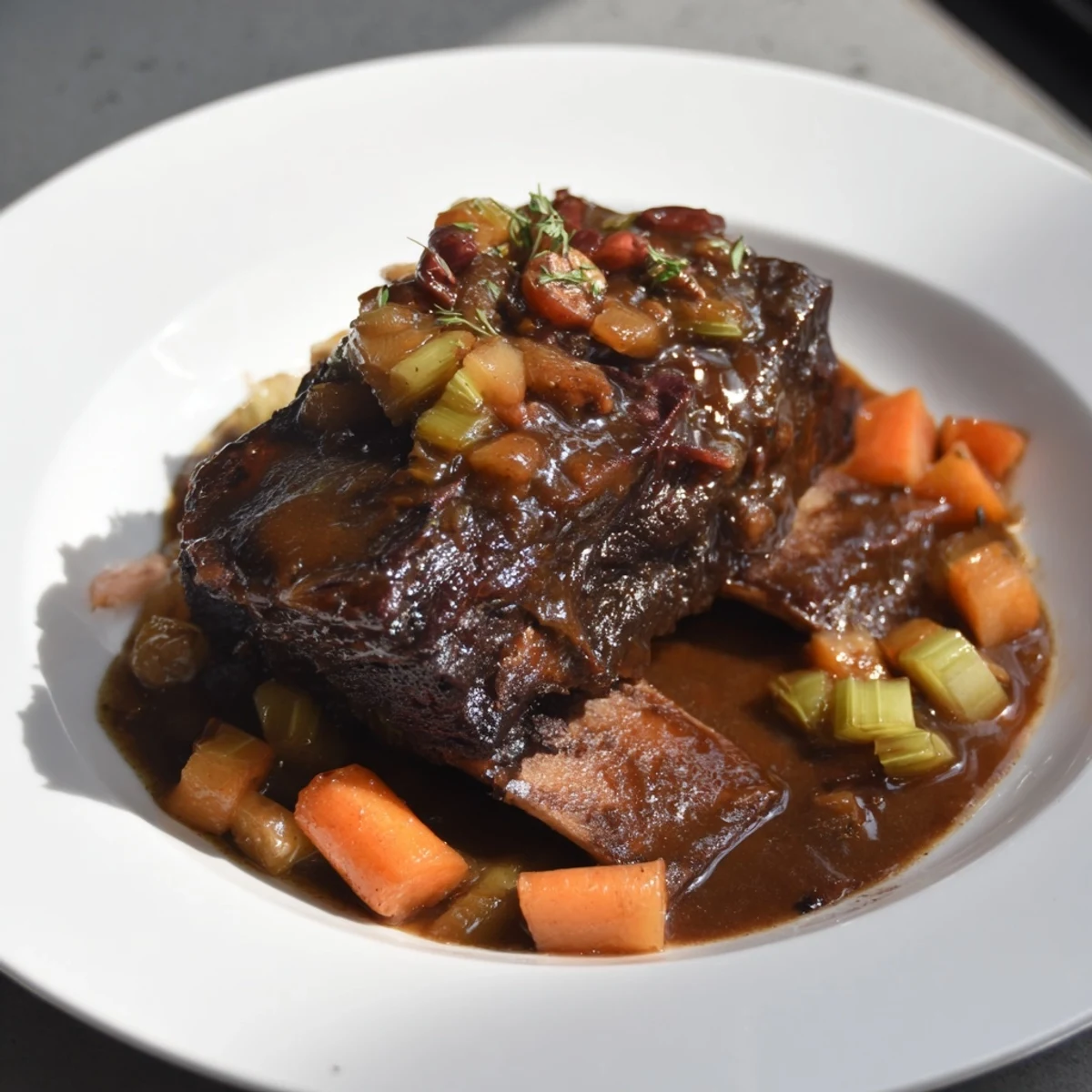
Save This is the kind of recipe that rewards your patience with something truly soul-satisfying. Make it once, and it'll become one of those dishes you return to whenever you want to feel like a hero in your own kitchen.
Recipe FAQ
- → What is the best cut of beef for this dish?
-
Bone-in short ribs are ideal due to their marbling and connective tissue, which break down during slow cooking to create tenderness and flavor.
- → Can I prepare this on the stovetop instead of the oven?
-
Yes, after browning the ribs and sautéing vegetables, simmer the dish covered on low heat for 2 to 2.5 hours to achieve similar tenderness.
- → How do the herbs influence the flavor?
-
Fresh thyme, rosemary, and bay leaves add aromatic earthiness and depth, complementing the richness of the beef and sauce.
- → Is it possible to omit the red wine?
-
Red wine adds acidity and complexity, but substituting with additional beef broth can yield a deliciously rich dish as well.
- → How should the sauce be finished after cooking?
-
Remove the ribs and herbs, then simmer the sauce uncovered to reduce and thicken, enhancing its concentration of flavors.