
 Save
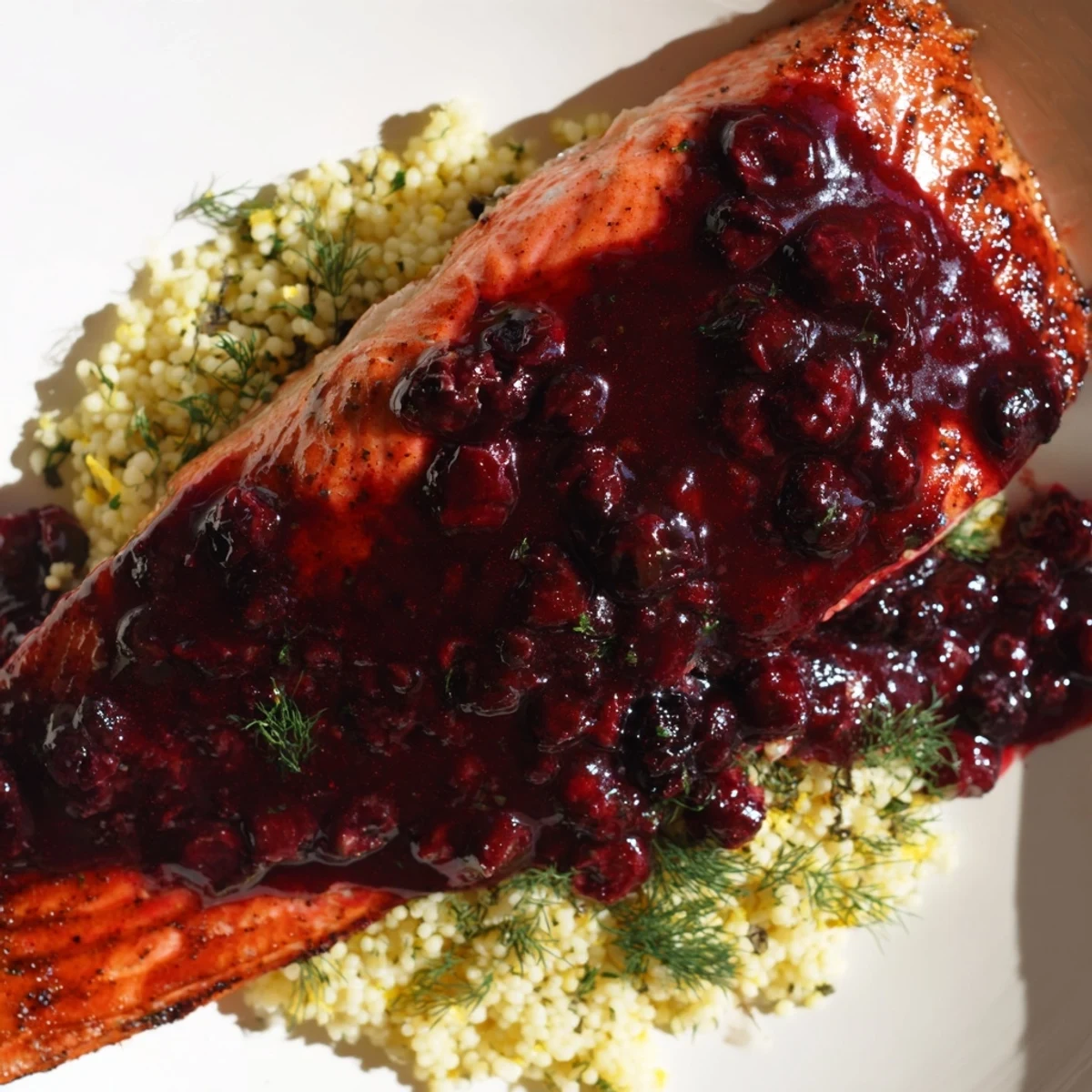
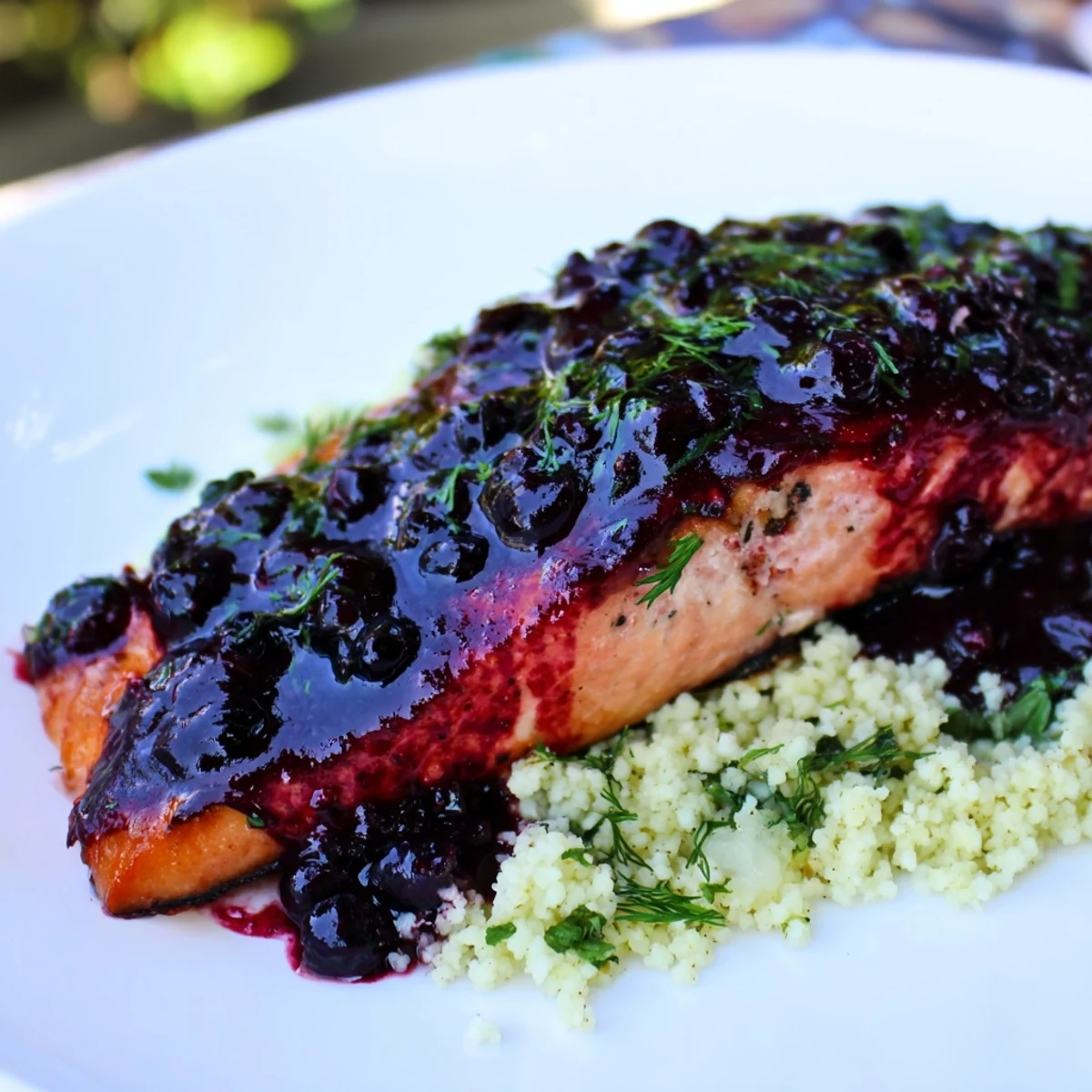
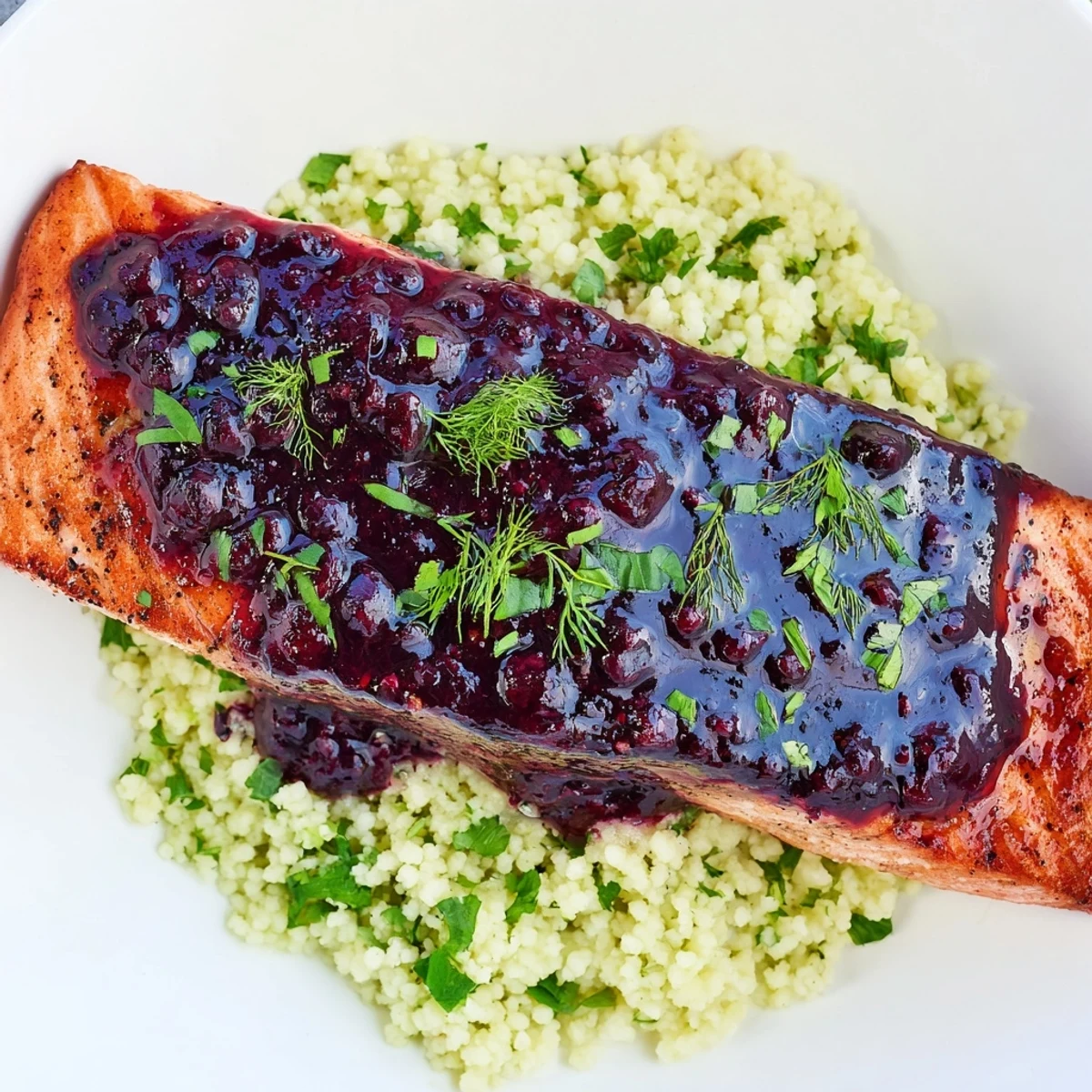
Save This dish features moist salmon fillets coated in a sweet and tangy blueberry glaze, baked to perfection. The salmon is complemented by fluffy couscous infused with fresh lemon zest, juice, and herbs like parsley and dill. The blueberry glaze combines fresh blueberries, honey, balsamic vinegar, and Dijon mustard simmered until thickened, offering vibrant color and flavor. The lemon herb couscous adds brightness and texture, making the dish a balanced, elegant option suitable for weeknight dinners or entertaining guests.
The first time I served this blueberry glazed salmon, my dinner guest actually paused mid-bite and asked what kind of restaurant sauce I'd used. Nothing beats that moment when someone thinks you ordered takeout instead of cooked from scratch. The combination of tart blueberries with rich, flaky salmon creates this sophisticated flavor profile that feels way more complicated than it actually is.
I originally made this for a summer dinner party when fresh blueberries were everywhere at the farmers market. Now it's become my go-to when I want to serve something that feels special without exhausting myself before guests arrive. The couscous soaks up all those gorgeous glaze drippings, which might actually be the best part.
Ingredients
- 1 cup fresh or frozen blueberries: Frozen works beautifully here since they'll break down anyway, but fresh gives you slightly brighter flavor
- 2 tablespoons balsamic vinegar: This adds depth and acidity that cuts through the salmon's richness
- 2 tablespoons honey: Balances the tart berries and helps the glaze cling to the fish
- 1 tablespoon lemon juice: Brightens everything and prevents the glaze from becoming cloyingly sweet
- 1 teaspoon Dijon mustard: The secret ingredient that adds subtle complexity and helps emulsify the glaze
- 4 salmon fillets (about 6 oz each): Skin-on or skin-off both work, but removing the skin lets the glaze penetrate better
- 1 tablespoon olive oil: For searing and creating that gorgeous golden crust
- 1 1/2 cups couscous: Quick-cooking and perfect for soaking up flavors
- 1 3/4 cups low-sodium vegetable broth: Infuses the couscous with savory depth
- Zest and juice of 1 lemon: Double lemon power makes the couscous sing
- 2 tablespoons fresh parsley: Adds fresh, herbal brightness and beautiful color contrast
- 1 tablespoon fresh dill: Optional but recommended for that delicate, almost floral flavor
Instructions
- Craft your blueberry glaze:
- Combine blueberries, balsamic vinegar, honey, lemon juice, Dijon mustard, salt, and pepper in a small saucepan. Let it simmer over medium heat, stirring occasionally, until those berries burst open and the sauce thickens into something gorgeous and spoonable, about 8 to 10 minutes.
- Sear to perfection:
- Preheat your oven to 400°F and pat those salmon fillets completely dry. Heat olive oil in an oven-safe skillet until it's shimmery and hot, then sear the salmon flesh-side down for 2 to 3 minutes until you've got a beautiful golden crust.
- Glaze and bake:
- Flip those fillets carefully, brush them generously with your blueberry creation, and slide the whole skillet into the oven. Bake for 8 to 10 minutes until the salmon flakes easily but still looks moist and gorgeous.
- Fluff the couscous:
- Bring vegetable broth and olive oil to a boil, stir in couscous, then cover and remove from heat. Let it steam for 5 minutes before fluffing with a fork and folding in lemon zest, juice, parsley, dill, salt, and pepper.
- Plate it beautifully:
- Mound that fragrant couscous onto plates, top with glazed salmon, and don't be shy about spooning extra glaze over everything. A few extra herbs and lemon wedges make it look absolutely restaurant-worthy.
 Save
Save This recipe transformed a random Wednesday dinner into something that felt like a tiny celebration. Sometimes the most unexpected flavor combinations end up being the ones you crave on repeat.
Making It Your Own
I've discovered that adding a pinch of red pepper flakes to the glaze creates this incredible warmth that sneaks up on you. The tiny bit of heat makes the blueberries pop even more.
Grain Swaps That Work
Quinoa adds extra protein and a slightly nuttier flavor, while brown rice gives you a heartier, more substantial base. Both take longer than couscous, so start them before the salmon.
Wine Pairing Magic
A crisp Sauvignon Blanc cuts through the richness while echoing the citrus notes. Something dry and acidic balances that sweet glaze beautifully.
- The glaze keeps for a week in the fridge and is incredible on grilled chicken too
- If your salmon is thicker than an inch, give it an extra 2 to 3 minutes in the oven
- Fresh herbs matter here so much more than dried ones ever could
 Save
Save There's something deeply satisfying about serving food that makes people pause and really pay attention to what they're eating. This salmon does that every single time.
Recipe FAQ
- → How is the blueberry glaze prepared?
-
Fresh or frozen blueberries are simmered with balsamic vinegar, honey, lemon juice, Dijon mustard, salt, and pepper until thickened, then mashed gently and strained if desired for a smooth finish.
- → What is the best way to cook the salmon?
-
Season the salmon fillets with salt and pepper, sear skinless side in olive oil until golden, brush with glaze, then finish baking in a preheated oven until flaky.
- → Can the couscous be substituted?
-
Yes, quinoa or brown rice can be used instead of couscous for gluten-free options, maintaining the lemon and herb flavor profile.
- → What herbs are used in the lemon couscous?
-
Chopped fresh parsley and dill are stirred into the couscous along with lemon zest and juice to add fresh, aromatic notes.
- → How can the glaze be made spicier?
-
Adding a pinch of red pepper flakes to the blueberry glaze while simmering will provide a subtle spicy kick.
- → What wine pairs well with the dish?
-
A crisp Sauvignon Blanc or dry Riesling complements the sweet and tangy glaze and fresh lemon flavors well.