
 Save
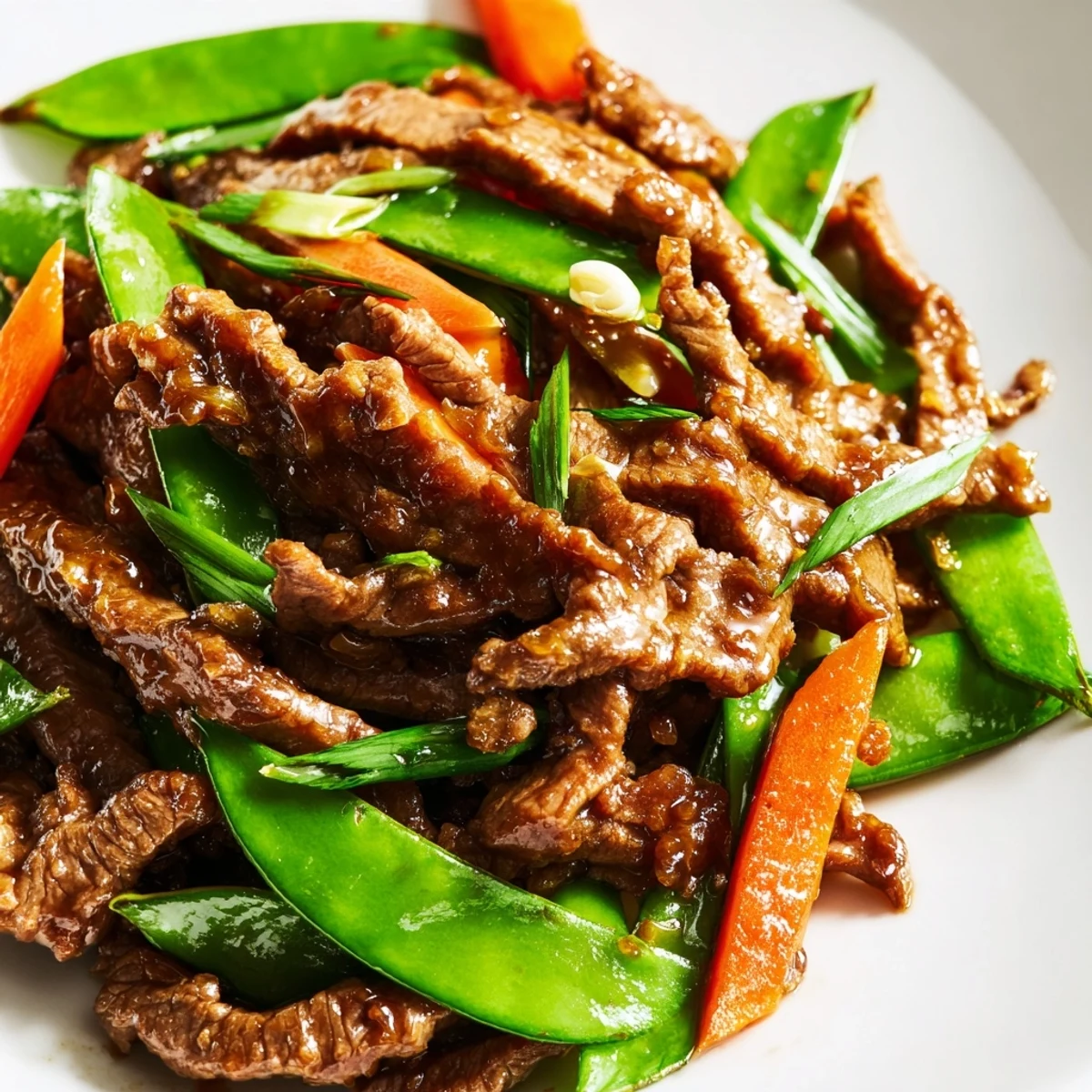
Save Slice beef against the grain and marinate for tenderness. Quickly stir-fry the meat until browned, then set aside. Toss aromatics like ginger and garlic in hot oil before adding carrots and snow peas. Return the beef to the pan, pour in a savory mixture of soy and oyster sauces, and cook until the liquid thickens. Serve this vibrant dish immediately over steamed rice for a flavorful weeknight meal.
There's a particular magic in the sound of a hot wok—that sharp sizzle when cold beef hits screaming oil, the way the kitchen fills with ginger steam in seconds. I stumbled into making this stir-fry during a rushed Tuesday night when I had exactly what was in my fridge and forty minutes before people arrived, which taught me that the best meals often come from constraints, not complicated plans. The beauty of it is how fast everything moves once you're ready, how the vegetables stay bright and snappy instead of turning into a sad, overcooked pile. Now it's my go-to when I want something that feels restaurant-quality but never demands more than a prep bowl and a good heat source.
I made this for my neighbor one night when she stopped by to borrow something and ended up staying for dinner, and I watched her expression shift from casual politeness to actual excitement when she tasted it. She kept saying she thought stir-fry had to be complicated or required some secret wok technique, and it was so satisfying to show her it really doesn't—just hot oil, good timing, and not overthinking it.
Ingredients
- Flank steak or sirloin, thinly sliced against the grain: Cutting against the grain sounds fussy but it's the actual secret to tender beef in a stir-fry; the fibers break up and cook faster, which also means the meat stays juicy instead of turning into rubber.
- Soy sauce: Use it in two places—the marinade tenderizes the beef while the sauce version builds flavor without extra salt overwhelming everything.
- Cornstarch: Acts like a tiny armor for the beef so it browns properly and stays moist, plus it thickens the sauce into something that clings instead of pooling at the bottom of the wok.
- Sesame oil: A little goes a long way; it's just there to add a whisper of richness and nuttiness that makes people ask what makes the beef taste so good.
- Snow peas and carrots: Choose peas that snap when you bend them and carrots that have some heft; if they feel limp, they'll just turn to mush the second they hit the heat.
- Fresh ginger and garlic: Mince these fine so they distribute evenly and bloom into the oil; there's nothing worse than biting into a big chunk of garlic in a stir-fry.
- Oyster sauce: Brings an umami depth that soy sauce alone can't quite hit, but if you're vegetarian or concerned about the shellfish thing, a splash of mushroom-based oyster sauce works just as well.
- Rice vinegar: Cuts through the richness and keeps the sauce from tasting one-note sweet; it's subtle but if you skip it, you'll notice.
- Vegetable oil: You need a high smoke point so the wok can actually get hot; olive oil will burn and taste bitter, which ruins everything.
Instructions
- Marinate the beef while you prep:
- Combine your sliced beef with soy sauce, cornstarch, and sesame oil in a bowl and let it sit for 10 minutes—this isn't a long marinate, just long enough for the cornstarch to create that protective coating and the soy to start softening the fibers. Set this aside and move on to everything else so you're not standing around waiting.
- Make your sauce the moment you have a free hand:
- Whisk all the sauce ingredients together in a small bowl until the cornstarch fully dissolves and there are no little lumps hiding at the bottom. Set it somewhere you can reach it fast once the wok gets going, because there won't be time to hunt for it.
- Get the wok screaming hot and sear the beef:
- Add 1 tablespoon of oil to your wok over high heat and wait until it shimmers like still water on a hot day—about a minute or so. The beef will sizzle aggressively when it hits the pan, which is exactly what you want; let it sit for maybe a minute before you start stirring so it actually browns instead of steaming.
- Cook the beef just until the outside is seared:
- Keep moving it around for 2-3 minutes total until the edges are golden and the center still gives a little when you press it. Pull it onto a clean plate because you're coming back for it, and the wok needs space for vegetables.
- Bloom the aromatics in fresh oil:
- Add your last tablespoon of oil, then immediately add the garlic, ginger, and spring onions—you'll smell it within 30 seconds, which is your signal that they've released their oils and you should move forward. Don't let them sit and brown or they'll turn bitter.
- Cook the carrots first because they take longest:
- Add them to the wok and keep stirring for about 2 minutes; they should start to soften at the edges but still have resistance when you bite one. If your carrots are super thick, slice them thinner because there's nothing worse than crunchy carrot in a stir-fry where everything else is tender.
- Add the snow peas and finish the vegetables:
- Toss them in and stir constantly for another 2 minutes—watch how they brighten in color, which is your signal they're done. The second they start to turn from bright green to dull, you've overcooked them, so err on the side of slightly snappy.
- Return the beef and pour in the sauce, then toss everything together:
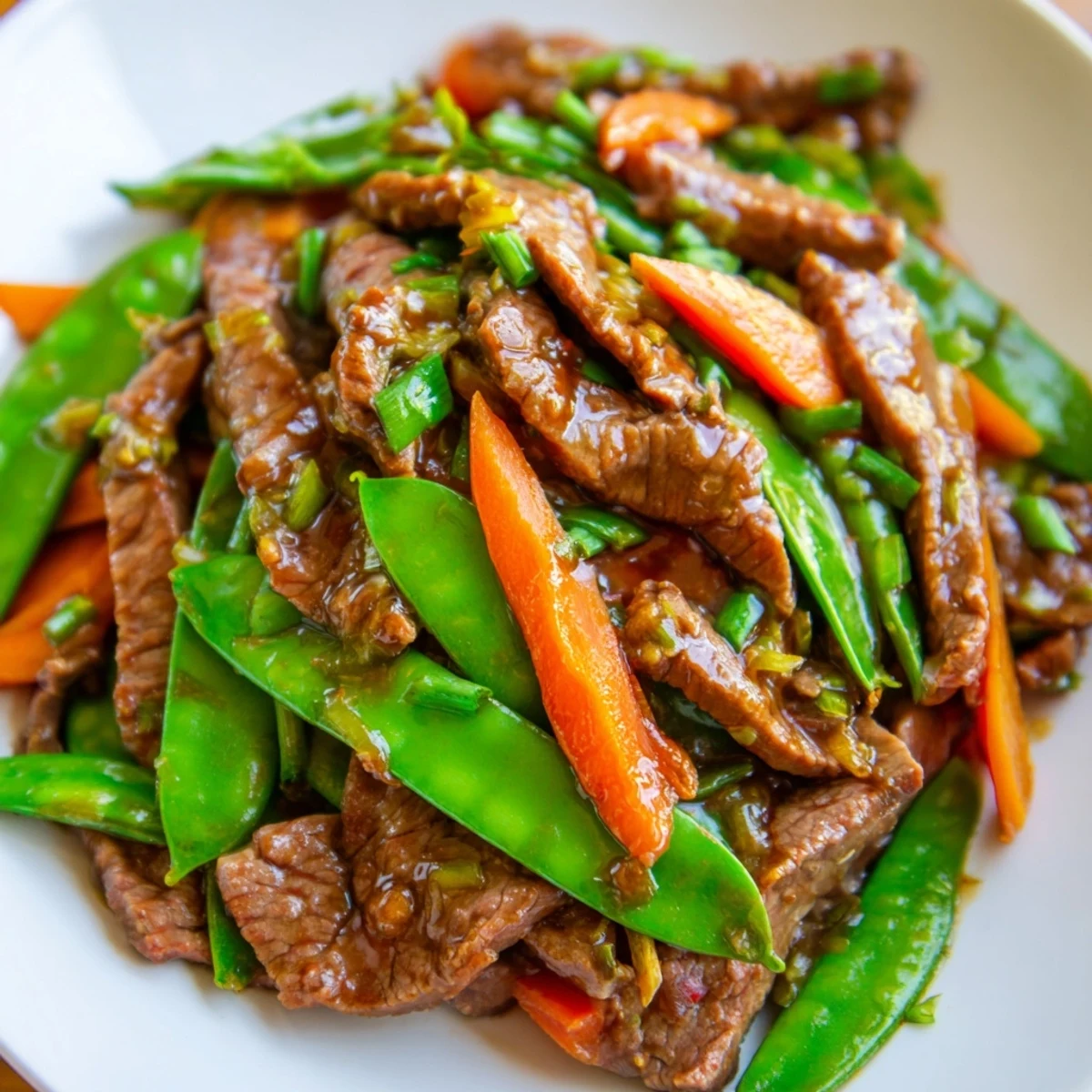
- Put the beef back into the wok, pour in your sauce, and keep stirring for about 1-2 minutes—you'll watch the liquid transform into something glossy and coating that clings to every piece. The cornstarch will do the work if you give it a minute; don't add more cornstarch thinking it needs help, because it'll turn into paste.
 Save
Save My dad made a version of this when I was home visiting last spring, and he kept apologizing because he didn't have oyster sauce and thought it would be ruined, but it was perfect—sometimes the dish is resilient enough to forgive what you don't have and reward you for working with what you do. That's stuck with me about this stir-fry; it's forgiving without being boring.
The Heat Is Everything
Home stoves are usually not as powerful as restaurant burners, which is honestly fine, but it means you have to respect the heat you do have and give it time to actually climb. Let your wok sit on the flame for a solid minute before you add oil; if the oil doesn't shimmer and move like liquid mercury, it's not hot enough yet, and adding food to lukewarm oil is how you end up with steamed beef instead of seared beef. The moment you add something cold to a hot wok, the temperature drops, so don't stress if you hear a quieter sizzle for the first few seconds—that's normal.
Slicing the Beef Like Someone Who Knows
The whole thing about slicing against the grain confused me for years until I realized grain is just the direction the muscle fibers run, and slicing perpendicular to them breaks them up into shorter pieces that cook faster and feel tender instead of chewy. If you're not sure which direction to slice, look at the raw steak and you'll see faint lines running across it—that's your grain, and you want your knife going the opposite direction. If you've already sliced it the wrong way, it's not a disaster, it just means you should keep the cooking time short.
What You Can Swap and Why It Matters
Chicken breast works beautifully if you slice it thin and don't overcook it, though it needs maybe 30 seconds longer than beef; tofu is a legitimate substitute if you press it first so it doesn't turn into mush, and actually absorbs the sauce better. Broccoli is a solid vegetable swap for snow peas if that's what's in your crisper drawer, and honestly most vegetables work as long as you cut them to roughly the same size so everything cooks at the same pace.
- If you want heat, add sliced fresh chili or a pinch of chili flakes when you bloom the garlic and ginger.
- Serve over steamed rice, noodles, or even cauliflower rice if you're doing that thing.
- Leftovers actually taste good cold the next day, which is a minor miracle for stir-fry.
 Save
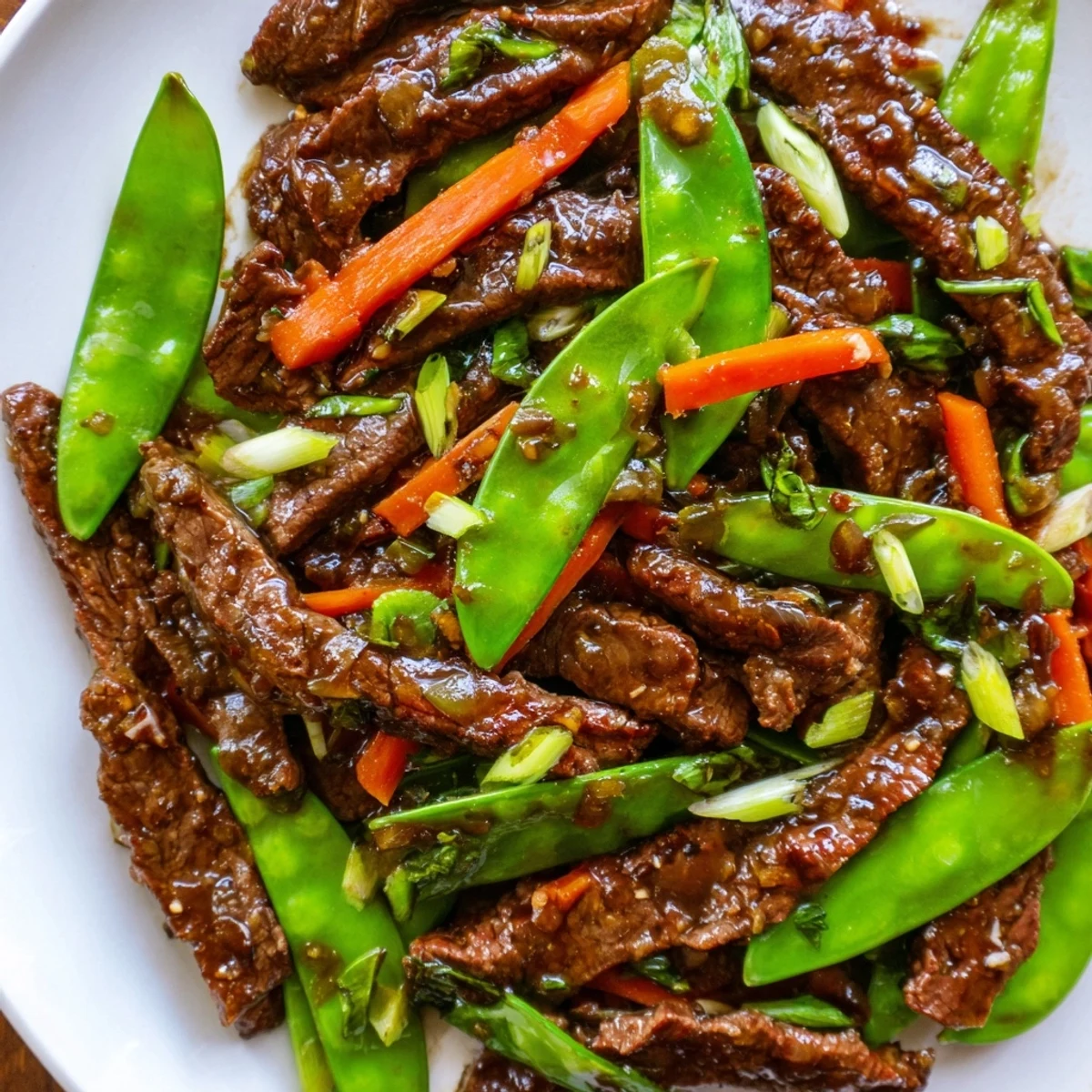
Save This stir-fry is the kind of thing that makes you feel capable in the kitchen without requiring you to be some kind of technique wizard. It's fast enough that it fits into real life, and good enough that you'll actually want to make it again.
Recipe FAQ
- → How do I slice the beef?
-
Slice the flank or sirloin steak thinly against the grain to ensure the meat remains tender after quick cooking.
- → Can I use other vegetables?
-
Yes, bell peppers, broccoli, or snap peas work well as substitutes for the carrots and snow peas in this dish.
- → What makes the sauce thick?
-
Cornstarch mixed into the sauce and used in the marinade helps create a glossy, thick coating that clings to the beef.
- → Is it spicy?
-
The base version is not spicy, but you can add sliced chili or flakes during cooking to increase the heat level.
- → Can I use chicken instead?
-
Absolutely, thinly sliced chicken breast or thighs can be used instead of beef with similar cooking times.