
 Save
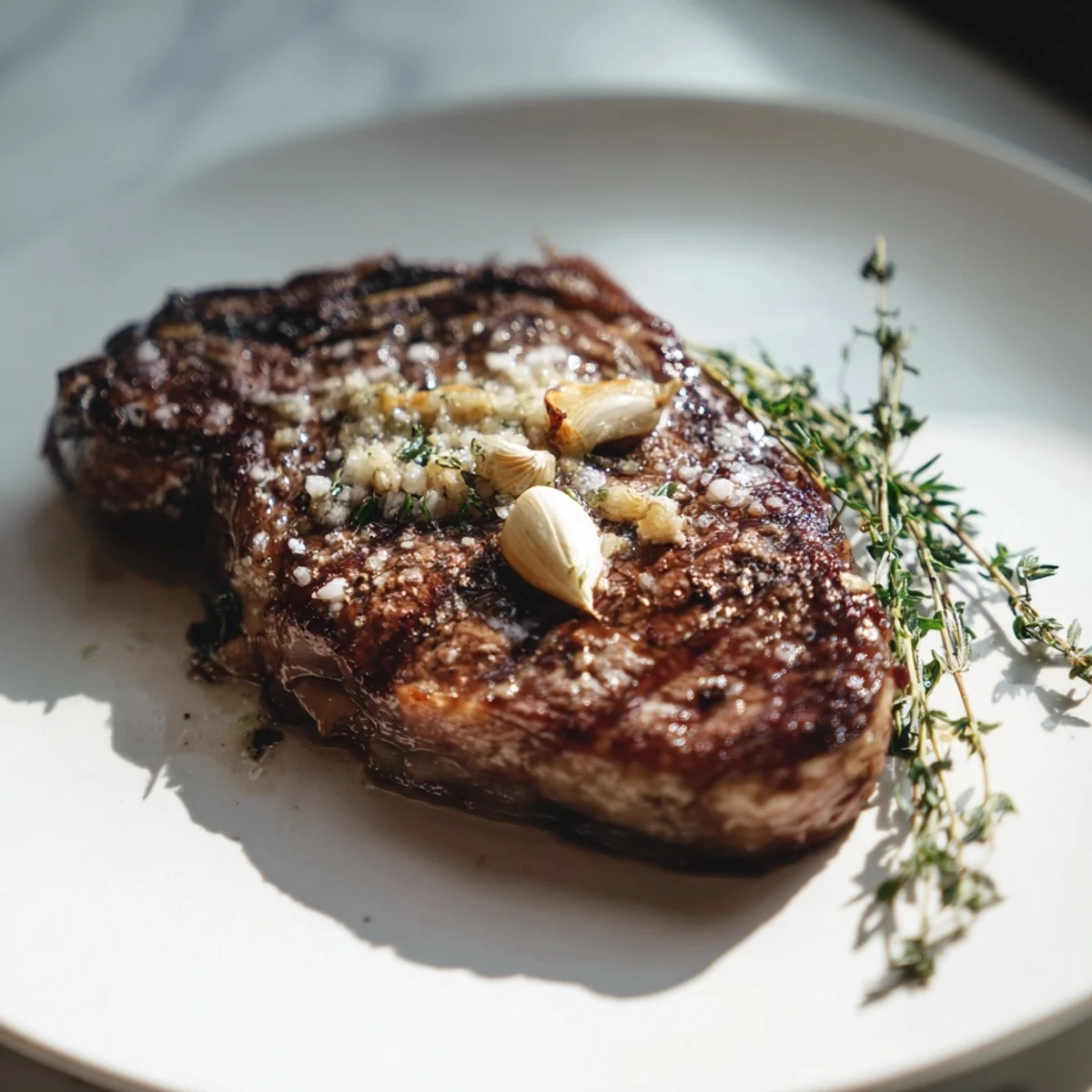
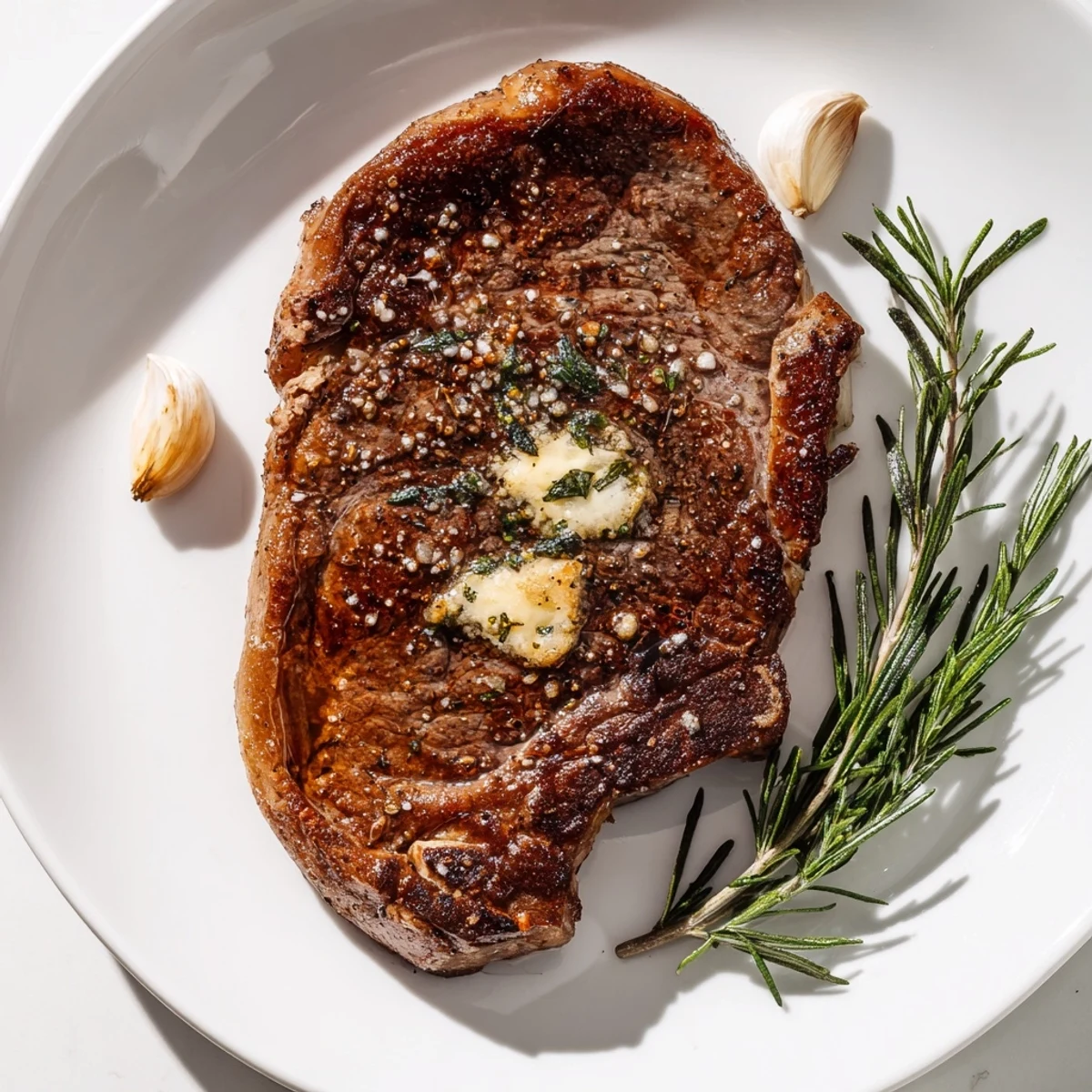
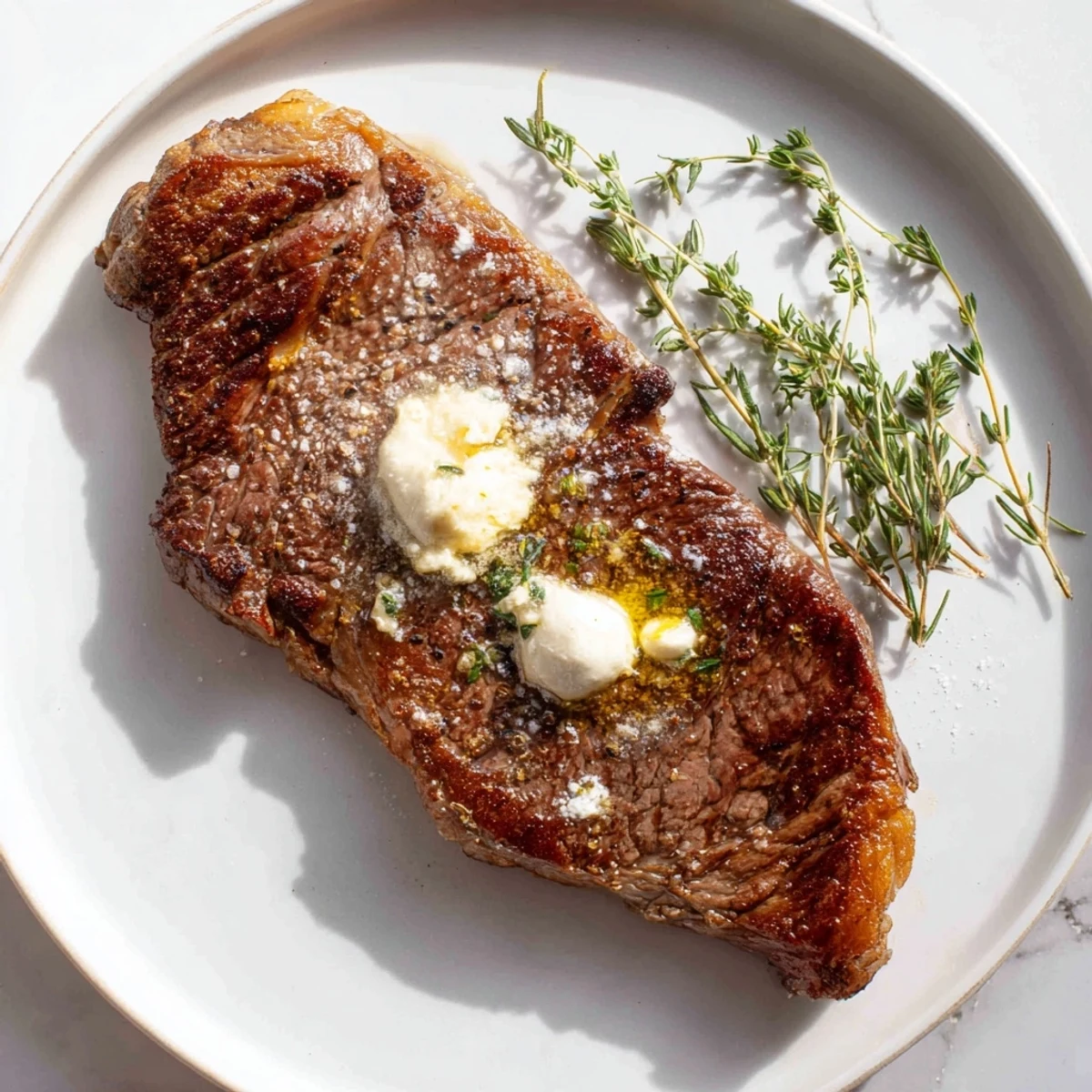
Save This dish features pan-seared ribeye steaks seasoned with sea salt and black pepper, cooked in olive oil and butter, and infused with fresh rosemary, thyme, and garlic. The steaks are seared to form a golden crust, then basted in fragrant herb butter for a tender, juicy finish. Resting the meat after cooking locks in the flavors and ensures perfect tenderness. Ideal for a quick yet elegant main course, it pairs well with roasted potatoes or fresh salad.
I still remember the first time I truly understood what a perfect steak could be. It was a Saturday evening when my partner surprised me by insisting on cooking dinner at home instead of heading to our favorite steakhouse. With just a cast iron skillet, some fresh herbs from the garden, and two beautiful ribeye steaks, something magical happened in that kitchen. The sizzle, the aroma of rosemary and thyme mingling with butter and beef—it changed how I thought about weeknight cooking. That night, I realized that restaurant-quality meals weren't reserved for special occasions out; they could happen right at home, whenever we decided to slow down and pay attention.
I've made this steak countless times now, but the moment that stands out most is when my mother visited and I prepared it for her birthday dinner. She took one bite and just went quiet—the kind of quiet that means something has genuinely moved you. She asked how long I'd been secretly training as a chef. I told her the truth: patience, good ingredients, and butter. We sat at the table long after dinner was finished, talking and laughing. That's when I understood that this recipe isn't really about the steak; it's about creating a moment worth remembering.
Ingredients
- Beef ribeye steaks (2 steaks, 10 oz each, about 1 inch thick): The ribeye is the most forgiving cut for beginners and the most rewarding for enthusiasts—all that marbling means fat renders into the meat as it cooks, creating an almost buttery texture. Look for steaks with visible white lines of fat running through them; that's where the flavor lives.
- Fresh rosemary (2 sprigs): The earthiness of rosemary is what transforms a steak from good to memorable. I learned to use the whole sprigs so you can easily fish them out later, and there's something nice about seeing the herbs that flavored your dinner.
- Fresh thyme (2 sprigs): Thyme is quieter than rosemary—it whispers rather than shouts. Together they create a balanced herbal backdrop that lets the beef shine.
- Garlic (2 cloves, smashed): Smashing rather than mincing releases the garlic's oils gently. You want to flavor the butter, not overpower it with sharp raw garlic heat.
- Coarse sea salt (1 ½ tsp): Coarse salt crystals don't dissolve into the meat as quickly as fine salt, giving you more control and better browning. This is one of those small details that actually matters.
- Freshly ground black pepper (1 tsp): Ground fresh, not pre-ground from a tin. The difference is real—pre-ground pepper tastes like dusty regret by comparison.
- Olive oil (2 tbsp): High smoke point is what you need here. This is the oil that helps create that golden crust everyone dreams about.
- Unsalted butter (2 tbsp): Unsalted butter gives you control over the salt level, and there's something about real butter—the way it foams and browns—that plant-based alternatives just haven't captured yet.
Instructions
- Bring your steaks to room temperature:
- Remove them from the refrigerator 30 minutes before cooking. I know this sounds fussy, but cold steaks don't cook evenly—the outside burns before the inside reaches temperature. Room temperature meat cooks predictably. While you wait, pat them completely dry with paper towels; any moisture on the surface will steam instead of sear, and steam is the enemy of crust.
- Season generously:
- Both sides of each steak get a generous coating of sea salt and cracked pepper. Don't be shy here. Season like you're seasoning the whole piece, not just dusting the surface. The crust is where flavor lives.
- Get your pan screaming hot:
- Place a large cast iron skillet over high heat and let it sit there until it's properly hot—this takes longer than you think, maybe 2–3 minutes. Add your olive oil and watch it shimmer and move easily in the pan. When it's just beginning to smoke slightly, you're ready.
- Sear with confidence:
- Place the steaks in the skillet and don't touch them. This is the hardest part—the urge to move them, check them, flip them early is almost overwhelming. Resist it completely. For 2–3 minutes, you're building a golden-brown crust through a process called the Maillard reaction. Move the steak, and you interrupt that process. After 2–3 minutes, flip once and sear the other side for another 2–3 minutes until it's equally golden.
- Reduce heat and baste with herb butter:
- Turn the heat down to medium-low. Add your butter, smashed garlic, rosemary, and thyme to the pan. Now comes the most luxurious part—tilting the pan so the melted herb butter pools, then using a spoon to continuously baste the top of each steak with that liquid gold. You're not just cooking the steaks now; you're bathing them in flavor. The herbs are infusing the butter, the butter is seeping into the meat, and the whole kitchen smells like a restaurant kitchen. Continue basting for 2–3 minutes per side, until a meat thermometer inserted horizontally into the center reads 130°F for medium-rare. The internal temperature will continue to rise as the steak rests, so don't overcook it here.
- Rest your steaks:
- Transfer the steaks to a plate and cover loosely with foil. Let them rest for 5 minutes. This isn't wasted time; this is essential time. The muscle fibers relax, the juices redistribute, and when you cut into that steak, you'll get juiciness instead of a dry disappointment. Those 5 minutes are what separates a good steak from a great one.
 Save
Save There's a moment during the basting phase when you stop thinking about techniques and measurements and just get lost in the sensory experience. The herbs are releasing their oils, the butter is foaming gently, and your steak is getting bathed in pure flavor. That moment, when you're fully present in the kitchen, watching something beautiful happen—that's when cooking stops being a task and becomes a meditation. That's when food becomes love.
Mastering the Sear
The golden-brown crust on a steak isn't just for looks; it's layers of flavor created by the Maillard reaction, where proteins and sugars break down and recombine into hundreds of new flavor compounds. This is why the steak needs to be dry (moisture prevents browning), why the pan needs to be hot (cold pans steam instead of sear), and why you can't move the steak around (it needs uninterrupted contact with heat). The first time you execute a perfect sear—that moment when you flip the steak and see that mahogany crust—you'll understand why people become obsessed with cooking steaks. It's the most tangible evidence that heat and patience and attention create something genuinely delicious.
Why Cast Iron Matters
I've tried making this recipe in stainless steel pans and non-stick skillets, and the results are never quite the same. Cast iron holds heat differently—more evenly, more intensely, and it retains that heat even when you add the cold butter and herbs. It also seasons over time, developing a natural non-stick surface that gets better with use. If you don't have cast iron, you'll still make a delicious steak, but I encourage you to invest in one. Over the years, a well-loved cast iron skillet becomes almost a partner in your cooking—reliable, responsive, and somehow connected to all the meals you've made in it.
Variations and Moments of Discovery
This basic technique is endlessly adaptable, and some of my favorite meals have come from small experiments. I once added a splash of red wine to the pan during the basting phase, and the wine reduced into a light sauce that was absolutely magical. Another evening, I tried finishing with a touch of balsamic vinegar, which added a subtle sweetness and complexity. Fresh sage works beautifully in place of some of the rosemary, and if you're feeling adventurous, a pinch of fresh thyme with a tiny bit of truffle oil creates something almost unbelievably luxurious. The foundation—the searing technique, the rest time, the herb basting—is what makes a perfect steak. Everything else is just you making it your own.
- Don't be afraid to substitute herbs based on what you have on hand or what you're craving; the technique matters far more than the specific herbs.
- If you prefer your steak more done than medium-rare, aim for 135°F for medium, knowing it will continue cooking as it rests.
- Save your herb butter left in the pan—it's liquid gold poured over roasted vegetables or fresh bread.
 Save
Save Cooking a perfect steak is less about following rules and more about understanding why the rules exist. Once you understand the why, you own the technique forever. Make this steak for someone you love, pay attention to how it feels and looks and smells, and you'll have created something that nourishes both body and soul.
Recipe FAQ
- → How do I achieve a perfect sear on ribeye steaks?
-
Use a hot cast iron skillet with olive oil to get a golden-brown crust by searing each side for 2–3 minutes before lowering the heat for basting.
- → What herbs complement ribeye steaks best?
-
Fresh rosemary and thyme add aromatic flavors that enhance the beef’s richness when used during basting.
- → Why should I let the steaks rest after cooking?
-
Resting allows juices to redistribute, ensuring each bite is moist and tender rather than dry.
- → Can I use other fats besides butter and olive oil?
-
Yes, plant-based butter or other cooking oils can be used, but butter adds a rich, creamy flavor when combined with herbs.
- → How do I know when ribeye is medium-rare?
-
Cook until the internal temperature reaches 130°F (54°C); the meat should be warm and pink in the center.