
 Save
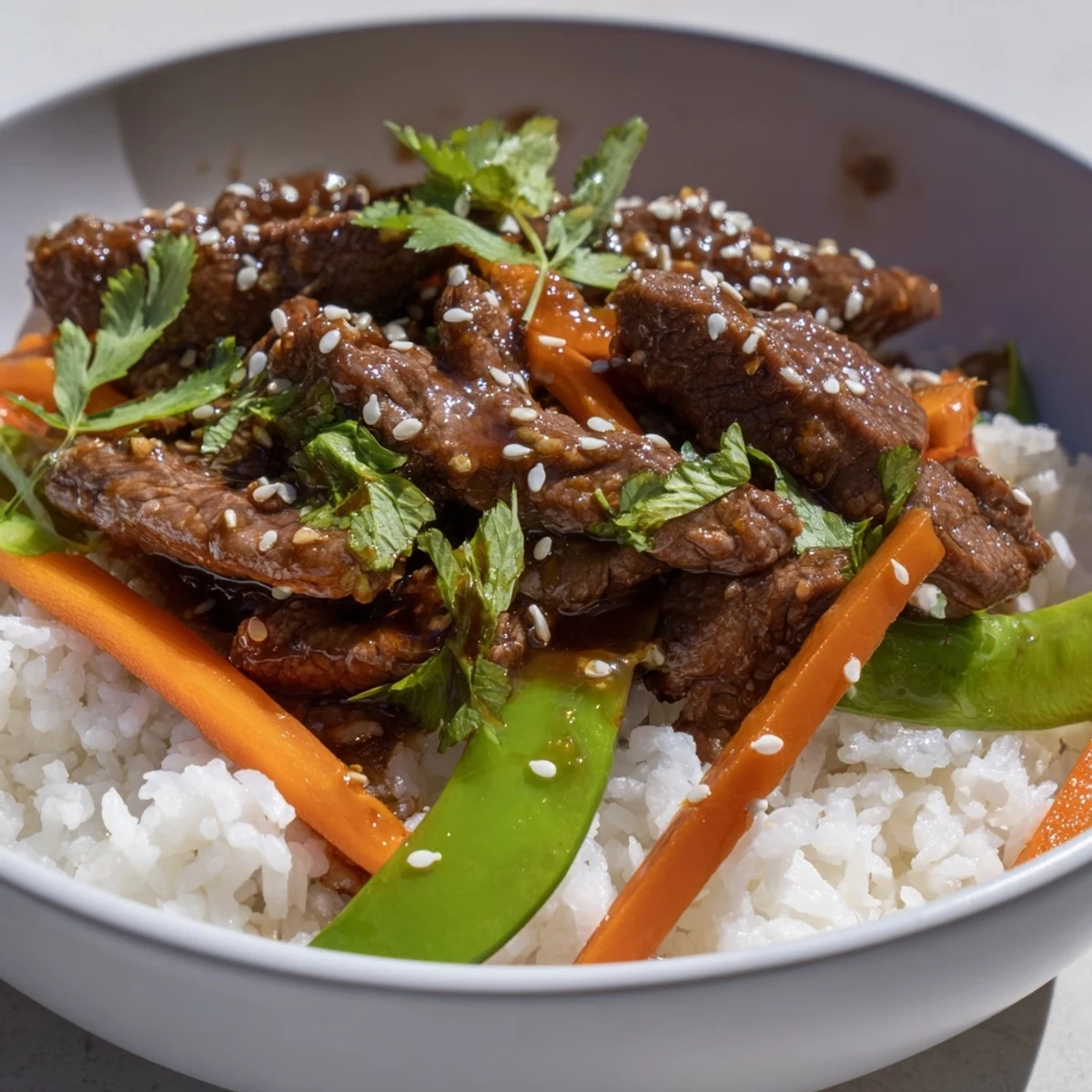
Save This hearty bowl features tender slices of beef quickly seared to retain juiciness and combined with crisp fresh vegetables like julienned carrots, bell peppers, and sugar snap peas. The sauce blends soy, oyster sauce, honey, garlic, ginger, and sesame oil to add rich and balanced flavors. Served over fluffy jasmine rice and garnished with cucumber, spring onions, and toasted sesame seeds, it offers a nourishing and satisfying midday meal with vibrant textures and savory notes.
There was a Tuesday when I couldn't figure out what to make for lunch and found myself staring at a half-empty fridge. A package of beef sirloin, some vegetables getting softer by the hour, and a pot of jasmine rice that seemed too plain on its own. I dumped it all into a bowl with a sauce I'd thrown together on instinct, and suddenly lunch felt like something worth eating instead of just getting through. That bowl taught me something simple: the best meals come from knowing how to bring separate ingredients together into something that feels whole.
I remember my neighbor asking what smelled so good when I was testing this recipe, and within five minutes she was in my kitchen asking if she could watch how I made it. By the time we finished cooking, we'd made a second batch and were laughing about how easy it was to turn a handful of ingredients into something that felt intentional and cared for. That's when I knew this recipe had staying power.
Ingredients
- Beef sirloin or flank steak, thinly sliced (400 g): The thinner you slice it, the faster it cooks and the more tender it feels, so take an extra minute with your knife.
- Soy sauce (1 tbsp for beef, 2 tbsp for sauce): It's the backbone of flavor here, and toasting the beef in it first helps it develop a subtle crust.
- Cornstarch (1 tbsp): This keeps the beef from sticking and gives it a silky texture, not chewy.
- Vegetable oil (1 tbsp): You need enough heat to sear without crowding, so a neutral oil works best.
- Jasmine or basmati rice (300 g): Rinsing it first makes a real difference in the final texture, even though it feels like an extra step.
- Water (600 ml) and salt (½ tsp): The ratio matters more than you'd think for fluffy rice that isn't mushy.
- Carrot, julienned: The thin cut means it cooks through in minutes while staying bright and slightly crisp.
- Red bell pepper, sliced: It adds sweetness and color without overpowering the savory sauce.
- Sugar snap peas (100 g): These stay crunchy if you don't cook them too long, which is exactly what makes them worth using.
- Cucumber, sliced: This stays fresh and cool at the bottom of the bowl, a refreshing contrast to the warm beef.
- Spring onions, thinly sliced: Save half for the top; the raw bite cuts through the richness of the sauce.
- Oyster sauce (1 tbsp): It adds depth without making things taste fishy, trust me on this.
- Honey (1 tbsp): A tiny bit rounds out the salt and vinegar so nothing tastes too sharp.
- Sesame oil (1 tsp): Use just a drizzle; this is a finishing flavor, not a cooking oil.
- Garlic and ginger (1 clove and 1 tsp): Fresh is non-negotiable here, as they're the aromatic heart of the whole bowl.
- Rice vinegar (1 tbsp): It brightens everything and prevents the sauce from feeling heavy.
- Toasted sesame seeds (1 tbsp): Toast them yourself if you can; they taste nothing like the pre-packaged version.
Instructions
- Start the rice first:
- Rinse it under cold water until the water runs clear, which takes longer than you'd expect but makes a difference. Combine with water and salt in a saucepan, bring to a boil, then reduce heat, cover, and let it simmer for 12-15 minutes until the water is absorbed, then rest it covered for 5 minutes.
- Prepare the beef:
- While the rice is cooking, toss your beef slices with 1 tbsp soy sauce and the cornstarch, making sure every piece gets coated. This keeps it tender and helps it brown quickly.
- Make the sauce:
- In a small bowl, whisk together the soy sauce, oyster sauce, honey, sesame oil, minced garlic, grated ginger, and rice vinegar until everything is combined. Set it aside and don't taste it yet; it needs the other components to feel balanced.
- Sear the beef:
- Heat vegetable oil in a large skillet or wok over medium-high heat until it shimmers, then add the beef in a single layer. Don't move it around; let it sit for 2-3 minutes so it develops a golden crust before flipping it. Remove it to a plate once it's browned but still tender inside.
- Cook the vegetables:
- In the same pan, add carrots, bell pepper, and sugar snap peas, stirring them around for 2-3 minutes until they're just tender with a bit of crunch still left. The carrots will soften first, so watch for that as your cue.
- Bring it together:
- Return the beef to the pan, pour in the sauce, and toss everything together for 1-2 minutes until it's all heated through and well-coated in that glossy sauce. You'll know it's right when the sauce coats the back of a spoon.
- Assemble the bowls:
- Fluff the cooked rice with a fork and divide it among four bowls, then top each with the beef and vegetable mixture. The warm rice on the bottom catches all the sauce, which is the whole point.
- Finish and serve:
- Top each bowl with cucumber slices, spring onions, toasted sesame seeds, and fresh coriander if you have it. Serve immediately while everything is warm.
 Save
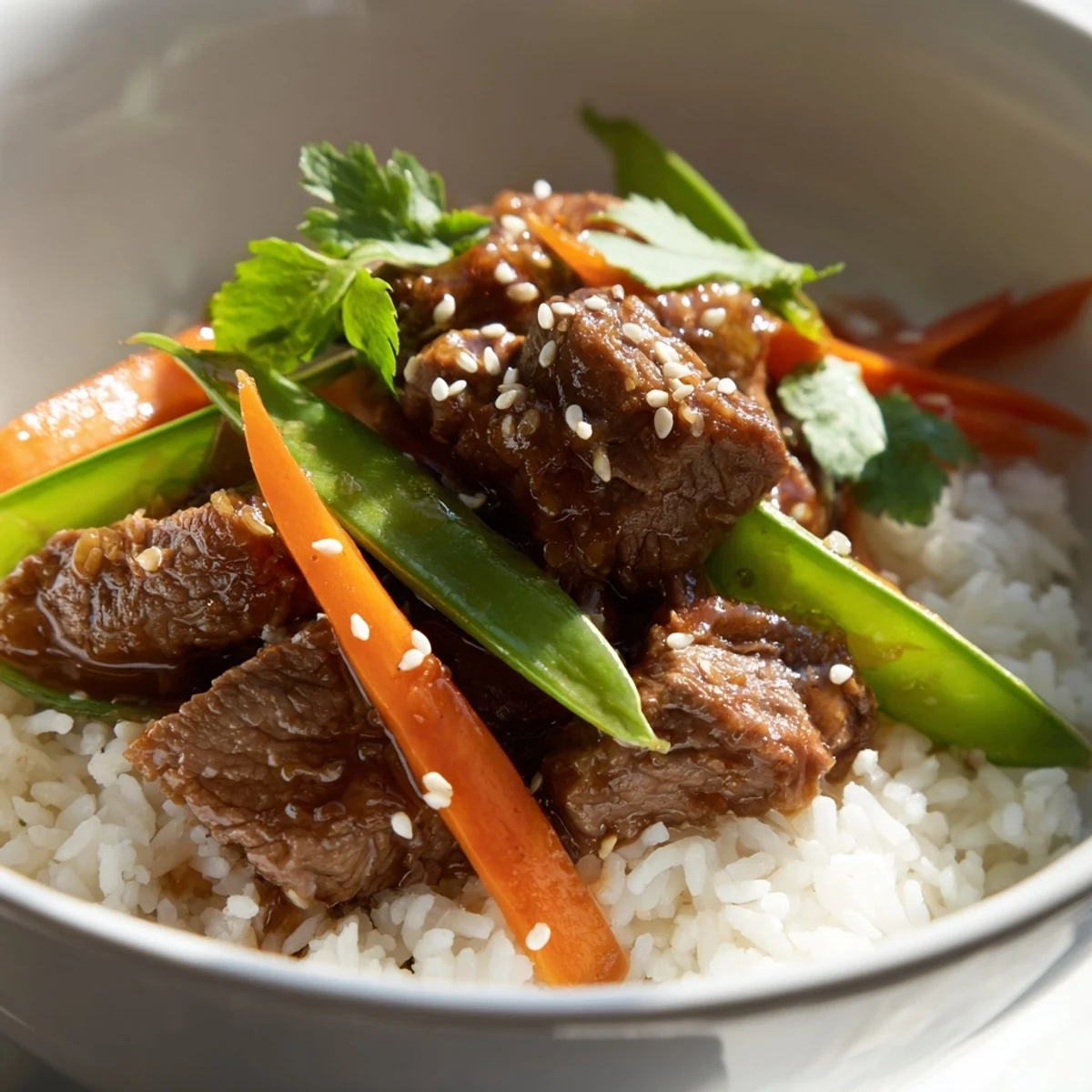
Save I once made this bowl for a friend who was going through a rough week, and watching her slow down enough to actually taste what was in front of her felt like the whole point of cooking. There's something about a well-balanced bowl that makes people pause and pay attention.
The Sauce Is Everything
The magic of this bowl lives in that sauce, which balances sweet, salty, sour, and nutty all at once. I learned this by taste-testing as I went, and I realized that if any element was missing, the whole bowl felt flat. Don't skip the rice vinegar or the honey, and don't be tempted to double the soy sauce; it needs that restraint to stay interesting.
Customizing Based on What You Have
The vegetables in this recipe are just a starting point, and I've made it with broccoli, bok choy, zucchini, and even mushrooms depending on the season or what was left in my crisper drawer. The sauce carries them all equally well, which is exactly why this bowl works as a template for using up odds and ends. You can also swap the beef for chicken, tofu, or shrimp if you're in a different mood.
Rice and Serving Styles
Jasmine rice is my default because it has a slight sweetness that complements the sauce, but basmati works beautifully too if that's what you have. Some people like to substitute brown rice for the fiber, and I've even used quinoa in a pinch with surprisingly good results. Cold leftover rice also works if you're packing this for lunch the next day, though you'll want to warm it up gently so it doesn't clump.
- If you prefer a saucier bowl, double the sauce recipe and pour more over everything right before serving.
- For extra heat, drizzle sriracha or add a pinch of red chili flakes once the bowl is assembled.
- The cucumber stays crunchy and fresh if you add it just before eating, so save some for the moment you're about to dig in.
 Save
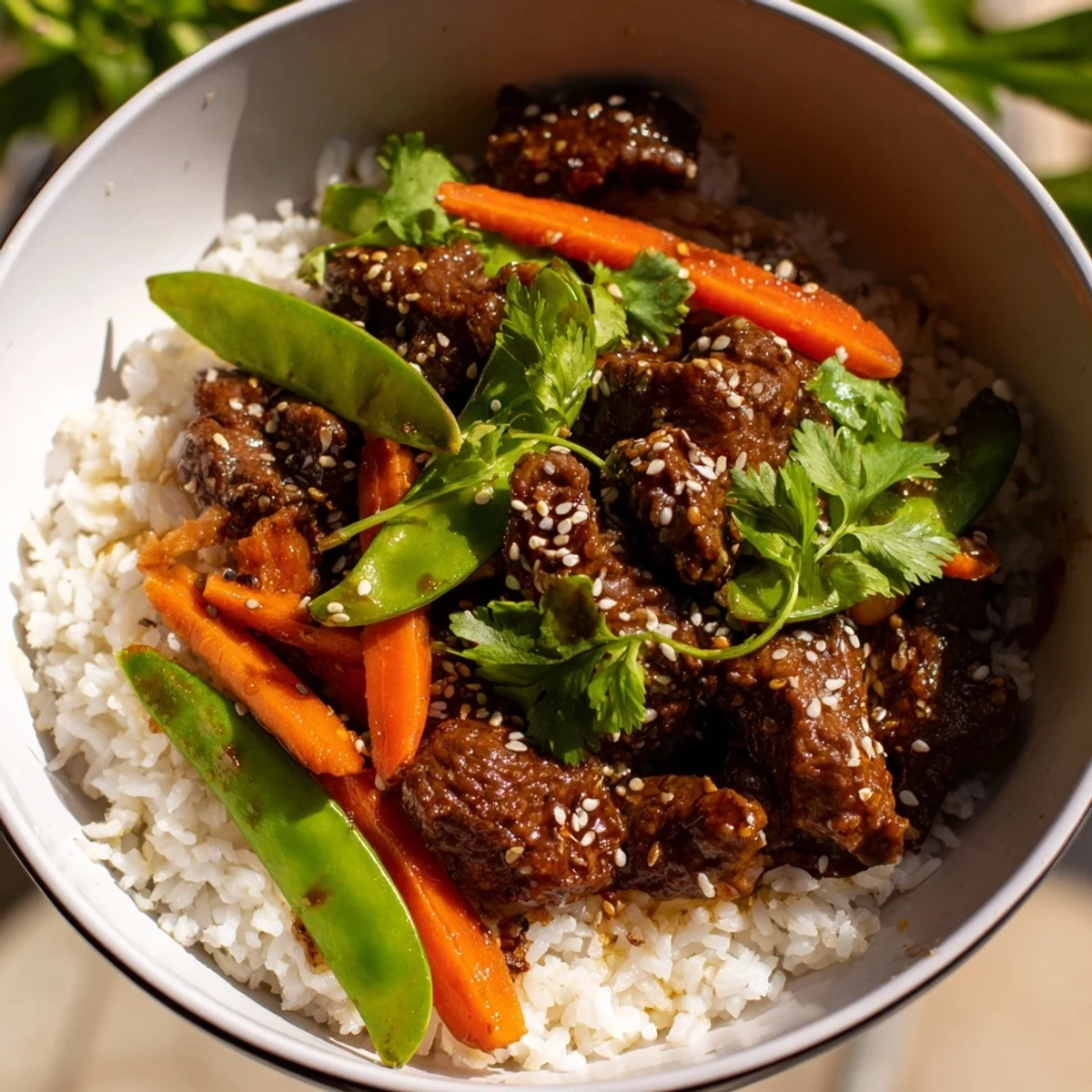
Save This bowl has become my go-to lunch when I want something that feels like it took more effort than it actually did. It's proof that you don't need complicated techniques or a long list of ingredients to make something that tastes thoughtful.
Recipe FAQ
- → What cut of beef works best for this dish?
-
Thinly sliced sirloin or flank steak works best, as they cook quickly and stay tender.
- → Can I use different vegetables in the bowl?
-
Yes, seasonal vegetables or preferred crunchy veggies like broccoli or snap peas can be swapped in.
- → How do I achieve tender but crispy vegetables?
-
Stir-fry vegetables briefly over medium-high heat to keep their crispness and vibrant color.
- → What rice varieties are recommended?
-
Jasmine or basmati rice is preferred for its fluffy texture and aromatic qualities.
- → How can I add extra heat to the dish?
-
Add sriracha or red chili flakes either in the sauce or as a garnish for a spicy kick.