
 Save
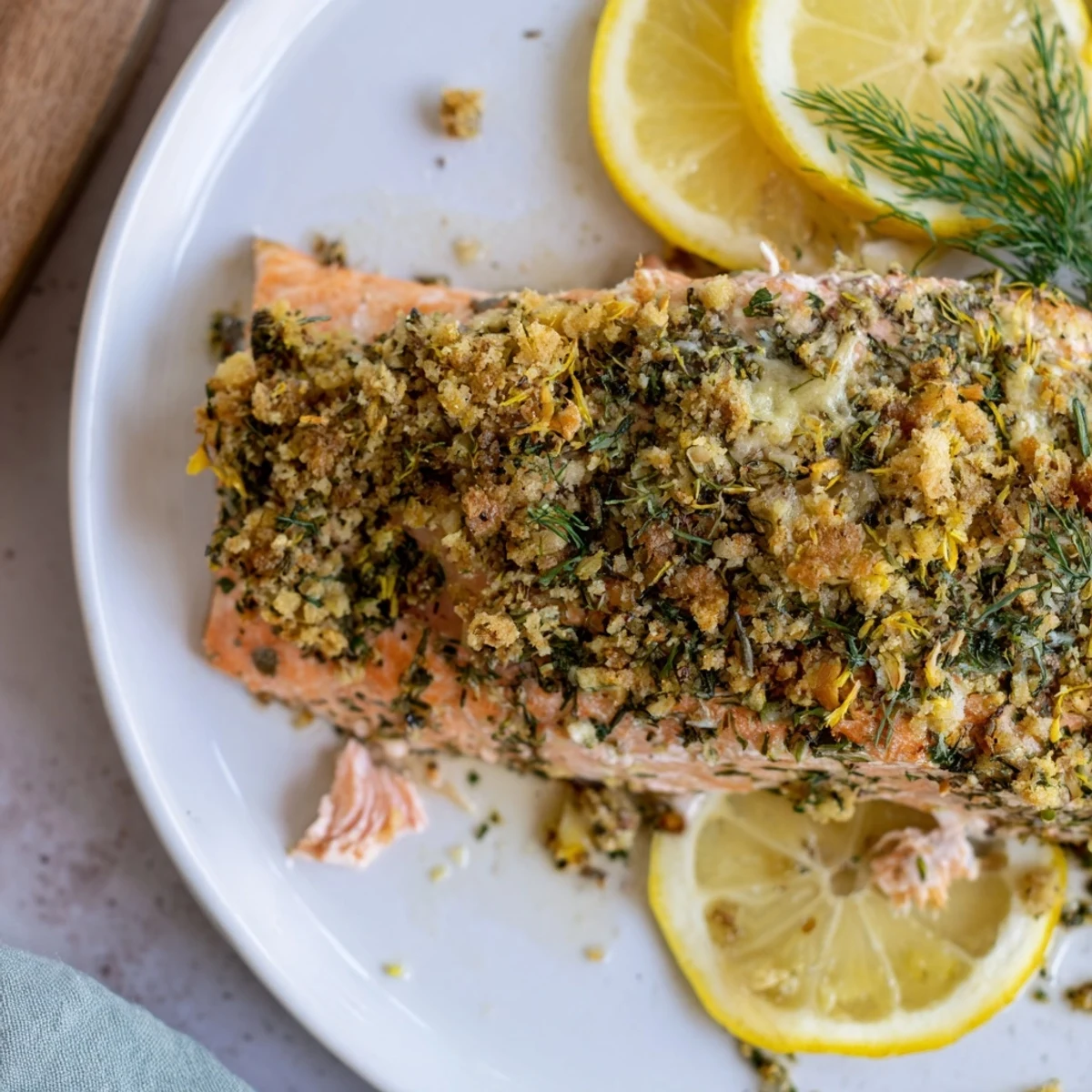
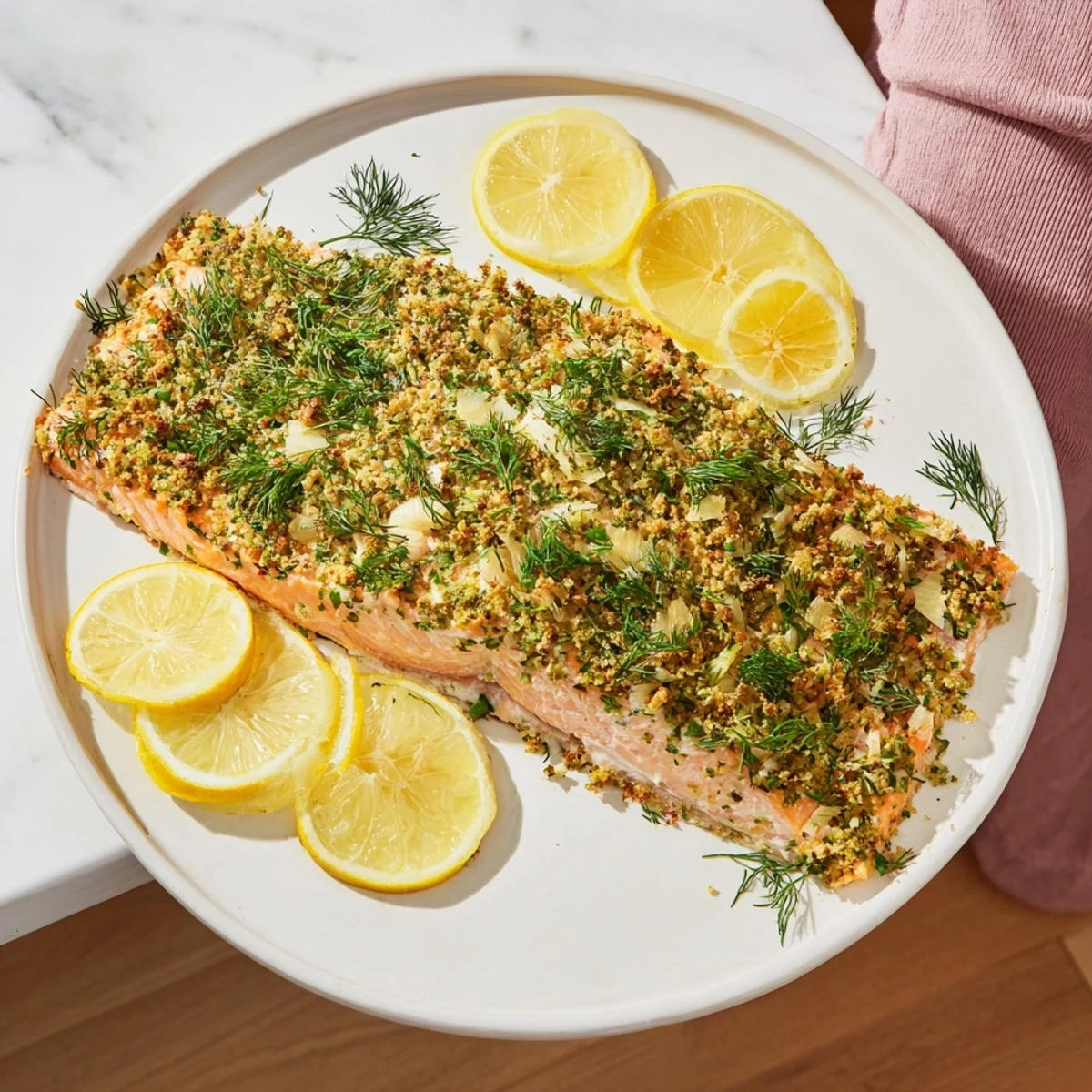
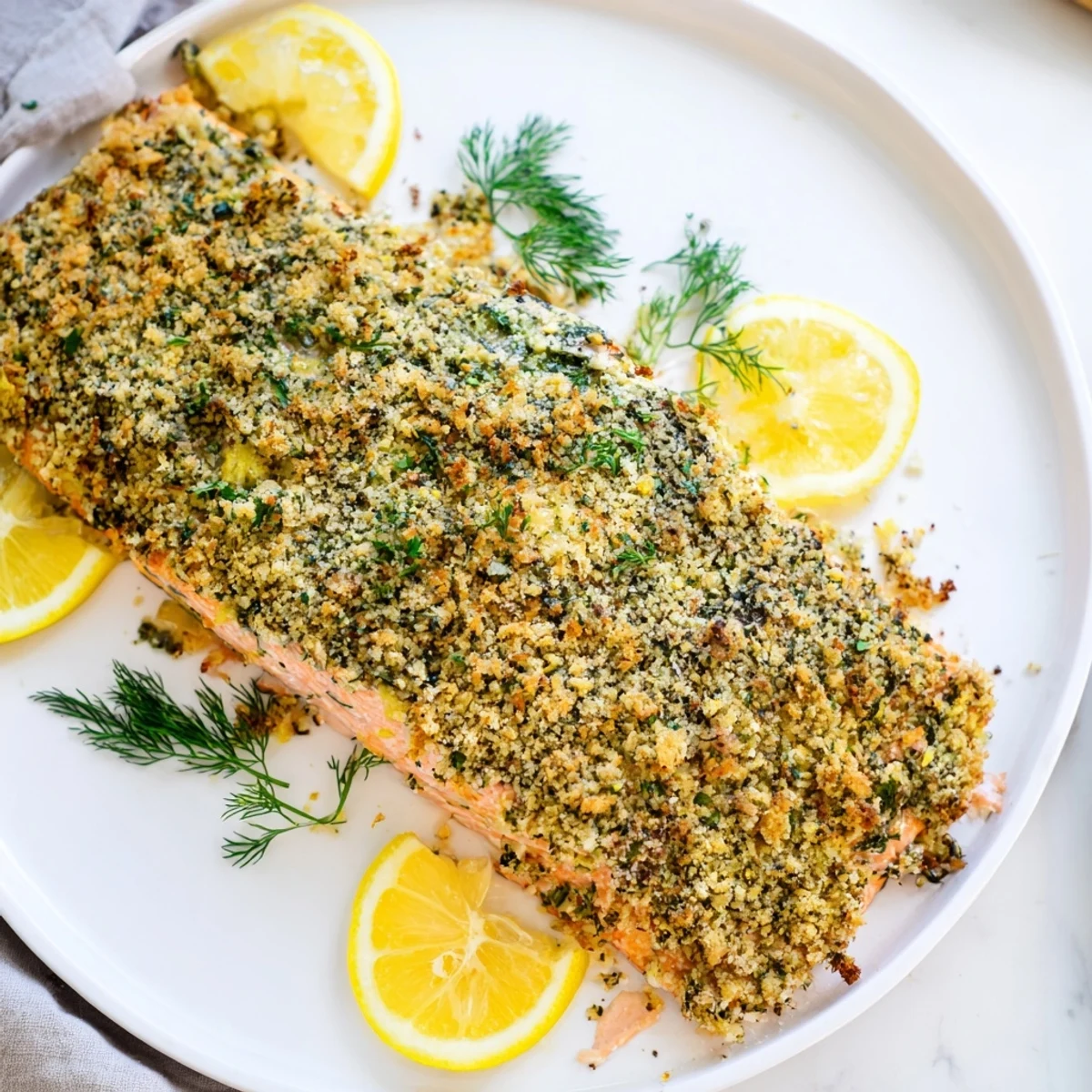
Save This dish features tender salmon fillets baked in the oven with a bright lemon-herb mixture. The marinade combines olive oil, fresh lemon juice, zest, garlic, dill, and parsley, infusing the fish with vibrant flavors. Baked at 200°C for 15-18 minutes, the salmon turns flaky and moist. Garnish with lemon wedges and extra herbs for added freshness. Easily prepared in under 30 minutes, it pairs well with roasted vegetables or a green salad, making it a wholesome pescatarian option that’s gluten-free and nourishing.
There's something about the smell of lemon and fresh herbs hitting warm salmon that stops you mid-kitchen chaos and makes you pause. I discovered this particular combination on a random Tuesday when I was rushing to make something impressive but didn't want to fuss—four fillets, a handful of ingredients I actually had on hand, and eighteen minutes later, dinner was done and tasting like I'd spent hours planning it. My kitchen smelled incredible, and the fish itself was so tender it practically melted.
I made this for my sister during one of those evenings when we were both too tired to cook anything complicated but wanted to feel like we'd actually made something good. She took one bite, closed her eyes, and asked if I'd been secretly taking cooking classes. It became our shorthand for "easy but feels fancy," and now whenever she needs to impress someone at home, this is what she reaches for.
Ingredients
- Salmon fillets (4, about 170g each): Skin-on keeps them from drying out and gives you something to grab onto while they're hot, but skinless works just fine too—it's about what you prefer and how you're serving.
- Olive oil (2 tablespoons): This is your insurance policy against dry fish; it carries all those herb flavors right into every flake and keeps everything glossy.
- Fresh lemon juice and zest (2 tablespoons juice, 2 teaspoons zest): The juice is the backbone, but the zest adds brightness that sits on your tongue—don't skip it thinking it's the same thing.
- Garlic (2 cloves, minced): Raw garlic when baked mellows into something almost sweet and perfumy, no harsh bite.
- Fresh dill and parsley (1 tablespoon each): These two together taste like spring and Mediterranean coast—dried works in a pinch but fresh is where the magic lives.
- Salt and black pepper (1 teaspoon and ½ teaspoon): Simple seasoning lets the fish and herbs speak without shouting.
Instructions
- Get your oven ready and set the stage:
- Preheat to 200°C (400°F) and line your baking sheet with parchment paper—this is the difference between fish that slides off and fish that sticks like a mistake. You're not just making dinner; you're setting up for success.
- Dry those fillets like you mean it:
- Pat them thoroughly with paper towels and arrange them skin-side down if they have skin. Moisture is the enemy of that beautiful, golden surface you're imagining.
- Make the herb mixture come alive:
- Whisk together olive oil, lemon juice, zest, minced garlic, dill, parsley, salt, and pepper in a small bowl. The oil will start to pick up color from the herbs—that's exactly what you want to see.
- Brush it on with purpose:
- Coat each fillet evenly, getting the sides and top. Use a pastry brush if you have one, or the back of a spoon works just as well.
- Let the oven do the work:
- Bake for 15–18 minutes, depending on how thick your fillets are. The salmon is done when it flakes easily with a fork and looks just opaque in the center—overcook it by even two minutes and the texture shifts from tender to dry.
- A two-minute rest changes everything:
- Let it sit for a moment after coming out of the oven; this lets the proteins relax and stay juicy instead of all that heat escaping in a rush.
 Save
Save There was this moment when I served this to my family and my father, who normally just eats what's put in front of him without much comment, actually said the lemon crust was "the right move." Those small acknowledgments stick with you—it's when you realize a simple dinner has become something people remember.
Why the Herb-Lemon Combination Works
Salmon has a richness that can feel heavy if left alone, but fresh herbs and bright citrus cut right through it like a conversation that needed to happen. The dill especially has this natural affinity with fish—it's almost like they were meant to be together. The garlic doesn't compete; it just adds depth underneath, a background note that makes everything else taste more like itself.
Serving and Pairing Ideas
I've served this with roasted vegetables, over rice, alongside a green salad, and even cold the next day in a grain bowl, and it works every single time. The flavors don't fade or turn into something strange the way some cooked fish does. The beauty is that this isn't a dish that demands specific sides—whatever you have in your kitchen will taste better next to it.
Make It Your Own
This recipe is a foundation, not a rulebook. I've experimented with different herb combinations—tarragon, basil, chives—and each one shifts the personality slightly without breaking anything. Some days I layer thin lemon slices right on top before baking for extra flavor in every bite, and other days I'm minimal about it. The structure is so simple that playing with it never feels risky.
- Fresh herbs are always better than dried, but if you only have dried, use about a third of the amount and don't hesitate.
- Pat those fillets dry—it's the single thing that changes the difference between good salmon and great salmon.
- Taste your herb mixture before spreading it on; if it needs more salt or lemon, now's the time to adjust.
 Save
Save This is the kind of recipe that becomes part of your regular rotation without you even planning it—you make it once and suddenly it's something people ask for. It's easy enough to throw together on a Wednesday night but feels thoughtful enough to serve when you want dinner to feel like you actually tried.
Recipe FAQ
- → How can I tell when the salmon is fully cooked?
-
The salmon is ready when it flakes easily with a fork and appears opaque throughout. An internal temperature of 63°C (145°F) ensures doneness.
- → Can I use dried herbs instead of fresh?
-
Yes, dried dill and parsley can be substituted; use about one-third the amount of fresh herbs to maintain flavor balance.
- → Is skin-on or skinless salmon better for baking?
-
Both work well. Skin-on helps retain moisture and can crisp up nicely, while skinless cooks evenly and is easier to eat.
- → What sides complement this salmon dish?
-
Roasted vegetables, steamed rice, or a crisp green salad pair perfectly, balancing flavors and textures.
- → Can I prepare the marinade in advance?
-
Yes, preparing the lemon-herb mixture ahead saves time and allows flavors to meld, enhancing the final result.