
 Save
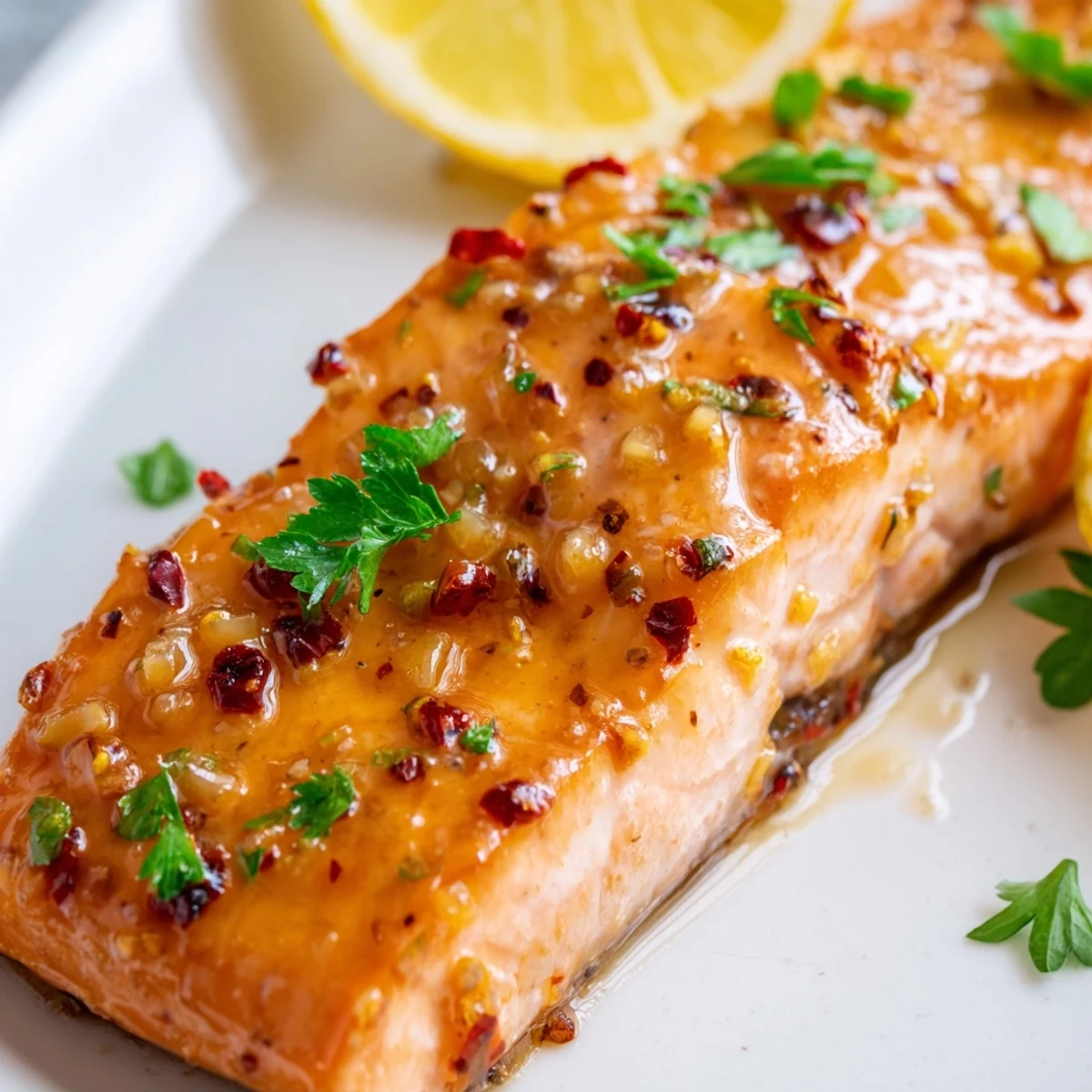
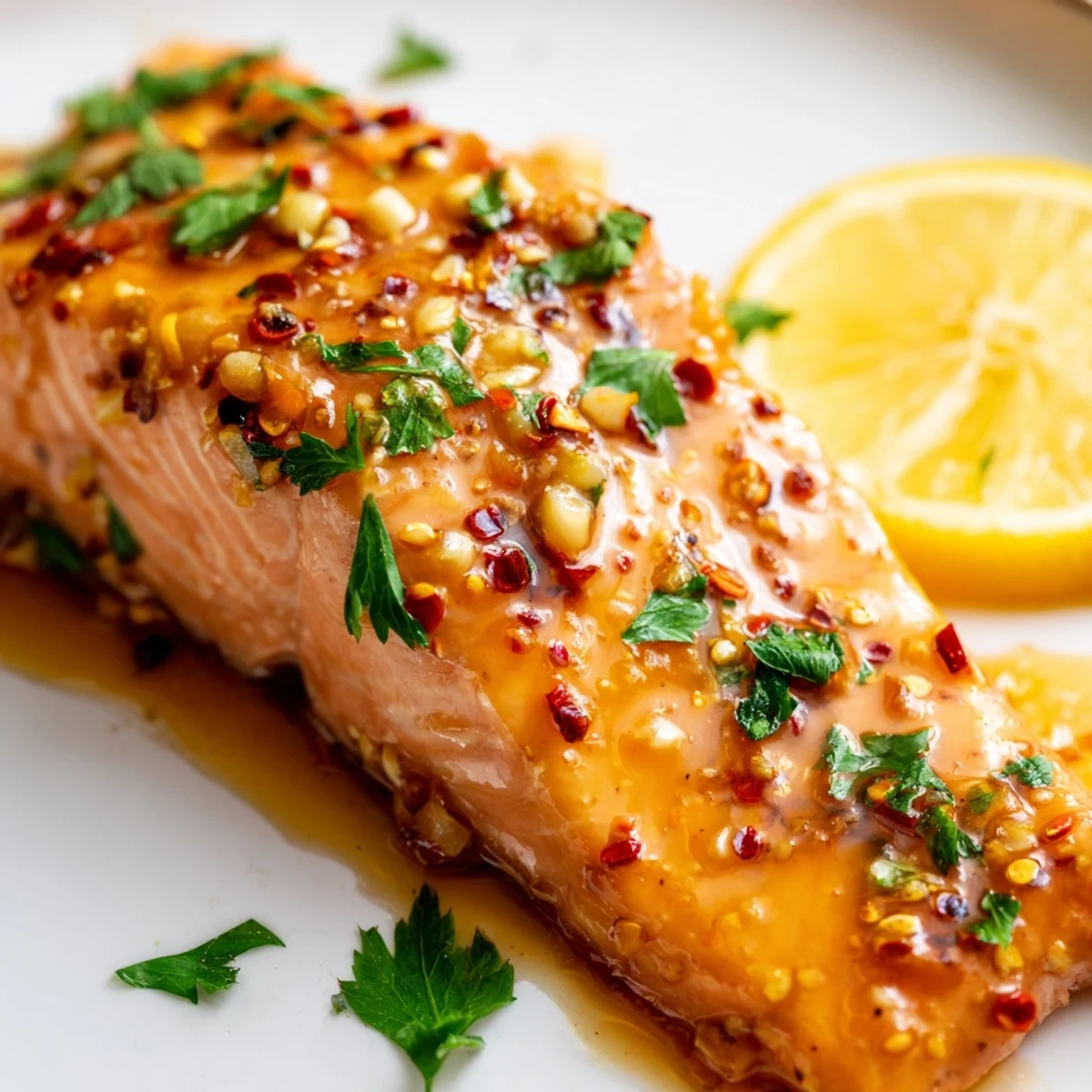
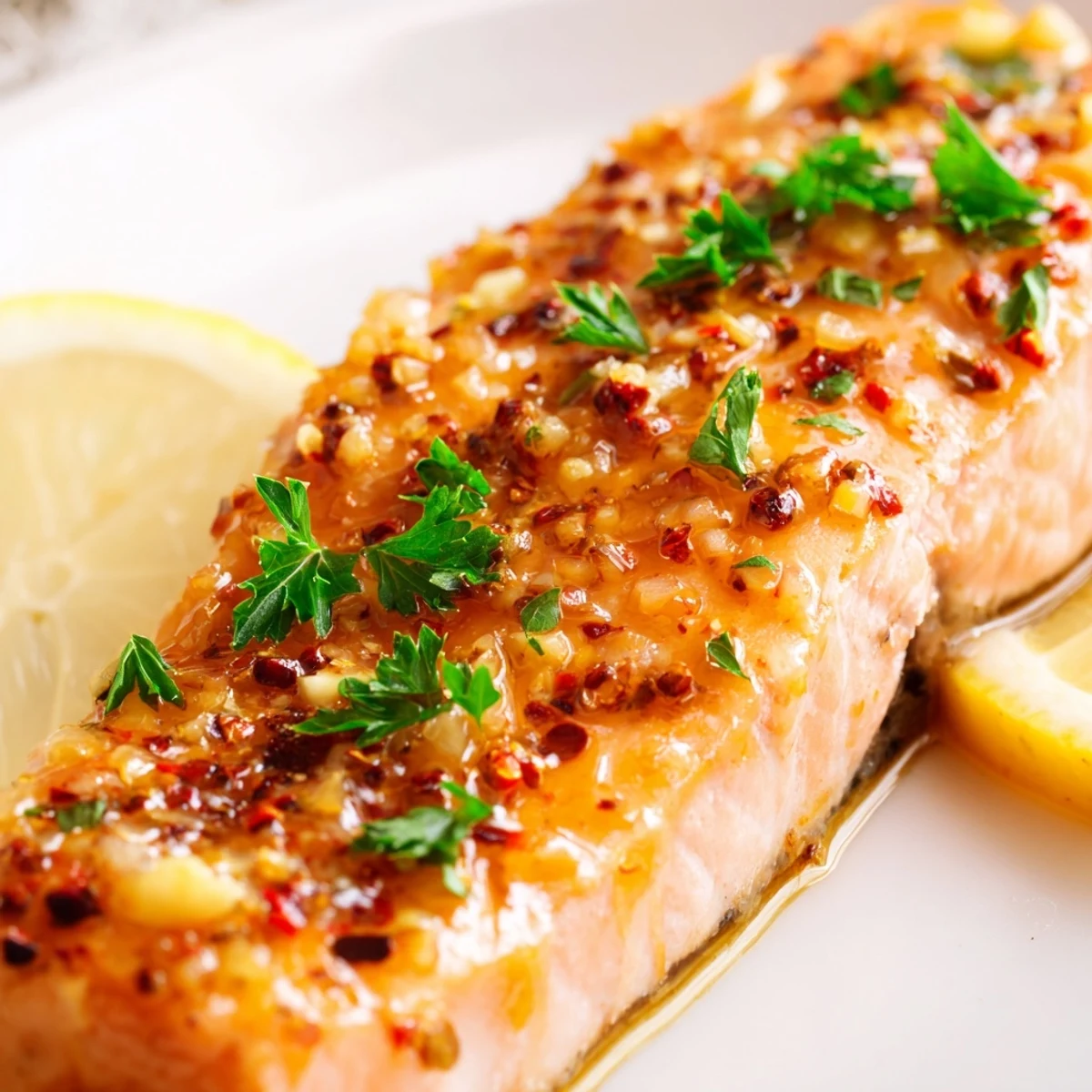
Save This dish features tender salmon fillets oven-baked to perfection, brushed with a luscious glaze combining honey, garlic, soy sauce, and lemon juice. The glaze creates a sweet and savory coating that enhances the fish’s natural flavors. For an added touch, a sprinkle of fresh parsley and lemon wedges brighten the presentation. Quick to prepare and full of vibrant flavors, it’s ideal for a weeknight dinner that feels both simple and gourmet.
There's something about the smell of garlic hitting hot oil that makes a Tuesday night feel special. My friend Sarah brought over a bottle of wine one evening, and I realized I had salmon in the freezer but absolutely nothing else planned. Twenty minutes later, we were eating something that tasted like we'd ordered it from somewhere with white tablecloths, and she asked for the recipe before dessert even happened.
I made this for my family on a spring evening when the kitchen light was that golden hour kind of beautiful, and my youngest actually put down his phone. He asked if we were "going out to eat" because it looked too nice for our kitchen. That question stuck with me, because it's exactly what this dish is: simple enough for home, impressive enough to feel like somewhere special.
Ingredients
- Salmon fillets: Six-ounce fillets are the sweet spot because they cook evenly without drying out; patting them completely dry before seasoning makes all the difference in how the glaze adheres.
- Honey: This is where the sweetness comes from, but it also helps the glaze caramelize slightly in the oven, creating a gorgeous sticky coating.
- Soy sauce: Low-sodium prevents it from becoming too salty since soy sauce is aggressive; it adds umami depth that makes you wonder why this tastes so restaurant-quality.
- Fresh lemon juice: Never use bottled here because the brightness cuts through the richness and keeps the whole dish feeling fresh rather than heavy.
- Garlic: Minced small means it distributes evenly through the glaze and doesn't leave chunky surprises.
- Dijon mustard: Just a teaspoon prevents the glaze from being one-note sweet; it adds a subtle tanginess that makes your palate keep coming back.
- Red pepper flakes: Optional but recommended because that tiny heat at the end makes you actually taste the other flavors more intensely.
- Olive oil: Light brushing on the fillets before seasoning helps seasonings stick and prevents sticking to the pan.
- Fresh parsley: The green garnish isn't just decoration; it adds a clean, herbal note that finishes the dish properly.
Instructions
- Get your oven ready:
- Preheat to 400°F and line your baking sheet with parchment paper because this prevents the bottom from browning too fast and makes cleanup genuinely effortless. If you don't have parchment, a light nonstick spray works fine.
- Prepare your salmon:
- Pat each fillet completely dry with paper towels—this is the detail that matters because moisture prevents the glaze from sticking properly. Brush lightly with olive oil, then season generously with salt and pepper on both sides.
- Build the glaze:
- Whisk honey, soy sauce, lemon juice, minced garlic, mustard, and red pepper flakes in a small bowl until combined. The mixture will look simple, but trust that it's about to transform into something aromatic and complex in the oven.
- First coat:
- Spoon or brush half the glaze evenly over the salmon fillets, getting it into the crevices where it'll caramelize. The fish should look glossy but not drowning.
- First bake:
- Bake for exactly ten minutes, then remove the sheet carefully because there's heat coming off that pan. The salmon won't be fully cooked yet, and that's the point.
- Second coat and finish:
- Brush the remaining glaze over the fillets and return to the oven for three to five minutes, watching until the thickest part flakes easily with a fork. The glaze should look caramelized and slightly sticky, not wet.
- Plate and serve:
- Sprinkle with fresh parsley and serve with lemon wedges so people can add brightness if they want it. The contrast between the warm glaze and the squeeze of fresh lemon makes this dish complete.
 Save
Save What I love most is watching people's faces when they cut into it and see that the fish is still moist and tender, not the dry, overcooked salmon they might have convinced themselves to expect. That moment when flavor meets expectation and wins is why I make this again and again.
Why the Glaze Works
The beauty of this particular combination is that honey brings sweetness while soy sauce brings salt and depth, creating a balance that doesn't need anything else to feel complete. The lemon juice acts like a bridge, keeping everything bright so the dish doesn't taste heavy. Garlic and mustard are doing quiet work in the background, making your brain register this as sophisticated rather than simple, even though it is genuinely simple.
Variations Worth Trying
Once you've made this a few times and the technique feels natural, small changes open up new territory. Swap the honey for maple syrup if you want a slightly deeper, woodsy flavor, or add a touch of ginger to the glaze for something with more complexity. Some nights I brush the finished salmon with a drizzle of sesame oil before plating because it adds a subtle nuttiness that makes people ask what the secret ingredient is.
What to Serve Alongside
The glaze is rich enough that the salmon doesn't need much, just something to balance the plate. Steamed rice soaks up the glaze beautifully if you tilt the fillet slightly, or roasted vegetables like bok choy and snap peas add crunch and color without competing for attention. A crisp salad with a light dressing works too if you want the meal to feel fresh rather than indulgent.
- Steamed jasmine rice is your safest bet because it's neutral and lets the salmon shine.
- Roasted broccoli or asparagus adds texture and color without fuss.
- A simple arugula salad with lemon vinaigrette keeps everything feeling bright and balanced.
 Save
Save This recipe taught me that weeknight dinners don't have to be complicated to feel special, and that sometimes the simplest combinations are the ones people remember. Make this when you want to feel a little proud of what you've put on the table.
Recipe FAQ
- → How do I ensure the salmon stays moist during baking?
-
Patting the salmon dry before applying olive oil and glaze helps seal moisture. Baking at 400°F and brushing the glaze midway prevents drying out.
- → Can I adjust the level of spiciness in the glaze?
-
Yes, the crushed red pepper flakes are optional and can be added or omitted depending on your preferred heat level.
- → What can I substitute for honey in the glaze?
-
Maple syrup works well as a natural alternative, providing a different but complementary sweetness.
- → Is it necessary to broil the salmon at the end?
-
Broiling for 1–2 minutes at the end crisps the top, but it’s optional depending on desired texture.
- → What side dishes pair well with this salmon glaze?
-
Steamed rice, roasted vegetables, or a fresh salad balance the flavors and textures nicely alongside the salmon.